
The Top 10 Low Maintenance Houseplants for Beginners
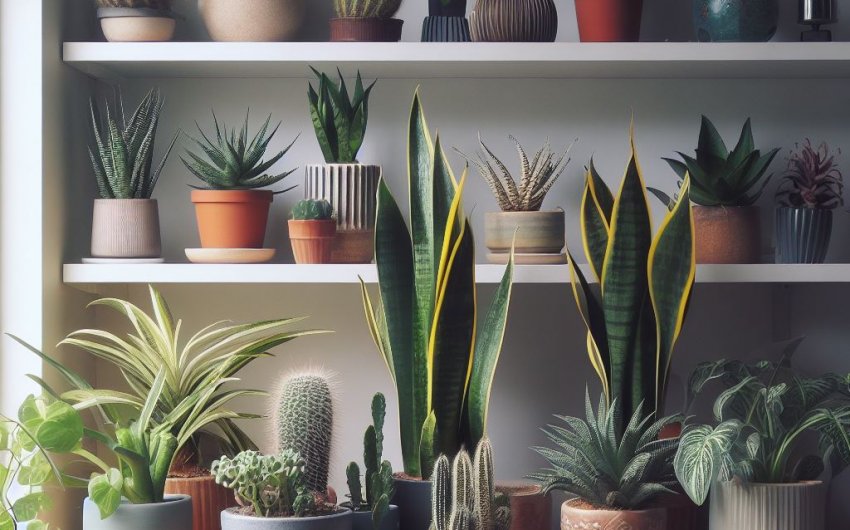
For beginners seeking low-maintenance houseplants, the top choices prioritize forgiveness in watering, adaptability to various light conditions, and general resilience against common issues. These plants thrive on a bit of neglect, making them perfect for those new to indoor gardening or with busy lifestyles.
What makes a houseplant "low maintenance" for beginners?
A low-maintenance houseplant for beginners is one that tolerates a range of conditions, bounces back easily from minor neglect, and doesn't require constant attention to thrive. These plants are forgiving of common beginner mistakes, such as inconsistent watering or less-than-ideal light, making them perfect for building confidence in indoor gardening.
What are the key characteristics of low-maintenance houseplants?
- Tolerant of varied light: Can adapt to anything from low to bright indirect light without significant stress.
- Forgiving with watering: Can handle drying out between waterings and don't immediately suffer from occasional missed watering. Resistant to root rot from slight overwatering.
- Pest and disease resistant: Generally less prone to common houseplant pests and diseases.
- Slow to moderate growth: Don't quickly outgrow their pots or require frequent pruning.
- No specific humidity needs: Thrive in average household humidity.
- Don't require frequent fertilizing: Grow well with minimal supplemental feeding.
What are the top 10 low-maintenance houseplants for beginners?
Here's a curated list of the top 10 low-maintenance houseplants, celebrated for their resilience, adaptability, and minimal care requirements, making them perfect choices for anyone starting their indoor plant journey.
1. Snake Plant (Sansevieria trifasciata)
The Snake Plant is practically indestructible, renowned for its upright, sword-like leaves that come in various patterns. It thrives on neglect, making it the ultimate beginner plant.
- Light: Low to bright indirect light. Tolerates almost any condition.
- Watering: Water only when the soil is completely dry, typically every 2-4 weeks. Overwatering is its only enemy.
- Key benefit: Air purifier, very drought-tolerant. Snake plants are extremely resilient.
- Pet safety: Toxic if ingested.
2. ZZ Plant (Zamioculcas zamiifolia)
The ZZ Plant is another superstar of resilience, known for its thick, waxy, dark green leaves that emerge from thick rhizomes. It's incredibly drought-tolerant and can handle very low light.
- Light: Low to bright indirect light. Will tolerate very low light for extended periods.
- Watering: Water sparingly, allowing soil to completely dry out between waterings, often every 3-5 weeks. Stores water in its rhizomes.
- Key benefit: Extremely drought-tolerant, can handle low light.
- Pet safety: Toxic if ingested.
3. Pothos (Epipremnum aureum)
The Pothos, often called Devil's Ivy, is a classic trailing plant with heart-shaped leaves in various shades of green and variegation. It's incredibly forgiving and easy to propagate.
- Light: Low to bright indirect light. Prefers indirect light for best variegation.
- Watering: Water when the top 1-2 inches of soil are dry. It will visibly droop when thirsty.
- Key benefit: Adaptable, easy to propagate, trailing habit.
- Pet safety: Mildly toxic if ingested.
4. Spider Plant (Chlorophytum comosum)
Spider Plants are known for their arching, variegated foliage and the "spiderettes" or plantlets that dangle from the mother plant, making them charming in hanging baskets. They're very tolerant and easy to care for.
- Light: Bright, indirect light is ideal, but tolerates lower light.
- Watering: Water when the top inch of soil is dry. They prefer to stay slightly moist but can tolerate drying out.
- Key benefit: Easy to propagate new "spiderettes," air purifier.
- Pet safety: Non-toxic.
5. Peace Lily (Spathiphyllum)
The Peace Lily is a graceful plant with dark green leaves and elegant white "flowers" (actually modified leaves called spathes). It's a great communicator, dramatically drooping when thirsty.
- Light: Low to bright indirect light. Flowers best in brighter indirect light.
- Watering: Water thoroughly when the top inch of soil is dry, or when leaves begin to droop.
- Key benefit: Air purifier, tells you when it needs water. Peace lilies are excellent for beginners.
- Pet safety: Mildly toxic if ingested.
6. Cast Iron Plant (Aspidistra elatior)
True to its name, the Cast Iron Plant is incredibly tough and resilient, thriving in conditions that would kill most other plants. It has dark green, glossy, upright leaves.
- Light: Very low to medium indirect light. Tolerates deep shade.
- Watering: Water when the soil is mostly dry, often every 2-4 weeks. Extremely drought-tolerant.
- Key benefit: Survives extreme neglect and very low light.
- Pet safety: Non-toxic.
7. Aloe Vera (Aloe barbadensis miller)
The Aloe Vera plant is a succulent with thick, fleshy, spiky leaves, famously known for its medicinal gel. It thrives on minimal watering and bright light.
- Light: Bright, indirect to direct sunlight. A south or west-facing window is ideal.
- Watering: Water only when the soil is completely dry, typically every 3-4 weeks. Susceptible to rot if overwatered.
- Key benefit: Medicinal properties, very drought-tolerant.
- Pet safety: Mildly toxic if ingested.
8. Chinese Evergreen (Aglaonema)
Chinese Evergreens are beautiful foliage plants available in many varieties with stunning patterns of silver, pink, red, and green on their leaves. They are very adaptable and forgiving.
- Light: Low to bright indirect light. The more colorful varieties prefer brighter light.
- Watering: Water when the top 1-2 inches of soil are dry. They appreciate consistent moisture but tolerate drying out.
- Key benefit: Beautiful, diverse foliage, tolerates a range of conditions.
- Pet safety: Toxic if ingested.
9. Lucky Bamboo (Dracaena sanderiana)
Lucky Bamboo, while not true bamboo, is a popular, easy-care plant often grown in water or minimal soil. It's known for its ability to thrive with little fuss.
- Light: Medium to bright indirect light. Avoid direct sun.
- Watering: If in water, change water every 1-2 weeks. If in soil, keep soil consistently moist but not soggy.
- Key benefit: Unique aesthetic, grows well in water.
- Pet safety: Mildly toxic if ingested.
10. Christmas Cactus (Schlumbergera)
The Christmas Cactus is a type of succulent known for its flattened, segmented stems and beautiful, tubular flowers that typically bloom in winter. It's easy to care for and provides seasonal color.
- Light: Bright, indirect light. Can tolerate some direct morning sun.
- Watering: Water when the top 1-2 inches of soil are dry. Less watering after flowering.
- Key benefit: Seasonal blooms, easy care. Christmas Cacti are great holiday plants.
- Pet safety: Non-toxic.
What general care tips help beginners succeed with any houseplant?
Even with low-maintenance houseplants, understanding some fundamental care principles can significantly increase your success and enjoyment, turning a brown thumb green.
What are the universal rules for watering houseplants?
- Don't overwater: This is the most common killer of houseplants. Always allow the top layer of soil to dry out (or completely dry for succulents) before watering again.
- Water thoroughly: When you do water, water deeply until water drains from the bottom of the pot.
- Use pots with drainage holes: Non-negotiable to prevent soggy soil and root rot.
- Know your plant's signs: Learn what your plant looks like when it's thirsty (e.g., drooping leaves, lighter pot). A soil moisture meter for houseplants can also be very helpful.
How do you choose the right light for houseplants?
- Observe your space: Identify areas with bright indirect light (near a sunny window, but no direct rays), medium indirect light (a few feet from a window), and low light (further from a window, or north-facing).
- Match plant to light: Place plants according to their light preferences. Low-maintenance plants are adaptable, but most prefer brighter indirect light.
- Rotate plants: Occasionally rotate your plants to ensure even growth on all sides.
What kind of potting mix is best for houseplants?
- Well-draining: Use a high-quality all-purpose potting mix that promotes good drainage.
- Amendments: For succulents (like Snake Plant, ZZ, Aloe), add extra perlite or coarse sand to increase drainage.
- No garden soil: Never use soil from your outdoor garden indoors, as it can contain pests, diseases, and not drain well in pots.
What are common beginner mistakes and how to avoid them?
Learning to care for houseplants involves a bit of trial and error, but being aware of common beginner mistakes can help you steer clear of disappointment.
What are frequent watering mistakes beginners make?
- Watering on a schedule: Watering every X days regardless of actual soil moisture. Always check the soil first.
- Too much water at once: Filling the pot to the brim when the plant doesn't need that much. Water based on dryness, then water until it drains.
- Leaving standing water: Letting the pot sit in a saucer of drained water can lead to root rot. Empty saucers within 30 minutes.
What light-related errors do beginners often make?
- Not enough light: Placing plants too far from windows, leading to leggy growth and pale leaves.
- Too much direct sun: Scorching delicate leaves by placing plants directly in harsh, unfiltered sun.
- Ignoring a plant's preferences: Not researching the specific light needs of your chosen plant.
What about other common beginner pitfalls?
- Over-fertilizing: More is not always better. Fertilize sparingly during the growing season; most low-maintenance plants don't need much.
- Ignoring pests: Not regularly inspecting plants for signs of pests until infestations become severe.
- Using wrong pots: Pots without drainage holes are a recipe for disaster.
- Repotting too often: Many plants prefer to be a bit root-bound. Only repot when truly necessary (roots coming out of drainage holes).
Choosing from the top 10 low-maintenance houseplants for beginners is the perfect way to start your indoor gardening journey. These resilient and forgiving plants allow you to learn fundamental care techniques like proper watering and light placement without the pressure of having a demanding diva on your hands, ensuring a beautiful and thriving indoor green space.