
Odor-Free Composting: Tips to Keep Your Pile Fresh and Fragrant
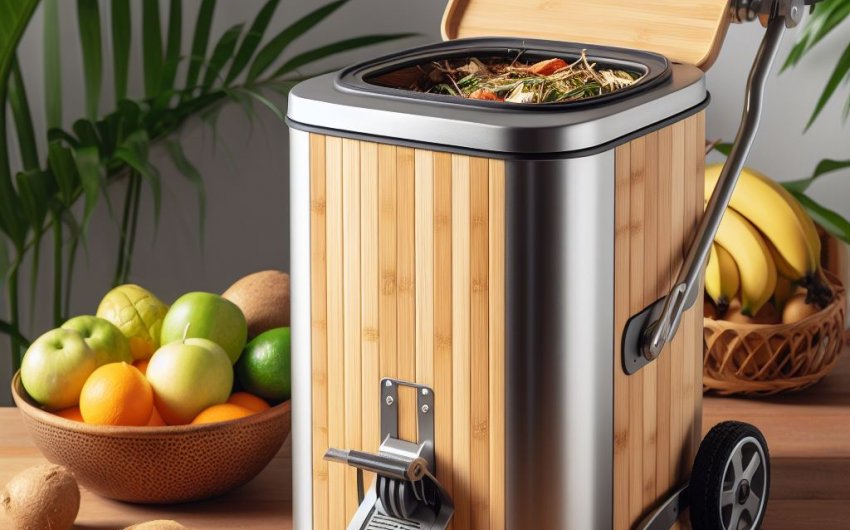
For odor-free composting, the most critical tips are to maintain a balanced ratio of "greens" (nitrogen) to "browns" (carbon), ensure adequate aeration, and manage moisture levels diligently. A healthy compost pile, undergoing active aerobic decomposition, should consistently smell earthy and fresh, never foul.
Why does a compost pile smell, and how can it be avoided?
A compost pile should ideally smell earthy, like freshly dug soil or a forest floor. If your compost pile is emitting foul or pungent odors, it's a clear sign that something is amiss in the decomposition process. Unpleasant smells are almost always due to an imbalance in the essential components needed for aerobic (oxygen-rich) decomposition. The good news is that these issues are typically easy to identify and fix, making odor-free composting entirely achievable.
What causes unpleasant smells in a compost pile?
Unpleasant smells in a compost pile are primarily caused by anaerobic decomposition, which occurs when the pile lacks sufficient oxygen. This happens when:
- Too much nitrogen ("greens"): An excess of wet, nitrogen-rich materials (like fresh grass clippings or many food scraps) without enough carbon-rich "browns" can quickly lead to a dense, soggy, oxygen-deprived environment. This results in an ammonia-like smell (like stale urine).
- Too much moisture: A compost pile that is too wet becomes saturated, filling the air pockets and displacing oxygen. This leads to a rotten egg or swampy smell.
- Lack of aeration: A pile that is too dense, compacted, or simply not turned often enough will run out of oxygen, causing anaerobic conditions.
- Forbidden materials: Adding meat, dairy, bones, fats, oils, or pet waste can create extremely foul odors, attract pests, and slow decomposition dramatically.
Can odor-free composting truly be achieved?
Yes, odor-free composting is absolutely achievable. A well-managed, aerobically active compost pile will smell earthy and pleasant. Any strong, offensive odor indicates a problem that needs to be addressed. By following best practices for balancing materials, aeration, and moisture, you can successfully maintain a compost pile that contributes beneficial nutrients to your garden without being a nuisance.
What is the right "greens to browns" ratio for odor-free composting?
Achieving the correct balance of "greens" (nitrogen-rich, moist) and "browns" (carbon-rich, dry) is the most fundamental secret to odor-free composting. This balance provides the optimal "diet" for the aerobic microorganisms that do the work.
What is the ideal Carbon-to-Nitrogen (C:N) ratio?
The scientific ideal Carbon-to-Nitrogen (C:N) ratio for hot, active, and odorless composting is approximately 25-30 parts carbon to 1 part nitrogen (25:1 to 30:1). This ensures that microorganisms have both the energy (carbon) and building blocks (nitrogen) they need to break down materials efficiently without producing smelly byproducts.
How do you achieve the right ratio in practice?
Since precisely measuring C:N ratios at home is impractical, rely on volume estimation:
- Aim for 2-3 parts brown materials to 1 part green materials by volume.
When adding new materials, especially kitchen scraps or fresh grass clippings, always have an equal or greater amount of dry, carbon-rich materials (like shredded leaves or newspaper) ready to add on top or mix in.
Typical C:N Ratios of Common Materials:
| Material Type | C:N Ratio | Category | Odor Impact if Excess |
|---|---|---|---|
| Fresh Grass Clippings | 12-25:1 | Green | Strong Ammonia |
| Kitchen Scraps | 15-20:1 | Green | Sour, putrid, attracts pests |
| Coffee Grounds | 20:1 | Green | Can be slightly acidic |
| Manure (Cow/Horse) | 5-25:1 | Green | Ammonia, strong |
| Dry Leaves | 40-80:1 | Brown | Slow decomposition |
| Shredded Newspaper | 170:1 | Brown | Very slow if no N |
| Straw | 40-100:1 | Brown | Slow decomposition |
How does proper aeration prevent compost odors?
Aeration, or providing sufficient oxygen, is the second most critical factor for odor-free composting. Anaerobic conditions, where oxygen is absent, are the primary cause of unpleasant smells.
Why is oxygen so vital for composting microorganisms?
The most efficient and beneficial microorganisms in a compost pile are aerobic, meaning they require oxygen to thrive. These microbes rapidly break down organic matter into odorless compounds like carbon dioxide and water. Without oxygen, these aerobic microbes die off, and anaerobic bacteria take over, producing smelly byproducts like methane, ammonia, and sulfur compounds.
How do you ensure good aeration in your compost pile?
- Regular turning: This is the most effective way to introduce oxygen throughout the pile. Turn your compost pile every few days to once a week for hot composting, or at least once a month for slower piles. Use a pitchfork or a compost aerator tool.
- Layering materials: Alternate layers of coarse browns and finer greens. This naturally creates air pockets.
- Chopping materials: Shredding or chopping materials into smaller pieces prevents matting and compaction, allowing air to circulate more freely.
- Bulking agents: Include bulky brown materials like straw, wood chips, or loosely crumpled cardboard, which create structural integrity and air channels.
- Compost bin design: Choose a compost bin that allows for good airflow, such as a wire mesh bin or a wooden slatted bin.
How does managing moisture prevent compost odors?
Maintaining the correct moisture level in your compost pile is crucial for odor-free composting. A pile that is too wet will quickly become anaerobic, while a pile that is too dry will halt decomposition.
What is the ideal moisture level for compost?
The ideal moisture level for a compost pile is comparable to a wrung-out sponge – consistently damp but not dripping wet. Microorganisms need water to survive and move around, but too much water fills the air pockets, leading to anaerobic conditions.
How do you maintain optimal moisture without odors?
- Add dry browns if too wet: If the pile appears soggy or slimy, mix in a generous amount of dry, carbon-rich materials like shredded leaves, newspaper, or straw. These will absorb excess moisture and provide much-needed carbon and aeration.
- Add water if too dry: If the pile feels dry and dusty, moisten it as you turn.
- Cover the pile: In very rainy climates, use a tarp or a bin lid to prevent the pile from becoming waterlogged. In dry climates, a cover helps retain essential moisture.
- Avoid adding overly wet greens: Squeeze excess water from very wet food scraps before adding them. Avoid adding large, wet clumps of fresh grass clippings; spread them out to dry first, or mix them thoroughly with dry browns. A compost thermometer can indicate activity; a cold, wet, smelly pile is often over-moist.
What materials should you absolutely avoid for odor-free composting?
Even with perfect C:N ratios, aeration, and moisture, certain materials should never enter your compost pile if you want to ensure it remains odor-free and healthy. These items are almost guaranteed to cause problems.
What are the "never compost" list items for odor control?
- Meat, bones, fish, dairy products: These decompose very slowly, attract pests (rodents, flies), and produce extremely foul odors as they putrefy.
- Fats, grease, oils: They attract pests, can coat other materials, slowing decomposition, and also create unpleasant smells.
- Pet waste (dog and cat feces): Contains pathogens and parasites that can be harmful to humans and should not be used in compost destined for gardens.
- Diseased plants: Can spread pathogens to your finished compost and then back to your garden.
- Weeds with mature seeds: Unless your compost pile is consistently hot (over 130°F), weed seeds may survive and germinate in your garden.
- Chemically treated materials: Grass clippings from recently sprayed lawns or chemically treated wood.
How does managing food scraps prevent odors in a compost bin?
Food scraps, especially fruit and vegetable waste, are prime "green" materials. Managing them correctly is crucial for odor-free composting, particularly in smaller or indoor bins.
How should you add kitchen scraps to the compost pile?
- Bury them: Always bury fresh kitchen scraps deep within the compost pile, ideally under 6-12 inches of existing compost or dry brown materials. This helps contain odors and deters pests like fruit flies.
- Chop into small pieces: Smaller pieces decompose faster, reducing the time they sit exposed and potentially smelling.
- Balance with browns: Immediately cover fresh food scraps with a generous layer of dry leaves, shredded newspaper, or straw. This provides carbon, absorbs moisture, and caps odors.
- Avoid large quantities: Don't add huge amounts of food scraps all at once. Spread additions out over time.
- **Use a dedicated kitchen compost caddy with a charcoal filter to store scraps temporarily before adding them to the main pile.
What alternatives exist for odor-free food waste management?
If traditional composting methods still present odor challenges, especially for urban dwellers or those with very limited space, there are excellent alternatives for managing food waste without smells.
What is "vermicomposting" (composting with worms) and is it odor-free?
Vermicomposting, or composting with red wiggler worms, is an excellent odor-free method for breaking down kitchen scraps, especially indoors.
- How it works: Worms consume food waste and bedding, converting it into rich, odorless "worm castings."
- Odor control: A properly managed worm bin (balanced food, moisture, bedding) should only smell earthy. Bad odors indicate an imbalance, usually too much wet food.
- Benefits: Produces high-quality compost year-round. An indoor worm composting bin is perfect for small spaces.
What is "Bokashi composting"?
Bokashi composting is a unique anaerobic fermentation process that uses an inoculant (often bran mixed with beneficial microorganisms) to ferment food scraps, including meat and dairy, in a sealed container.
- How it works: It pickles the food waste, preventing putrefaction and foul odors.
- Odor control: A properly sealed Bokashi bin should have a slightly sweet, pickly smell, not foul.
- Benefits: Can compost a wider range of materials than traditional composting. The fermented material then needs to be buried in the garden or added to a traditional compost pile to fully break down. You can buy a Bokashi composting kit.
What about burying food scraps directly (trench composting)?
Trench composting involves simply burying kitchen scraps directly into a garden bed or dedicated trench and covering them with soil.
- Odor control: The soil acts as a natural filter, effectively containing any odors.
- Benefits: Requires no special equipment, adds nutrients directly to the soil, and is completely out of sight.
Odor-free composting is entirely achievable by consistently applying a few core principles: maintaining the crucial balance of greens and browns, ensuring proper aeration through regular turning, and diligently managing moisture levels. By avoiding problematic materials and proactively troubleshooting common issues, your compost pile will remain a fresh, earthy-smelling hub of activity, transforming waste into a valuable asset for your garden without any unwelcome odors.