
Express Your Greenery: Stunning Flower Pot Designs
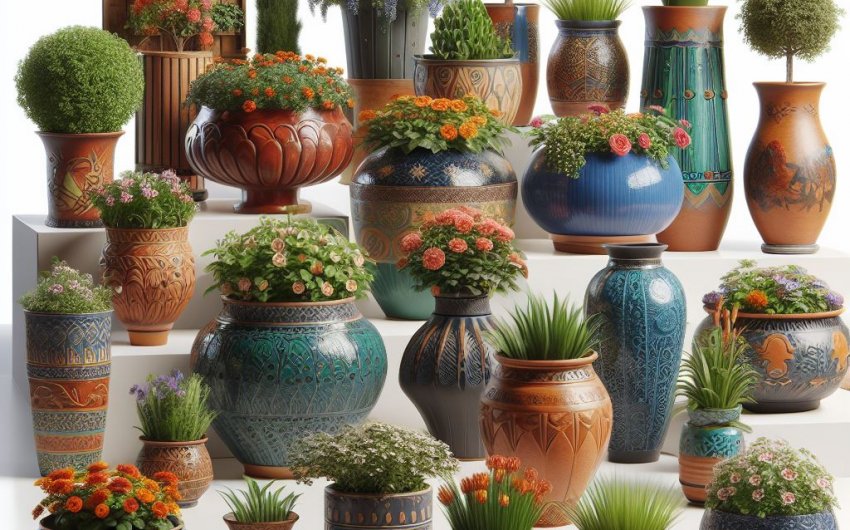
To express your greenery with stunning flower pot designs, select containers that not only meet your plants' needs but also complement your personal style and home aesthetics. Explore diverse materials like classic terracotta, modern concrete, vibrant glazed ceramics, or rustic metal to create captivating focal points that elevate your plant displays and infuse your space with unique charm.
Why do flower pot designs matter for expressing your greenery?
Flower pot designs are far more than just practical vessels; they are integral elements that dramatically influence how your greenery is expressed and perceived. A thoughtfully chosen pot transforms a simple plant into a captivating focal point, an artistic statement that enhances aesthetics, reflects personal style, and contributes significantly to the overall mood and visual intrigue of any indoor or outdoor space. They are truly the frame for your living art.
What defines a "stunning flower pot design"?
A stunning flower pot design goes beyond mere functionality, prioritizing aesthetic appeal, quality, and harmonious integration.
- Beyond Basic Utility: While proper drainage and size are essential, stunning designs elevate the pot to a piece of decor in itself.
- Aesthetic Impact: The pot's color, texture, shape, and material create a visual statement that complements or contrasts with the plant.
- Personal Expression: A stunning pot allows you to infuse your unique personality, artistic taste, or current design aesthetic into your plant display.
- Harmony and Contrast: The best designs create a balanced relationship with the plant, allowing both the pot and the greenery to shine, or creating a striking contrast for visual drama.
- Quality and Craftsmanship: Often made from premium materials or showcasing unique artisanal touches.
- Space Transformation: Turns ordinary corners, windowsills, or patios into curated, eye-catching displays.
What are the compelling benefits of using stunning flower pot designs?
Elevating your pot choices offers a multitude of advantages that enhance both aesthetics and plant well-being.
- Enhanced Aesthetics:
- Focal Points: Transforms plants into captivating art pieces that draw the eye.
- Complements Decor: Integrates seamlessly with your interior design or garden aesthetic, creating a cohesive look.
- Elevates Plants: A stunning pot can make even a simple plant look extraordinary, highlighting its form, color, or texture.
- Reflects Personal Style:
- DO: Showcases your unique taste and attention to detail, making your green space truly yours.
- Creates Visual Interest:
- DO: Adds texture, color, and form that enrich the overall visual appeal of your space.
- Space Transformation:
- DO: Turns bland corners, empty shelves, or ordinary patios into vibrant, curated displays.
- Durability and Longevity:
- DO: Often crafted from high-quality materials that withstand time and elements.
- Optimized Plant Health (with good design):
- Precise Watering: Many modern designs integrate self-watering features or ensure excellent drainage.
- Improved Aeration: Materials like unglazed ceramics (terra cotta) promote root health.
Stunning flower pot designs are integral to expressing your greenery, transforming plants into vibrant works of art and outdoor/indoor spaces into refined, personalized oases.
1. Classic Terracotta Pots: Earthy Charm and Timeless Appeal
Classic terracotta pots are an enduring and stunning flower pot design, celebrated for their earthy charm, timeless appeal, and unparalleled benefits for plant health. Crafted from porous, baked clay, these pots effortlessly express your greenery by providing a natural, rustic backdrop that complements vibrant foliage and colorful blooms, enhancing any garden aesthetic with understated elegance.
What makes classic terracotta pots so special?
Their natural material and traditional aesthetic offer a unique blend of beauty and functionality.
- Earthy, Natural Aesthetic (Core Benefit):
- DO: The characteristic reddish-brown color blends seamlessly with natural garden settings and beautifully contrasts with green foliage and colorful flowers.
- Why: Creates a warm, inviting, and classic look.
- Timeless Appeal:
- DO: Terra cotta pots have been used for centuries, making them a universally recognized symbol of gardening that never goes out of style.
- Why: Adds a sense of tradition and heritage.
- Porous Nature (Key for Plant Health):
- DO: The unglazed clay walls are inherently porous, allowing excess water to evaporate through the sides of the pot.
- Why: This promotes excellent drainage and aeration for plant roots, significantly reducing the risk of overwatering and dreaded root rot. Roots get more oxygen, leading to healthier growth.
- Temperature Regulation:
- DO: The evaporative cooling effect from water passing through the porous walls helps to keep the soil and roots cooler in hot weather.
- Why: Protects delicate root systems from overheating.
- Patina Development:
- DO: Over time, terra cotta develops a beautiful, weathered patina (often white mineral deposits or green moss).
- Why: Adds character, age, and natural charm.
- Weight:
- DO: Generally heavier than plastic pots, providing better stability for larger plants.
What plants truly blossom in classic terracotta pots?
Terra cotta's properties make it ideal for plants that prefer well-draining soil and a drier environment between waterings.
- Succulents and Cacti:
- DO: Agave, Aloe, Yucca, Echeveria, Sedum, Crassula (Jade Plant), most desert cacti.
- Why: They thrive in the fast-draining, breathable environment of terra cotta, which prevents root rot.
- A common option is Echeveria succulent plants.
- Aromatic Herbs and Mediterranean Plants:
- DO: Rosemary, Thyme, Oregano, Lavender, Sage.
- Why: These plants prefer drier, well-aerated soil conditions, which terra cotta readily provides.
- Geraniums (Pelargoniums):
- DO: Classic container plants that prefer their soil to dry out between waterings.
- Why: Prevents root rot.
- Fruiting Vegetables (with vigilant watering):
- DO: Tomatoes, Peppers. While thirsty, terra cotta ensures good aeration. Requires more frequent watering.
- Any Plant Prone to Overwatering:
- DO: If you consistently struggle with overwatering a specific plant, trying it in a terra cotta pot can be a simple solution.
Placement tips for classic terracotta pots:
- Versatility:
- DO: Blends seamlessly into virtually any garden aesthetic, from rustic cottage to formal Mediterranean.
- Sunny Locations:
- DO: Ideal for hot, sunny patios or window sills, as the evaporative cooling protects roots.
- Groupings:
- DO: Group pots of various sizes for visual interest.
- DO: Use them to define pathways or frame an entryway.
Care considerations for classic terracotta pots:
- Drainage Holes:
- DO: Always ensure they have ample drainage holes.
- Watering:
- DO: Water thoroughly, then allow the top few inches of soil to dry out (and a bit deeper for some plants) before watering again. Monitor soil moisture carefully, as terra cotta dries faster. Use a soil moisture meter.
- Frost-Proof (Check Label):
- DO: If using outdoors in cold climates, ensure the pot is explicitly labeled as "frost-proof." Standard terra cotta can crack in freezing temperatures if it absorbs water. Bring non-frost-proof pots indoors.
- Salt Buildup:
- DO: White mineral deposits (patina) may form on the outside. Clean with a stiff brush and vinegar solution if desired, or embrace the aged look.
By embracing classic terracotta pots, you choose an enduring and stunning flower pot design that enhances plant health, provides earthy charm, and allows your greenery to blossom in style with timeless appeal.
2. Modern Concrete and Stone Planters: Architectural Simplicity
Modern concrete and stone planters are a striking creative flower pot inspiration, embodying architectural simplicity and raw elegance. These robust containers, celebrated for their clean lines, subdued tones, and minimalist forms, effortlessly define sophistication, transforming plants into sculptural displays ideal for contemporary gardens and modern interiors.
What makes modern concrete and stone planters so captivating?
Their inherent materiality and unembellished forms contribute to their refined appeal.
- Clean Lines and Geometric Forms (Core Benefit):
- DO: Characterized by simple, strong geometric shapes (cubes, cylinders, low bowls, rectangular troughs) with crisp, clean edges.
- Why: Creates a modern, uncluttered, and sophisticated aesthetic that complements contemporary architecture.
- Raw, Earthy Materiality:
- DO: Often left in their natural gray concrete color, or with a subtle, earthy finish. Natural stone (granite, bluestone, limestone) provides a similar effect.
- Why: Highlights the beauty of the material itself, connecting to brutalist and naturalistic modern design, offering an authentic, grounded feel.
- Understated Palette:
- DO: Typically come in neutral colors (shades of gray, white, black, natural stone tones) that provide a serene, sophisticated backdrop for plants.
- Why: Allows the plant's form, texture, and subtle color variations to take center stage, rather than competing for attention.
- Durability and Longevity:
- DO: Extremely robust and weather-resistant, making them ideal for long-term outdoor use. They gracefully gain character and charm with age and weathering.
- Weight and Stability:
- DO: Naturally heavy, providing excellent stability for large, top-heavy plants and resisting tipping in windy conditions.
- Sculptural Presence:
- DO: Their strong, often monolithic forms make them look like architectural elements or garden sculptures even when empty.
What plants truly blossom in modern concrete and stone planters?
Choose plants with strong, architectural forms, interesting textures, or simple, elegant foliage that complement the pot's minimalist aesthetic.
- Architectural Succulents and Cacti:
- DO: Agave (Agave spp.), Aloe (Aloe spp.), Yucca (Yucca spp.), columnar cacti (e.g., Cereus peruvianus).
- Why: Their sharp forms, bold outlines, and drought tolerance create a stunning, high-contrast display with the sleek, solid planters.
- Ornamental Grasses:
- DO: Blue Fescue (Festuca glauca - blue-gray foliage), Karl Foerster Reed Grass (Calamagrostis x acutiflora - upright, columnar), Maiden Grass (Miscanthus sinensis - fine texture, graceful movement).
- Why: Their fine texture, movement, and upright or mounding forms soften the hard lines of the concrete while adding dynamism.
- Strong-Form Foliage Plants:
- DO: Snake Plant (Sansevieria spp.), ZZ Plant (Zamioculcas zamiifolia), Fiddle Leaf Fig (Ficus lyrata), large Peace Lily (Spathiphyllum spp.), Ferns (for shadier placements).
- Why: Their bold, often glossy leaves provide a lush, green contrast or a calming, consistent texture.
- A common option is snake plant large planter.
- Single Specimen Plants:
- DO: A meticulously pruned Japanese Maple, a small olive tree, or a single sculptural orchid (for indoor display).
- Why: Emphasizes the plant as a living art piece and the planter as its pedestal.
Placement tips for modern concrete and stone planters:
- Focal Points:
- DO: Place these pots in prominent, uncluttered areas: a modern patio, a front entrance, along a minimalist pathway, or as a central feature within a gravel garden.
- Why: Their strong forms command attention.
- Negative Space:
- DO: Allow ample clear space around the planters to emphasize their architectural quality and the plant's form. Avoid overcrowding.
- Groupings:
- DO: Group several planters of varying sizes or heights (often in odd numbers) for a cohesive and impactful display, maintaining the minimalist aesthetic.
- Complementary Materials:
- DO: Pair them with other modern materials like metal, glass, or dark wood in your decor or landscaping.
- Lighting:
- DO: Use subtle uplighting to highlight the texture and form of both the planter and the plant at night, adding drama.
Care considerations for modern concrete and stone planters:
- Drainage Holes:
- DO: Always ensure they have ample drainage holes to prevent root rot.
- Watering:
- DO: Water thoroughly, then allow the top few inches of soil to dry out before watering again. Monitor soil moisture carefully, as the dense materials retain moisture. Use a soil moisture meter.
- Weight:
- DO: Be mindful of their extreme weight. Use dollies for very large pieces. Plan placement carefully as they are difficult to move.
- Frost-Proof (Check Label):
- DO: Ensure concrete/stone planters are explicitly labeled as "frost-proof" if used outdoors in cold climates, as freezing water can cause cracking.
By choosing minimalist concrete and stone planters, you unveil an elegance that transforms your plant displays, adding architectural simplicity, raw elegance, and a sophisticated touch that truly defines refined style in your garden aesthetic.
3. Vibrant Glazed Ceramic Pots: Dynamic Color and Glossy Allure
Vibrant glazed ceramic pots are a stunning creative flower pot inspiration, injecting dynamic color and glossy allure into any garden aesthetic. These meticulously crafted containers transform plants into captivating focal points, adding an exquisite touch of vivaciousness, personality, and refined artistry to indoor and outdoor spaces, allowing your greenery to truly blossom in style.
What makes vibrant glazed ceramic pots so captivating?
Their brilliant finish and rich hues contribute to their luxurious and expressive appeal.
- Dynamic, Saturated Color (Core Benefit):
- DO: Characterized by intense, vibrant glazes in jewel tones (cobalt blue, emerald green, ruby red, amethyst purple), sunny yellows, or rich oranges.
- Why: Provides an immediate, powerful burst of color that draws the eye and creates stunning visual impact.
- Luminous Glossy Finish:
- DO: The smooth, glassy surface reflects light beautifully, adding a luminous quality and a sense of luxury.
- Why: Enhances the richness of the color and gives the pot a refined, polished look.
- Non-Porous Nature:
- DO: The glaze seals the ceramic, preventing water from evaporating through the pot walls.
- Why: Retains soil moisture longer than unglazed terra cotta, reducing watering frequency for many plants.
- Exceptional Durability:
- DO: High-fired glazed ceramic is dense, making it resistant to chips, cracks, and weathering (if frost-proof).
- Versatile Forms:
- DO: Available in a wide range of shapes, from classic urns to sleek modern cylinders, allowing for diverse design integration.
- Weight:
- DO: Generally heavier than plastic, providing excellent stability for larger plants.
What plants truly blossom in vibrant glazed ceramic pots?
Choose plants with complementary or contrasting colors that enhance the pot's dynamic presence.
- Lush Green Foliage Plants:
- DO: Snake Plant (Sansevieria spp.), ZZ Plant (Zamioculcas zamiifolia), Fiddle Leaf Fig (Ficus lyrata), Monstera (Monstera deliciosa), Dracaena (Dracaena spp.), Cast Iron Plant (Aspidistra elatior).
- Why: The rich, dark green foliage provides a beautiful, classic contrast to bold, vibrant glazed colors, allowing both plant and pot to pop.
- A common option is Monstera deliciosa large plant.
- Flowering Plants with Complementary or Contrasting Colors:
- DO: Orchids (Phalaenopsis spp.), Peace Lily (Spathiphyllum spp.), Anthurium (Anthurium spp.), African Violet (Saintpaulia spp.), Hydrangeas, Begonias, Impatiens, Petunias.
- Why: Their elegant blooms can perfectly match, subtly complement, or create a striking contrast with the glaze, enhancing both.
- Architectural Succulents/Cacti (for smaller pots):
- DO: Agave, Aloe, Yucca, Echeveria.
- Why: Their strong, sculptural forms stand out against a sleek, glossy backdrop.
- Small Trees/Shrubs (for outdoor use):
- DO: Japanese Maples, small conifers.
Placement tips for vibrant glazed ceramic pots:
- Focal Points:
- DO: Place these pots in prominent locations indoors (entryways, living rooms, dining tables) or outdoors (patios, front entrances, garden focal points) where their color can make a statement.
- Why: Their vibrant color commands attention.
- Color Matching:
- DO: Choose a glaze color that either matches an existing accent color in your decor, or provides a bold, intentional contrast.
- Grouping:
- DO: Group pots with complementary shapes and colors for a cohesive and impactful display.
- Lighting:
- DO: Position plants in appropriate light conditions. The glossy pot surface will subtly reflect ambient light, adding to its allure.
Care considerations for vibrant glazed ceramic pots:
- Drainage Holes:
- DO: Always ensure they have ample drainage holes to prevent root rot, as the non-porous material retains moisture.
- Watering:
- DO: Water thoroughly, then allow the top few inches of soil to dry out before watering again. Monitor soil moisture carefully, as the soil will dry slower than in terra cotta. Use a soil moisture meter.
- Weight:
- DO: Be mindful of their weight, especially when filled with soil. Use dollies for very large pots.
- Frost-Proof (Check Label):
- DO: If using outdoors in cold climates, ensure the pot is explicitly labeled as "frost-proof." High-fired stoneware usually is, but not all ceramic is. Non-frost-proof pots should be brought indoors.
By choosing vibrant glazed ceramic pots, you unveil an elegance that transforms your plant displays, adding dynamic color, glossy allure, and a sophisticated touch that truly defines refined style and expresses your greenery with stunning impact.
4. Rustic Metal Planters: Industrial Chic and Weathered Charm
Rustic metal planters are a striking creative flower pot inspiration, blending industrial chic with weathered charm. Crafted from materials like galvanized steel, antique copper, or naturally rusted iron, these containers effortlessly express your greenery by adding a rugged, textural backdrop that contrasts beautifully with soft foliage and vibrant blooms, enhancing urban, farmhouse, or modern garden aesthetics.
What makes rustic metal planters so captivating?
Their raw materiality and aged finishes contribute to their unique, sophisticated appeal.
- Industrial Chic Aesthetic (Core Benefit):
- DO: Characterized by the raw, often untreated or naturally weathered look of metal (e.g., galvanized steel's silvery sheen, antique copper's patination, rusted iron's earthy tones).
- Why: Creates a modern, urban, or farmhouse-inspired aesthetic that is both strong and understated.
- Textural Contrast:
- DO: The cool, hard surface of metal provides a strong, visually interesting contrast to the soft, organic forms of plants.
- Why: Highlights both the planter's material and the plant's beauty.
- Durability and Longevity:
- DO: Most metals are exceptionally robust and weather-resistant, making them ideal for long-term outdoor use. They gain character with age and weathering.
- Versatile Forms:
- DO: Available in a range of shapes, from classic buckets and troughs to modern geometric forms.
- Weight (Variable):
- DO: Weight varies from relatively light (aluminum) to very heavy (iron, thick steel), offering options for portability or stability.
- Patina Development (often desired):
- DO: For raw metals (like copper or iron), they develop a beautiful, natural patina over time (e.g., green on copper, rusty red on iron).
- Why: Adds character, age, and a unique, dynamic finish.
What plants truly blossom in rustic metal planters?
Choose plants that provide a strong contrast in color or softness, or those that thrive in the specific conditions metal might create.
- Lush Foliage Plants:
- DO: Hostas (for shade), Ferns, Elephant Ears (Colocasia spp.), Sweet Potato Vine (Ipomoea batatas - trailing), Pothos.
- Why: Their soft, lush, often vibrant green leaves provide a beautiful organic contrast to the industrial metal.
- Colorful Flowering Annuals:
- DO: Petunias, Impatiens, Lobelia, Marigolds, Zinnias, Geraniums (Pelargoniums).
- Why: Their bright, continuous blooms pop against the neutral or rusty tones of the metal, creating a stunning display.
- A common option is Zinnia elegans mix seeds.
- Architectural Succulents and Cacti:
- DO: Agave, Aloe, Yucca, Sedum.
- Why: Their sharp forms and bold outlines create a stunning, high-contrast display with the sleek or rustic metal.
- Ornamental Grasses:
- DO: Blue Fescue (Festuca glauca - blue-gray foliage), Karl Foerster Reed Grass, Maiden Grass.
- Why: Their fine texture and movement soften the metal's hardness while adding dynamism.
- Herbs:
- DO: Rosemary, Thyme, Mint.
- Why: Many herbs thrive in well-drained conditions.
Placement tips for rustic metal planters:
- Urban and Industrial Settings:
- DO: Place these planters on patios, balconies, rooftops, or in gardens with an industrial-chic aesthetic.
- Farmhouse and Rustic Gardens:
- DO: Blend seamlessly with weathered wood, brick, and natural stone.
- Focal Points:
- DO: Use larger metal troughs or tubs as striking focal points or elevated garden beds.
- Grouping:
- DO: Group different sizes and forms of metal planters for a cohesive display.
Care considerations for rustic metal planters:
- Drainage Holes:
- DO: Always ensure they have ample drainage holes to prevent root rot. If a metal container lacks holes, you may need to drill them.
- Heat Absorption (Outdoor):
- DO: Darker metals can absorb significant heat in direct sun, potentially cooking roots. In very hot climates, choose lighter metals (galvanized steel), provide some afternoon shade, or insulate the interior (e.g., with styrofoam).
- Why: Protects delicate roots.
- Rust and Leaching:
- DO: For untreated iron or Corten steel, be aware that initial rust runoff can stain surrounding surfaces (patios, decks). Use pot feet or protect surfaces.
- Why: The rust is part of the aesthetic but needs managing.
- Watering:
- DO: Water thoroughly, then allow the top few inches of soil to dry out. Monitor soil moisture carefully, as metal retains moisture.
By choosing rustic metal planters, you unveil an elegance that transforms your plant displays, adding industrial chic, weathered charm, and a sophisticated touch that truly defines refined style and expresses your greenery with stunning impact.
5. Elevated and Pedestal Planters: Height, Drama, and Accessibility
Elevated and pedestal planters are an innovative creative flower pot inspiration that transforms plant displays by adding height, drama, and enhanced accessibility. These designs lift plants off the ground, turning them into prominent focal points that elevate aesthetics, improve ergonomics, and infuse an outdoor oasis or indoor space with a sophisticated sense of grandeur and intention.
Why are elevated and pedestal planters so captivating?
Their raised stature provides both aesthetic and practical benefits.
- Dramatic Visual Impact (Core Benefit):
- DO: Elevate plants to eye level or above, creating a striking focal point that draws immediate attention.
- Why: Adds grandeur, sophistication, and a sense of deliberate design, transforming an ordinary plant into a sculptural element.
- Adds Vertical Interest:
- DO: Breaks up flat landscapes or surfaces, adding depth and dynamism to your garden aesthetic.
- Why: Lifts plants into the visual plane, making them more prominent.
- Ergonomics and Accessibility:
- DO: Brings plants up to a comfortable working height, reducing bending and kneeling for watering, pruning, and inspecting.
- Why: Ideal for gardeners with mobility challenges or for displaying herbs/small edibles at kitchen height.
- Optimal Drainage:
- DO: Elevated planters naturally have superior drainage, as gravity assists water flow.
- Why: Reduces the risk of root rot, especially for plants prone to overwatering.
- Separation from Ground Pests:
- DO: Lifts plants away from ground-dwelling pests (e.g., slugs, snails).
- Defines Space:
- DO: Can clearly delineate an entryway, border, or patio corner.
- Temperature Buffering:
- DO: Large, elevated planters can offer some insulation from ground temperatures, especially if the pedestal is also substantial.
What types of elevated and pedestal planters are best?
Designs vary from classic to modern, suiting different aesthetics.
- Classic Urns on Pedestals:
- DO: Ornate cast stone, concrete, or terracotta urns placed on matching pedestals.
- Why: Creates a grand, formal, and traditional aesthetic.
- A common option is garden urn planters with pedestals.
- Modern Elevated Planter Boxes:
- DO: Sleek, often rectangular or square planter boxes made from metal, wood (e.g., cedar, composite), or concrete, with integrated legs or stands.
- Why: Complements modern and minimalist garden aesthetics, providing clean lines.
- Tall Planters/Troughs:
- DO: Single, tall, narrow planters or long troughs that achieve height through their inherent design.
- Why: Offers a contemporary, space-saving solution.
- Plant Stands:
- DO: Utilize decorative plant stands indoor outdoor made from wrought iron, wood, or metal to elevate existing pots.
- Why: A versatile and flexible way to add height.
- Self-Watering Elevated Planters:
- DO: Some elevated planter boxes incorporate self-watering reservoirs, combining height with reduced watering frequency.
What plants truly blossom in elevated and pedestal planters?
Choose plants with a dramatic presence, trailing habit, or structural form.
- Trailing/Spilling Plants:
- DO: Petunias, Lobelia, Sweet Potato Vine (Ipomoea batatas), Ivy, Bacopa, Verbena.
- Why: Cascade beautifully over the edges, softening the hard lines of the planter and creating an overflowing, abundant look.
- Focal Point Flowers:
- DO: Geraniums (Pelargoniums), Begonias, Impatiens (for shade), African Violets (indoors).
- Why: Their vibrant, continuous blooms are perfectly showcased at eye level.
- Architectural Plants:
- DO: Succulents (Agave, Yucca, tall Echeveria), Snake Plant (Sansevieria spp.), Ornamental Grasses (e.g., Pink Muhly, Blue Fescue).
- Why: Their strong forms are highlighted when elevated.
- Herbs:
- DO: Rosemary (upright), Basil, Mint (trailing), Thyme.
- Why: Easy to access for harvesting.
Placement tips for elevated and pedestal planters:
- Entryways:
- DO: Place symmetrically on either side of a front door or gate for a grand, welcoming statement.
- Patios/Decks:
- DO: Use as centerpieces on tables, or to define corners and borders of outdoor living areas.
- Garden Beds:
- DO: Integrate into garden beds as a strong focal point, drawing the eye upward.
- Indoors:
- DO: Use smaller pedestal planters to elevate houseplants, enhancing their prominence.
Care considerations for elevated and pedestal planters:
- Drainage Holes:
- DO: Always ensure they have ample drainage holes.
- Weight and Stability:
- DO: Be mindful of the weight of large planters, especially when filled with wet soil. Use dollies for moving. Ensure pedestals are stable.
- Watering:
- DO: Water thoroughly, then allow the top few inches of soil to dry out before watering again. Monitor soil moisture carefully, as elevated planters can dry out faster (especially in sun/wind).
- Frost-Proof (Check Label):
- DO: If using outdoors in cold climates, ensure the planter is explicitly labeled as "frost-proof."
By choosing elevated and pedestal planters, you unveil an elegance that transforms your plant displays, adding height, drama, and accessibility, and a sophisticated touch that truly defines refined style and expresses your greenery with stunning impact.