
Infuse Charm into Your Garden: Captivating Garden Decor Ideas
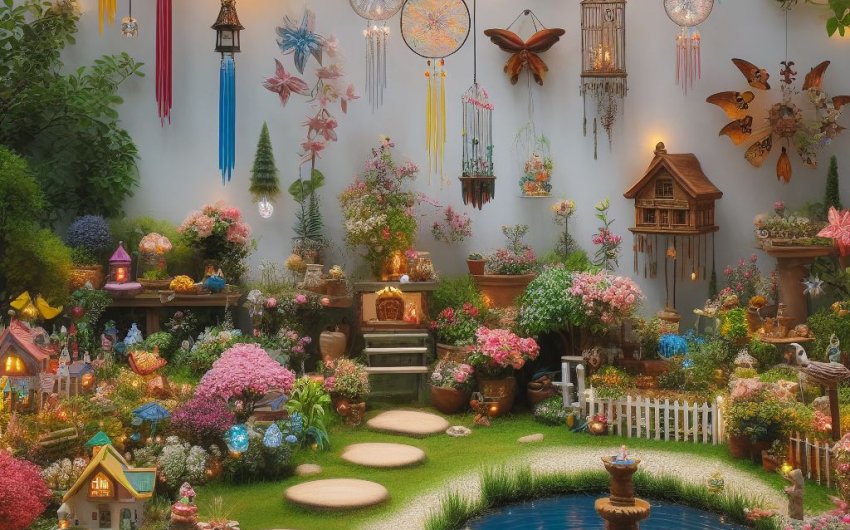
To infuse charm into your garden, captivating garden decor ideas focus on selecting and strategically placing elements that enhance aesthetics, reflect personal style, and evoke emotion. This involves using focal points like sculptures and water features, integrating whimsical accents, illuminating pathways with enchanting lighting, and choosing unique containers to transform your outdoor oasis into a personalized sanctuary.
Why is captivating garden decor essential for transforming your outdoor oasis?
Captivating garden decor is far more than just adding pretty objects; it's an essential element that transforms an ordinary outdoor space into an enchanting oasis, infusing it with charm, personality, and a sense of wonder. Thoughtfully chosen and strategically placed, these decorative elements elevate aesthetics, create focal points, reflect personal style, and invite lingering, making your garden a true extension of your home and a joy to experience in every season.
What defines "captivating garden decor" in landscape design?
Captivating garden decor transcends basic ornamentation, aiming for a deeper, more impactful engagement with the space.
- Evokes Emotion:
- DO: Creates a specific mood (e.g., serene, whimsical, dramatic, playful) that resonates with the viewer.
- Enhances Aesthetics:
- DO: Complements plant choices, hardscaping, and architectural elements, unifying the design.
- Reflects Personal Style:
- DO: Infuses your garden with your unique personality, interests, and artistic flair.
- Adds Visual Interest:
- DO: Provides texture, color, form, and unexpected elements that intrigue the eye and encourage exploration.
- Focal Points:
- DO: Draws the eye to specific areas, creating anchors within the landscape.
- Narrative and Discovery:
- DO: Can tell a story, spark imagination, or reveal itself subtly, adding an element of surprise.
- Year-Round Appeal:
- DO: Offers beauty and interest even when plants are dormant in winter.
What are the compelling benefits of incorporating captivating garden decor?
Integrating well-chosen decor offers a suite of advantages that elevate any outdoor space.
- Transforms Space:
- DO: Turns a simple garden into a personalized sanctuary, an outdoor room, or a gallery.
- Boosts Curb Appeal and Home Value:
- DO: A beautifully decorated garden enhances the overall visual attractiveness of your property, leaving a lasting positive impression.
- Extends Living Space:
- DO: Creates inviting areas for relaxation, entertaining, and contemplation.
- Engages the Senses:
- DO: Beyond visual, decor can add sound (wind chimes, fountains), or tactile interest (textured sculptures).
- Reduces Perceived Size (for large gardens):
- DO: Well-placed focal points can break up large, overwhelming spaces.
- Adds Scale and Proportion:
- DO: Helps define the relative sizes of plants and other features.
By understanding the profound impact of captivating garden decor, gardeners can actively shape their outdoor oasis, infusing it with charm, personality, and a continuous sense of enchantment.
1. Water Features: Soothing Sounds and Reflective Beauty
Water features are arguably the most captivating garden decor ideas, instantly infusing charm and tranquility into any outdoor oasis. From the soothing sounds of a bubbling fountain to the reflective beauty of a still pond, water elements create a focal point, attract wildlife, and add a dynamic, sensory richness that profoundly transforms your garden aesthetic.
Why are water features so enchanting in a garden?
Water features engage multiple senses and bring a unique vitality to the landscape.
- Soothing Sounds (Core Benefit):
- DO: The gentle trickle, splash, or babbling of water creates a calming, meditative atmosphere that masks urban noise and reduces stress.
- Why: Engages the sense of hearing, promoting relaxation and tranquility.
- Reflective Beauty:
- DO: Still ponds or basins reflect the sky, surrounding plants, and light, adding depth, dimension, and luminosity to the garden.
- Why: Creates a dynamic visual element that changes with the light and time of day.
- Attracts Wildlife:
- DO: Water features are magnets for birds, butterflies (for puddling), dragonflies, and other beneficial insects.
- Why: Brings life, movement, and sound into the garden, enhancing biodiversity.
- Focal Point:
- DO: A well-placed water feature naturally draws the eye, acting as a captivating anchor in the landscape.
- Adds Humidity:
- DO: Can slightly increase humidity in the immediate vicinity, benefiting some plants.
- Versatile Aesthetic:
- DO: Can be designed to complement any garden style, from formal and classical to rustic and modern minimalist.
What are popular and easy water feature ideas for DIYers?
You don't need a massive pond to enjoy the benefits of water.
- Self-Contained Fountains:
- DO: Purchase a freestanding, self-contained fountain unit. They come in various sizes and styles (tiered, bubbling, cascading).
- Why: Easy to install (just fill with water and plug in/solar power), requires minimal plumbing, no digging required.
- Placement: On a patio, in a garden bed, near an entryway.
- A common option is outdoor patio self-contained fountain.
- Bubbling Rocks or Urns:
- DO: A pump circulates water up through a drilled rock or urn, creating a gentle bubbling effect as water cascades down into a hidden reservoir.
- Why: Very low maintenance, natural sound, safe for kids/pets as water is contained.
- A good option is outdoor bubbling rock fountain.
- Bird Baths:
- DO: A classic and simple way to add water. Choose a decorative or natural stone bird bath.
- Why: Attracts birds, provides a simple visual focal point.
- Enhancement: Add a small solar-powered bubbler for movement and to attract more birds.
- Container Ponds:
- DO: Use a large, watertight container (half whiskey barrel, stock tank, large glazed pot) as a miniature pond. Add a few aquatic plants (e.g., water lily, marginal plants), and maybe a small solar pump for a gentle fountain effect.
- Why: Great for small spaces, easy to set up.
- Bamboo Water Features (Shishi-odoshi):
- DO: Traditional Japanese bamboo features create a rhythmic "clack" sound as water fills and empties.
- Why: Adds a unique sound element and tranquil aesthetic.
- Puddling Stations for Butterflies:
- DO: Place a shallow dish filled with sand and just enough water to keep it moist. Add a few flat rocks.
- Why: Attracts butterflies seeking water and minerals. A good option is butterfly puddling station kit.
Placement tips for water features:
- Consider Sound:
- DO: Place where you can hear the water from a seating area or open window.
- Visibility:
- DO: Position as a focal point or along a pathway.
- Shade (for ponds):
- DO: Some shade reduces algae growth in ponds.
- Power Source:
- DO: For electric pumps, ensure easy access to an outdoor GFCI outlet. Consider solar-powered options to avoid wiring.
By integrating water features, you infuse your garden with captivating charm, providing soothing sounds, reflective beauty, and a vibrant hub for wildlife, truly transforming your outdoor oasis.
2. Garden Sculptures: Artistic Flair and Year-Round Interest
Garden sculptures are captivating garden decor ideas that inject artistic flair and provide year-round interest, transforming an ordinary outdoor space into an enchanting gallery. From classical statues to modern abstract forms, thoughtfully chosen and strategically placed sculptures enhance aesthetics, evoke emotion, and add enduring character to your garden, regardless of the season.
Why are garden sculptures more than just ornaments?
Garden sculptures are living art pieces that interact dynamically with their surroundings.
- Focal Points (Core Benefit):
- DO: A well-placed sculpture immediately draws the eye, providing a clear point of interest and directing the viewer's gaze within the garden.
- Why: Anchors the landscape and creates visual drama.
- Year-Round Interest:
- DO: Unlike ephemeral flowers, sculptures provide structure, form, and visual appeal even when plants are dormant in winter, or when blooms are scarce.
- Why: Ensures continuous beauty and intrigue.
- Reflects Personal Style:
- DO: Sculptures are a powerful way to infuse your garden with your unique personality, taste, and interests, making the space truly yours.
- Introduces Texture and Form:
- DO: They bring contrasting textures (e.g., smooth metal against rough bark, intricate carvings against soft foliage) and strong, defined shapes that enhance the organic forms of plants.
- Evokes Emotion and Narrative:
- DO: Abstract pieces can inspire contemplation, while figurative sculptures can tell a story, add whimsy, or create a specific mood (e.g., serenity, playfulness).
What popular styles of garden sculptures add charm?
Various sculptural styles complement diverse garden aesthetics.
- Classical Statues and Figurines:
- DO: Traditional figures (e.g., cherubs, angels, Roman busts) often in stone, marble, or cast concrete.
- Aesthetic: Timeless, formal, elegant. Perfect for classical or traditional gardens.
- A good option is classical garden cherub statue.
- Modern and Abstract Sculptures:
- DO: Pieces characterized by clean lines, geometric forms, or flowing curves, often in metal, polished stone, or concrete.
- Aesthetic: Contemporary, sophisticated, minimalist. Ideal for modern gardens.
- Rustic and Folk Art Sculptures:
- DO: Handcrafted pieces made from reclaimed wood, metal, ceramics, or found objects. Includes whimsical animals, primitive figures, or repurposed garden tools.
- Aesthetic: Whimsical, charming, naturalistic. Perfect for cottage, farmhouse, or woodland gardens.
- A common option is rustic metal garden sculpture whimsical.
- Asian-Inspired Sculptures:
- DO: Traditional elements like Buddha statues, pagodas, stone lanterns, or cranes.
- Aesthetic: Serene, contemplative, culturally rich. Ideal for Zen or Japanese gardens.
- Animal and Wildlife Sculptures:
- DO: Realistic or whimsical depictions of birds, rabbits, frogs, etc., often in metal, stone, or resin.
- Aesthetic: Playful, naturalistic. Good for wildlife, cottage, or naturalistic gardens. A common option is garden bird statue metal.
Placement tips for effective garden sculptures:
- Focal Point:
- DO: Place in prominent locations: at the end of a pathway, in the center of a bed, or defining a distinct zone.
- Contrast and Harmony:
- DO: Pair with plants that offer a pleasing contrast in texture (e.g., smooth metal with feathery grass) or form (geometric sculpture with organic planting).
- Negative Space:
- DO: Allow ample clear space around the sculpture so it stands out and isn't lost in clutter.
- Viewpoints:
- DO: Consider how the sculpture will be viewed from different angles (patio, window, pathway).
- Lighting:
- DO: Use subtle uplighting to illuminate the sculpture at night, creating drama and highlighting its form. A solar powered garden spotlight can work wonders.
Care considerations for garden sculptures:
- Material Durability:
- DO: Choose materials (stone, metal, concrete) that can withstand your climate. Ensure stone/concrete is frost-proof if outdoors in cold regions.
- Regular Cleaning:
- DO: Clean with water and a soft brush to remove dirt, algae, or bird droppings. Avoid harsh chemicals.
- Winter Protection (for sensitive materials):
- DO: Bring fragile or non-frost-proof pieces indoors in winter.
By strategically integrating garden sculptures, you infuse your garden with captivating charm, providing artistic flair, year-round interest, and a profound sense of personality that truly transforms your outdoor oasis into an enchanting space.
3. Whimsical Accents: Playfulness and Personality
Whimsical accents are captivating garden decor ideas that inject playfulness, personality, and a sense of delightful surprise into your outdoor oasis. From charming fairy garden elements to quirky repurposed items, these touches create an enchanting aesthetic that celebrates individuality, evokes joy, and invites exploration, making your garden truly unique and magical.
What defines whimsical accents in garden decor?
Whimsical accents are unexpected, often playful, and can add a touch of fantasy or humor.
- Playful and Quirky:
- DO: Characterized by elements that evoke a sense of fun, fantasy, or lightheartedness.
- Why: Adds charm and a sense of delight.
- Unexpected Materials/Forms:
- DO: Often use repurposed items, bright colors, or unusual shapes.
- Why: Creates a sense of surprise and individuality.
- Storytelling:
- DO: Can imply a narrative (e.g., a fairy garden, gnomes hiding).
- Why: Engages imagination and encourages discovery.
- Subtle vs. Bold:
- DO: Can be tiny, hidden gems or larger, more overt statements.
- Personal Expression:
- DO: Reflects the gardener's unique sense of humor, creativity, or inner child.
What are popular and easy whimsical accent ideas?
You don't need to spend a lot to add charm and playfulness.
- Fairy Garden Elements:
- DO: Create a miniature world with tiny houses, benches, bridges, and fairy figurines tucked into a planter or secluded garden bed.
- Why: Adds a magical, enchanting touch that appeals to all ages.
- A common option is miniature fairy garden accessories.
- Garden Gnomes and Statuary:
- DO: Classic garden gnomes, playful animal figurines (frogs, turtles, squirrels), or whimsical creature statues.
- Why: Adds traditional garden whimsy.
- Repurposed and Upcycled Items:
- DO: Turn old teapots, colanders, rain boots, or tires into planters. Use old wagon wheels, rusty metal signs, or vintage tools as decorative elements.
- Why: Eco-friendly, cost-effective, and creates unique, one-of-a-kind art.
- A good option is repurposed garden planters rustic.
- Wind Chimes and Garden Spinners:
- DO: Hang wind chimes with melodious tones or add colorful garden spinners.
- Why: Adds sound, movement, and visual interest, engaging multiple senses.
- Reflective Spheres (Gazing Balls):
- DO: Place gazing balls on pedestals or nestled among plants.
- Why: Adds sparkle, reflects the garden, and creates visual intrigue.
- Decorative Stepping Stones:
- DO: Create or buy stepping stones with imprinted leaves, paw prints, or whimsical designs.
- Why: Guides pathways playfully.
- Bottletrees:
- DO: Arrange colorful glass bottles on the branches of a dead tree limb or rebar structure.
- Why: Catches light, creates sparkle, and has a folk art aesthetic.
- Birdhouses and Bird Feeders (Decorative):
- DO: Choose charming, decorative birdhouses or feeders.
- Why: Attracts birds and adds a quaint touch.
Placement tips for whimsical accents:
- Sense of Discovery:
- DO: Place accents partially hidden along a path, behind foliage, or nestled in a secluded nook. This invites exploration.
- Grouping:
- DO: Group similar items together (e.g., a collection of colorful glass bottles, a family of gnomes) to create a more impactful display.
- Vary Heights:
- DO: Place some accents at ground level, some at mid-level (e.g., on a plant stand), and some hanging for dynamic interest.
- Complementary Style:
- DO: Ensure whimsical accents complement your overall garden aesthetic (e.g., rustic gnomes in a cottage garden, sleek metal birds in a modern garden).
- Lighting:
- DO: Use subtle solar lights to illuminate hidden treasures at night.
Care considerations for whimsical accents:
- Weather Resistance:
- DO: Choose materials that can withstand outdoor conditions (rain, sun, cold). Bring delicate items indoors in winter.
- Secure Placement:
- DO: Ensure items are securely placed so they don't fall or blow away in wind.
- Cleanliness:
- DO: Clean regularly to remove dirt, cobwebs, or bird droppings.
By strategically incorporating whimsical accents, you infuse your garden with captivating charm, adding playfulness, personality, and a delightful sense of surprise that truly transforms your outdoor oasis into an enchanting and unique space.
4. Outdoor Lighting: Ambiance, Safety, and Extended Enjoyment
Outdoor lighting is a captivating garden decor idea that profoundly infuses charm into your outdoor oasis, transforming it from a daytime display into an enchanting evening sanctuary. Thoughtfully placed lights enhance ambiance, ensure safety, add a layer of security, and extend the enjoyment of your garden long after the sun sets.
Why is outdoor lighting so impactful for garden aesthetics and functionality?
Lighting truly unveils the magic of your garden at night, creating a whole new dimension of beauty.
- Extended Enjoyment (Core Benefit):
- DO: Lighting extends the hours you can enjoy your garden, making it an inviting space for evening entertaining, relaxation, or quiet contemplation.
- Enhanced Aesthetics:
- DO: It highlights key architectural features of your home, draws attention to focal points in your garden (e.g., sculptures, specimen trees), and creates dramatic shadows and visual depth.
- Why: Transforms the garden's appearance after dark, showcasing its beauty in a new light.
- Safety:
- DO: Well-lit pathways, steps, and entryways prevent trips and falls, making your garden safer for residents and guests.
- Why: Crucial for navigating your property in the dark.
- Security:
- DO: Strategically placed lighting illuminates dark corners and entry points, deterring potential intruders.
- Why: Increases visibility and peace of mind.
- Creates Ambiance:
- DO: A warm, inviting glow from outdoor lights creates a cozy, magical, and sophisticated atmosphere.
What are popular and easy outdoor lighting ideas?
Various lighting types serve different purposes, from subtle accents to bright security.
- Pathway Lighting:
- DO: Install low-voltage pathway lights or solar lights along your garden paths, walkways, and steps. Space them evenly to avoid dark spots.
- Why: Clearly illuminates the walking surface, preventing trips and guiding visitors safely. Enhances ambiance.
- A common option is solar powered pathway lights outdoor.
- Accent Lighting / Uplighting:
- DO: Use subtle uplights or spotlights to illuminate a beautiful specimen tree, a garden sculpture, a striking shrub, a textured wall, or a focal point.
- Why: Creates dramatic shadows, highlights texture, and adds a sense of depth and artistry.
- String Lights / Fairy Lights:
- DO: Drape outdoor string lights under a pergola, along a fence, through tree branches, or above a patio or seating area.
- Why: Creates a festive, cozy, magical, and inviting ambiance.
- DO: Use delicate, battery-operated LED fairy lights for smaller, whimsical touches.
- Deck and Step Lighting:
- DO: Install small, recessed LED lights along steps, deck railings, or under capstones of low walls.
- Why: Adds both safety and subtle ambiance.
- Entryway Lighting:
- DO: Ensure your porch light and any outdoor sconces by the front door are clean, working, and provide good illumination.
- Why: Essential for a welcoming and secure entrance.
- Motion-Sensor Lighting (for security):
- DO: Install motion-sensor lights in key areas (e.g., near garages, side entries, or dark corners).
- Why: Provides an immediate burst of light when motion is detected, deterring intruders and alerting you to activity.
Placement tips for effective garden lighting:
- Layer Lighting:
- DO: Combine different types of lights (path, accent, string, security) for a balanced, multi-dimensional effect.
- Consider Viewpoints:
- DO: Plan how the lighting will appear from inside your home and from various points in the garden.
- Avoid Glare:
- DO: Position lights so they illuminate features, not directly into viewers' eyes. Use shields or aim lights downwards.
- Hide Fixtures:
- DO: Conceal the light source itself (e.g., hide spotlights behind plants or rocks) so only the effect of the light is visible.
- Balance Light and Shadow:
- DO: Strategic shadows can add drama and texture. Avoid over-illuminating everything.
Care considerations for outdoor lighting:
- Weather Resistance:
- DO: Purchase outdoor-rated fixtures that can withstand rain, wind, and temperature extremes.
- Safety:
- DO: Ensure all electrical wiring is properly installed by a qualified electrician (for line-voltage) or is low-voltage and safely buried.
- DO: Use GFCI (Ground Fault Circuit Interrupter) outlets for all outdoor electrical connections.
- Regular Cleaning:
- DO: Clean light fixtures regularly to remove dirt, dust, and spiderwebs, ensuring optimal light output.
- Energy Efficiency:
- DO: Choose LED lights for their low energy consumption and long lifespan.
- DO: Use timers or smart controls to turn lights on/off automatically.
By strategically integrating outdoor lighting, you infuse your garden with captivating charm, transforming it into an enchanting oasis that provides ambiance, safety, and extended enjoyment, unveiling its beauty both day and night.
5. Unique Containers and Planters: Personal Flair and Visual Interest
Unique containers and planters are a captivating garden decor idea that injects personal flair and vibrant visual interest into any outdoor oasis. Moving beyond standard pots, these creative vessels become decorative elements themselves, elevating your plants, complementing your style, and transforming ordinary corners into enchanting, eye-catching displays.
Why are unique containers essential for expressing your style?
Containers are a direct extension of your personality, offering versatile design opportunities.
- Personal Expression (Core Benefit):
- DO: Showcase your unique taste, creativity, and preferred aesthetic (e.g., rustic, modern, whimsical, vintage).
- Focal Points:
- DO: A striking container, especially when beautifully planted, immediately draws the eye, acting as a captivating anchor in the landscape.
- Adds Color, Texture, and Form:
- DO: The container itself introduces additional layers of visual interest, enriching the garden's palette and tactile qualities.
- Versatile Design:
- DO: Can be used to highlight specific plants, add seasonal color, or fill gaps in garden beds.
- Space Maximization:
- DO: Ideal for small backyards or patios, allowing you to grow a variety of plants without needing in-ground beds.
- Mobility:
- DO: Easily move containers to optimize sun exposure, create new arrangements, or bring plants indoors for winter.
What are popular and easy unique container ideas?
Think outside the box to find vessels that resonate with your style.
- Vibrant Glazed Ceramic Pots:
- DO: Choose pots with rich, saturated glazes in jewel tones (cobalt blue, emerald green, ruby red) or deep, glossy neutrals.
- Why: Provides an immediate, powerful burst of color and a luminous, sophisticated finish.
- A common option is blue ceramic garden pot glazed.
- Rustic Metal Planters:
- DO: Use galvanized buckets, old watering cans, troughs, or planters made from naturally rusted Corten steel or aged copper.
- Why: Adds industrial chic, farmhouse charm, and a rugged texture that contrasts beautifully with soft plants.
- A good option is galvanized metal planter trough.
- Modern Concrete and Stone Planters:
- DO: Opt for simple, geometric shapes (cubes, cylinders, low bowls) in natural gray concrete or polished stone.
- Why: Embodies architectural simplicity, raw elegance, and complements contemporary design.
- Wooden Planters:
- DO: Use whiskey barrels, reclaimed wood boxes, cedar planter boxes, or wooden troughs.
- Why: Offers natural warmth, rustic charm, and complements cottage or woodland gardens.
- Upcycled and Repurposed Items:
- DO: Turn old tires (painted brightly), colanders, teapots, old toolboxes, or even a pair of rain boots into whimsical planters.
- Why: Sustainable, cost-effective, and creates truly unique, one-of-a-kind art.
- Hanging Baskets and Vertical Planters:
- DO: Utilize decorative hanging baskets (wire, macrame) or wall-mounted vertical planters.
- Why: Maximizes space, creates lush vertical displays, and adds dynamic visual flow.
- Unusual Planters:
- DO: Seek out unique planters made from unexpected materials like woven rattan, glass terrariums, or hand-sculpted ceramic faces.
Placement tips for unique containers and planters:
- Focal Points:
- DO: Place a single, stunning container with a star plant at your entryway, on a patio, or at a key visual point in a garden bed.
- Grouping:
- DO: Group several containers of varying sizes, materials, and heights to create a cohesive and impactful display (often in odd numbers).
- Height Variation:
- DO: Use plant stands, pedestals, or blocks to elevate some pots, adding vertical interest.
- Seasonal Rotation:
- DO: Rotate containers seasonally, bringing different plants or colors to the forefront.
Care considerations for unique containers:
- Drainage Holes:
- DO: Always ensure pots have ample drainage holes (drill if necessary) to prevent root rot.
- Plant-Specific Needs:
- DO: Choose plants that thrive in the specific conditions the container creates (e.g., succulents for terracotta, moisture-lovers for plastic).
- Material Durability:
- DO: Choose materials that can withstand outdoor conditions (rain, sun, cold). Bring delicate or non-frost-proof items indoors in winter.
- Watering:
- DO: Water thoroughly, then allow soil to dry out between waterings. Monitor moisture, as materials like plastic retain more moisture than terracotta. Use a soil moisture meter.
By strategically choosing and placing unique containers and planters, you infuse your garden with captivating charm, adding personal flair, vibrant visual interest, and a profound sense of individuality that truly transforms your outdoor oasis into an enchanting and expressive space.