
Identifying and Fixing Lawn Discoloration Caused by Iron Deficiency
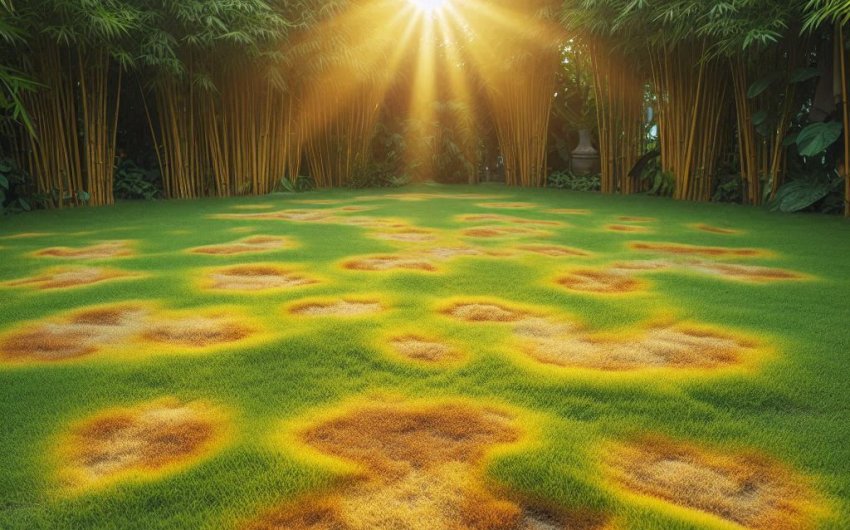
Uncovering the mystery behind your lawn's fading vibrancy is a common challenge for homeowners, and often, the culprit is lawn discoloration caused by iron deficiency. This comprehensive guide will illuminate the specific signs of inadequate iron levels in your turf and provide clear, actionable steps to restore that lush, deep green color you desire. Discover how to accurately diagnose and effectively treat your grass for optimal health.
What causes lawn discoloration from iron deficiency?
Understanding the root causes of lawn discoloration caused by iron deficiency is the first step toward a healthy, verdant lawn. Iron is a crucial micronutrient, even though grass needs it in smaller quantities compared to macronutrients like nitrogen, phosphorus, and potassium.
Why is iron important for lawn health?
Iron plays a vital role in the formation of chlorophyll, the green pigment in plants that is essential for photosynthesis. Photosynthesis is the process by which plants convert sunlight into energy, effectively "feeding" themselves. Without enough iron, the grass struggles to produce enough chlorophyll, leading to a noticeable yellowing of the blades.
What are the main reasons for iron deficiency in lawns?
Even if your soil contains iron, your grass might not be able to access it. Several factors can hinder iron uptake:
- High (alkaline) soil pH: This is the most common cause. When soil pH is too high (above 7.0), iron becomes "tied up" in the soil, meaning it's present but in a form that grass roots cannot absorb. Think of it like a locked safe – the treasure is there, but you can't get to it.
- Poor soil drainage: Waterlogged or compacted soils reduce oxygen levels, which can also make iron unavailable to plants.
- Excess phosphorus: While phosphorus is an essential nutrient, too much of it can interfere with iron absorption, creating an imbalance. This is especially common if you're over-applying phosphorus-rich fertilizers.
- Cool, wet weather: During periods of cool, wet weather, particularly in spring, grass roots may struggle to absorb nutrients, including iron, leading to temporary deficiencies.
- Excessive nitrogen fertilization: Too much nitrogen can cause rapid top growth, leading to a temporary iron deficiency as the existing iron stores are diluted among the new growth.
- Naturally low iron soils: Some geographical areas simply have soils that are naturally low in iron content.
How do you identify iron deficiency in your lawn?
Spotting the signs of lawn discoloration caused by iron deficiency requires a keen eye. While yellowing grass can point to many issues, the specific pattern of discoloration associated with iron deficiency is quite distinct.
What does iron-deficient grass look like?
The primary symptom of iron deficiency is a characteristic yellowing between the veins of the grass blades, while the veins themselves remain green. This is known as interveinal chlorosis.
Here's a breakdown of the visual cues:
- New growth first: Unlike nitrogen deficiency, which typically yellows older leaves first, iron deficiency usually manifests in the newer, younger grass blades. The yellowing will be most prominent on the freshest growth.
- Pattern of yellowing: The areas between the parallel veins of the grass blade will turn yellow, while the actual veins remain a darker green. This creates a striped or streaky appearance on individual blades.
- Overall paleness: As the deficiency progresses, the entire lawn may take on a pale, lime-green, or yellowish hue, rather than a rich, dark green.
- Stunted growth: Severely iron-deficient grass may also exhibit slower growth and a general lack of vigor.
How does it differ from other common lawn issues?
It's crucial to differentiate iron deficiency from other causes of yellowing grass:
| Symptom | Iron Deficiency | Nitrogen Deficiency | Overwatering/Poor Drainage | Pests/Diseases |
|---|---|---|---|---|
| Color | Yellow between green veins | Uniform yellowing, pale green | Uniform yellowing, sometimes mushy | Irregular patches, spots, browning |
| Affected Leaves | Newer, younger leaves first | Older, lower leaves first | All leaves, or lower leaves | Varies by pest/disease |
| Soil Condition | Often high pH, sometimes wet | Normal pH, low nitrogen | Consistently wet, possibly smelly | Varies |
| Growth | Stunted, less vigorous | Overall slow, stunted growth | Wilting, possibly mushy stems | Irregular growth, dieback |
| Texture | Normal (initially), eventually weak | Normal (initially), eventually weak | Soft, mushy | Varies (e.g., powdery, brittle) |
Observing the precise pattern of yellowing and considering your lawn's watering habits, soil type, and recent weather can help you narrow down the cause.
Why is a soil test crucial for diagnosing lawn discoloration?
Before you start applying any treatments, performing a soil test is the single most important step in accurately diagnosing lawn discoloration caused by iron deficiency or any other nutrient imbalance. Guessing can lead to wasted effort and potentially worsen your lawn's condition.
What information does a soil test provide?
A professional soil test, often available through your local agricultural extension office or a reputable soil testing kit, will give you vital information about your soil's composition:
- Soil pH: This is perhaps the most critical piece of information when dealing with iron deficiency. The test will tell you if your soil is acidic, neutral, or alkaline. As discussed, high pH makes iron unavailable.
- Macronutrient levels: It will show the levels of nitrogen (N), phosphorus (P), and potassium (K).
- Micronutrient levels: Crucially, it will indicate the levels of essential micronutrients, including iron (Fe), manganese, zinc, and copper. This helps confirm if actual iron deficiency is present, or if it's an availability issue due to pH.
- Organic matter content: This gives an idea of soil health and water retention.
How does a soil test help with iron deficiency?
- Confirms actual deficiency vs. availability: A soil test distinguishes between a soil that genuinely lacks iron and one that has enough iron but at a pH level that prevents the grass from absorbing it. This distinction is vital for choosing the correct treatment.
- Guides pH adjustment: If high pH is the culprit, the test results will recommend how much and what type of amendment (like elemental sulfur) is needed to lower the pH to a more ideal range (typically 6.0-7.0 for most grasses).
- Identifies other imbalances: The test might reveal other nutrient deficiencies or excesses that could be contributing to your lawn's poor health, allowing for a more holistic treatment plan.
How do you take a soil sample?
- Collect multiple samples: Don't just take one scoop. Collect 10-15 random soil samples from different areas across your lawn. Avoid areas near foundations, trees, or previous garden beds.
- Depth: Dig down 4-6 inches for each sample.
- Mix thoroughly: Mix all the samples together in a clean bucket.
- Fill the sample bag: Take about 1 cup of this mixed soil and place it in the sample bag provided by the testing lab or in a clean plastic bag.
- Provide context: Fill out the information sheet with details about your lawn (grass type, age, symptoms, etc.) to help the lab provide tailored recommendations.
Wait for the results, which usually take a few weeks, before taking any corrective actions. This small investment of time and money can save you a lot of guesswork and ensure effective treatment for your lawn discoloration caused by iron deficiency.
How do you lower soil pH to fix iron deficiency?
If your soil test confirms that high pH is the reason for lawn discoloration caused by iron deficiency, then actively lowering your soil's pH is the most effective long-term solution. This makes the iron already present in the soil more available to your grass.
What is the ideal pH range for most lawns?
Most turfgrasses thrive in a slightly acidic to neutral pH range, typically between 6.0 and 7.0. Within this range, nutrients like iron are most readily available for absorption by the roots.
What are the best ways to lower soil pH?
The most common and effective amendments for lowering soil pH are:
- Elemental Sulfur (S): This is the most recommended and widely used amendment for reducing soil pH.
- How it works: When elemental sulfur is applied to the soil, it is converted by soil microbes into sulfuric acid, which gradually lowers the pH. This process is slow and can take several months to a year to show significant results.
- Application: Apply granular elemental sulfur evenly over your lawn using a spreader. The amount needed will depend on your current pH and desired target pH, as indicated by your soil test results. Always follow the product's instructions carefully.
- Timing: Spring or fall are good times to apply sulfur. Avoid applying it when temperatures are extremely hot or if the lawn is stressed.
- Re-test: Re-test your soil pH after 6-12 months to see how much it has changed before applying more. Lowering pH too quickly or too much can also be detrimental.
- Sphagnum Peat Moss: While primarily used as a soil amendment to improve texture and water retention, sphagnum peat moss is naturally acidic.
- How it works: Incorporating it into the top layers of your soil can contribute to a slight pH reduction over time.
- Application: It's more practical for smaller areas or when you're overseeding, as you need to work it into the soil.
What should you avoid when lowering pH?
- Aluminum Sulfate: While it lowers pH quickly, it can lead to aluminum toxicity in plants, which is harmful. It's generally not recommended for lawns.
- Excessive amendments: Don't over-apply sulfur. Too much can make the soil too acidic, which can be just as problematic as overly alkaline soil, leading to other nutrient deficiencies.
Remember, adjusting soil pH is a gradual process. Patience and regular soil testing (every 1-2 years) are key to maintaining the optimal pH for your lawn and ensuring iron availability for a vibrant green color.
What are the best iron supplements for lawns?
While addressing soil pH is the long-term solution for lawn discoloration caused by iron deficiency, iron supplements offer a quick visual fix, providing immediate green-up. They are particularly useful for a rapid aesthetic improvement while you work on pH adjustments.
What types of iron supplements are available?
There are two main types of iron supplements for lawns:
- Chelated Iron:
- What it is: Chelated iron is iron that has been bonded with an organic molecule (a "chelator") which protects the iron from becoming unavailable in high pH soils. This makes chelated iron highly effective because it remains soluble and accessible to grass roots even in alkaline conditions.
- Benefits: It's readily absorbed by plants, works quickly, and is effective across a wider pH range.
- Forms: Available as liquid chelated iron (for foliar application) or granular forms (for soil application). Liquid forms tend to show results faster.
- Application:
- Liquid (foliar spray): Mix with water according to label instructions and apply directly to the grass blades. This provides the fastest green-up as the iron is absorbed directly through the leaves.
- Granular: Spread evenly over the lawn and water in thoroughly.
- Iron Sulfate (Ferrous Sulfate):
- What it is: A more traditional and often more affordable iron source.
- Benefits: Provides iron directly to the grass.
- Drawbacks: It's less effective in high pH soils because the iron can quickly become "tied up" and unavailable. It also has a higher risk of staining concrete or other hard surfaces.
- Forms: Available as a powder for mixing with water or in granular forms.
- Application: Similar to chelated iron, but typically applied to the soil.
How to apply iron supplements safely and effectively:
- Read the label carefully: Always follow the product's specific instructions for mixing ratios, application rates, and safety precautions. Over-application can damage your lawn.
- Apply evenly: Use a sprayer for liquid products and a spreader for granular products to ensure even coverage.
- Avoid hard surfaces: Iron can stain concrete, patios, and driveways, leaving rust-colored marks. Be very careful during application, especially with iron sulfate. If spills occur, rinse immediately.
- Water in (most granular products): After applying granular iron, water your lawn thoroughly to help the iron penetrate the soil and reduce the risk of leaf burn.
- Consider timing: Apply iron during cooler parts of the day, such as early morning or late evening, to prevent scorching, especially with liquid foliar applications.
- Don't overdo it: Iron supplements provide a quick green-up but do not replace the need for balanced nutrition or pH correction if that's the underlying issue. They are a cosmetic solution.
Using iron supplements can significantly improve the appearance of your lawn discoloration caused by iron deficiency while you work on long-term soil health.
Can soil aeration help with iron deficiency?
Yes, soil aeration can indeed play a supportive role in addressing lawn discoloration caused by iron deficiency, particularly when soil compaction is a contributing factor. While not a direct iron treatment, it improves the overall soil environment, making nutrients more available.
How does soil compaction affect nutrient availability?
When soil becomes compacted, the soil particles are pressed together, reducing the amount of pore space (the tiny gaps) in the soil. These pore spaces are crucial for:
- Air circulation: Roots need oxygen to absorb water and nutrients efficiently. Compacted soil limits oxygen availability.
- Water penetration and drainage: Water struggles to penetrate compacted soil, leading to runoff, or it can become trapped, creating anaerobic (oxygen-deprived) conditions if drainage is poor.
- Root growth: Roots find it difficult to grow and spread through dense, compacted soil, limiting their access to available nutrients and water.
- Microbial activity: Beneficial soil microbes, which are essential for nutrient cycling and making some nutrients available (like the conversion of elemental sulfur), thrive in aerated, well-drained soil.
How does aeration help?
Aeration, specifically core aeration, involves removing small plugs of soil from your lawn. This process directly addresses compaction and improves soil conditions in several ways:
- Increases oxygen: By creating new channels, aeration allows more air to reach the grass roots, improving respiration and nutrient uptake.
- Enhances water penetration: Water can more easily soak into the soil, reducing runoff and promoting deeper watering.
- Improves drainage: Better drainage prevents waterlogging and the anaerobic conditions that hinder iron availability.
- Promotes deeper root growth: Roots can grow deeper into the soil, accessing a larger volume of nutrients and water.
- Boosts microbial activity: A healthier, more aerated soil environment encourages the beneficial microbes that help convert nutrients into forms accessible to plants.
By creating a healthier root zone, aeration indirectly supports your lawn's ability to absorb iron, especially if the deficiency is linked to poor soil conditions rather than just high pH.
When should you aerate your lawn?
The best time to aerate depends on your grass type:
- Cool-season grasses (e.g., fescue, ryegrass, bluegrass): Late summer to early fall is ideal (August to October).
- Warm-season grasses (e.g., Bermuda, Zoysia, St. Augustine): Late spring to early summer is best (April to June).
Consider using a lawn aerator if your lawn is showing signs of compaction or if your soil test indicates poor drainage as a contributing factor to your lawn discoloration caused by iron deficiency.
Can over-fertilization cause iron deficiency?
Yes, surprisingly, over-fertilization, particularly with certain nutrients, can indeed lead to or worsen lawn discoloration caused by iron deficiency. It creates an imbalance in the soil that impacts nutrient availability.
How can too much nitrogen cause iron deficiency?
When you apply excessive amounts of nitrogen fertilizer, especially synthetic quick-release forms, it stimulates very rapid top growth in the grass. This sudden surge in green growth can actually "dilute" the existing iron reserves within the plant. The iron that the plant has managed to absorb is spread too thinly across a larger volume of new tissue, leading to an apparent deficiency, even if there's enough iron in the soil. This is often a temporary condition that corrects itself as the growth rate normalizes.
How can excess phosphorus cause iron deficiency?
This is a more direct chemical interaction. High levels of phosphorus in the soil can chemically bind with iron, forming compounds that are insoluble and therefore unavailable for plant uptake. This phenomenon is known as phosphorus-induced iron chlorosis. If your soil test reveals very high phosphorus levels, it could be a significant contributor to your lawn's iron deficiency, even if iron itself is present in adequate amounts.
What are the risks of over-fertilization in general?
Beyond iron deficiency, over-fertilization carries several risks:
- Fertilizer burn: Too much fertilizer, especially nitrogen, can "burn" the grass blades, turning them brown or black.
- Environmental pollution: Excess nutrients can leach into groundwater or run off into waterways, causing algae blooms and other environmental damage.
- Weakened grass: Overly lush, fast-growing grass can be more susceptible to diseases and pests.
- Increased mowing: Rapid growth means more frequent mowing, which can be time-consuming and costly.
How to avoid over-fertilization and its impact on iron deficiency:
- Always perform a soil test: This is paramount. It tells you exactly which nutrients your lawn needs and in what quantities, preventing unnecessary and harmful applications.
- Follow recommendations: Adhere strictly to the recommendations provided by your soil test report for fertilizer application rates.
- Use slow-release fertilizers: If you need to fertilize, opt for slow-release lawn fertilizers. These provide nutrients gradually over time, reducing the risk of sudden growth flushes and nutrient imbalances.
- Balance your nutrients: Ensure your lawn receives a balanced diet. If you're constantly applying a high-nitrogen fertilizer without addressing other nutrient levels, you're setting yourself up for imbalances like iron deficiency.
By being mindful of your fertilization practices, you can prevent over-fertilization from contributing to lawn discoloration caused by iron deficiency and promote overall lawn health.
Can improper watering contribute to iron deficiency?
While overwatering doesn't directly remove iron from the soil, improper watering can indeed contribute to lawn discoloration caused by iron deficiency by affecting nutrient uptake and creating unfavorable soil conditions.
How does overwatering affect iron availability?
- Reduced oxygen (Anaerobic conditions): Consistently soggy or waterlogged soil displaces air from the soil pores, creating anaerobic conditions. Grass roots need oxygen to perform respiration, which is crucial for active nutrient absorption. In an oxygen-deprived environment, roots struggle to absorb any nutrients efficiently, including iron.
- Root damage: Prolonged overwatering can lead to root rot, where the roots begin to decay. Damaged roots simply cannot absorb nutrients, regardless of their availability in the soil.
- Nutrient leaching: In highly permeable soils, constant overwatering can cause soluble nutrients to leach deeper into the soil profile, beyond the reach of grass roots. While iron is less prone to leaching than nitrogen, other nutrient imbalances caused by leaching can indirectly affect iron uptake.
How does underwatering affect iron availability?
While less common as a direct cause of iron deficiency specifically, severe underwatering can also lead to nutrient uptake issues:
- Dormancy/Stress: Severely drought-stressed grass will prioritize survival over nutrient absorption and growth. Its metabolic processes slow down, reducing its ability to take up nutrients from the soil.
- Reduced nutrient movement: Water is the medium through which nutrients travel to the roots. If there's insufficient water in the soil, nutrient movement is hindered.
What is the ideal watering practice to support nutrient uptake?
To prevent watering-related issues that might exacerbate lawn discoloration caused by iron deficiency or other nutrient problems, adopt smart watering practices:
- Water deeply and infrequently: Instead of short, shallow sprinklings, water long enough for the moisture to penetrate 4-6 inches into the soil. This encourages deeper root growth, making the grass more resilient and better able to access nutrients.
- Allow soil to dry out between waterings: Don't water again until the top inch or two of soil feels dry. This allows oxygen to return to the root zone.
- Water in the early morning: This minimizes water loss due to evaporation and allows the grass blades to dry before nightfall, reducing the risk of fungal diseases.
- Monitor your lawn: Pay attention to the grass's appearance. If it looks dull, slightly grayish, or foot traffic leaves impressions, it's likely time to water.
By practicing proper watering techniques, you create a healthier soil environment where grass roots can efficiently absorb all necessary nutrients, including iron, contributing to a vibrant, healthy lawn.
Can specific grass types be more prone to iron deficiency?
Yes, certain grass types can indeed be more prone to iron deficiency, which may lead to lawn discoloration caused by iron deficiency. This susceptibility often relates to their natural preference for soil pH levels and their inherent nutrient requirements.
Which grass types are more susceptible to iron deficiency?
Generally, warm-season grasses tend to be more susceptible to iron deficiency, especially when grown in soils with a higher pH. This is because many warm-season varieties prefer slightly acidic to neutral soils (pH 6.0-7.0), but are frequently grown in regions with naturally alkaline (high pH) soils.
Examples of warm-season grasses often affected include:
- Centipedegrass: This grass is notorious for needing a very acidic soil (ideally pH 4.5-5.5). When grown in even slightly alkaline soils, it frequently exhibits severe iron chlorosis, turning a distinct lime-green or yellowish color.
- St. Augustinegrass: While adaptable, St. Augustine can also show iron deficiency in high pH soils, particularly if soil compaction or poor drainage is also present.
- Zoysiagrass: Can also be susceptible, especially in compacted or high pH conditions.
- Bermudagrass: While generally tough, Bermuda can also show iron deficiency symptoms, especially the finer-bladed varieties, in alkaline soils.
Cool-season grasses (such as Kentucky Bluegrass, Tall Fescue, and Perennial Ryegrass) are generally more tolerant of a slightly wider pH range (ideally pH 6.0-7.0) and typically show iron deficiency less frequently unless the soil pH is extremely high or other environmental stressors are severe.
Why are some grass types more prone?
The reasons for varying susceptibility include:
- Optimal pH range: Different grass species have different ideal soil pH ranges where their root systems are most efficient at absorbing nutrients. When they are outside their preferred range, nutrient uptake, including iron, can be impaired.
- Genetic predisposition: Some grasses may simply have a higher iron requirement or a less efficient mechanism for absorbing iron from the soil compared to others.
- Root system efficiency: The structure and efficiency of a grass's root system can also play a role in its ability to extract iron and other micronutrients from the soil.
What does this mean for homeowners?
- Consider your grass type: If you have a warm-season grass like Centipedegrass and live in an area with naturally alkaline soil, you should be particularly vigilant about monitoring for iron deficiency.
- Regular soil testing: Regardless of grass type, a soil test is the best way to understand your soil's unique conditions and the specific needs of your turf.
- Tailor your approach: If you have a susceptible grass type in high pH soil, be prepared to implement long-term pH reduction strategies (like elemental sulfur) and potentially more frequent applications of chelated iron supplements for maintenance.
Knowing your grass type and its specific needs is a valuable piece of the puzzle when diagnosing and addressing lawn discoloration caused by iron deficiency.
What is the role of soil organic matter in preventing iron deficiency?
Soil organic matter plays a surprisingly significant and multifaceted role in preventing and mitigating lawn discoloration caused by iron deficiency. It doesn't directly supply large amounts of iron, but it dramatically improves the conditions under which iron becomes available and accessible to grass roots.
What is soil organic matter?
Soil organic matter (SOM) refers to the decomposed remains of plants, animals, and microorganisms in the soil. It includes things like compost, decaying leaves, grass clippings, and microbial biomass. A healthy lawn soil typically contains 3-5% organic matter.
How does organic matter improve iron availability?
- Improves soil structure and aeration:
- Organic matter acts like a "glue" that binds soil particles into aggregates (small clumps). This creates a more crumbly, porous soil structure with abundant pore space.
- These pores allow for better air circulation (providing oxygen to roots) and water drainage. As discussed, both compacted and waterlogged conditions hinder iron uptake.
- Enhances water retention:
- While improving drainage, organic matter also increases the soil's ability to hold onto moisture like a sponge. This means less frequent watering is needed, and the soil remains consistently moist (but not waterlogged), which helps keep iron in a soluble, available form.
- Acts as a natural chelator:
- As organic matter decomposes, it releases various organic acids and humic substances. These compounds can naturally chelate (bond with) iron, protecting it from becoming "tied up" in high pH soils and keeping it in a form that roots can absorb. This mimics the action of synthetic chelated iron.
- Feeds beneficial soil microbes:
- Organic matter is the primary food source for a diverse community of beneficial soil microorganisms (bacteria, fungi, etc.).
- These microbes play a critical role in nutrient cycling, breaking down organic materials and releasing nutrients into forms that plants can use. Some microbes also contribute to making iron more available.
- Buffers soil pH:
- Soils with higher organic matter content tend to be more resistant to drastic fluctuations in pH. This "buffering" capacity helps maintain a more stable and ideal pH range for nutrient availability.
How can you increase soil organic matter in your lawn?
- Leave grass clippings on the lawn: "Grasscycling" is one of the easiest and most effective ways to return organic matter and nutrients to the soil.
- Topdressing with compost: Apply a thin layer (1/4 to 1/2 inch) of high-quality compost for lawns to your lawn once or twice a year.
- Aerate regularly: Core aeration helps work organic matter and amendments deeper into the soil.
- Overseeding with diverse grasses: A healthy, dense stand of grass adds more roots and plant material to the soil over time.
By focusing on building healthy soil rich in organic matter, you create a resilient environment that naturally supports nutrient availability, including iron, reducing the likelihood of lawn discoloration caused by iron deficiency.
Can certain cultural practices make iron deficiency worse?
Yes, unfortunately, some common cultural practices can inadvertently make lawn discoloration caused by iron deficiency worse or contribute to its development, even if you have enough iron in your soil. Understanding these practices helps in adopting preventative measures.
What are some common cultural practices that worsen iron deficiency?
- Over-fertilizing with phosphorus: As discussed, excessive phosphorus (P) in the soil can directly bind with iron, forming insoluble compounds that the grass cannot absorb. Many "starter fertilizers" or "bloom boosters" are very high in phosphorus. Using these on an established lawn without a soil test indicating a P deficiency can cause iron problems.
- Solution: Always perform a soil test before applying fertilizers to determine the exact nutrient needs of your lawn, especially for phosphorus.
- Applying too much nitrogen (especially fast-release forms): While nitrogen promotes green growth, an excessive amount, particularly from quick-release synthetic sources, can cause a sudden flush of top growth. This rapid growth dilutes the existing iron within the plant tissue, leading to temporary iron chlorosis.
- Solution: Use slow-release nitrogen fertilizers, apply nitrogen at recommended rates based on your grass type and season, and avoid over-applying.
- Compacting the soil: Heavy foot traffic, equipment use, or continually watering on a fixed schedule without allowing the soil to dry can lead to soil compaction. As mentioned, compacted soil reduces oxygen availability for roots and impedes nutrient and water movement, making iron less accessible.
- Solution: Regularly aerate your lawn (especially if it sees heavy use), avoid walking on wet soil, and adjust your watering to allow for drying periods.
- Improper mowing: Mowing too short (scalping) puts undue stress on the grass, weakening its root system and making it less efficient at absorbing nutrients. Repeated scalping can also expose the soil to direct sunlight, drying it out too quickly and making iron less available.
- Solution: Always follow the "one-third rule" – never remove more than one-third of the grass blade length at a time. Maintain the recommended mowing height for your specific grass type. Taller grass often leads to deeper roots and better nutrient uptake.
- Over-liming (raising soil pH excessively): If you've been adding lime to your lawn without a soil test, you might inadvertently raise your soil pH too high. Since high pH is the number one cause of iron unavailability, this cultural practice can directly induce or worsen iron deficiency.
- Solution: Only apply lime if a soil test specifically recommends it to raise pH, and follow the recommended rates. Never guess.
By understanding these pitfalls and adopting proper cultural practices, you can create a healthier environment for your lawn, significantly reducing the likelihood of lawn discoloration caused by iron deficiency and promoting a vibrant green appearance.