
What Causes Yellowing in the New Growth of My Pothos?
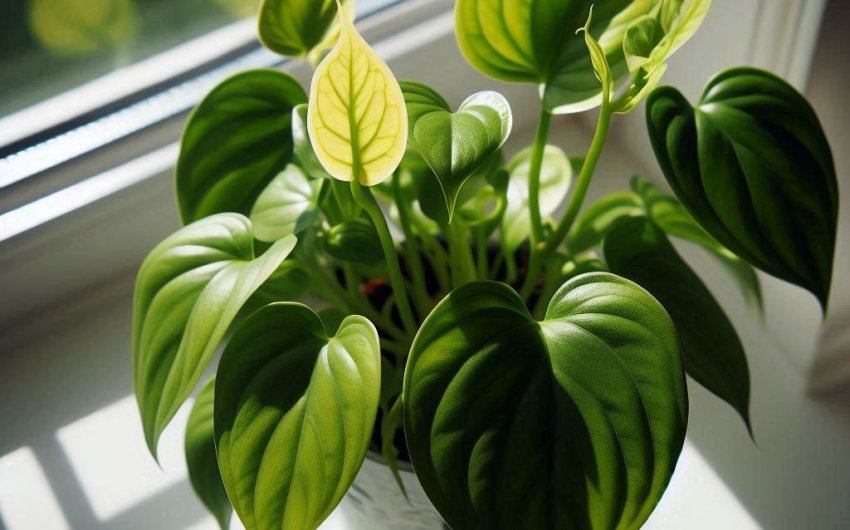
Observing yellowing in the new growth of my Pothos can be an alarming sign for any plant parent, especially since Pothos are typically known for their resilience and ease of care. Unlike general yellowing of older leaves, discoloration in fresh foliage often points to specific environmental stressors or nutrient imbalances that impact the plant's developing cells. Understanding these potential causes is crucial for diagnosing the issue accurately and implementing the right adjustments to restore your Pothos plant to its vibrant, verdant glory.
Why are Pothos leaves turning yellow in new growth?
When a Pothos plant (or Epipremnum aureum) shows yellowing in its new growth, it's a specific indicator that differs from the general yellowing and shedding of older leaves (which is often normal). New growth turning yellow, or appearing pale and stunted, suggests an issue with the plant's ability to produce chlorophyll or transport essential nutrients to its actively growing tips. This often points to environmental stress or nutrient deficiencies.
What's the difference between yellowing old growth and new growth?
- Yellowing Older Leaves (Normal Shedding or Nutrient Deficiency):
- Appearance: Older leaves, typically at the base of the vine, turn entirely yellow and then often brown before dropping off.
- Causes:
- Natural aging: Pothos, like all plants, shed older leaves as new ones develop. This is normal, especially if only a few leaves are affected over time.
- Underwatering: If the plant is consistently too dry, it will sacrifice older leaves to conserve water for newer growth.
- General nutrient deficiency (especially Nitrogen): A lack of nitrogen can cause overall yellowing, starting with older leaves, as the plant moves mobile nutrients to new growth.
- Overwatering (sometimes): Chronic overwatering can lead to root rot, which affects the plant's ability to absorb water and nutrients, leading to yellowing of all leaves, but often starting with older ones.
- Yellowing New Growth (Specific Stress or Nutrient Imbalance):
- Appearance: The newly unfurling leaves appear pale green or yellow, sometimes with darker veins, or are noticeably smaller and stunted. The problem affects the very tips of the vines.
- Causes: These usually point to more acute issues directly impacting the plant's ability to form new, healthy tissue. The common culprits include:
- Overwatering/Root Rot: The most common cause. Damaged roots can't absorb nutrients, impacting new growth first.
- Nutrient Deficiencies:
- Iron Deficiency (Chlorosis): New leaves are pale yellow, but veins remain noticeably green.
- Manganese Deficiency: Similar to iron, yellowing between veins, often starting on new leaves.
- Sulfur Deficiency: Overall pale yellowing of new leaves, sometimes confused with nitrogen but affecting new growth.
- Underwatering (Severe/Chronic): While usually affecting old leaves, prolonged severe underwatering can stress the entire plant, impacting new growth.
- Light Issues: Too little light can slow growth and lead to pale new leaves. Too much direct sun can bleach new, tender foliage.
- Temperature Stress: Sudden drops or extreme cold can shock new growth.
- Pest Infestation: Sucking pests on new, tender growth can cause yellowing and distortion.
Understanding the pattern and location of the yellowing helps pinpoint the underlying problem, enabling you to take appropriate corrective action to revive your Pothos plant.
Is overwatering causing my Pothos' new growth to yellow?
Overwatering is, without a doubt, the most frequent culprit behind yellowing Pothos leaves, including the new growth. While Pothos enjoy consistent moisture, they absolutely detest sitting in soggy soil.
How does overwatering affect new growth?
When a Pothos plant is overwatered, the soil remains saturated for too long, depriving the roots of oxygen. This leads to root rot, a fungal disease where the roots literally begin to decay and die.
- Root Damage: Healthy roots absorb water and nutrients. When roots rot, they can no longer perform this vital function.
- Nutrient Starvation: Even if nutrients are present in the soil, the damaged roots cannot absorb them. This means the plant effectively starves, and since new growth is the most metabolically active and demanding part of the plant, it shows symptoms first. The lack of nutrients, particularly nitrogen and sometimes iron, leads to the pale or yellow appearance.
- Lack of Chlorophyll: Without proper nutrient uptake, the plant struggles to produce chlorophyll, the green pigment responsible for photosynthesis. This results in the characteristic yellowing.
What are the signs of overwatering in Pothos?
Look for a combination of these symptoms to confirm overwatering:
- Yellowing new leaves: This is the specific symptom you're asking about.
- Brown spots with yellow halos: Often appear on older leaves first, but can spread. These spots feel soft or mushy.
- Wilting despite wet soil: The plant looks droopy even though the soil is visibly wet. This is a classic sign of root rot, as the damaged roots can't transport water to the leaves.
- Mushy stem at soil line: The base of the stem feels soft or mushy.
- Foul smell from soil: A decaying, sour odor can indicate rotting roots.
- Fungus gnats: Small, black, flying insects often seen hovering around the soil surface, attracted to consistently moist conditions.
- No new growth or stunted growth: The plant's overall growth slows or stops.
How do I fix overwatering?
Addressing overwatering requires immediate action to save your Pothos plant.
- Stop Watering Immediately: Do not water again until the soil has thoroughly dried out.
- Check Drainage:
- Ensure your pot has drainage holes. If it doesn't, repot immediately into a pot that does.
- Remove any decorative outer pot that might be holding standing water.
- Make sure the saucer under the pot is emptied after each watering.
- Improve Airflow: Gently aerate the soil by poking holes with a chopstick or thin dowel. This helps the soil dry faster.
- Repot (if severe): If symptoms are severe, or you suspect significant root rot:
- Gently remove the Pothos from its pot.
- Shake off as much old soil as possible.
- Inspect the roots: Healthy roots are firm and white or tan. Rotting roots are brown, black, and mushy.
- Using sterilized scissors, trim away all the mushy, rotting roots. You might be left with very few roots.
- Repot into a clean pot of the same size or slightly smaller (since you removed roots) using fresh, well-draining potting mix suitable for houseplants. Do not use garden soil.
- Do not water immediately after repotting; wait a few days to allow any root cuts to heal.
- Adjust Watering Routine:
- Use the "finger test": Only water when the top 2-3 inches of soil feel dry.
- Water thoroughly until water drains from the bottom. Discard any collected water.
- Adjust frequency based on light, temperature, and season. Pothos needs less water in winter.
By correcting overwatering, you give your Pothos plant a fighting chance to recover, allowing it to put out healthy, green new growth again.
Could nutrient deficiencies cause yellow new growth in Pothos?
Yes, nutrient deficiencies are a common reason for yellowing in the new growth of your Pothos, especially if you haven't fertilized recently or if your plant is in very old potting mix. Specific nutrient imbalances affect how new leaves develop.
Which nutrients are most commonly deficient in new Pothos growth?
The pattern of yellowing can often give clues about which nutrient is lacking. Nutrients are categorized as either mobile (plant can move them from old leaves to new) or immobile (plant cannot move them). Deficiencies of immobile nutrients will show up in new growth first.
- Iron (Fe) Deficiency (Chlorosis):
- Symptoms: New leaves appear pale yellow or almost white, but the veins remain noticeably dark green. This is often called interveinal chlorosis.
- Why it happens: Iron is crucial for chlorophyll production. While not common in Pothos, it can occur if the soil pH is too high (alkaline), making iron unavailable, or if the soil is chronically waterlogged.
- Solution: Lower soil pH if too high (e.g., with sulfur). Use a chelated iron supplement as a foliar spray or soil drench. Ensure proper drainage to prevent waterlogging.
- Manganese (Mn) Deficiency:
- Symptoms: Very similar to iron deficiency – new leaves show yellowing between the veins, with veins remaining green.
- Why it happens: Less common than iron, but can also be pH-related or due to depleted soil.
- Solution: Adjust pH if too high. Apply a balanced micronutrient fertilizer or a specific manganese supplement.
- Sulfur (S) Deficiency:
- Symptoms: Overall pale yellowing of new growth, including the veins. Leaves may appear stunted.
- Why it happens: Sulfur is essential for protein synthesis and chlorophyll formation. It's less mobile than nitrogen, so symptoms appear in new growth.
- Solution: Use a fertilizer containing sulfur or add a small amount of Epsom salts (magnesium sulfate) as a soil drench.
- Nitrogen (N) Deficiency (in severe cases):
- Symptoms: While nitrogen deficiency typically causes overall yellowing starting with older leaves (because nitrogen is mobile and the plant moves it to new growth), very severe, prolonged deficiency can eventually result in pale, stunted new growth as well.
- Solution: Use a balanced houseplant fertilizer with a slightly higher nitrogen content (first number in NPK).
How do I properly fertilize my Pothos?
Consistent and appropriate fertilization prevents most nutrient deficiencies.
- Choose the Right Fertilizer: Use a balanced liquid houseplant fertilizer (e.g., 5-5-5 or 10-10-10 NPK) or one with a slightly higher nitrogen content.
- Dilution is Key: Always dilute the fertilizer to half-strength or even quarter-strength of the manufacturer's recommendations. Pothos are not heavy feeders, and over-fertilizing can cause more problems (like root burn, which can also cause yellowing).
- Fertilize During Growing Season: Fertilize every 2-4 weeks during the active growing season (spring and summer).
- Reduce/Stop in Winter: Reduce or stop fertilizing during fall and winter when light levels are lower and the plant's growth slows down.
- Water Before Fertilizing: Always water your Pothos first with plain water before applying liquid fertilizer. Applying fertilizer to dry soil can shock the roots.
- Repot Periodically: If your Pothos has been in the same pot for several years, its potting mix may be depleted of nutrients. Repotting into fresh well-draining potting mix every 1-2 years can replenish essential nutrients.
By understanding the subtle signs of different nutrient deficiencies and maintaining a consistent, appropriate fertilization schedule, you can ensure your Pothos plant receives all the nourishment it needs for healthy, vibrant new growth.
What light and temperature issues cause yellowing in new Pothos growth?
While often resilient, Pothos are still sensitive to extreme or incorrect light and temperature conditions, which can manifest as yellowing in their new growth. Providing the right environmental balance is crucial for vibrant foliage.
How does light affect new Pothos leaves?
- Too Little Light:
- Symptoms: New growth will be noticeably smaller, paler green, or yellow, and perhaps widely spaced along the vine (leggy growth). The plant's overall growth will slow significantly. This is because insufficient light reduces the plant's ability to photosynthesize and produce chlorophyll.
- Why it happens: Pothos are adaptable but still need light to thrive. If they're in a very dark corner, new leaves won't have the energy to develop fully and green up properly.
- Solution: Move your Pothos plant to a brighter location. Bright, indirect light is ideal. An east-facing window is perfect, or a few feet away from a south or west-facing window. If natural light is limited, consider supplementing with a grow light for 10-12 hours a day.
- Too Much Direct Sun:
- Symptoms: New leaves, being more tender, can appear bleached, faded yellow, or even develop crispy brown spots, especially if exposed to harsh, direct afternoon sun. The vibrant green (or variegation) will look washed out.
- Why it happens: Direct sunlight is too intense for Pothos, which evolved in the filtered light of rainforest understories. It essentially "sunburns" the delicate new foliage.
- Solution: Move the Pothos plant away from direct sunlight. A sheer curtain can filter intense light from a very bright window.
How does temperature affect new Pothos leaves?
Pothos are tropical plants and prefer consistent, warm temperatures. Sudden fluctuations or extreme cold can stress them, impacting new growth.
- Cold Drafts or Low Temperatures:
- Symptoms: New leaves may turn yellow, sometimes with brown edges or spots, and can appear stunted or deformed. The plant may exhibit overall drooping or a general "unhappy" look.
- Why it happens: Temperatures below 50-55°F (10-13°C) can cause chilling injury. New, delicate growth is particularly vulnerable to cold stress. Placing a Pothos near a drafty window, exterior door, or air conditioning vent can cause this.
- Solution: Move your Pothos plant to a warmer location away from cold drafts. Ensure consistent room temperatures, ideally between 65-85°F (18-29°C).
- High Heat (Less Common for Yellowing New Growth):
- While extreme heat alone is less likely to cause yellowing new growth directly (unless accompanied by severe dehydration), consistently very high temperatures can stress the plant, leading to overall wilting or crispy leaves if watering isn't sufficient.
By paying close attention to both the intensity and duration of light, and maintaining stable, warm temperatures, you can ensure your Pothos plant produces consistently healthy, green new growth.
Can pests and other environmental factors cause yellowing in new Pothos growth?
Beyond watering, nutrients, light, and temperature, other environmental factors and the presence of pests can also contribute to yellowing in the new growth of your Pothos. A thorough inspection is always a good idea.
How do pests affect new Pothos growth?
Certain sucking pests feed on plant sap, directly depriving new, tender growth of vital nutrients and causing discoloration and distortion.
- Spider Mites:
- Symptoms: New leaves may appear speckled with tiny yellow or white dots, often looking dull or dusty. In severe cases, fine webbing may be visible on the undersides of leaves or between stems.
- Why they cause yellowing: They pierce plant cells to suck out sap, damaging the chlorophyll and leading to yellowing. New growth is tender and easier for them to attack.
- Solution: Increase humidity around the plant (spider mites thrive in dry conditions). Rinse the plant thoroughly with a strong spray of water (especially undersides of leaves). Apply insecticidal soap or neem oil spray every 5-7 days for several weeks to break their life cycle.
- Mealybugs:
- Symptoms: White, cottony masses found in leaf axils (where the leaf meets the stem), on stems, and sometimes on new, unfurling leaves. Affected new growth may turn yellow and become stunted or distorted.
- Why they cause yellowing: They suck sap from the plant, weakening it and causing chlorosis.
- Solution: Dab mealybugs directly with a cotton swab dipped in rubbing alcohol. For heavier infestations, use insecticidal soap or neem oil.
- Aphids:
- Symptoms: Small, pear-shaped insects (green, black, or various colors) clustered on new growth and undersides of leaves. New leaves may be yellow, distorted, or sticky (from honeydew, their sugary waste product).
- Why they cause yellowing: They feed on plant sap, causing stunted, discolored new growth.
- Solution: Blast them off with a strong spray of water. Treat with insecticidal soap or neem oil.
What other environmental factors can cause issues?
- Low Humidity:
- Symptoms: While usually causing crispy brown edges on older leaves, very low humidity can stress the entire plant, potentially impacting the healthy development of new leaves, making them more prone to yellowing or crisping as they unfurl.
- Solution: Increase ambient humidity using a room humidifier, pebble tray, or by grouping plants.
- Hard Water/Mineral Buildup:
- Symptoms: Over time, if you use hard tap water, mineral salts can accumulate in the soil, leading to a white crust on the soil surface or pot rim. This salt buildup can interfere with nutrient uptake, causing symptoms similar to nutrient deficiencies, including yellowing new growth.
- Solution: Occasionally flush the soil by watering heavily with plain water until copious amounts drain from the bottom, then discard the excess. Consider using filtered water or rainwater.
- Root Bound:
- Symptoms: If your Pothos has been in the same pot for a very long time, its roots can become tightly packed, forming a dense ball. This restricts nutrient and water absorption, leading to overall decline, including yellowing of new growth as the plant struggles to support itself.
- Solution: Repot your Pothos plant into a pot that is only 1-2 inches larger in diameter, using fresh, well-draining potting mix. Gently loosen the root ball if it's very tight.
By carefully inspecting your Pothos plant for pests, evaluating humidity, and considering the plant's root space, you can identify and address these additional factors that might be contributing to yellowing in the new growth of your Pothos, ensuring its long-term health and vitality.