
How to Fix and Prevent Lawn Ruts Caused by Lawn Equipment?
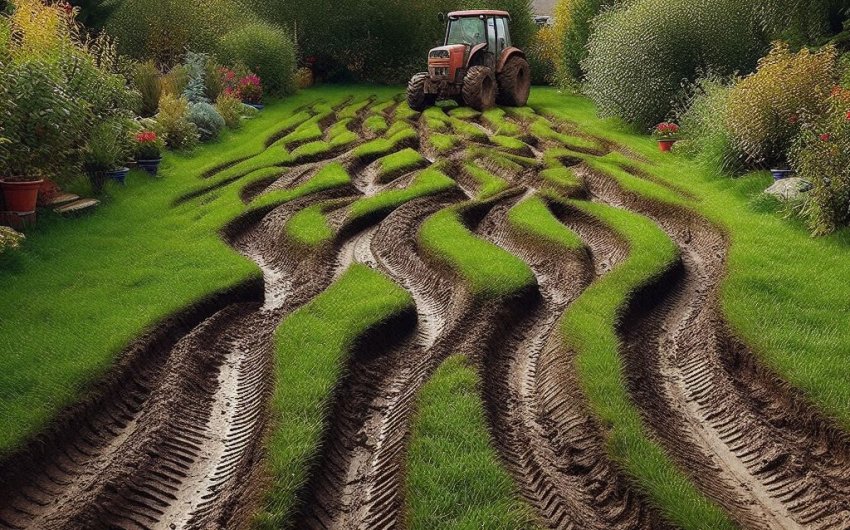
Unsightly depressions in your lawn, often left by the wheels of mowers or other heavy garden machinery, can detract significantly from your yard's appearance and even impact grass health. If you're grappling with the problem of lawn ruts caused by lawn equipment and wondering how to fix and prevent them, you're in the right place. Addressing these indentations quickly and adopting smarter lawn care habits are crucial steps to restoring a smooth, healthy turf.
What Causes Lawn Ruts from Equipment?
Lawn ruts are a common frustration for homeowners, typically resulting from the weight of lawn equipment pressing down on soft or uneven ground. Understanding the primary culprits behind these indentations is the first step toward effective prevention and repair. It's often a combination of environmental factors and operational practices that lead to these unsightly depressions in your lawn.
Why Do Wet Soil Conditions Lead to Ruts?
The most frequent cause of lawn ruts is operating heavy equipment on wet soil.
- Reduced Bearing Capacity: When soil is saturated with water, the tiny air pockets normally present in healthy soil become filled with water. This significantly reduces the soil's ability to support weight, making it soft and easily compressible.
- Compaction: The weight of a riding mower, tractor, or even a heavy push mower on wet soil directly compacts the soil particles together, squeezing out air and water. This compaction creates the visible depressions and can also damage grass roots by cutting off their access to oxygen and nutrients.
- Slippage: Tires on wet grass can lose traction and slip, especially on slopes or during turns. This slipping action can tear up the turf and create uneven gouges, exacerbating the rutting problem.
How Do Heavy Mowers and Equipment Contribute?
The type and weight of your lawn equipment play a significant role in rut formation.
- Weight Distribution: Larger, heavier riding mowers and lawn tractors exert more pressure per square inch on the turf, especially if their weight isn't evenly distributed. Zero-turn mowers, for instance, can sometimes cause minor scuffing or compaction during sharp turns due to their pivoting wheel action.
- Tire Type: Tires with aggressive treads designed for traction on rough terrain can also be problematic on soft, wet lawns. While good for grip, they can dig into the turf more easily than smoother, less aggressive tires.
- Attachments: Using heavy attachments like aerators, dethatchers, or spreaders on a riding mower adds considerable weight, increasing the potential for rutting, especially when the soil is vulnerable.
What Role Does Poor Drainage Play?
Areas of your lawn with poor drainage are particularly susceptible to rutting.
- Persistent Wet Spots: If water consistently pools in certain areas after rain or irrigation, these spots will remain saturated for longer periods. This prolonged wetness makes the soil perpetually soft and highly vulnerable to compaction and rutting from any equipment passes.
- Underlying Issues: Poor drainage can be caused by underlying issues such as:
- Heavy Clay Soil: Clay soil drains very slowly due to its fine particle size.
- Slope Issues: Water may collect at the bottom of a slope.
- Underground Obstructions: Impermeable layers or debris beneath the surface can impede water flow. Addressing these drainage problems is essential for a long-term solution to rutting in affected areas.
How Can You Fix Minor Lawn Ruts?
Minor lawn ruts, often shallow and not extending deeply into the soil, are relatively straightforward to repair. Timely action can prevent them from worsening and help restore your lawn's smooth appearance. These fixes generally don't require extensive tools or materials.
Repairing Shallow Impressions
For small, shallow ruts where the grass roots are mostly intact, a simple leveling technique is often sufficient.
- Preparation: Ensure the soil is slightly damp, but not saturated.
- Loosen Soil: Use a garden rake or a thatching rake to gently loosen the compacted soil within the rut. Be careful not to tear up healthy grass.
- Level the Area: With the back of your rake or a flat shovel, carefully spread the loosened soil evenly across the rut.
- Tamp Down: Gently tamp the area flat with your foot or a lawn roller (for larger areas), ensuring the soil surface is level with the surrounding turf.
- Water: Lightly water the repaired area to help the soil settle and encourage the grass to recover.
Filling with Topdressing Material
For slightly deeper but still minor ruts, or to fill in persistent shallow depressions, applying a topdressing mix is an effective method.
- Prepare the Rut: Clear any loose debris or dead grass from the rut. If the soil is very compacted, use a garden fork to lightly aerate the bottom of the rut.
- Select Topdressing: Use a high-quality topdressing material. An ideal mix often consists of:
- 1 part compost
- 1 part topsoil
- 1 part sand (optional, for drainage in clay soils) This blend improves drainage, adds nutrients, and provides good structure for new grass growth.
- Apply Topdressing: Pour the topdressing mix into the rut.
- Level and Work In: Use the back of a rake or a leveling rake to spread the mix evenly, ensuring it fills the rut and is flush with the existing lawn surface. Avoid piling too much material directly over existing grass, as this can smother it.
- Seed (Optional): If the existing grass is thin or damaged, sprinkle grass seed over the topdressing.
- Water: Water the area lightly to settle the topdressing and encourage grass growth. Keep moist until new grass establishes.
Using Soil and Seed Patches
For minor ruts where the grass has been completely killed or severely damaged, creating a new soil and seed patch is necessary.
- Remove Dead Grass: Scrape away any dead or severely damaged grass from the rut.
- Loosen Soil: Use a hand trowel or small rake to loosen the compacted soil at the bottom of the rut to a depth of 2-3 inches.
- Add New Soil: Fill the rut with fresh topsoil or a soil-compost blend. Level it slightly below the surrounding turf to account for settling.
- Spread Grass Seed: Broadcast an appropriate grass seed evenly over the new soil.
- Lightly Cover: Lightly rake the seed into the top 1/4 inch of soil or cover with a thin layer of peat moss or seed starter mix to protect it.
- Water and Protect: Water gently but thoroughly and keep the patch consistently moist until the new grass is established. Consider using a seed mat for slopes or to deter birds.
How Do You Fix Deep Lawn Ruts?
Deep lawn ruts, especially those where the soil is severely compacted or the grass is completely gone, require a more intensive repair process. These involve reconstructing the affected area to ensure proper drainage and a lasting solution.
Excavating and Leveling Severely Damaged Areas
For very deep or widespread ruts where the existing grass is beyond saving, you may need to essentially rebuild the area.
- Mark the Area: Clearly mark the entire extent of the deep rut, extending slightly beyond the damaged grass.
- Remove Sod (Optional): If there's any salvageable sod, carefully cut it out in sections with a sod cutter or spade and set it aside.
- Excavate Soil: Dig out the compacted soil within the rut to a depth of 4-6 inches, or until you reach firm, uncompacted soil.
- Loosen Subsoil: Use a garden fork to loosen the subsoil at the bottom of the excavated trench. This helps improve drainage and prevents the new soil from settling excessively.
- Improve Drainage (If Necessary): If the rut is due to a persistent drainage problem, consider adding a layer of gravel or a perforated drain pipe wrapped in landscape fabric at the bottom of the trench before adding new soil.
- Backfill with Topsoil Mix: Fill the excavated area with a high-quality topsoil mix for lawns that is rich in organic matter. Fill it slightly above the surrounding grade to allow for settling.
- Compaction: Lightly tamp the new soil to prevent excessive settling after watering. You can use a hand tamper for this.
Re-Sodding or Seeding Large Patches
Once the deep rut is properly backfilled and leveled, you have two options for re-establishing grass.
- Re-Sodding:
- Prepare for Sod: Ensure the new soil is perfectly level with the surrounding lawn.
- Lay Sod: Lay strips of fresh sod tightly together over the repaired area, ensuring the edges butt up against the existing lawn without gaps.
- Roll and Water: Gently roll the sod with a lawn roller to ensure good contact with the soil. Water immediately and deeply, keeping the sod moist for the first few weeks to allow roots to establish. Benefits: Provides an instant lawn, faster results.
- Seeding:
- Prepare Seedbed: Lightly rake the top inch of the newly filled soil to create a good seedbed.
- Apply Seed: Broadcast grass seed evenly over the area, following package directions for coverage rate.
- Lightly Cover: Rake the seed into the top 1/4 inch of soil, or apply a thin layer of peat moss or straw (weed-free).
- Water and Protect: Water very gently and keep consistently moist until germination and establishment. Consider using a seed blanket for protection. Benefits: More cost-effective, allows for specific grass blend customization.
Addressing Underlying Drainage Issues
For recurrent deep ruts in persistently wet areas, a more permanent drainage solution may be required.
- French Drains: Installing a French drain involves digging a trench, lining it with landscape fabric, adding perforated pipe, surrounding it with gravel, and then covering it with fabric and topsoil. This redirects excess subsurface water away from the problematic area.
- Regrading: For significant low spots or improper slopes, professional regrading of the lawn might be necessary. This involves adjusting the contours of the land to ensure water drains away from problem areas, preventing future saturation and rutting.
- Soil Amendments: For very heavy clay soils, consistently incorporating organic matter like compost over time can gradually improve soil structure and drainage, making it less prone to compaction and rutting.
How Can You Prevent Lawn Ruts from Forming?
Prevention is always better than repair when it comes to lawn ruts caused by lawn equipment. By adopting smart mowing habits, maintaining healthy soil, and selecting appropriate equipment, you can significantly reduce the risk of future damage and maintain a smooth, pristine lawn.
Mowing Smart: Timing and Technique
Your mowing routine is a critical factor in preventing ruts.
- Avoid Mowing Wet Lawns: This is the single most important rule. Never mow when the grass is wet from rain, irrigation, or heavy dew. Wait until the lawn is completely dry. This not only prevents ruts but also ensures a cleaner cut and reduces the spread of disease.
- Vary Mowing Patterns: Instead of always mowing in the same direction or pattern, vary your route each time you mow. This distributes the weight of the mower more evenly across the lawn, preventing the wheels from repeatedly compacting the same strips of soil. Mowing in alternating directions (e.g., horizontal one week, vertical the next) is a simple way to achieve this.
- Reduce Sharp Turns: When using riding mowers, make wide, gradual turns at the ends of rows instead of sharp pivots, especially on soft ground. Sharp turns put immense pressure on a small area of turf and are a common cause of scuffs and ruts.
- Mow at Optimal Height: Mowing your lawn at a slightly higher height (2.5-3.5 inches, depending on grass type) encourages deeper root growth and denser turf, which provides more cushioning against the weight of equipment. Taller grass also shades the soil, helping it retain a healthy moisture level without becoming overly saturated.
Improving Soil Health and Drainage
A healthy soil foundation is key to preventing ruts.
- Aeration: Regularly aerating your lawn (at least once a year for compacted soils) helps to alleviate compaction and improve water penetration. This creates a stronger, more resilient turf that can better withstand equipment weight. Use a core aerator that removes plugs of soil, rather than just poking holes.
- Topdressing with Organic Matter: Applying a thin layer of compost or a soil-compost blend (topdressing) periodically improves soil structure over time. Organic matter enhances drainage in clay soils and improves water retention in sandy soils, making the overall soil more resilient to compaction.
- Address Poor Drainage: As mentioned, fix any underlying drainage problems like low spots or heavy clay layers that cause water to pool. This might involve installing French drains or minor regrading.
Equipment Modifications and Selection
The equipment itself can be adjusted or chosen to minimize rutting potential.
- Wider Tires: If your mower frequently causes ruts, consider equipping it with wider tires. Wider tires distribute the mower's weight over a larger surface area, reducing the pressure per square inch on the turf.
- Lighter Equipment: For very susceptible areas or smaller lawns, using lighter equipment like an electric push mower or a battery-powered lawn mower can reduce ground pressure.
- Turf-Friendly Tires: Choose tires specifically designed as "turf tires" with a less aggressive tread pattern. These provide adequate traction without digging into the lawn.
- Avoid Overloading: Don't attach too many heavy accessories to your riding mower, especially if the ground is soft. If you need to use a lawn roller or aerator, wait for the driest possible conditions.
- Mower Deck Adjustment: Ensure your mower deck is properly leveled. An uneven deck can cause one side of the mower to dig in more than the other, contributing to uneven ruts or scalping. Use a mower deck leveling tool for accuracy.
By combining these preventative measures with prompt repair of any minor damage, you can effectively address lawn ruts caused by lawn equipment and ensure your lawn remains a smooth, healthy carpet of green.