
How Do I Stop My Fiddle Leaf Fig from Developing Rust Spots?
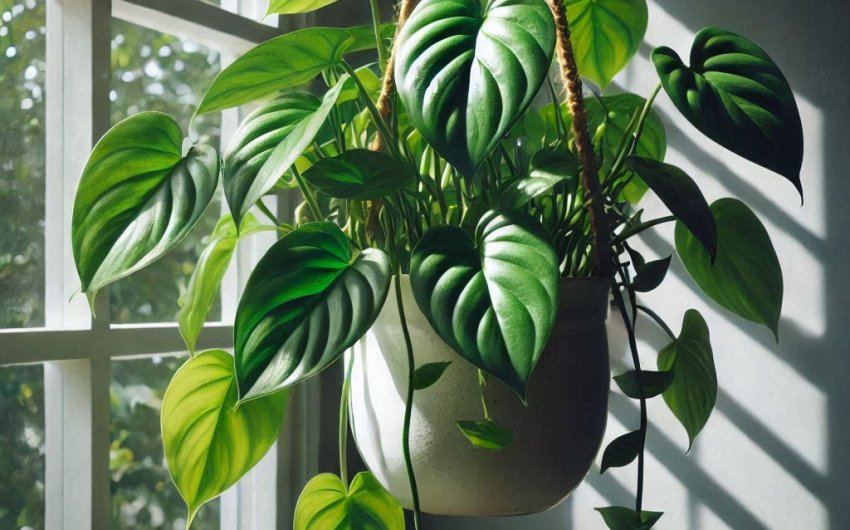
The Fiddle Leaf Fig (Ficus lyrata) is a stunning houseplant, famous for its large, violin-shaped, glossy green leaves that add a dramatic touch to any interior. However, these beautiful leaves can sometimes develop unsightly reddish-brown spots, often referred to by growers as "rust spots." If you're wondering, "How do I stop my Fiddle Leaf Fig from developing rust spots?" it's crucial to understand that these spots are most commonly a symptom of edema, a water-related issue, rather than a fungal rust disease. Addressing the underlying watering practices and environmental factors is key to keeping your Fiddle Leaf Fig's foliage pristine.
What Are These "Rust Spots" on My Fiddle Leaf Fig?
While they're often called rust spots due to their reddish-brown color, these marks on Fiddle Leaf Fig leaves are typically not caused by a fungal rust disease. Instead, they are almost always a sign of a physiological condition called edema.
Understanding Edema
Edema occurs when a plant's roots take up water faster than the leaves can transpire (release) it. This happens when:
- Excessive Water Uptake: The roots absorb a sudden flush of water.
- Slow Transpiration: The leaves are not releasing enough water into the air, often due to high humidity, cool temperatures, or stagnant air.
When water is absorbed too quickly and cannot be released efficiently, the plant cells in the leaves become engorged with water. The pressure builds, causing the cells to burst. As these damaged cells heal, they form corky, reddish-brown spots, which are the rust spots you see. These spots are essentially internal bruises that become visible as scar tissue.
Key Characteristics of Edema Spots
- Appearance: They start as tiny, reddish-brown, often slightly raised spots. They can sometimes look like small blisters before they turn corky. As the leaf matures, these spots usually turn a darker brown and become more noticeable.
- Location: Edema spots are most common on new leaves. This is because new, tender leaf tissue is more fragile and susceptible to cell bursting. Older, more mature leaves have tougher cell walls and are less likely to develop these spots.
- Pattern: They often appear randomly scattered across the leaf surface, but sometimes can be concentrated along veins or near the edges.
- Texture: They have a rough, corky texture when touched.
- Persistence: Once edema spots appear on a leaf, they are permanent. The leaf will not heal back to its smooth, green appearance. However, the affected leaf can still function perfectly well for photosynthesis.
Why It's Not Fungal Rust (Usually)
True fungal rust diseases (which can affect some plants, though rarely houseplants like Fiddle Leaf Figs) typically present differently:
- Powdery Spores: Fungal rust forms powdery, often orange, yellow, or brown pustules (spores) on the leaf surface, which can be rubbed off.
- Often on Undersides: Fungal rust spots are frequently found on the undersides of leaves.
- Spreading Pattern: Fungal diseases tend to spread and worsen, potentially causing widespread leaf discoloration and dieback beyond just spots.
Because Fiddle Leaf Fig "rust spots" are almost exclusively edema, the solution lies in adjusting watering practices and environmental conditions, not applying fungicides. Understanding this distinction is the first step to knowing how to stop your Fiddle Leaf Fig from developing rust spots.
What Causes Edema ("Rust Spots") on Your Fiddle Leaf Fig?
Edema on your Fiddle Leaf Fig results from a rapid imbalance in water uptake and transpiration. Several factors, often in combination, can trigger this condition, causing those tell-tale rust spots.
1. Inconsistent or Excessive Watering
This is the most frequent culprit.
- Sudden Flush of Water after Drought: If you let your Fiddle Leaf Fig get too dry (soil completely parched) and then give it a heavy watering, the roots absorb water extremely rapidly. If the leaves cannot transpire this sudden influx quickly enough (especially if humidity is high or temperatures are cool), the cells burst. This is a classic scenario for edema.
- Constantly Soggy Soil: While less about the sudden influx, consistently overwatered soil can also lead to edema. When roots are constantly saturated, they become less efficient at healthy water absorption, leading to sporadic bursts of rapid uptake when conditions briefly improve, or simply leading to waterlogging that stresses the plant and compromises cell integrity. It also deprives roots of oxygen, which weakens them.
- Poor Drainage: If your pot doesn't have drainage holes, or if the potting mix is too dense and holds too much water, the roots are effectively sitting in soggy conditions, increasing the risk of both edema and root rot.
2. High Humidity / Low Air Circulation
- Slowed Transpiration: In high humidity environments, the air is already saturated with moisture. This slows down the rate at which water evaporates from the leaves (transpiration). If the roots are actively absorbing water (especially after a good drink), but the leaves can't release it into the humid air, edema occurs.
- Stagnant Air: Poor air circulation exacerbates the problem, creating pockets of even higher humidity directly around the leaves, further inhibiting transpiration.
3. Cool Temperatures
- Reduced Plant Activity: Fiddle Leaf Figs are tropical plants that prefer warm temperatures. In cooler conditions (below 65°F or 18°C), the plant's metabolic processes, including transpiration, slow down.
- Root vs. Leaf Discrepancy: While the roots might still be able to absorb water from the soil, the slowed transpiration rate means the leaves aren't releasing it as quickly. This imbalance can lead to edema. Cold soil also reduces the roots' ability to function optimally.
4. Over-Fertilization (Less Common, but Possible)
- Salt Buildup: Excessive fertilizer can lead to a buildup of salts in the soil. High salt concentrations can disrupt water uptake, causing stress that might manifest in various ways, including potentially contributing to edema by affecting cell integrity, or more commonly, leading to brown leaf tips/edges from chemical burn.
- Rapid Growth Spurts: Sometimes, a sudden flush of growth due to heavy fertilization might outpace the plant's ability to regulate water, leading to stressed, rapidly expanding new leaf cells that are prone to bursting.
Understanding these contributing factors is essential for creating an environment where your Fiddle Leaf Fig can maintain a healthy water balance and stop developing rust spots.
How Can You Fix Leaf Scorch on Your Fiddle Leaf Fig Caused by Edema?
Since the "rust spots" on your Fiddle Leaf Fig are usually edema, the solution involves adjusting your watering practices and optimizing the plant's environment to promote a healthy water balance. Remember, existing spots won't disappear, but you can prevent new ones from forming.
1. Optimize Your Watering Routine (Most Important Step)
This is the single most crucial factor in preventing edema.
- Water Thoroughly, but Less Frequently: Instead of watering on a strict schedule, water only when the top 2-3 inches of soil are dry to the touch. Stick your finger deep into the pot to check.
- The "When to Water" Rule: Wait until the soil is mostly dry but not bone dry.
- Ensure Good Drainage:
- Pot with Drainage Holes: Always use a pot with adequate drainage holes.
- Well-Draining Potting Mix: Use a potting mix specifically designed for houseplants or aroid plants. A good mix will contain components like perlite, coco coir, or orchid bark to improve aeration and drainage. Avoid heavy, dense garden soil.
- Empty Saucer: Never let your Fiddle Leaf Fig sit in standing water in its saucer. Dump excess water promptly after watering.
- Consistency is Key: Avoid letting the soil completely dry out to the point of severe wilting, then giving it a sudden drench. This drastic swing in moisture levels is a major trigger for edema. Aim for consistent moisture levels.
- How Much Water: Water until you see water draining from the bottom of the pot. This ensures the entire root ball is saturated.
- Watering Tools: A soil moisture meter like the XLUX T10 Soil Moisture Sensor Meter can be very helpful for consistent watering, especially if you're new to Fiddle Leaf Figs.
2. Improve Air Circulation and Manage Humidity
While Fiddle Leaf Figs like humidity, stagnant air combined with high humidity can slow transpiration and cause edema.
- Good Airflow: Ensure there's good air circulation around your plant. Avoid placing it in a cramped corner or against a wall where air can't move.
- Gentle Air Movement: A small, oscillating fan set on a low setting (not blowing directly on the plant) can help circulate air and promote healthy transpiration, especially in humid or stagnant rooms.
- Balance Humidity: While Fiddle Leaf Figs appreciate moderate humidity (50-70%), excessively high and stagnant humidity (above 80% without good airflow) can be problematic. If your home is naturally very humid, ensure good ventilation.
3. Maintain Consistent Temperatures
- Ideal Range: Fiddle Leaf Figs thrive in consistent indoor temperatures between 65-80°F (18-27°C).
- Avoid Cold Drafts: Keep your plant away from cold windows, exterior doors that frequently open, or air conditioning vents, especially during winter. Sudden temperature drops can shock the plant and affect its ability to transpire efficiently.
- Avoid Heat Sources: Don't place your plant too close to heat vents, radiators, or fireplaces, as these can also cause stress.
4. Optimize Lighting
- Bright, Indirect Light: Ensure your Fiddle Leaf Fig receives plenty of bright, indirect sunlight. While too much direct sun can cause problems, insufficient light can also stress the plant, leading to weaker growth and potentially affecting its ability to manage water.
- Rotate Plant: Rotate your plant every few weeks to ensure all sides receive even light exposure.
5. Repot If Necessary
- Check Roots: If you suspect poor drainage due to an oversized pot, old compacted soil, or rootbound conditions, consider repotting.
- Fresh Potting Mix: When repotting, use fresh, chunky, well-draining potting mix.
- Right Pot Size: Ensure the new pot is only 1-2 inches larger in diameter than the previous one, unless the plant is severely root-bound.
By diligently implementing these changes, you'll create an environment where your Fiddle Leaf Fig can regulate its water uptake and release effectively, thereby stopping the development of rust spots on new leaves and promoting overall healthy growth.
What Are Common Mistakes to Avoid When Treating "Rust Spots"?
When trying to figure out how to stop your Fiddle Leaf Fig from developing rust spots, it's easy to fall into common traps. Avoiding these mistakes is just as important as implementing the correct solutions.
Mistake 1: Treating Edema as a Fungal Disease
- The Trap: Because they're called "rust spots," many people immediately assume a fungal issue and reach for fungicides.
- The Reality: As discussed, Fiddle Leaf Fig "rust spots" are almost always edema, a physiological problem related to water management. Fungicides will have absolutely no effect on edema.
- The Harm: Applying unnecessary chemicals can stress the plant further, introduce harmful residues, and delay the actual necessary solution.
- The Fix: Focus on water management and environmental conditions.
Mistake 2: Overwatering After Identifying Spots (or Assuming Thirst)
- The Trap: You see spots, your plant looks a bit droopy, and you assume it's thirsty, leading to more water.
- The Reality: If the spots are edema, the droopiness might actually be a symptom of root rot from overwatering, or a symptom of the plant struggling with internal water pressure. Adding more water will only exacerbate root rot.
- The Fix: Always, always check the soil moisture with your finger (2-3 inches deep) or a soil moisture meter before watering. If the soil is already moist or wet, do not water.
Mistake 3: Removing All Affected Leaves Immediately
- The Trap: Unsightly spots appear, and the natural inclination is to remove all affected leaves for aesthetic reasons.
- The Reality: While the spots are permanent, the leaf is still photosynthesizing and contributing energy to the plant. Removing too many healthy, albeit spotted, leaves at once can stress the plant and reduce its ability to make food.
- The Fix: Allow the spotted leaves to remain on the plant unless they are severely yellowing, browning completely, or showing other signs of decline. The goal is to prevent new leaves from developing spots. As the plant grows, these older spotted leaves will naturally be shed over time.
Mistake 4: Drastic Changes in Watering Schedule
- The Trap: Going from underwatering to extreme overwatering, or vice-versa, in an attempt to "fix" the problem quickly.
- The Reality: Fiddle Leaf Figs prefer consistency. Drastic swings in moisture levels are a primary trigger for edema.
- The Fix: Aim for a consistent watering rhythm where the top few inches of soil dry out between thorough waterings. It's a balance, not a pendulum swing.
Mistake 5: Neglecting Drainage
- The Trap: Using a decorative pot without drainage holes, or potting with dense, heavy soil.
- The Reality: Proper drainage is non-negotiable for Fiddle Leaf Figs. Without it, the roots will sit in stagnant water, leading to root rot (which causes wilting and curling, mimicking underwatering) and contributing to edema.
- The Fix: Always use a pot with drainage holes. If using a decorative cachepot, ensure the inner pot has drainage and is elevated slightly so it doesn't sit in collected water. Use a well-draining aroid-specific or general houseplant potting mix.
By avoiding these common mistakes and focusing on consistent, appropriate care, you can effectively stop your Fiddle Leaf Fig from developing rust spots and help it thrive with its characteristic lush, unblemished foliage.
What Are Best Practices for Preventing Future "Rust Spots" on Your Fiddle Leaf Fig?
Once you've successfully addressed the current rust spots (edema) on your Fiddle Leaf Fig, the focus shifts to prevention. Consistent, proactive care is key to maintaining a healthy, spot-free plant and ensuring it thrives long-term.
1. Establish a Consistent and Correct Watering Routine
This is the single most important preventative measure.
- Check Soil Moisture Religiously: Never water on a schedule. Instead, feel the soil. Water only when the top 2-3 inches (or about half the pot's depth for smaller pots) feel dry to the touch.
- Thorough Soaking: When you do water, water thoroughly until it drains from the bottom. This ensures all roots receive moisture.
- Don't Let it Get Bone Dry: Avoid extremes. While overwatering is worse, letting it completely dry out between waterings can lead to a sudden uptake when re-watered, triggering edema. Aim for consistent, slightly moist soil that dries out appropriately.
- Consider a Moisture Meter: A soil moisture meter can take the guesswork out of watering and help you establish a consistent rhythm. A good one is the XLUX T10 Soil Moisture Sensor Meter.
2. Ensure Excellent Drainage
- Proper Potting Mix: Always use a chunky, well-draining potting mix. You can make your own by amending a high-quality indoor potting mix with extra perlite, orchid bark, or pumice for added aeration and drainage.
- Drainage Holes: It's worth repeating: the pot MUST have drainage holes.
- Empty Saucers: Promptly discard any excess water that collects in the saucer after watering.
3. Provide Optimal Lighting
- Bright, Indirect Light: Fiddle Leaf Figs need lots of bright, indirect light to thrive. Place them near a large window (east-facing is often ideal, or a few feet back from a south/west-facing window with sheer curtains).
- Rotate Periodically: Rotate your plant every few weeks to ensure all sides receive even light, promoting symmetrical growth.
4. Maintain Stable Temperatures and Adequate Airflow
- Consistent Warmth: Keep your Fiddle Leaf Fig in a room with stable temperatures, ideally between 65-80°F (18-27°C).
- Avoid Drafts: Protect it from cold drafts from windows, doors, or AC vents, especially in winter.
- Good Air Circulation: Ensure there's decent airflow around the plant to help with transpiration and prevent stagnant, overly humid conditions around the leaves.
5. Fertilize Responsibly
- During Growing Season Only: Fertilize only during the active growing season (spring and summer) when the plant is actively putting out new growth.
- Balanced Formula, Diluted: Use a balanced liquid houseplant fertilizer (e.g., 5-5-5 or similar), diluted to half strength.
- Avoid Over-Fertilizing: Excessive fertilizer can lead to salt buildup in the soil, which can stress the plant and potentially contribute to cell damage.
- Flush the Soil: Periodically, every 3-4 months, give your plant a thorough flush by watering heavily until significant water drains from the bottom for several minutes. This helps wash away accumulated salts.
6. Consider a Humidifier (If Air is Very Dry)
- Balance: While very high, stagnant humidity can contribute to edema, too low humidity can also stress the plant. If your indoor air is consistently very dry (e.g., below 40-50% humidity), especially during winter, a room humidifier can be beneficial. It helps the plant maintain healthy transpiration rates.
- Avoid Misting for Edema: Misting typically doesn't provide enough consistent humidity to prevent edema, and can even promote bacterial or fungal issues if leaves stay wet too long.
By consistently applying these preventative best practices, you empower your Fiddle Leaf Fig to regulate its internal water balance, leading to healthy, unblemished new growth and effectively stopping the development of rust spots long-term.