
Why Are My Indoor Fern Leaves Turning Dark Brown and Dry?
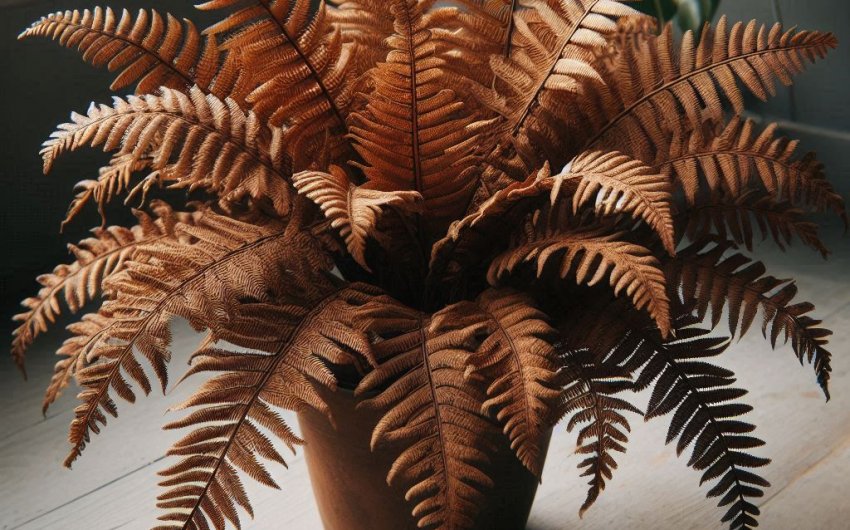
Ferns are beloved for their lush, feathery foliage, adding a touch of natural elegance to any indoor space. However, many fern enthusiasts eventually face the disheartening sight of their vibrant green fronds turning crispy and dark. If you're asking yourself, "Why are my indoor fern leaves turning dark brown and dry?", you're encountering one of the most common challenges in fern care. This issue almost always points to environmental stress, particularly related to moisture and humidity. Understanding these sensitive plants' needs is the first step to reviving their lush appearance and preventing future browning.
What Do Brown and Dry Fern Leaves Indicate?
When your indoor fern's leaves, or "fronds," start to turn dark brown and become dry and crispy, it's a clear signal that the plant is under stress. This discoloration can appear on the tips, edges, or even entire fronds. It's usually a sign that the fern isn't getting enough of something it desperately needs, or too much of something it dislikes. The primary culprits almost always revolve around moisture levels – both in the soil and in the air.
Key Indicators:
- Crispy Edges/Tips: Often the first sign, indicating low humidity or underwatering.
- Entire Fronds Brown and Dry: A more severe sign, typically due to prolonged underwatering or extreme lack of humidity.
- Dark Brown, Almost Black Patches: Can be an indication of overwatering (leading to root rot) or even cold damage. It's important to distinguish between dry browning and soggy, rotting browning. This article focuses on the "dry" aspect, which is far more common for ferns.
- Dropping Fronds: Severely stressed ferns may shed entire fronds.
Ferns are native to humid, forest environments where they typically grow under a canopy of trees. This means they are accustomed to consistent moisture, high humidity, and dappled light – conditions often difficult to replicate in a typical indoor home environment.
Why is Humidity So Important for Ferns?
Lack of humidity is perhaps the single biggest reason why your indoor fern leaves are turning dark brown and dry. Ferns absorb moisture not only through their roots but also directly from the air through their fronds.
- Natural Habitat: Ferns originate from rainforests or temperate woodlands where the air is consistently moist, often above 70% humidity.
- Transpiration: Plants lose water vapor through their leaves in a process called transpiration. In dry air, this water loss happens too quickly for the roots to keep up, leading to desiccation (drying out) of the delicate fronds. The tips and edges, being furthest from the water source and most exposed to dry air, are the first to suffer.
- Indoor Environment: Our homes, especially during winter with heating systems or in naturally arid climates, often have very low humidity (20-40% or even lower). This is simply too dry for most ferns.
Solutions for Low Humidity:
- Misting:
- Method: Use a fine mist spray bottle to mist your fern's foliage daily, or even twice a day in very dry conditions.
- Effectiveness: While helpful, misting provides only a temporary boost in humidity. The water evaporates quickly.
- Water Type: Use distilled, filtered, or rainwater to avoid mineral buildup on leaves, which can happen with tap water.
- Pebble Trays:
- Method: Place your fern's pot on a saucer or tray filled with pebbles and water. Ensure the bottom of the pot does not sit in the water, as this can lead to root rot.
- Effectiveness: As the water in the tray evaporates, it increases the humidity directly around the plant. This provides a more consistent humidity boost than misting alone.
- Products: You can buy plant humidifying pebble trays or make your own.
- Humidifier:
- Method: For the most effective and consistent humidity increase, place a room humidifier near your fern.
- Benefits: This is especially beneficial if you have multiple humidity-loving plants. Set it to maintain 50-70% humidity.
- Grouping Plants:
- Method: Place several plants close together. As plants transpire, they release moisture into the air, creating a microclimate of higher humidity around the group.
- Bathroom Placement:
- Method: If you have a bathroom with adequate light, it's an ideal spot for ferns due to the consistent humidity from showers and baths.
Is My Watering Schedule the Problem?
After humidity, improper watering is the second leading cause of dry, brown fern leaves. Ferns are particular about soil moisture – they like it consistently damp, but not soggy.
Underwatering:
- Symptoms: Dry, crispy fronds, especially starting from the tips and edges. The soil will feel completely dry. The plant may appear limp.
- Why it Happens: You're not watering frequently enough or thoroughly enough. Small pots dry out faster.
- Solutions:
- Check Soil Moisture Regularly: Stick your finger 1-2 inches into the soil. If it feels dry, it's time to water. A moisture meter can also be helpful.
- Water Thoroughly: Water until water drains from the bottom of the pot. Discard any excess water from the saucer. Never let the pot sit in standing water.
- Frequency: Depending on your environment, fern might need watering every 3-7 days.
- Consider Bottom Watering: For very dry plants or those in small pots, place the pot in a basin of water for 20-30 minutes. This allows the plant to absorb water from the bottom up.
Overwatering (Can also lead to brown leaves, but usually soggy brown):
- Symptoms: While this article focuses on "dry" brown leaves, it's worth noting that overwatering can also cause brown/black leaves, but these are typically soggy or mushy, and the soil will be constantly wet and possibly smelly. This often leads to root rot.
- Why it Happens: Watering too often, poor drainage, or compacted soil.
- Solutions:
- Ensure Drainage: Always use pots with drainage holes. If your decorative pot lacks holes, use a nursery pot inside it.
- Proper Potting Mix: Use a light, well-draining potting mix. A general houseplant potting mix often works, but some prefer to add extra perlite for drainage.
- Aeration: If soil is compacted, consider repotting with fresh, airy soil.
Could Too Much Light Be Burning My Fern?
Ferns are understory plants; they naturally grow in the filtered light beneath tree canopies. Direct, harsh sunlight can indeed cause their delicate fronds to burn and turn brown.
- Symptoms: Burnt, crispy patches on leaves, often concentrated on the parts most exposed to the sun. The browning might appear bleached or scorched.
- Why it Happens: Direct sun is too intense for most indoor ferns. Even bright, indirect light can be too much for some highly sensitive varieties.
- Solutions:
- Indirect Light: Place your fern in a location where it receives bright, indirect light. An east-facing window is often ideal, or a north-facing window.
- Filter Light: If a window gets too much light, use sheer curtains or move the plant a few feet away from the window.
- Avoid South/West Facing Windows: Unless heavily filtered, these windows typically provide too much direct sun.
What About Fertilization and My Water Quality?
Less common causes, but still factors that can contribute to brown and dry fern leaves, include improper fertilization and issues with tap water.
Fertilization:
- Over-Fertilizing: Ferns are light feeders. Too much fertilizer can burn their roots, leading to brown leaf tips and overall decline.
- Symptoms: Brown or black leaf tips, often with a white crust on the soil surface.
- Solutions:
- Dilute Fertilizer: Always use a liquid houseplant fertilizer at half or even quarter strength.
- Fertilize Sparingly: Fertilize only during the active growing season (spring and summer), typically once a month or every other month. Do not fertilize in fall or winter.
- Flush Soil: If you suspect over-fertilization, flush the soil thoroughly by watering until excess water drains out for several minutes.
- Under-Fertilizing (Less Common for Brown/Dry): While it won't typically cause brown and dry leaves, severe nutrient deficiency can lead to pale green or yellowing foliage and stunted growth.
- Solution: Ensure you are fertilizing occasionally during the growing season.
Water Quality:
- Fluoride and Chlorine: Some ferns (especially Boston ferns) are sensitive to fluoride and chlorine often found in tap water. These chemicals can build up in the soil and cause brown leaf tips.
- Symptoms: Brown tips on fronds, often with a clear line between the brown and green tissue.
- Solutions:
- Use Filtered Water: Use distilled, filtered, or rainwater for your fern.
- Let Tap Water Sit: If you must use tap water, let it sit out for 24 hours. This allows chlorine to evaporate (though not fluoride).
- Mineral Buildup: Hard water (high in minerals) can also lead to mineral buildup in the soil, which can stress the plant.
- Solutions: Use filtered water. Repot annually with fresh soil to remove accumulated minerals.
Could Pests Be Causing Brown Leaves?
While less common for the dry and brown symptom, severe pest infestations can weaken a plant to the point where its leaves begin to dry and die off.
- Common Fern Pests:
- Spider Mites: Tiny pests that create fine webbing, usually on the undersides of leaves. Their feeding causes stippling (tiny dots) on leaves, which can then turn yellow and eventually brown.
- Scale: Small, immobile, brown or black bumps on stems and leaves. They suck sap, leading to yellowing and weakening.
- Mealybugs: White, cottony masses found in leaf axils or on stems.
- Symptoms: Beyond the browning, look for the pests themselves, webbing, sticky honeydew, or distorted growth.
- Solutions:
- Inspect Regularly: Check your fern's fronds (especially undersides) during watering.
- Physical Removal: For small infestations, wipe off pests with a cotton swab dipped in rubbing alcohol.
- Insecticidal Soap/Neem Oil: For more widespread infestations, spray with organic insecticidal soap or neem oil spray. Follow product instructions carefully.
What General Care Tips Help Prevent Browning?
A holistic approach to fern care will go a long way in preventing brown, dry leaves.
- Choose the Right Fern: Some ferns are hardier indoors than others.
- Hardier: Boston Fern, Kimberly Queen Fern, Bird's Nest Fern, Maidenhair Fern (but still needs high humidity).
- Fussy: Holly Fern, Staghorn Fern (requires specific mounting and care).
- Consistent Care: Ferns thrive on consistency. Avoid drastic changes in temperature, light, or watering.
- Pruning:
- Remove Dead Fronds: Once a frond has completely turned brown and crispy, it won't recover. Trim it off at the base with clean scissors or pruners. This directs the plant's energy to healthy growth.
- Avoid Over-Pruning: Only remove truly dead or damaged fronds.
- Repotting:
- Infrequent: Ferns generally don't like to be repotted too often. Repot only when roots are growing out of drainage holes or the plant becomes top-heavy.
- When: Spring is the best time.
- Pot Size: Go up only one pot size (e.g., from 6-inch to 8-inch).
- Location, Location, Location: Find the ideal spot in your home that balances indirect light and humidity, and avoid drafts from windows or heating/AC vents.
If you're asking, "Why are my indoor fern leaves turning dark brown and dry?," it's almost always a call for more consistent moisture and higher humidity. By understanding your fern's basic needs and adapting your environment and care routine accordingly, you can transform crispy fronds into the lush, vibrant green foliage that makes ferns such captivating additions to any indoor garden. Patience and observation are key to mastering the art of fern care.