
How Can I Tell If My Succulent Is Suffering from Frost Damage?
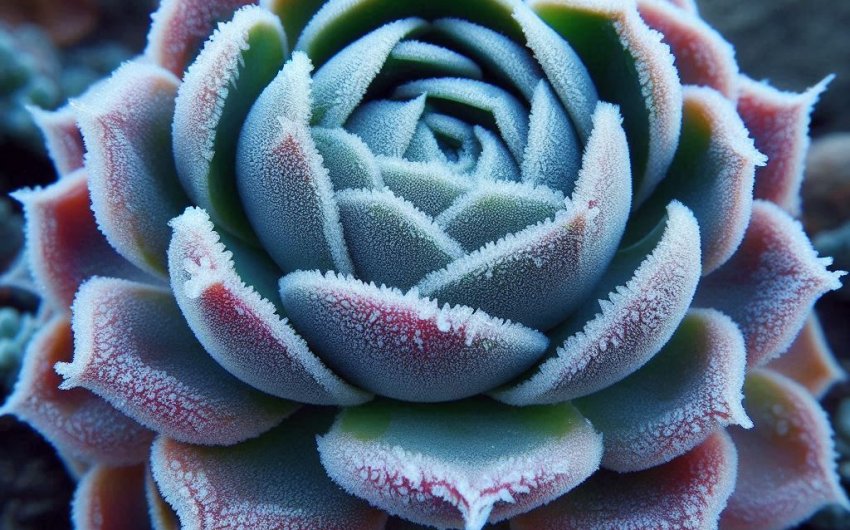
Succulents are beloved for their unique beauty and low-maintenance reputation, but even these hardy plants have their vulnerabilities. One of the most common and devastating issues, especially for outdoor succulents in cooler climates, is frost damage. It can strike quickly and silently, leaving your once vibrant plants looking distressed. Learning how you can tell if your succulent is suffering from frost damage is crucial for prompt action, as early identification and proper care can sometimes mitigate the harm and give your beloved plants a chance to recover. This guide will help you recognize the tell-tale signs of cold stress and frost bite, providing you with the knowledge to protect and potentially revive your precious succulents.
Why are Succulents Susceptible to Frost Damage?
Succulents, with their fleshy leaves and stems, are primarily adapted to arid environments with warm temperatures. Their survival strategy revolves around storing water, which unfortunately becomes their Achilles' heel when temperatures drop.
How Does Cold Affect Succulent Cells?
- Water Content: Succulents' ability to store large amounts of water in their leaves and stems makes them highly vulnerable to freezing temperatures. Just like water expands when it freezes in a pipe, the water inside succulent cells expands when it turns to ice.
- Cell Wall Rupture: This expansion causes the cell walls to rupture and burst. Once cell walls are compromised, the plant tissue essentially collapses.
- Thawing Damage: Even if the cells don't burst immediately during freezing, the rapid thawing process can also cause significant damage. The ice crystals melt, but the cellular structure is already compromised, leading to a mushy, disintegrated appearance. This is why it's often advised not to move or touch a frozen succulent until it has fully thawed naturally.
- Lack of Antifreeze Proteins: Unlike many temperate plants that develop "antifreeze" proteins or other mechanisms to protect their cells from ice crystal formation in cold weather, most succulents lack these adaptations. They simply aren't built for prolonged exposure to freezing temperatures.
What is the Difference Between Cold Stress and Frost Damage?
It's important to distinguish between simple cold stress and actual frost damage.
- Cold Stress: Occurs when temperatures drop below a succulent's ideal range but do not reach freezing. The plant might show signs of stress like changes in color (often intensifying reds, purples, or yellows), slowed growth, or a slightly deflated appearance. This is usually reversible if temperatures rise.
- Frost Damage: Occurs when the plant's internal water freezes, causing cell rupture. This is typically irreversible for the affected tissue. Damage often appears after the plant has thawed.
Most succulents begin to suffer damage below 32°F (0°C), though some hardy varieties (like many Sedum and Sempervivum) can withstand much colder temperatures. Knowing your specific succulent's cold tolerance is crucial for prevention.
What are the Immediate Signs of Frost Damage?
Observing your succulent immediately after a cold snap, or as it begins to thaw, is crucial for early detection of frost damage. The initial symptoms can be quite distinct from other plant ailments.
How Do Succulents Look Right After Freezing/Thawing?
- Water-Soaked or Translucent Appearance: This is often the most striking initial sign. Affected leaves or stems will look like they are full of water, becoming glassy, slimy, or translucent. The vibrant color will often fade, looking almost bleached. This is because the cells have burst, releasing their contents.
- Mushy and Soft to the Touch: Gently touch the affected areas. They will feel soft, flabby, or mushy, rather than firm and plump as healthy succulent leaves should. They might even feel cold and wet.
- Blackening or Darkening: As the water-soaked tissue continues to deteriorate, it will often turn dark, progressing from a translucent look to black, dark brown, or gray. This discoloration indicates dead or dying cells.
- Drooping and Collapse: Leaves or entire stems that were once upright and turgid will start to droop, sag, or completely collapse under their own weight. The plant will lose its structural integrity.
- Unusual Odor: In severe cases, particularly if the damage leads to rot, you might notice a foul or sour smell emanating from the affected plant parts. This is a sign of bacterial or fungal activity on decaying tissue.
What Happens if You Touch a Frozen Succulent?
It's often advised not to touch or move a succulent immediately after a hard freeze, while it is still frozen. This is because ice crystals within the cells are still rigid. Handling the plant can physically damage more cells and worsen the overall injury when it eventually thaws. Allow the plant to thaw naturally and gradually in a sheltered, slightly warmer location. Once thawed, then you can assess the damage and begin intervention.
What are the Delayed or Long-Term Signs of Frost Damage?
Sometimes, the full extent of frost damage isn't immediately apparent. Delayed symptoms can emerge days or even weeks after the cold exposure, as the plant tries to recover or the damaged tissue continues to decay.
What Does Frost-Damaged Succulent Tissue Look Like Over Time?
- Desiccation and Crisping: The water-soaked, mushy areas will eventually dry out. As the water evaporates from the ruptured cells, the affected leaves or stems will shrivel, turn brown or black, and become dry and crispy to the touch. This is essentially the dead tissue drying up.
- Scabbing or Scarring: On less severely damaged areas, particularly stems or the base of leaves, the plant might try to heal itself. This can result in hard, brown, or black, scab-like areas as the plant walls off the damaged tissue.
- Rot (Soft and Foul-Smelling): If the damaged tissue remains wet or if fungal/bacterial pathogens enter the compromised cells, rot can set in. This will manifest as increasingly soft, mushy, black, or brown areas that often have a distinct, unpleasant smell. Rot can quickly spread to healthy parts of the plant and is often fatal if it reaches the stem or crown.
- Deflated or Shriveled Leaves: Even without full blackening, leaves that were exposed to cold might simply shrivel up and become thin, losing their plumpness and turgidity. This indicates cellular collapse.
- Stunted or Distorted New Growth: If the growing tip or meristematic tissue (where new cells are formed) was damaged, any new growth that eventually emerges might be stunted, distorted, or abnormally colored.
- Sudden Leaf Drop: Severely damaged leaves might simply detach and fall off the plant after a period of browning or blackening.
Crucially, assess the stem and root ball. If the main stem or crown of the plant remains firm and plump (not mushy or black), the plant has a chance of recovery, even if many leaves are lost. If the stem is mushy, the plant is likely beyond saving.
Which Succulents are Most Vulnerable to Frost Damage?
While all succulents are somewhat susceptible to freezing temperatures, some varieties are much more sensitive than others. Knowing your plant's specific cold tolerance is the best defense against frost damage.
What Types of Succulents are Least Cold-Hardy?
These succulents generally cannot tolerate any freezing temperatures and must be brought indoors or protected when temperatures even dip below 40°F (4°C).
- Echeveria: Most Echeveria varieties are very susceptible to frost damage. Their plump leaves and compact rosettes are easily damaged by freezing.
- Crassula (especially Jade Plants): Common jade plants (Crassula ovata) are very sensitive to frost. Their leaves will quickly turn mushy and black.
- Aeonium: These succulents, often with tree-like growth habits, are highly vulnerable.
- Kalanchoe: Many Kalanchoe species, including popular florist varieties, are tropical and will suffer immediate damage in freezing conditions.
- Graptopetalum / Graptoveria: Like Echeveria, their fleshy leaves are prone to frost damage.
- Stapelia / Huernia (Cactus-like Succulents): These "carrion flowers" are very sensitive to cold.
- Euphorbia (most succulent types): Many succulent Euphorbia species are also quite tender.
What Succulents Show Greater Cold Hardiness?
While they can tolerate some frost, even these need protection in prolonged or very deep freezes. They are generally hardy down to 20-30°F (-6 to -1°C) for short periods.
- Aloe (some species): Certain Aloe species, like Aloe vera, can tolerate light frost for short durations.
- Agave (many species): Many Agave are quite cold-tolerant once established, especially larger varieties, but young plants or less hardy species still need protection.
- Sedum (some species, notably ground covers): Many groundcover Sedum varieties (e.g., 'Autumn Joy', 'Stonecrop') are incredibly cold-hardy, surviving well below freezing. These are the exceptions, not the rule for all Sedum.
- Sempervivum (Hens and Chicks): These are perhaps the most frost-tolerant succulents, often hardy down to USDA Zone 4 (-30°F to -20°F). They are excellent choices for cold climates. A cold hardy succulent variety pack will often include these types.
- Opunita (Prickly Pear Cactus - some species): Certain species, particularly native to colder desert regions, can be quite cold-hardy.
Always research the specific species or cultivar of your succulent to determine its precise cold hardiness. When in doubt, err on the side of caution and provide protection.
What Should You Do Immediately After Frost Exposure?
Once you suspect or confirm frost damage on your succulent, the actions you take (or don't take) immediately afterward can significantly impact the plant's chances of survival and recovery.
The Critical "Do Not Disturb" Period:
- Do NOT Touch or Move Frozen Succulents: As mentioned, if the plant is still frozen, leave it completely alone. Handling it can cause more cellular damage as the rigid ice crystals will shatter more cells.
- Move to a Sheltered Location: As soon as possible, once temperatures rise above freezing, move potted succulents to a protected area. This could be indoors, under a covered patio, or into a greenhouse. The goal is to allow the plant to thaw slowly and naturally, away from direct sun or drastic temperature changes.
- Avoid Direct Sunlight: Do not place a frozen or recently thawed succulent in bright, direct sunlight. Rapid warming can exacerbate cell damage. A bright, indirect light location is best for recovery.
- Do NOT Water: Do not water a plant that has suffered frost damage. The roots will not be able to absorb water from the compromised cells, and adding more moisture will only increase the risk of rot in the damaged tissue. Wait until you have assessed the damage and removed affected parts.
- Be Patient: Give the plant a few days (3-7 days) to fully thaw and for the full extent of the damage to become clear. Damaged areas will become evident as they turn mushy, black, or shrivel. Healthy tissue will remain firm.
Initial Assessment (After Thawing):
Once the plant has fully thawed, you can begin to assess the damage:
- Feel the Leaves/Stems: Gently press on various parts of the plant. Are they firm or mushy?
- Check the Core: The most critical part to check is the main stem or rosette's core. If this area is soft, mushy, or blackened, the plant's chances of recovery are slim to none.
- Look for Green/Firm Areas: Identify any parts that appear unaffected and remain firm. These are the areas that have survived.
How Do You Prune and Care for Frost-Damaged Succulents?
After a succulent has suffered frost damage and the initial assessment period is over, proper pruning and subsequent care are essential for its recovery and to prevent further issues like rot.
Step-by-Step Pruning of Damaged Tissue:
- Gather Tools: Use clean, sharp scissors, pruning shears, or a sharp knife. Sterilize your tools with rubbing alcohol before and after use to prevent the spread of pathogens.
- Identify Dead Tissue: Carefully examine the succulent. Any parts that are black, dark brown, mushy, translucent, or shriveled are dead and will not recover.
- Cut Back to Healthy Tissue: Prune away all visibly damaged parts. Make clean cuts into healthy, firm tissue. If a whole leaf is damaged, remove it entirely. If a stem is damaged, cut back until you reach a section that is green and firm internally.
- Remove All Debris: Collect all pruned, damaged plant material and dispose of it immediately. Do not leave it in the pot or garden bed, as it can attract pests or promote fungal/bacterial rot.
- Allow Wounds to Callus: After pruning, do not water the plant immediately. Allow the cuts to "callus over" for several days (3-7 days, depending on humidity). This dry, hardened layer protects the plant from pathogens entering the wound. Place the plant in a dry, well-ventilated area during this period.
Post-Pruning Care for Recovery:
- Light: Place the recovering succulent in a bright location with indirect sunlight. Avoid harsh, direct sun as the plant is already stressed.
- Watering: This is crucial. Do not water until the soil is completely dry and the plant shows signs of new growth or thirst (slight wrinkling of remaining healthy leaves). Overwatering a damaged plant is a sure way to invite rot. When you do water, water thoroughly, allowing excess water to drain.
- Temperature: Maintain consistent, warm temperatures (above 50°F / 10°C). Avoid cold drafts or sudden temperature changes.
- Air Circulation: Good airflow around the plant helps prevent fungal issues, especially after pruning wounds.
- Patience: Succulents recover slowly. It may take weeks or even months to see new growth. Do not fertilize a stressed or recovering plant; wait until it is actively growing again.
- Check for Stem Rot: Continue to monitor the main stem or crown. If it turns mushy or black, rot has set in, and the plant is likely beyond saving. However, if any healthy sections remain, you might be able to take cuttings.
Can Frost-Damaged Succulents Be Propagated?
Even if your succulent has suffered extensive frost damage, there might still be a chance to salvage parts of it through propagation, providing a glimmer of hope for your cherished plants.
When is Propagation a Viable Option?
Propagation is a viable option if:
- Some Healthy Tissue Remains: There are still healthy, firm, undamaged leaves or stem sections (at least a few inches long) that were not affected by the frost.
- The Main Stem is Compromised: If the main stem or crown has turned mushy or black from rot, but there are healthy upper sections of the stem or individual leaves, you can try to propagate from these unblemished parts.
How to Propagate from Frost-Damaged Succulents:
The general principles of succulent propagation apply, with extra caution to ensure you're using truly healthy material.
- Stem Cuttings:
- Identify Healthy Stem: Cut a section of the stem that is completely free of any signs of frost damage or rot. It should be firm, not mushy or discolored.
- Cut: Use clean, sharp pruners or a knife to make a clean cut just below a leaf node (where leaves emerge).
- Remove Lower Leaves: Remove the bottom few leaves from the cutting to expose about 1-2 inches of stem.
- Callus: Lay the cutting in a dry, warm, well-ventilated area, out of direct sunlight, for several days to 2 weeks. This allows the cut end to form a protective callus. This step is critical to prevent rot.
- Plant: Once callused, insert the cutting into a pot filled with well-draining succulent potting mix. Do not water immediately.
- Watering: Wait a week or two, then lightly water. Roots typically form within a few weeks to a month.
- Leaf Cuttings:
- Select Healthy Leaves: Gently twist or snap off healthy, plump leaves from the main stem. Ensure the entire leaf, including the base (where it attaches to the stem), comes off cleanly without tearing.
- Callus: Lay the leaves on a dry surface, out of direct sunlight, for 3-7 days to allow the cut end to callus over.
- Place on Soil: Once callused, place the leaf on top of or slightly pressed into succulent potting mix.
- Watering: Lightly mist the soil around the leaves every few days or when the soil is completely dry. Roots and new plantlets will eventually emerge from the callused end.
Important Note: Do not attempt to propagate from any leaves or stem sections that show even the slightest sign of frost damage (translucent, black, mushy, shriveled). These parts are dead or dying and will only rot. Use only pristine, healthy material.
How Can You Prevent Future Frost Damage?
The best defense against frost damage is prevention. Understanding and implementing protective measures before cold weather strikes is crucial for the survival of your tender succulents.
What are the Best Prevention Strategies?
- Know Your Plants' Hardiness: Research the cold tolerance of each succulent species you own. Group plants by their hardiness levels.
- Monitor Weather Forecasts: Stay informed about upcoming temperature drops, especially unexpected cold snaps or early/late frosts. Use a weather station for accurate local readings.
- Bring Indoors:
- Timing: For tender succulents, bring them indoors when nighttime temperatures consistently drop below 40-45°F (4-7°C), before there's any chance of frost.
- Location: Provide a bright location, ideally near a south-facing window or under grow lights to prevent etiolation (stretching). Reduce watering significantly during winter dormancy.
- Outdoor Protection (for less severe cold/brief frosts):
- Move to Sheltered Spot: If potted, move succulents closer to the house, under eaves, or beneath a covered patio where they get some radiated warmth and protection from direct frost.
- Covering: For in-ground succulents or large containers that can't be moved:
- Lightweight Fabric: Cover plants with a frost cloth, old bedsheets, burlap, or blankets before sunset. Secure the cover to the ground to trap warmth. Remove the cover in the morning once temperatures rise above freezing. Do not use plastic directly on leaves as it can conduct cold.
- Cloches/Mini Greenhouses: Small individual cloches or a portable greenhouse can offer more robust protection.
- Mulch: For hardy in-ground succulents, a thick layer of organic mulch around the base can help insulate the roots, but it won't protect the above-ground foliage.
- Withhold Water Before a Freeze: If a freeze is expected, ensure the soil is dry. Moist soil conducts cold more efficiently than dry soil, potentially causing more root damage.
- Avoid Late Fertilization: Don't fertilize succulents heavily in late summer or fall, as this encourages tender new growth that is more susceptible to frost damage.
By understanding the signs of frost damage and implementing proactive prevention strategies, you can ensure your succulents remain healthy, vibrant, and a source of joy in your garden or home for many years to come.