
Why Are My Dieffenbachia’s Lower Leaves Yellowing Rapidly?
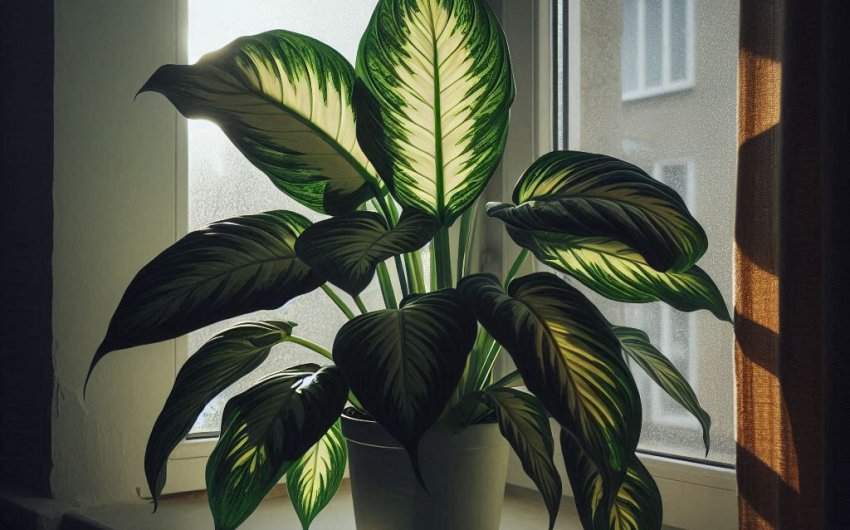
Observing your Dieffenbachia's lower leaves yellowing rapidly can be a cause for concern, as it often signals an underlying issue that needs prompt attention. While some leaf yellowing is a natural part of a plant's life cycle, a sudden and quick change, especially concentrated on the lower foliage, indicates stress or suboptimal conditions. This comprehensive guide will help you diagnose the specific problem and implement the right strategies to revive your striking houseplant.
Why Do Dieffenbachia Leaves Turn Yellow?
Dieffenbachia plants are beloved for their bold, often variegated foliage, adding a tropical touch to indoor spaces. However, like all living things, they can show signs of distress. When the leaves of your Dieffenbachia begin to turn yellow, it's a clear indication that something in its environment or care routine is out of balance. While a single yellowing lower leaf might be normal aging, rapid yellowing, especially affecting multiple lower leaves, suggests a problem that needs investigation.
What are the Common Causes of Yellowing Leaves on Dieffenbachia?
Several factors can contribute to leaf yellowing in Dieffenbachia. Understanding these common culprits is the first step in diagnosing and resolving the issue.
- Overwatering (Most Common Cause):
- Explanation: Dieffenbachia plants prefer consistently moist but not soggy soil. Overwatering suffocates the roots by depriving them of oxygen, leading to root rot. Damaged roots cannot effectively absorb water and nutrients, causing the leaves to yellow and eventually turn mushy or brown.
- Symptoms: Yellowing starts on lower leaves, often accompanied by brown, soft, or mushy spots on stems or leaves. The soil will likely feel perpetually wet, and a foul odor may emanate from the pot. Leaves might also drop rapidly.
- Underwatering:
- Explanation: While less common than overwatering for Dieffenbachia, consistent underwatering can also lead to yellowing leaves as the plant tries to conserve moisture.
- Symptoms: Leaves turn yellow, become crispy, and may start to curl or droop. The soil will be bone dry and compacted. Yellowing often starts from the edges inwards.
- Insufficient Light:
- Explanation: Dieffenbachia plants need bright, indirect light to thrive. Too little light means the plant cannot photosynthesize effectively, leading to weak growth and, often, yellowing of older, lower leaves as the plant sacrifices them to support new growth.
- Symptoms: Pale green or yellow leaves, often leggy or stretched growth, and loss of variegation. Yellowing might be gradual, but if moved to a much darker spot, it can happen more rapidly.
- Nutrient Deficiency:
- Explanation: Over time, the nutrients in potting soil get used up. A lack of essential nutrients, particularly nitrogen (which is vital for green foliage), can cause leaves to yellow.
- Symptoms: General yellowing of older leaves, stunted growth, or overall pale appearance. If specifically nitrogen, older leaves turn yellow evenly. If magnesium, veins remain green while the area between them yellows.
- Temperature Stress / Cold Drafts:
- Explanation: Dieffenbachia are tropical plants sensitive to cold temperatures (below 60°F or 15°C) and sudden drafts. Cold exposure can shock the plant and damage cells.
- Symptoms: Rapid yellowing and drooping of leaves, often followed by browning or blackening. Occurs quickly after exposure to cold.
- Pests:
- Explanation: Pests like spider mites, mealybugs, or scale insects feed on plant sap, weakening the plant and causing discoloration. Severe infestations can lead to widespread yellowing.
- Symptoms: Tiny dots (stippling) on leaves, sticky residue (honeydew), visible insects, fine webbing (spider mites), followed by yellowing and overall decline. Yellowing often progresses quickly from the area of infestation.
- Natural Aging:
- Explanation: It's normal for the oldest, lowest leaves on a Dieffenbachia to yellow and eventually drop as the plant grows and sheds its old foliage. This is a slow, gradual process, typically affecting only one or two leaves at a time.
- Symptoms: A single lower leaf yellows evenly, then browns, and eventually drops off. The rest of the plant appears healthy. This is not "rapid yellowing."
- Transplant Shock:
- Explanation: Moving a plant to a new pot or environment can cause temporary stress, leading to some yellowing and leaf drop as it adjusts.
- Symptoms: Yellowing and dropping of a few lower leaves shortly after repotting or relocation. Usually resolves itself as the plant recovers.
Why Do Lower Leaves Yellow First?
The lower, older leaves of a Dieffenbachia (and many other plants) are often the first to show symptoms of stress because they are the least efficient or the most expendable parts of the plant's structure.
- Nutrient Relocation: When a plant is nutrient-deficient or stressed, it will reallocate valuable resources (like nitrogen) from older, less efficient leaves to support new growth or to areas of the plant under more immediate demand.
- Less Efficient Photosynthesis: Lower leaves often receive less light than upper leaves, making them less efficient at photosynthesis. When light is insufficient or the plant is struggling, these leaves become a drain on resources.
- First to be Sacrificed: As a survival mechanism, the plant will prioritize shedding older, lower leaves to conserve energy and focus resources on healthier, newer growth when resources are scarce or conditions are unfavorable.
How Can You Treat Overwatering and Root Rot?
Overwatering is the single biggest threat to Dieffenbachia, almost always leading to root rot, which manifests as rapid yellowing of lower leaves and overall decline. Immediate and decisive action is crucial to save your plant.
Step-by-Step Root Rot Recovery
This process aims to dry out the root system, remove diseased tissue, and provide a fresh start.
- Gently Unpot the Plant: Carefully remove the Dieffenbachia from its current pot. Avoid pulling on the stem; instead, tip the pot on its side and gently ease the plant out, or use a garden trowel to loosen the edges.
- Inspect and Clean Roots:
- Gently brush away as much of the old, soggy soil as possible. You may need to gently rinse the roots under lukewarm running water to see them clearly.
- Identify Rot: Healthy Dieffenbachia roots are firm and light in color (white or tan). Rotted roots will appear dark brown or black, mushy, slimy, and may have a foul, sulfuric odor.
- Trim Away All Rotted Parts: Using clean, sharp pruning shears or a knife (sterilize the blades with rubbing alcohol before and after each cut), cut away all affected roots and any mushy or discolored parts of the stem or leaves. Cut back to healthy, firm, white tissue. If the main stem's base is completely mushy, you may need to take stem cuttings from healthy parts of the plant to propagate (see below).
- Discard Old Soil and Clean Pot: Throw away all the old, contaminated potting mix. Do not reuse it. Thoroughly clean the old pot with hot soapy water, and if the rot was severe, disinfect it with a diluted bleach solution (1 part bleach to 9 parts water) to kill any remaining fungal or bacterial spores.
- Allow Plant to Air Dry (Crucial): This step is vital for allowing cut root surfaces to "callus" (form a dry, protective layer), which prevents new infections when repotted.
- Lay the unpotted Dieffenbachia (or just its root ball if the stem is very large) on a clean, dry surface (newspaper, paper towels) in a warm, dry spot with good air circulation, out of direct sunlight.
- Drying Time: Allow it to air dry for at least 12-24 hours for minor rot, and up to 2-3 days for more severe cases, or until the cut surfaces are visibly dry and hardened.
- Repot with Fresh, Well-Draining Soil:
- New Potting Mix: Use a fresh, well-draining indoor potting mix. You can enhance drainage by mixing it with perlite (2 parts potting mix to 1 part perlite) or coarse sand.
- Pot Choice: Ensure the pot has adequate drainage holes. Terracotta pots are excellent for Dieffenbachia as their porous nature allows soil to dry out more evenly. A terracotta plant pot with drainage is always a safe bet.
- Repotting: Place a thin layer of fresh soil at the bottom, center the plant, and fill gently around the roots, ensuring the plant is at the same level it was previously. Do not pack the soil down tightly.
- Withhold Water (Again, Crucial): Do NOT water the newly repotted Dieffenbachia for at least 3-7 days. This encourages the plant to put out new roots in search of moisture and ensures the soil won't become waterlogged immediately.
- Resume Proper Watering: After the initial dry period, begin watering using the "soak and dry" method. Only water when the top 2-3 inches of soil feel dry. Use a soil moisture meter for accuracy.
Propagating Healthy Cuttings
If the root rot is too severe and has compromised the main stem, your best option is to propagate new plants from healthy parts.
- Select Healthy Stem Sections: Find sections of the stem that are firm and free of any yellowing or mushiness. Each section should have at least 1-2 nodes (where leaves attach).
- Make Clean Cuts: Using sterilized scissors or a knife, cut the stem into sections, ensuring each piece is 4-6 inches long. Remove any lower leaves that would be submerged.
- Callus Cuttings: Lay the stem cuttings on a dry surface in a warm, indirect light spot for 2-5 days to allow the cut ends to form a dry callus.
- Rooting Medium:
- Water: Place the callused cuttings in a jar of clean water, ensuring at least one node is submerged. Change the water every few days. Roots will appear in a few weeks.
- Potting Mix: Plant the callused cuttings directly into a small pot filled with moist (not wet) potting mix for propagation (e.g., equal parts peat moss and perlite).
- Provide Warmth and Humidity: Place cuttings in a warm spot with indirect light. High humidity can help; you can cover them loosely with a plastic bag or dome, but ensure airflow to prevent mold.
- Patience: Rooting can take several weeks or even months. Once a good root system has developed (in water) or new growth appears (in soil), you can pot them up properly.
How Can You Fix Light and Nutrient Problems?
Once overwatering is ruled out, or as part of an overall recovery plan, addressing light and nutrient issues is crucial for restoring your Dieffenbachia's health and preventing future yellowing.
Optimizing Light Conditions
Light is foundational for plant energy and growth.
- Bright, Indirect Light is Key: Dieffenbachia thrives in bright, indirect light. This means a spot near a window that receives plenty of ambient light but avoids direct, harsh sunlight, especially afternoon sun, which can scorch leaves.
- Ideal Locations: East-facing windows are often perfect. A few feet back from a south or west-facing window, or behind a sheer curtain, can also work.
- Symptoms of Too Little Light:
- Pale or Yellowing Lower Leaves: The plant sacrifices older leaves to preserve energy for new growth.
- Leggy Growth: Stems become stretched and "reach" towards the light, with leaves spaced far apart.
- Loss of Variegation: The distinctive patterns on variegated varieties may fade.
- Solution: Move the plant to a brighter location. Gradually introduce it to brighter light to avoid shocking it.
- Symptoms of Too Much Light/Sunburn:
- Yellowing with Brown Patches: Leaves develop crispy, brown, or bleached spots where direct sun has hit.
- Solution: Move the plant away from direct sunlight or use a sheer curtain to filter the light.
Addressing Nutrient Deficiencies
Over time, potting mix loses its nutrients, leading to deficiencies that can manifest as yellowing.
- Fertilize During Growing Season: Fertilize your Dieffenbachia only during its active growing season (spring and summer).
- Balanced Liquid Fertilizer: Use a balanced liquid houseplant fertilizer (e.g., 10-10-10 or 20-20-20 NPK).
- Dilution is Key: Always dilute the fertilizer to half or even quarter strength (especially for Dieffenbachia, which are not heavy feeders) to avoid fertilizer burn. Over-fertilization can actually damage roots and cause yellowing.
- Frequency: Fertilize every 2-4 weeks during the growing season.
- Don't Fertilize Stressed Plants: Never fertilize a plant that is already yellowing or stressed from overwatering, underwatering, or pests. Allow it to recover first.
- Repotting: Fresh potting mix every 1-2 years during repotting provides a fresh supply of nutrients, often making heavy fertilization unnecessary.
- Symptoms of Nitrogen Deficiency: General yellowing of older, lower leaves, which eventually turn pale green then yellow, sometimes retaining green veins. Overall stunted growth.
- Symptoms of Magnesium Deficiency: Interveinal chlorosis (yellowing between the veins) on older leaves, while the veins remain green. This can be addressed by a fertilizer containing micronutrients or an Epsom salt drench (1 tablespoon per gallon of water, applied sparingly).
How Do You Prevent Future Yellowing and Maintain a Healthy Dieffenbachia?
Once your Dieffenbachia is on the path to recovery, establishing a consistent and optimal care routine is paramount to prevent future yellowing and ensure its long-term health and vibrant foliage.
Consistent Watering Practices
This is the most critical preventative measure.
- Adhere to "Soak and Dry": Continuously follow the soak and dry method, ensuring the top 2-3 inches of soil are dry before watering again. Adjust frequency based on season, temperature, and humidity.
- Check Drainage: Always confirm your pot has functioning drainage holes and that water isn't collecting in the saucer. Empty excess water from saucers immediately.
- Seasonal Adjustments: Significantly reduce watering frequency during fall and winter (dormant periods) when growth slows and light is lower.
Stable Environment
Dieffenbachia thrives in stable, warm conditions.
- Temperature: Maintain indoor temperatures between 65-80°F (18-27°C). Protect from temperatures below 60°F (15°C).
- Avoid Drafts: Keep your plant away from cold windows, exterior doors, and heating/cooling vents, which can cause sudden temperature fluctuations and dry air.
- Humidity: Aim for moderate to high humidity (50-60%).
- Use a pebble tray.
- Group plants together to create a humid microclimate.
- Consider a room humidifier in very dry climates, especially in winter.
- Mist leaves occasionally, but don't overdo it, as constant wet leaves can encourage fungal spots.
Regular Maintenance
Simple routine tasks contribute to overall plant health.
- Dust Leaves: Regularly wipe down the large leaves with a damp cloth to remove dust. Dust can block light and hinder photosynthesis. A microfiber plant leaf cleaner can be very effective.
- Pruning: Remove any yellowing, brown, or damaged leaves as they appear. This directs the plant's energy towards healthy new growth. Use clean, sharp pruning shears.
- Repotting: Repot every 1-2 years, or when the plant becomes root-bound, into a pot only 1-2 inches larger. This provides fresh soil and prevents root circling.
- Pest Checks: Regularly inspect your Dieffenbachia for any signs of pests (undersides of leaves, leaf axils). Early detection makes treatment much easier. If you spot pests, isolate the plant and treat immediately with organic insecticidal soap or neem oil.
By diligently diagnosing the underlying causes and implementing consistent, appropriate care, you can reverse the yellowing trend and restore your Dieffenbachia's lush, vibrant foliage. Mastering why are my Dieffenbachia's lower leaves yellowing rapidly and its remedies ensures your beautiful plant continues to thrive as a stunning focal point in your home.