
What Should I Do If My Alocasia’s Stems Are Turning Soft?
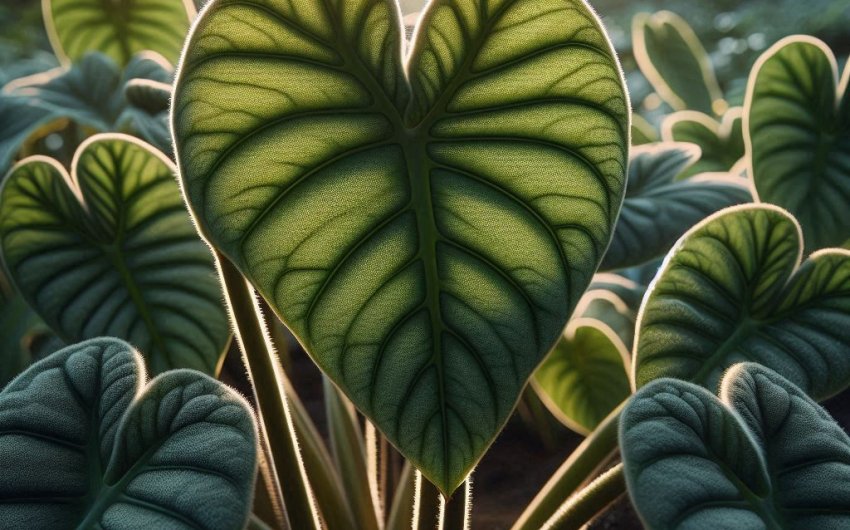
Alocasia plants, with their dramatic foliage and striking presence, are beloved additions to any indoor plant collection. However, like all living things, they can encounter health issues. A particularly alarming symptom for any plant parent is discovering your Alocasia's stems are turning soft. This softness, often accompanied by mushiness or discoloration, is a clear distress signal that demands immediate attention. This guide will delve into the most common reasons behind soft Alocasia stems and provide actionable steps to diagnose, treat, and ultimately revive your treasured plant.
What causes Alocasia stems to turn soft?
When an Alocasia's stems are turning soft, it's almost always a sign of a critical underlying problem, most commonly related to water. Understanding the root cause is the first step toward effective treatment.
Is overwatering the main culprit?
Yes, overwatering is by far the most frequent reason for soft, mushy Alocasia stems. Alocasias are prone to root rot when their roots sit in soggy soil for too long.
- How it happens: When you water too frequently or use a pot with poor drainage, oxygen is pushed out of the soil. Without oxygen, roots cannot "breathe" and begin to rot.
- Symptoms:
- Stems become soft, mushy, or translucent, starting from the base.
- Leaves may yellow, droop, or develop dark, water-soaked spots.
- A foul, musty odor might emanate from the soil.
- The plant looks generally unhealthy and weak.
Can root rot cause soft stems?
Root rot is the direct consequence of prolonged overwatering and is the primary cause of soft stems. As roots rot, they can no longer absorb water or nutrients effectively, and the decay spreads upwards into the corm and stems.
- Corm Rot: Alocasias grow from a corm (a swollen underground stem that stores water and nutrients). If the corm rots, it affects the entire plant, leading to soft stems and eventual collapse.
- Symptoms: All the symptoms of overwatering, but specifically, the roots will appear brown or black and feel mushy or slimy instead of firm and white.
Are fungal or bacterial infections a cause?
While less common than overwatering alone, fungal or bacterial infections can also cause stems to soften, especially if the plant is already weakened by stress (like overwatering or improper environmental conditions). These pathogens thrive in moist, humid environments.
- Symptoms: Similar to root rot, with localized soft spots, dark lesions, or spreading mushiness. Sometimes accompanied by a visible mold or mildew.
Can cold damage make stems soft?
Alocasias are tropical plants and are very sensitive to cold temperatures. Exposure to drafts, cold windows, or temperatures below 60°F (15°C) can cause cellular damage, leading to soft or mushy stems and leaves.
- Symptoms: Stems become soft or watery, often turning dark or black. Leaves may also blacken or become translucent and limp. This damage usually occurs rapidly after cold exposure.
Is natural dormancy a factor?
While not typically leading to soft stems, some Alocasia varieties can enter a period of dormancy, especially during winter or if conditions (like light or humidity) are unfavorable. During dormancy, leaves may yellow and die back.
- Distinguishing factor: Dormancy usually involves leaves slowly yellowing and drying up, not turning mushy. The corm should remain firm and healthy. If stems are soft, it's likely not just dormancy.
What is the immediate action plan for soft Alocasia stems?
If your Alocasia's stems are turning soft, time is of the essence. You need to act quickly to save your plant.
Step 1: Remove the plant from its pot
This is the most crucial first step. You need to inspect the roots and corm immediately.
- Gently tip the pot: Carefully slide the Alocasia out of its pot. If it's stuck, you might need to gently squeeze the sides of a plastic pot or use a clean tool to loosen the soil around the edges.
- Shake off excess soil: Gently remove as much of the old potting mix from around the roots as possible. This will allow you to clearly see the root system and the corm.
Step 2: Inspect the roots and corm
This step will confirm if root rot is the problem and assess the extent of the damage.
- Examine the roots:
- Healthy roots: Will appear firm, white, or light tan, and may have a slight earthy smell.
- Rotted roots: Will be dark brown or black, mushy, slimy, and often emit a foul, decaying odor. They will easily fall apart when touched.
- Examine the corm:
- Healthy corm: Should be firm and light-colored (white, cream, or light brown) when you scratch it slightly.
- Rotten corm: Will have dark, soft, or mushy spots. It might feel squishy or hollow.
Step 3: Prune affected areas
This step is critical for removing diseased tissue and stopping the spread of rot.
- Use sterile tools: Always use clean, sharp pruning shears for plants or a knife. Sterilize them with rubbing alcohol before and after each cut.
- Remove all soft/mushy stems: Cut off any stems that are soft, discolored, or mushy, cutting back to healthy, firm tissue. It's better to cut off more than not enough.
- Trim rotted roots: Cut away all black, brown, or mushy roots. Continue cutting until you reach healthy, firm root tissue.
- Cut out corm rot: If the corm has rot, carefully cut away all diseased, discolored, and soft parts. You might need to make several cuts until only firm, healthy tissue remains. This might leave you with a much smaller corm.
- Apply fungicide (optional): After pruning, you can dust the cut surfaces of the corm with a horticultural fungicide powder or activated charcoal to help prevent further fungal infection.
Step 4: Allow to air dry
After pruning, it's important to let the cut surfaces dry and "callus over" before repotting. This helps prevent new infections.
- Place in a dry spot: Lay the cleaned and pruned corm/root ball on a clean paper towel or newspaper in a warm, dry spot with good air circulation. Avoid direct sunlight.
- Drying time: Allow it to air dry for several hours to a day, or until the cut surfaces have formed a dry, hardened layer. For severe corm rot, this might take 2-3 days.
How do I repot and care for a recovering Alocasia?
Once you've performed emergency surgery on your Alocasia, careful repotting and follow-up care are essential for its recovery.
What kind of potting mix is best for repotting?
The right potting mix is crucial for preventing future overwatering issues.
- Well-draining and airy: Alocasias need a mix that drains quickly and provides good aeration to their roots.
- Ingredients: A good mix typically includes:
- Standard potting mix: About 30-40%
- Orchid bark or coco coir chunks: About 30-40% for aeration and drainage. You can use orchid bark for plants.
- Perlite: About 20-30% for added drainage. Look for horticultural perlite.
- Optional: A small amount of activated charcoal for its antifungal properties.
What size pot should I use for repotting?
- Downsize if necessary: After trimming away rotted roots and corm, your plant may have a smaller root ball. Use a pot that is just slightly larger than the remaining healthy root system. A pot that's too large will hold too much moisture, increasing the risk of overwatering again.
- Drainage holes: Always use a pot with adequate drainage holes.
Step 5: Repotting your Alocasia
- Add fresh mix: Place a layer of your fresh, well-draining potting mix at the bottom of the new pot.
- Position the corm: Center the Alocasia corm on top of the soil, ensuring it sits at roughly the same depth it was previously.
- Fill with mix: Gently fill the rest of the pot with the new potting mix, lightly tamping it down to remove large air pockets. Do not pack the soil down too tightly, as this will reduce aeration.
Step 6: Initial watering after repotting
- Delay watering (important!): After repotting, do NOT water immediately if you've dealt with root rot. Wait 2-3 days (or even up to a week if the corm was heavily pruned) before the first watering. This allows any disturbed roots to heal and prevents a relapse into soggy conditions.
- First watering: When you do water, water thoroughly until water drains from the bottom. Empty any excess water from the saucer.
Step 7: Provide the right environment for recovery
- Light: Place your recovering Alocasia in a spot with bright, indirect light. Avoid direct harsh sun, which can stress a weakened plant.
- Humidity: Maintain high humidity (60-80%) around your Alocasia. This helps reduce stress and supports leaf recovery. Use a plant humidifier or place the plant near a pebble tray.
- Temperature: Keep the temperature consistently warm, ideally between 65-80°F (18-27°C). Avoid cold drafts or sudden temperature drops.
- Avoid fertilizing: Do not fertilize a recovering Alocasia. Wait until it shows clear signs of new growth (new leaves emerging) before considering a very diluted feeding.
How can I prevent Alocasia stems from turning soft again?
Prevention is key to maintaining a healthy Alocasia and avoiding the stressful situation of soft stems. Mastering your watering habits and providing optimal conditions are crucial.
What are the best watering practices for Alocasia?
- Allow soil to dry out partially: The most critical rule. Alocasias prefer their soil to dry out about 50-75% of the way down the pot between waterings. Use a plant moisture meter or stick your finger into the soil. For larger pots, a wooden skewer can reach deeper.
- Thorough watering: When you do water, water deeply until water drains from the bottom of the pot. This encourages deep root growth.
- Empty saucers: Never let your Alocasia sit in standing water. Always empty the saucer after watering.
- Adjust seasonally: Alocasias need less water in winter when light levels are lower and growth slows. Reduce watering frequency significantly.
What is the ideal light for Alocasia plants?
- Bright, indirect light: This is their sweet spot. Place them near a window that receives plenty of natural light but where direct sun rays don't hit the leaves for prolonged periods. An east-facing window is often ideal, or a few feet back from a south or west-facing window.
- Avoid low light: Too little light can slow down growth and make the plant more susceptible to overwatering because it uses less water.
- Avoid harsh direct sun: Can scorch leaves.
Why is humidity so important for Alocasia?
Alocasias are tropical plants and thrive in high humidity. Lack of humidity won't cause soft stems, but it can cause crispy leaf edges and generally stress the plant, making it more vulnerable to other issues.
- Maintain 60-80% humidity: Use a humidifier for houseplants, pebble trays, or group plants together.
What is the best potting mix and pot for Alocasia?
- Chunky, well-draining mix: Use a mix rich in aeration materials like orchid bark, perlite, and coco coir. Avoid dense, heavy potting soils.
- Proper pot size: Don't over-pot. Use a pot that is only slightly larger than the root ball. Too large a pot holds too much excess moisture.
- Drainage holes: Absolutely essential! Never use a pot without drainage holes.
How often should I fertilize Alocasia?
- During growing season: Fertilize every 2-4 weeks during the active growing season (spring and summer) with a balanced liquid fertilizer for houseplants diluted to half strength.
- Reduce in winter: Do not fertilize in fall and winter when growth slows. Over-fertilization can stress the plant.
When should I repot my Alocasia?
- When root-bound: Repot only when the Alocasia is visibly root-bound (roots circling the pot or emerging from drainage holes). This is typically every 1-2 years.
- Use a slightly larger pot: Only go up one pot size (e.g., from a 6-inch to an 8-inch pot) to avoid excess soil that holds too much moisture.
Observing that your Alocasia's stems are turning soft is a worrying sign, but it's also a clear indicator that your plant needs a change in care. By promptly addressing root rot, pruning away diseased tissue, and then implementing a consistent regimen of proper watering, light, and humidity, you can guide your dramatic Alocasia back to vibrant health. Remember, learning from these plant challenges makes you a more attentive and skilled plant parent in the long run.