
How Can I Fix Drooping Leaves on My Indoor Dracaena?
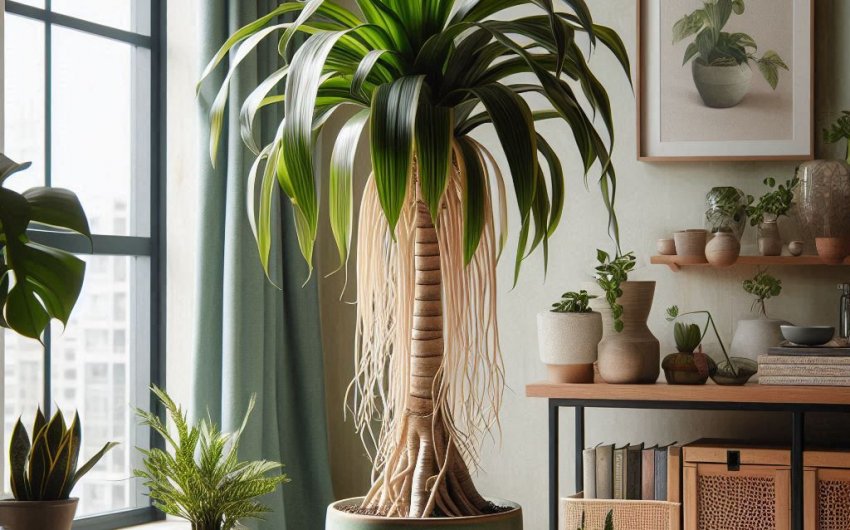
Dracaena plants, with their elegant sword-like leaves and architectural stems, are popular choices for adding a touch of the tropics to indoor spaces. They are generally considered low-maintenance, but even these resilient plants can show signs of distress. One of the most common and alarming symptoms is when their once upright leaves begin to droop. If you're wondering, "How can I fix drooping leaves on my indoor Dracaena?" you're in the right place. Drooping leaves are a clear signal that your plant is unhappy, and understanding the underlying cause is the first step toward reviving its vibrant display.
Why Are My Dracaena Leaves Drooping? Understanding the Causes
Drooping leaves on a Dracaena are almost always a sign of a water-related issue or environmental stress. Pinpointing the exact cause requires a bit of detective work, as both too much and too little water can lead to similar symptoms.
1. What Are the Signs of Underwatering?
This is often the first thought when leaves start to droop.
- Symptoms:
- Limp, Drooping Leaves: The leaves lose their turgor (internal water pressure) and become soft and bendy.
- Crispy Leaf Tips/Edges: The ends or edges of the leaves may turn brown and crispy.
- Dry Potting Mix: The soil will feel completely dry to the touch, and may have pulled away from the sides of the pot.
- Light Pot Weight: The pot will feel significantly lighter than when it was just watered.
- Why it Happens: Dracaenas prefer consistent moisture but also need periods of drying out. If the soil remains dry for too long, the plant cannot draw enough water to keep its cells plump, leading to wilting.
- Solutions for Underwatering:
- Thorough Watering: Water the plant slowly and deeply until water drains freely from the bottom of the pot.
- Soak Method: If the soil is extremely dry and compacted, place the entire pot in a basin of water for 30-60 minutes to allow it to rehydrate from the bottom up.
- Adjust Frequency: Adjust your watering schedule to ensure the plant doesn't stay dry for too long. Check the soil moisture regularly, especially during warmer months or in dry indoor environments. A soil moisture meter can be a helpful tool.
2. What Are the Signs of Overwatering and Root Rot?
This is the most common and serious cause of drooping leaves in Dracaenas. Ironically, it can look just like underwatering.
- Symptoms:
- Limp, Drooping Leaves (Paradoxical): The leaves droop even though the soil feels wet. This is because the roots are rotting and cannot absorb water, making the plant thirsty despite being in saturated soil.
- Yellowing Leaves: Often starting with lower leaves, turning yellow and sometimes mushy.
- Soft, Mushy Stems: The base of the stem near the soil line may feel soft or mushy, indicating stem rot.
- Foul Odor: A rotten or sour smell emanating from the soil or drainage holes.
- Root Rot (when unpotted): Roots appear dark brown or black, feel mushy, and may fall apart when touched. Healthy roots are typically firm and white/tan.
- Why it Happens: Dracaenas are very sensitive to soggy soil. Constantly wet conditions deprive roots of oxygen, leading to root rot caused by anaerobic bacteria and fungi.
- Solutions for Overwatering/Root Rot: (This requires immediate and more aggressive action)
- Stop Watering: Do not water the plant until the soil has dried out significantly.
- Improve Drainage:
- Always use pots with drainage holes. If your pot doesn't have them, repot immediately.
- Ensure your potting mix is well-draining. A typical houseplant potting mix with added perlite or bark can work well.
- Check and Treat Root Rot:
- Unpot the plant: Gently remove the Dracaena from its pot.
- Inspect roots: Examine the roots for signs of rot (mushy, black, foul-smelling).
- Prune rotted roots: Using sterilized pruning shears, cut away all affected roots back to healthy, firm tissue.
- Prune foliage (optional): If a lot of roots were removed, prune back some corresponding foliage to reduce stress on the remaining roots.
- Repot: Repot into a clean pot (or the same one, sterilized) with fresh, well-draining potting mix.
- Water lightly initially: Water sparingly after repotting, allowing the soil to dry out well between future waterings. Place in bright, indirect light to aid recovery.
3. How Does Low Humidity Affect Dracaena Leaves?
Dracaenas are tropical plants and appreciate higher humidity than typically found in most homes, especially in winter.
- Symptoms:
- Brown, Crispy Leaf Tips/Edges: Similar to underwatering, but the soil may feel moist. The browning often starts at the very tip and moves inwards.
- Slight Drooping: While not as dramatic as from over/underwatering, persistent low humidity can lead to a general lack of perkiness.
- Why it Happens: Dry air causes excessive transpiration (water loss through leaves), leading to moisture stress for the plant.
- Solutions for Low Humidity:
- Humidifier: The most effective solution is to place a room humidifier near your plant.
- Pebble Tray: Place the pot on a tray filled with pebbles and water (ensure the pot is not sitting in the water). As the water evaporates, it increases humidity around the plant.
- Group Plants: Grouping plants together creates a microclimate with slightly higher humidity as they all transpire.
- Misting (Limited Effect): While popular, misting provides only a very temporary increase in humidity.
4. What About Temperature Extremes and Drafts?
Sudden changes or consistently incorrect temperatures can stress Dracaenas.
- Symptoms:
- Sudden Drooping/Wilting: Can occur if exposed to sudden cold drafts or extreme cold.
- Yellowing/Browning: Leaves may turn yellow or brown and potentially fall off.
- Why it Happens: Dracaenas prefer stable temperatures, ideally between 65-80°F (18-27°C). Cold drafts (from windows, doors, AC vents) or exposure to very low temperatures can cause cell damage and shock the plant.
- Solutions for Temperature Issues:
- Relocate: Move your Dracaena away from drafty windows, doors, or heating/AC vents.
- Maintain Stable Temperatures: Keep the plant in a room with consistent, moderate temperatures.
5. Can Lighting Problems Cause Drooping?
While less common than water issues, incorrect lighting can stress a Dracaena.
- Symptoms:
- Overall Lethargy/Slight Droop: Too little light can lead to a generally unhappy plant that isn't growing well and may show some droop.
- Bleached Leaves/Scorching: Too much direct, intense sun can scorch leaves and cause them to droop as a stress response.
- Why it Happens: Dracaenas generally prefer bright, indirect light. Too little light hinders photosynthesis, and too much direct sun can burn the foliage.
- Solutions for Lighting Problems:
- Adjust Location: Move to a brighter spot (but away from harsh direct sun), or closer to a window.
- Sheer Curtains: Use sheer curtains to diffuse intense sunlight if needed.
- Rotate: Rotate the plant regularly to ensure even light exposure.
6. When is a Dracaena Root-Bound?
A root-bound plant has outgrown its pot, and its roots are circling tightly, leading to water and nutrient absorption issues.
- Symptoms:
- Drooping Despite Watering: Similar to underwatering, as the dense root mass can't absorb sufficient water.
- Slowed Growth: Minimal or no new growth.
- Roots Emerging from Drainage Holes: Clear sign the plant needs more space.
- Potting Mix Dries Out Very Quickly: Indicates there's more roots than soil.
- Why it Happens: The plant has simply outgrown its current container.
- Solutions for Root-Bound Dracaena:
- Repotting: Move the plant to a pot that is only 1-2 inches larger in diameter. Gently loosen circling roots before repotting into fresh, well-draining soil.
How Can You Prevent Drooping Leaves on Your Dracaena?
Proactive care is the best defense against your Dracaena's leaves beginning to droop.
1. Master the Watering Routine
- Feel the Soil: The golden rule. Water only when the top 2-3 inches of soil feel dry. For larger Dracaenas, stick your finger deeper.
- Drainage is Non-Negotiable: Always use pots with drainage holes.
- Don't Let it Sit in Water: Empty excess water from saucers immediately.
- Adjust Seasonally: Water less frequently in fall and winter when light is lower and temperatures are cooler.
2. Choose the Right Pot and Potting Mix
- Right Size Pot: Select a pot only slightly larger than the current root ball.
- Well-Draining Mix: Use a high-quality potting mix for houseplants, ideally one that includes perlite, pumice, or bark for extra drainage.
3. Optimize Light and Location
- Bright, Indirect Light: Place your Dracaena in a spot that receives plenty of bright light but avoids harsh, direct sun exposure. An east or north-facing window, or a few feet away from a south or west-facing window, is often ideal.
- Stable Environment: Keep it away from cold drafts, heating/AC vents, and areas with extreme temperature fluctuations.
4. Provide Adequate Humidity
- Humidifier: The best long-term solution for dry indoor air.
- Pebble Tray: A simple and effective way to boost localized humidity.
- Group Plants: Create a small humid microclimate by grouping plants together.
5. Fertilize Sparingly
- Light Feeders: Dracaenas are not heavy feeders. Fertilize only during the growing season (spring and summer) every 2-4 weeks with a balanced liquid houseplant fertilizer diluted to half strength.
- Avoid Over-Fertilizing: Excess fertilizer salts can damage roots and cause problems that mimic watering issues.
6. Maintain General Plant Health
- Inspect Regularly: Check your plant weekly for early signs of distress or pests.
- Clean Leaves: Dust leaves gently with a damp cloth to allow for efficient photosynthesis.
- Prune Dead Foliage: Remove any yellow or brown leaves by gently pulling or cutting them off.
Seeing your Dracaena's once upright leaves begin to droop can be worrying, but by carefully observing its symptoms and understanding the underlying causes, you can quickly implement the right fixes. Consistent attention to watering, light, humidity, and general care will ensure your beautiful Dracaena thrives and keeps its elegant, upright posture for years to come.