
Why Are My Snake Plant Leaves Splitting and Cracking?
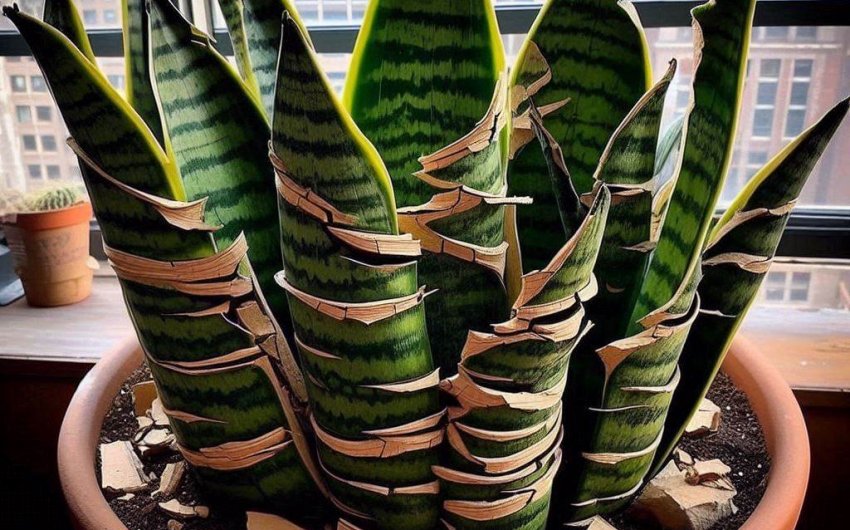
Discovering why your snake plant leaves are splitting and cracking can be concerning for any plant parent. While Sansevieria (commonly known as snake plants) are renowned for their hardiness and low-maintenance nature, changes in their typically rigid, upright foliage often signal an underlying environmental stress or care issue. Understanding the root causes behind these splits and cracks is key to restoring your plant's iconic appearance and ensuring its continued health.
What is a Healthy Snake Plant Leaf Supposed to Look Like?
Before diving into problems, understanding what a healthy snake plant leaf should ideally look like helps in recognizing deviations. Snake plants are known for their distinctive, rigid foliage, which is usually quite robust.
- Upright and Rigid: Leaves typically grow straight upwards, often forming a stiff, architectural display. They should feel firm and sturdy to the touch.
- Smooth Surface: The leaf surface should generally be smooth and unblemished. While some varieties have natural ridges or slight indentations, there shouldn't be deep, irregular cracks or splits appearing.
- Consistent Coloration: The variegation (patterns of different colors like green, yellow, or white) should be distinct and consistent for the specific variety. There shouldn't be large patches of discoloration or unusual fading.
- Intact Edges: The leaf edges should be whole and free from tears or breaks.
- Apex (Tip) Intact: The pointed tip of the leaf (in most varieties) should be firm and green, not brown or crispy.
- Even Growth: Leaves should emerge from the central rhizome (underground stem) and grow steadily. New leaves are typically lighter in color and softer when they first emerge, but they should firm up and darken as they mature.
A healthy snake plant leaf is a testament to the plant's resilience, but it's not invincible. When these ideal characteristics change, particularly when splits and cracks appear, it's a clear signal that something in its environment or care routine needs attention. These plants are succulent-like, storing water in their leaves, which makes their integrity very important for their well-being.
Why Are My Snake Plant Leaves Splitting Due to Physical Damage?
One of the most common reasons snake plant leaves are splitting and cracking is physical trauma. Despite their tough appearance, their rigid leaves can be brittle, especially under certain conditions or when subjected to external forces.
1. Accidental Impact or Trauma
- How it Happens: This is perhaps the most straightforward cause.
- Bumping: Accidentally knocking the plant over, bumping into it while walking past, or moving furniture too close can cause leaves to crack.
- Dropping: If the pot is dropped, or the plant falls, leaves can easily split or break.
- Pet/Child Interaction: Curious pets (especially cats or dogs) playing around the plant, or young children can inadvertently cause damage.
- Symptoms: The splits or cracks often appear as singular, isolated incidents, directly correlated with the impact. The edges of the split might look jagged or cleanly broken, rather than a gradual weakening.
- Solution:
- Careful Placement: Position your snake plant in a location where it's less likely to be bumped or knocked over, away from high-traffic pathways.
- Secure Pot: Ensure the pot is stable on its surface.
- Monitor Pets/Children: Supervise pets and children around plants, especially if they are known to interact with foliage.
- No Repair, Just Prune: Once a leaf is split, it cannot be "healed." If the damage is severe and unsightly, or if the split goes deep into the leaf base, it's best to trim the entire damaged leaf off at the soil line using clean, sharp scissors or pruners. If only the tip is split, you can trim off the damaged tip with clean pruners.
2. Over-Handling or Rough Repotting
- How it Happens: While generally tolerant, excessive handling, particularly bending or pulling on the leaves, can lead to damage. During repotting, if the plant is forcefully pulled from the pot or roots are roughly separated, the leaves can twist or crack.
- Symptoms: Splits may appear at the base of the leaves or vertically along the leaf blade where stress was applied.
- Solution:
- Minimize Handling: Touch your snake plant only when necessary (watering, inspecting).
- Gentle Repotting: When repotting, be extremely gentle.
- Lay the pot on its side.
- Gently squeeze the sides of the flexible pot.
- If the plant is stuck in a rigid pot, use a butter knife to carefully loosen the edges.
- Slide the plant out, supporting the root ball.
- Avoid pulling the leaves forcefully.
- Pruning: As with other physical damage, prune off severely damaged leaves at the soil line.
3. Too Much Force While Cleaning or Dusting
- How it Happens: Regularly cleaning leaves is good, but wiping too aggressively, especially on older, more brittle leaves, can cause them to crack or split.
- Symptoms: Fine cracks or tears on the leaf surface, often along the direction of the wiping motion.
- Solution:
- Gentle Wiping: Use a soft, damp cloth and gently wipe the leaves. Support the leaf with one hand while wiping with the other.
- Dusting Brush: Consider a soft plant dusting brush for delicate cleaning.
4. Heavy Leaves (Especially in Large Varieties)
- How it Happens: Some very large, mature snake plant varieties (like Sansevieria trifasciata 'Laurentii') can develop exceptionally heavy leaves, especially if overwatered or if the potting mix is too dense. The sheer weight can sometimes cause leaves to buckle or split near the base or in the middle.
- Symptoms: Large, vertical splits, often on older, heavier leaves.
- Solution:
- Appropriate Potting Mix: Ensure your plant is in a well-draining, chunky potting mix to prevent excess water retention and support the plant's weight.
- Proper Watering: Avoid overwatering, which contributes to heavy, water-logged leaves.
- Support: For extremely tall or heavy varieties, consider using a decorative plant stake to offer extra support to particularly heavy leaves.
- Pruning: If a leaf consistently splits due to weight, it might be time to prune it at the base.
While physical damage is often unsightly, it's typically not a sign of underlying plant health issues. Once you identify that snake plant leaves are splitting and cracking due to trauma, addressing the cause of impact prevents future damage.
Why Are My Snake Plant Leaves Splitting Due to Environmental Stress?
Beyond physical damage, several environmental stressors can make your snake plant leaves more prone to splitting and cracking. These factors weaken the leaf structure or cause rapid internal changes that lead to visible damage.
1. Inconsistent Watering (Especially Drought Followed by Overwatering)
This is a common and often overlooked cause.
- How it Happens: Snake plants are succulent-like and can tolerate drought. However, prolonged periods of extreme dryness followed by a sudden, heavy watering can stress the plant. The leaves, which become slightly dehydrated and less turgid during the dry spell, suddenly absorb a large amount of water very quickly.
- Mechanism of Damage: This rapid absorption can cause the internal cells of the leaf to swell too quickly, leading to internal pressure that the leaf tissue cannot withstand. This results in the leaf splitting or cracking, often vertically. It's similar to how a dry sponge cracks when suddenly soaked.
- Symptoms: Splits tend to be vertical or deep cracks, not necessarily at the tip or edge. They may appear after a neglected plant is watered heavily.
- Solution:
- Consistent Watering Routine: While snake plants are drought-tolerant, it's best to adopt a consistent watering schedule where you let the soil dry out completely between waterings, but don't let it remain bone-dry for weeks on end.
- Moderate Watering: When you do water, water thoroughly until it drains from the bottom, but avoid drenching a severely dry plant with excessive amounts of water all at once.
2. Sudden Changes in Temperature or Humidity
Snake plants are adaptable, but extreme or sudden environmental shifts can stress their leaves.
- Cold Damage:
- How it Happens: Exposure to cold temperatures (below 50°F / 10°C), especially sudden drops, or placement near drafty windows/doors in winter.
- Symptoms: Yellowing, black or brown mushy spots, and sometimes splits or cracks due to cell damage.
- Solution: Keep snake plants in stable indoor temperatures, ideally between 65-80°F (18-27°C). Avoid placing them directly near cold windows in winter or air conditioning vents.
- Rapid Humidity Changes:
- How it Happens: While less common than for other plants, a rapid shift from very high humidity to very low humidity can stress the leaves, potentially causing some cracking, especially if combined with sudden watering changes.
- Solution: Provide moderate, consistent humidity. If your home is very dry, consider a room humidifier for plants.
3. Over-Fertilization (Nutrient Burn)
While beneficial in moderation, excessive fertilizer can harm a snake plant.
- How it Happens: Applying too much fertilizer, or fertilizing too frequently, leads to a buildup of mineral salts in the soil.
- Mechanism of Damage: High salt concentrations can draw water out of the plant's roots and cells, effectively dehydrating and burning the plant's tissues, including the leaves.
- Symptoms: Yellowing, browning, and crisping of leaf tips and edges, which can sometimes lead to splits or cracks as the tissue dies back. A white crust may be visible on the soil surface or pot rim.
- Solution:
- Flush the Soil: If you suspect over-fertilization, flush the soil thoroughly by running plain, lukewarm water through it for several minutes until it drains freely from the bottom.
- Reduce Fertilizing: Snake plants are light feeders. Fertilize only during the active growing season (spring/summer) once a month or every other month, using a diluted balanced liquid houseplant fertilizer (half or quarter strength). Often, they don't need fertilizer at all if repotted every few years.
4. Pot Size and Root Bound Issues
The physical constraints of a pot can also contribute to stress.
- Root Bound Conditions:
- How it Happens: When a snake plant becomes severely root-bound, its rhizomes and roots completely fill the pot. The leaves are essentially pushing against each other and the pot's walls.
- Symptoms: Beyond slower growth and roots emerging from drainage holes, the pressure from new growth trying to expand in a confined space can physically stress existing leaves, potentially causing them to crack or split.
- Solution: Repot your snake plant into a pot that is only 1-2 inches larger in diameter. Choose a well-draining potting mix for succulents.
By carefully reviewing these environmental factors, you can effectively pinpoint why your snake plant leaves are splitting and cracking and implement corrective measures to restore their health.
Why Are My Snake Plant Leaves Cracking Due to Growth Issues?
Sometimes, the way a snake plant grows can lead to leaves cracking, even without obvious external trauma or extreme environmental stress. These issues are often subtle and related to the plant's internal structure and development.
1. Rapid Growth Spurts
- How it Happens: While snake plants are generally slow growers, they can experience periods of more rapid growth, especially if conditions suddenly become ideal (e.g., increased light, warmth, and optimal watering after a period of dormancy or neglect).
- Mechanism of Damage: When new leaves or rhizomes expand very quickly, the older, more rigid leaves may not have the flexibility to accommodate this rapid internal pressure. This can cause the established leaf tissue to crack, often vertically. It's similar to how some fruits split open during a sudden growth spurt after heavy rain.
- Symptoms: Fresh, clean-looking vertical cracks, often on mature leaves that are otherwise healthy. New growth may appear unusually quickly.
- Solution:
- Consistent Care: Maintain as consistent an environment as possible. Avoid drastic changes in watering or fertilizing.
- Balanced Growth: Avoid over-fertilizing with high-nitrogen fertilizers, which can encourage overly rapid, soft growth that is more prone to cracking.
- Not Always Preventable: Sometimes, these cracks are simply a natural consequence of a healthy plant growing vigorously. If the plant otherwise looks good, this is less of a concern.
2. Genetic Predisposition (Less Common but Possible)
- How it Happens: While rare, some individual snake plants or specific cultivars might have a genetic predisposition to developing weaker leaf structures or more rigid cells that are prone to cracking under normal growth pressures.
- Symptoms: Cracking occurs despite all care conditions being optimal and consistent. The cracks may appear randomly on multiple leaves without an obvious external cause.
- Solution: There is no specific care solution for genetic predisposition. If it's a persistent problem and bothersome aesthetically, you might consider propagating new plants from unaffected leaves or choosing a different variety known for more robust foliage.
3. Inadequate Potting Mix or Poor Soil Structure
While directly related to physical support, the quality of the soil can impact leaf integrity.
- How it Happens: If the potting mix is too dense, heavy, or poorly draining, it can restrict root and rhizome expansion. Conversely, if it's too loose or unstable, it might not provide adequate support for the heavy, upright leaves.
- Mechanism of Damage: In dense soil, growing rhizomes can exert pressure on existing leaves. In unstable soil, large leaves might wobble and develop stress cracks at the base where they meet the soil.
- Symptoms: Leaves may lean, appear unstable, and develop cracks near the base or where they meet the soil.
- Solution:
- Well-Draining Mix: Use a potting mix specifically formulated for succulents and cacti or a regular potting mix amended with perlite, sand, or pumice for improved drainage and aeration.
- Repotting: Repot into fresh, appropriate potting mix if your current mix is old, compacted, or unsuitable.
Summary of Growth-Related Cracks
| Cause | How it Leads to Cracks | Solution |
|---|---|---|
| Rapid Growth Spurts | Quick expansion of new tissue stresses old, rigid leaves | Aim for consistent care, avoid over-fertilizing |
| Genetic Predisposition | Inherently weaker or less flexible leaf structure | Cannot be cured; prune damaged leaves |
| Inadequate Potting Mix | Restricts root expansion / provides insufficient support | Repot with appropriate, well-draining succulent mix |
By considering these internal growth dynamics and soil structure, you can gain a fuller understanding of why your snake plant leaves are splitting and cracking, helping you address subtle issues for a healthier, more intact plant.
How Can You Prevent Snake Plant Leaves from Splitting and Cracking?
Preventing snake plant leaves from splitting and cracking involves a combination of mindful care, optimal environmental conditions, and proactive measures. While complete prevention of all damage may be impossible, you can significantly reduce the likelihood of these unsightly issues.
1. Master Proper Watering Techniques
- Let Soil Dry Out Completely: This is the golden rule for snake plants. Only water when the top 2-3 inches (or even more for larger pots) of soil are thoroughly dry. Use a moisture meter for accuracy, or stick your finger deep into the soil.
- Water Thoroughly: When you do water, water deeply until water drains from the bottom of the pot.
- Avoid Overwatering: Never let your plant sit in standing water. Empty the saucer after 15-30 minutes.
- Avoid Inconsistent Watering Extremes: Don't let the plant sit bone-dry for weeks and then drench it suddenly. Establish a consistent "dry-to-dry" watering routine to avoid rapid water uptake and stress on the leaves.
2. Provide Optimal Potting and Drainage
- Well-Draining Potting Mix: Use a potting mix specifically formulated for succulents and cacti, or create your own by mixing regular potting soil with perlite, pumice, or coarse sand. This ensures proper aeration and prevents waterlogging.
- Drainage Holes are a Must: Always use pots with drainage holes. If you use a decorative pot without holes, keep the plant in a nursery pot inside it and remove it for watering to allow complete drainage.
- Appropriate Pot Size: Repot only when the plant is root-bound, and choose a pot that is only 1-2 inches larger in diameter. Over-potting can lead to excess moisture retention and slower drying, contributing to internal issues.
3. Maintain Consistent Environmental Conditions
- Stable Temperatures: Keep your snake plant in a stable indoor temperature range, ideally between 65-80°F (18-27°C). Protect it from sudden cold drafts from windows, doors, or air conditioning vents, especially in winter.
- Moderate Humidity: Snake plants tolerate average home humidity. Avoid placing them in excessively dry environments if possible, as this can exacerbate other stressors. While not usually the sole cause of splitting, extreme dryness combined with other issues can play a role.
- Bright, Indirect Light: Provide bright, indirect light. While they tolerate low light, more light encourages healthier, more robust growth that is less prone to cracking. Avoid direct, harsh afternoon sun which can burn leaves.
4. Handle with Care
- Gentle Handling: When moving, cleaning, or repotting your snake plant, always do so gently. Support the entire leaf, especially at the base, to prevent bending or breaking.
- Consider Location: Place your plant in a spot where it's less likely to be accidentally bumped by people, pets, or furniture.
- Pruning Tools: If you need to remove a damaged leaf, use clean, sharp pruning shears to make a clean cut at the soil line.
5. Fertilize Sparingly and Correctly
- Light Feeder: Snake plants are very light feeders. Many do not need regular fertilization if repotted every few years into fresh potting mix.
- Diluted Fertilizer: If you choose to fertilize, do so only during the active growing season (spring and summer), typically once a month or every other month, using a highly diluted (half or quarter strength) balanced liquid houseplant fertilizer.
- Avoid Over-Fertilization: Excess fertilizer leads to salt buildup and can cause crispy, splitting leaves. If you see white crust on the soil or brown tips, flush the soil with plain water.
6. Regular Inspection
- Early Detection: Regularly inspect your snake plant for any early signs of stress or damage. Addressing issues promptly can prevent them from worsening into splits or cracks.
By proactively adopting these preventative measures, you can ensure your snake plant leaves are splitting and cracking becomes a rare occurrence, allowing your resilient plant to maintain its iconic, elegant foliage.