
How to Revive a Wilted Pothos After Severe Underwatering?
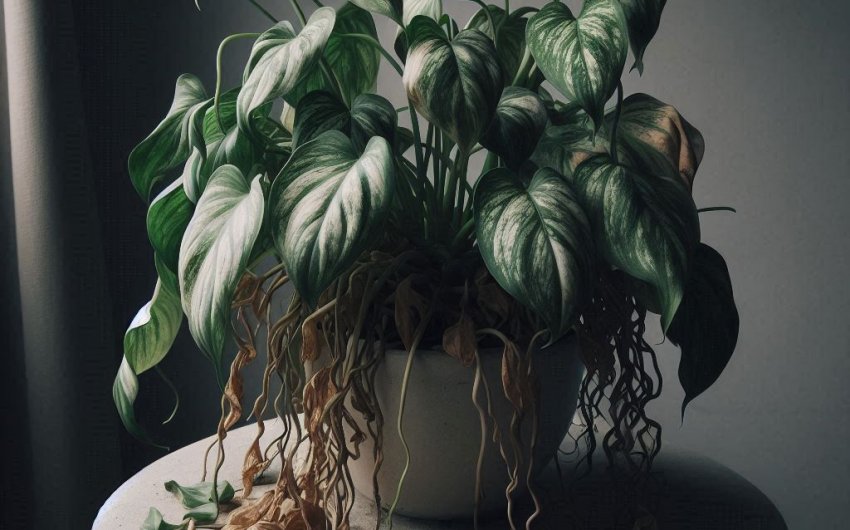
Discovering your vibrant pothos suddenly looking limp and lifeless can be a moment of panic for any plant parent. If you're facing this common scenario and wondering how to revive a wilted pothos after severe underwatering, rest assured that these resilient plants often bounce back with the right care. While the sight of drooping leaves might seem dire, a strategic and gentle approach to rehydration can frequently bring your pothos back from the brink of desiccation, restoring its lush foliage and trailing beauty.
What Are the Key Signs of a Severely Underwatered Pothos?
Before attempting to revive your pothos, it's crucial to accurately diagnose underwatering, as the symptoms can sometimes mimic overwatering. Recognizing these key indicators is the first step in learning how to revive a wilted pothos after severe underwatering.
Limp, Drooping Leaves
The most obvious sign is a dramatic drooping or wilting of the leaves and stems. The plant simply looks "tired" and lacks the usual turgor (firmness) in its foliage. Leaves may hang limply, sometimes appearing shriveled or crispy, particularly on the edges.
Dry and Hard Soil
Stick your finger into the soil. If it feels completely bone dry, hard, and pulled away from the edges of the pot, your pothos is definitely thirsty. The pot itself will also feel noticeably lighter than usual.
Yellowing or Browning Edges/Tips
While yellowing can also be a sign of overwatering, with underwatering, the yellowing often starts at the edges or tips of the leaves and can progress to browning and crispiness. This is where the plant tissue dries out first.
Stunted Growth
If the plant has been consistently underwatered over time, you'll notice a general lack of new growth, or any new leaves that do emerge will be very small and stunted.
Leaves Curling Inwards
Some pothos varieties may exhibit leaves that curl inwards or develop a "taco shell" shape. This is an attempt by the plant to conserve moisture by reducing the surface area exposed to evaporation.
Brittle Stems
In severe cases, the stems themselves may lose their flexibility and become brittle, snapping easily if bent. This indicates significant dehydration throughout the plant's vascular system.
What is the Best Immediate Action to Rehydrate a Wilted Pothos?
Once you've confirmed that your pothos is suffering from severe underwatering, swift and appropriate rehydration is critical. The method you choose directly impacts its chances of recovery when learning how to revive a wilted pothos after severe underwatering.
The Soaking Method (Bottom Watering)
This is often the most effective and gentle way to rehydrate a severely underwatered pothos.
- Prepare a Basin: Find a basin, bucket, or sink that is larger than your plant's pot.
- Add Water: Fill the basin with 2-3 inches of lukewarm water. Cold water can shock the roots.
- Submerge the Pot: Place the potted pothos directly into the water.
- Allow to Absorb: Let the pot sit in the water for 20-30 minutes, or until the top of the soil appears visibly moist. You'll see air bubbles rising as the soil absorbs water.
- Drain Thoroughly: Once saturated, remove the pot from the basin and let it drain completely in a sink or saucer. Do not let it sit in standing water.
Why Bottom Watering is Superior
- Even Saturation: When soil is severely dry, it can become "hydrophobic" (repels water). Top watering might cause water to run straight down the sides of the pot and out the drainage holes without actually hydrating the root ball. Bottom watering allows the soil to slowly and evenly wick up water, ensuring the entire root system gets hydrated.
- Less Soil Compaction: It avoids further compacting dry soil, which can happen with forceful top watering.
- Gentle on Roots: It provides a steady, gentle rehydration that is less shocking to stressed roots.
Should I Prune Any Damaged Leaves or Stems?
After initial rehydration, you might be tempted to prune immediately. However, timing and observation are key to preserving as much plant material as possible when learning how to revive a wilted pothos after severe underwatering.
Wait and Observe
Do NOT prune immediately after rehydration. Give your pothos time – at least 24-48 hours – to absorb the water and show signs of recovery. Many leaves that looked completely dead might perk up surprisingly well.
- Reason: Even severely wilted leaves can still perform some photosynthesis and contribute to the plant's recovery. Removing them too soon wastes valuable energy reserves.
Prune Only What Doesn't Recover
After waiting, prune only the leaves and stems that remain consistently brown, crispy, or completely limp and show no signs of recovery.
- How to Prune: Use clean, sharp pruning shears or scissors. Cut stems just above a healthy leaf node or back to the main stem. Remove individual dead leaves at their base.
- Benefit: Removing truly dead or dying plant material helps the plant redirect its energy towards new, healthy growth rather than trying to sustain non-viable parts.
What is the Ideal Environment for a Recovering Pothos?
Placing your revived pothos in a supportive environment is crucial for its long-term recovery and to prevent future underwatering issues. Optimizing its surroundings is key to understanding how to revive a wilted pothos after severe underwatering.
Moderate, Indirect Light
After being stressed, your pothos will be sensitive.
- Avoid Direct Sun: Do not place it in direct, intense sunlight immediately after rehydration, as this can cause further stress and scorch already weakened leaves.
- Bright, Indirect Light: Choose a spot with bright, indirect light. A few feet away from a south- or west-facing window, or near an east- or north-facing window, is often ideal.
Stable Temperatures
Pothos prefer consistent indoor temperatures between 65°F and 85°F (18°C-29°C).
- Avoid Extremes: Keep it away from cold drafts from open windows or vents, and hot blasts from heaters, as sudden temperature fluctuations can add stress.
Humidity
Pothos are tropical plants and appreciate moderate to high humidity.
- Increase Humidity: Consider placing the plant on a pebble tray filled with water (ensure the pot sits on the pebbles, not in the water), or use a room humidifier nearby. Misting can offer very temporary relief but isn't a long-term solution.
Good Air Circulation
Ensure there is some gentle air movement around the plant to prevent stagnant conditions that can encourage fungal issues, especially if the soil stays moist for a bit after rehydration.
When Should I Fertilize a Recovering Pothos?
Fertilizing a stressed plant immediately after recovery can do more harm than good. Patience is a virtue when deciding on nutrient application for how to revive a wilted pothos after severe underwatering.
Do Not Fertilize Immediately
When a plant is severely stressed from underwatering, its root system is also stressed and potentially damaged. Applying fertilizer at this point can actually burn the delicate roots, leading to further decline.
- Reason: Fertilizers are essentially salts. When roots are compromised, they cannot properly absorb these salts, leading to a buildup that draws water out of the roots (osmosis), causing dehydration.
Wait for New Growth
Wait at least 2-4 weeks after your pothos has fully recovered and you start to see signs of new, healthy growth emerging. This indicates that its root system has recovered sufficiently to absorb nutrients safely.
Use a Diluted, Balanced Fertilizer
Once ready, resume your regular fertilization schedule, but consider starting with a half-strength dilution of a balanced houseplant fertilizer for the first few applications. This provides nutrients gently without overwhelming the recovering plant. Gradually increase to full strength as the plant gains vigor.
How Do I Prevent Future Underwatering Issues?
Learning from your experience is key to maintaining a healthy pothos long-term. Implementing preventative measures will save you from future stress when asking how to revive a wilted pothos after severe underwatering.
Regular Soil Moisture Checks
- Finger Test: The most reliable method. Stick your finger 1-2 inches deep into the soil. If it feels dry, it's time to water. If it still feels moist, wait.
- Lift the Pot: Get used to the weight of your potted pothos when it's fully watered versus when it's dry. A dry pot will be noticeably lighter.
- Moisture Meter: A plant moisture meter can provide a more precise reading of soil moisture levels.
Proper Potting and Drainage
- Drainage Holes: Always use a pot with adequate drainage holes. Pothos hate soggy feet.
- Well-Draining Soil: Use a good quality, well-draining potting mix for houseplants. You can amend standard potting mix with perlite or orchid bark for better drainage.
- Right Pot Size: Ensure the pot is appropriately sized for your plant. An overly large pot holds too much moisture, while an overly small one dries out too quickly.
Consistent Watering Schedule (with flexibility)
Establish a general watering schedule (e.g., once a week), but always adjust based on your plant's needs, the season, and environmental conditions.
- Summer: May need more frequent watering due to heat and increased growth.
- Winter: Growth slows down; require less frequent watering.
- Environmental Factors: Higher temperatures, lower humidity, or more light will increase water needs.
Consider a Self-Watering Pot (Optional)
For busy individuals or those prone to forgetting, a self-watering planter can be a helpful tool. These pots have a reservoir that wicks water up to the soil as needed, providing a more consistent moisture level.
Vacation Watering Solutions
If you'll be away, consider:
- Wick System: Set up a temporary plant watering wick from a water reservoir.
- Plant Sitter: Enlist a friend or neighbor to water your plants.
- Relocate: Move plants to a cooler, shadier spot to reduce water consumption.
By swiftly and correctly rehydrating your plant, providing optimal recovery conditions, and adopting consistent care habits, you'll successfully learn how to revive a wilted pothos after severe underwatering and ensure its continued health and beauty for years to come.