
Why Is My Rubber Plant Shedding Leaves in Low Humidity?
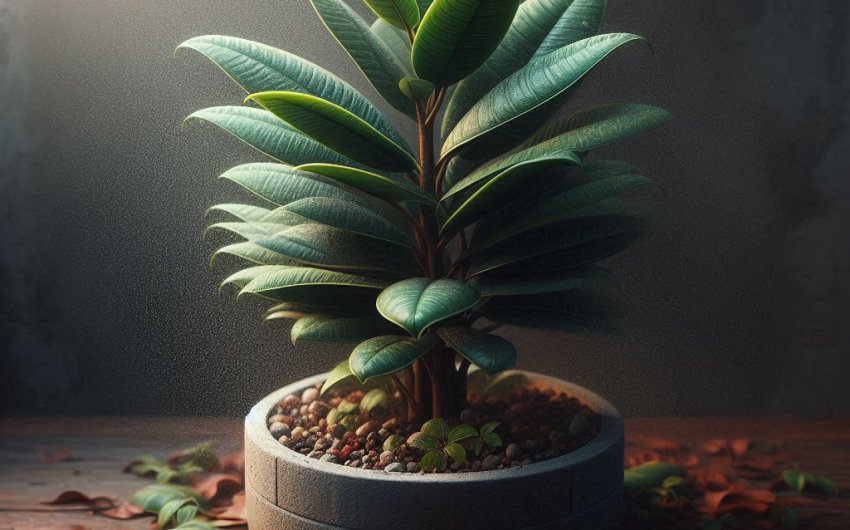
If you're noticing your rubber plant shedding leaves in low humidity, it's a clear sign your beloved Ficus elastica is struggling with its environment. These popular houseplants, known for their glossy, deep green foliage, originate from tropical regions where humidity is naturally high. When placed in drier indoor conditions, especially during winter months when heating systems dry out the air, they often react by dropping their lower leaves. Understanding this common issue and how to fix it can help your rubber plant thrive.
Why Do Rubber Plants Need High Humidity to Prevent Leaf Drop?
Rubber plants, or Ficus elastica, come from warm, moist rainforests. In their natural habitat, they absorb a lot of moisture through their leaves from the air. This process is called transpiration.
- Mimicking Natural Habitat: High humidity helps to replicate the conditions they are used to.
- Preventing Water Loss: When the air is too dry, leaves lose water much faster than the roots can supply it. This rapid water loss stresses the plant.
- Cell Turgor: Sufficient humidity keeps the plant cells plump and firm (a state called turgor). Low humidity causes cells to lose water, leading to limp, crispy, or falling leaves.
- Leaf Health: Consistent humidity supports healthy, vibrant leaves. It prevents the edges from drying out and becoming brittle.
How Does Low Humidity Affect Rubber Plant Leaves?
The impact of dry air on a rubber plant is usually quite visible, often starting with the older, lower leaves.
- Crispy Edges: The first sign might be the edges of leaves turning brown and crispy. This is due to the rapid evaporation of water from the leaf surface.
- Yellowing Leaves: As the stress continues, leaves may start to turn yellow before falling off. This indicates that the plant is reabsorbing nutrients from older leaves to preserve energy for newer growth.
- Dropping Leaves: Eventually, the plant will shed leaves to reduce its surface area. This is a survival mechanism to conserve moisture. It's the plant's way of saying it's under severe water stress, even if the soil is moist.
- Slowed Growth: Overall growth will slow down significantly as the plant diverts energy to cope with stress rather than producing new foliage.
- Pest Attraction: Stressed plants are more vulnerable to pests like spider mites, which thrive in dry conditions.
What Are the Best Ways to Increase Humidity for My Rubber Plant?
There are several effective methods to boost humidity around your rubber plant, ranging from simple fixes to more integrated solutions.
Misting Your Rubber Plant
Misting is a popular and immediate way to raise humidity, though its effects are temporary.
- Method: Use a fine mist spray bottle to spray the leaves directly.
- Frequency: Mist daily, or even twice a day, especially during dry periods (like winter).
- Water Type: Use distilled water or rainwater to prevent mineral buildup on leaves, which can leave unsightly white spots.
- Pros: Easy, inexpensive, provides immediate relief.
- Cons: Very short-lived effect, requires frequent application. Not ideal as a standalone solution for severe dryness.
Using a Pebble Tray
A pebble tray creates a microclimate of higher humidity around the plant.
- Setup: Find a shallow tray or saucer larger than your plant's pot. Fill it with a layer of pebbles or small stones. Add water until it's just below the top of the pebbles.
- Placement: Place your potted rubber plant on top of the pebbles, ensuring the bottom of the pot does not sit directly in the water. This is crucial to prevent root rot.
- How it Works: As the water evaporates from the tray, it increases the humidity in the air directly surrounding the plant.
- Pros: Continuous and consistent humidity increase. Low maintenance once set up.
- Cons: May not be sufficient for extremely dry environments on its own.
Grouping Plants Together
Plants release moisture into the air through transpiration, so grouping them creates a more humid environment.
- Method: Place your rubber plant close to other houseplants, especially those that also enjoy high humidity.
- Benefit: The combined transpiration from multiple plants creates a small, localized zone of higher humidity.
- Considerations: Ensure good air circulation within the group to prevent fungal issues. Don't overcrowd them.
Investing in a Humidifier
For consistently dry indoor air, especially in heated homes, a humidifier is the most effective solution.
- Types of Humidifiers:
- Cool Mist Humidifiers: Emit a cool, invisible mist. Generally safer around children and pets. Look for a cool mist humidifier for plants.
- Warm Mist Humidifiers: Produce warm steam. Can be effective but have a heating element, making them hotter to the touch.
- Placement: Position the humidifier a few feet away from the plant, not directly on it.
- Monitoring: Use a hygrometer to monitor the humidity levels in the room. Aim for 50-70% humidity for rubber plants.
- Maintenance: Clean the humidifier regularly to prevent mold and bacterial growth. Use distilled water to avoid mineral buildup (white dust).
- Pros: Most effective way to significantly raise and maintain humidity levels over a large area.
- Cons: Initial cost, requires regular refilling and cleaning, uses electricity.
Location, Location, Location
Where you place your rubber plant can naturally help manage humidity.
- Bathrooms/Kitchens: These rooms often have naturally higher humidity due to water use. If your bathroom has enough light, it could be an ideal spot.
- Avoid Drafts: Keep your plant away from air vents, open windows, or exterior doors, as these create dry drafts that quickly zap humidity.
- Away from Heat Sources: Radiators, heating vents, and fireplaces dry out the air significantly. Keep your rubber plant a good distance from them.
Is Low Humidity the Only Reason My Rubber Plant is Dropping Leaves?
While low humidity is a common culprit for a rubber plant shedding leaves in low humidity, it's important to rule out other factors that can cause similar symptoms. Many plant problems share similar signs.
Underwatering
- Symptoms: Leaves may droop, curl, or turn crispy before dropping. The soil will feel completely dry.
- Distinguishing from Low Humidity: With underwatering, the entire leaf often shows signs of stress, not just the edges, and the soil will be bone dry. In low humidity, the soil might still be moist but the leaves are affected.
- Solution: Water thoroughly when the top 1-2 inches of soil feel dry. Ensure water drains out the bottom of the pot.
Overwatering and Root Rot
- Symptoms: Yellowing leaves, soft or mushy stems, wilting, and brown spots on leaves. Leaves may drop. The soil will be consistently soggy.
- Distinguishing from Low Humidity: Overwatered leaves often turn yellow and mushy, while low humidity leaves turn crispy. The soil will be wet. Root rot has a distinct musty smell.
- Solution: Allow the top 1-2 inches of soil to dry out between waterings. Ensure your pot has drainage holes. If root rot is severe, repot into fresh, well-draining soil after trimming away rotted roots.
Insufficient Light
- Symptoms: Slowed growth, leggy stems, smaller new leaves, and yellowing or dropping of lower leaves.
- Distinguishing from Low Humidity: While some lower leaf drop can occur, the primary indicators are overall poor growth and dull leaves, not necessarily crispy edges.
- Solution: Rubber plants need bright, indirect light. Place them near a window that gets plenty of light but avoids direct, harsh afternoon sun, which can scorch leaves. An LED grow light can supplement light in darker areas.
Temperature Stress
- Symptoms: Sudden leaf drop, particularly if exposed to cold drafts or extreme temperature fluctuations.
- Distinguishing from Low Humidity: Often a rapid response to a sudden change, rather than a gradual decline.
- Solution: Keep your rubber plant in a stable environment, ideally between 60-75°F (15-24°C). Avoid placing it near drafty windows or heating/AC vents.
Nutrient Deficiency
- Symptoms: General yellowing, stunted growth, or specific patterns of discoloration.
- Distinguishing from Low Humidity: Usually a more uniform yellowing across the plant, not primarily crispy edges and lower leaf drop.
- Solution: Fertilize your rubber plant during the growing season (spring and summer) with a balanced liquid houseplant fertilizer diluted to half strength.
Pests
- Symptoms: Visible pests (like tiny webs from spider mites, sticky residue from scale, or fuzzy white spots from mealybugs), distorted leaves, yellowing, and leaf drop.
- Distinguishing from Low Humidity: Pests leave physical evidence and specific damage patterns. Spider mites, in particular, thrive in low humidity, compounding the problem.
- Solution: Inspect your plant regularly. Treat with neem oil spray or an insecticidal soap designed for houseplants.
Normal Aging
- Symptoms: Occasional dropping of one or two old, lower leaves, particularly on a mature plant.
- Distinguishing from Low Humidity: This is a very gradual process, not a sudden or widespread shedding. The rest of the plant will look healthy and be actively growing.
- Solution: No action needed; this is natural.
What is the Ideal Humidity Range for Rubber Plants?
For optimal health and to prevent your rubber plant shedding leaves in low humidity, aim for a consistent humidity range.
- Target Range: 50% to 70%.
- Acceptable Minimum: 40% if other conditions (like watering and light) are perfectly met.
- Below 40%: You will likely start to see signs of stress, especially crispy edges and eventual leaf drop.
- Above 70%: While tropical plants love high humidity, excessively high humidity combined with poor air circulation can lead to fungal issues or bacterial spots on leaves. Good airflow is always important.
How Can I Monitor Humidity Levels in My Home?
Knowing your actual humidity level is crucial for effective plant care.
- Hygrometer: This simple device measures the amount of moisture in the air.
- Types:
- Digital Hygrometers: Often combined with a thermometer, providing accurate readings quickly. Many are affordable, like an indoor thermometer hygrometer.
- Analog Hygrometers: Less common now, often built into wall clocks or weather stations.
- Placement: Place the hygrometer near your rubber plant, but not so close that it's affected by a humidifier's direct mist or a pebble tray's immediate evaporation. A few feet away is ideal for an accurate room reading.
- Types:
- Smart Home Devices: Some smart thermostats or air quality monitors include built-in humidity sensors.
- Observing Your Plant: While not a precise measurement, your plant is the ultimate indicator. If it's showing signs of stress (crispy leaves, leaf drop), humidity is likely too low regardless of what a device says.
What Other Care Tips Will Help My Rubber Plant Thrive?
Beyond humidity, a holistic approach to care will keep your rubber plant robust and prevent issues like a rubber plant shedding leaves in low humidity.
Watering Practices
- Frequency: Water when the top 1-2 inches of soil are dry to the touch. This might be once a week in summer, but less often in winter.
- Thoroughness: Water until it drains from the bottom of the pot. Discard any excess water from the saucer to prevent soggy roots.
- Potting Mix: Use a well-draining potting mix. A mix designed for houseplants or a general-purpose mix amended with perlite or bark will work well. Ficus potting mix is often a good choice.
Light Requirements
- Bright, Indirect Light: Rubber plants prefer bright light, but not direct sun which can scorch their leaves. An east-facing window is often ideal. A south or west-facing window works if the plant is a few feet back or behind a sheer curtain.
- Low Light Tolerance: While they can tolerate lower light, growth will be slower, and leaves may lose some vibrancy. Leaf drop can also occur in very low light.
Fertilizing
- Growing Season: Feed your rubber plant every 2-4 weeks during spring and summer (its active growing season).
- Type of Fertilizer: Use a balanced liquid houseplant fertilizer. Look for something like a 20-20-20 houseplant fertilizer.
- Dilution: Always dilute fertilizer to half strength to avoid over-fertilization, which can burn roots.
- Dormancy: Do not fertilize in fall and winter when growth slows down.
Pruning and Cleaning
- Pruning: Prune to maintain shape, control size, and encourage bushier growth. The best time to prune is in spring or early summer.
- Cleaning Leaves: Dust can accumulate on the large leaves, blocking light absorption. Wipe leaves gently with a damp cloth regularly. This also helps them breathe better. A leaf shine product for houseplants can be used occasionally but isn't strictly necessary.
Repotting
- When to Repot: Repot your rubber plant every 1-2 years, or when it becomes root-bound (roots circling the bottom of the pot or growing out of drainage holes).
- Pot Size: Choose a pot only 1-2 inches larger in diameter than the current one. Going too large can lead to overwatering issues.
By addressing these care aspects alongside humidity, you can ensure your rubber plant shedding leaves in low humidity becomes a problem of the past.