
How to Prevent Yellowing in the Inner Leaves of My Philodendron?
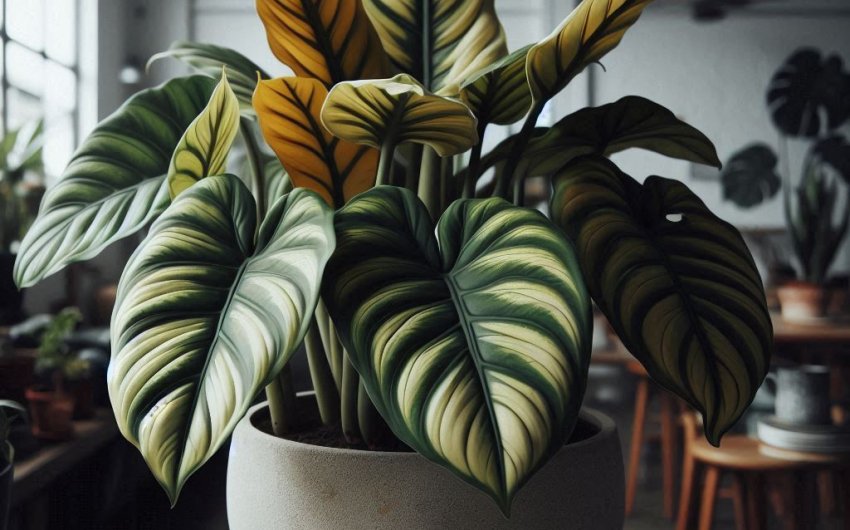
Seeing yellowing leaves on your philodendron can be disheartening, especially when it's the inner leaves turning that tell-tale shade. This often indicates an underlying issue with your plant's care, and understanding the common culprits can help you prevent further yellowing and restore your philodendron to its lush, green glory. Addressing these issues promptly is key to maintaining a healthy and vibrant philodendron.
Why are My Philodendron's Inner Leaves Turning Yellow?
The yellowing of a philodendron's inner leaves, particularly older ones, is a common sign of stress. This stress can stem from various environmental factors or improper care practices, leading to the breakdown of chlorophyll. When chlorophyll, the green pigment responsible for photosynthesis, degrades, the yellow carotenoid pigments become visible.
Is Overwatering Causing Yellow Inner Leaves?
Overwatering is a leading cause of yellowing leaves on philodendrons. When the soil stays soggy, the roots are deprived of oxygen, leading to root rot. This makes it difficult for the roots to absorb water and nutrients, causing the leaves, especially the older, inner ones, to yellow and eventually die.
Symptoms of overwatering:
- Leaves turn yellow and soft.
- Soil remains wet for extended periods.
- Foul odor from the soil.
- Mushy stems.
How to fix overwatering:
- Check soil moisture: Stick your finger about 2 inches into the soil. If it feels wet, wait to water.
- Allow soil to dry: Let the top 1-2 inches of soil dry out completely between waterings.
- Improve drainage: Ensure your pot has drainage holes. If not, repot your philodendron into a pot with adequate drainage.
- Use well-draining soil: A good potting mix for philodendrons often includes perlite or orchid bark to enhance drainage. Try a well-draining potting mix for best results.
- Reduce watering frequency: Adjust your watering schedule based on the season and your home's humidity.
Can Underwatering Make Inner Leaves Yellow?
While less common for the inner leaves specifically, underwatering can also cause yellowing, though it typically starts at the leaf tips or edges before spreading. Philodendrons prefer consistently moist, but not soggy, soil. Prolonged dryness stresses the plant, leading to nutrient deficiencies and eventually yellowing.
Symptoms of underwatering:
- Leaves turn yellow and crispy.
- Soil pulls away from the edges of the pot.
- Plant appears droopy.
How to fix underwatering:
- Feel the soil: If the soil is bone dry, it's time to water.
- Water thoroughly: Water until water drains from the bottom of the pot.
- Monitor soil regularly: Check your plant's soil moisture every few days, especially during warmer months.
- Consider a watering schedule: Set a reminder to check your plant every 5-7 days, adjusting as needed.
Is My Philodendron Getting Enough Light?
Insufficient light can contribute to yellowing leaves, particularly older ones, as the plant sacrifices them to conserve energy. Philodendrons thrive in bright, indirect light. Too much direct sunlight can scorch their leaves, while too little can lead to pale, leggy growth and yellowing.
Signs of insufficient light:
- Yellowing of older leaves.
- Leggy growth with long spaces between leaves.
- Smaller new leaves.
How to adjust lighting:
- Bright, indirect light: Place your philodendron near a north or east-facing window. A sheer curtain can diffuse intense light from south or west-facing windows.
- Avoid direct sun: Direct sun can burn the leaves, causing brown spots and crispiness.
- Rotate your plant: Rotate your philodendron every week or two to ensure all sides receive adequate light.
- Supplemental lighting: If natural light is limited, consider a grow light to supplement.
Could Nutrient Deficiency Cause Inner Leaves to Yellow?
Nutrient deficiencies, particularly a lack of nitrogen, can manifest as yellowing of older, inner leaves. Nitrogen is crucial for chlorophyll production. Other deficiencies, like magnesium or iron, can also cause yellowing, though often with distinct patterns.
Common nutrient deficiencies and their symptoms:
- Nitrogen (N): General yellowing of older leaves, starting from the tips and spreading inwards.
- Magnesium (Mg): Yellowing between leaf veins, with veins remaining green (interveinal chlorosis).
- Iron (Fe): Similar to magnesium deficiency, often seen in new growth first, with veins remaining green.
How to address nutrient deficiencies:
- Fertilize regularly: Use a balanced liquid fertilizer during the growing season (spring and summer). A balanced liquid plant fertilizer is ideal.
- Follow instructions: Always dilute fertilizer according to package directions to avoid fertilizer burn.
- Reduce feeding in winter: Philodendrons have a slower growth rate in colder months, so reduce or stop fertilizing.
- Repot if necessary: If your plant hasn't been repotted in a few years, the soil may be depleted of nutrients. Fresh potting mix provides essential nutrients.
Is Humidity Important for My Philodendron?
Philodendrons are tropical plants and thrive in high humidity. Low humidity can stress the plant, making it more susceptible to problems like yellowing, especially around the edges of leaves. While not the primary cause of inner leaf yellowing, it can exacerbate other issues.
Signs of low humidity:
- Crispy leaf edges.
- Slowed growth.
- Increased susceptibility to pests.
How to increase humidity:
- Pebble tray: Place the plant pot on a tray filled with pebbles and water, ensuring the pot isn't sitting directly in the water.
- Humidifier: Use a room humidifier near your philodendron.
- Group plants: Grouping plants together can create a localized humid microclimate.
- Misting: While misting can provide temporary relief, it's generally not sufficient for long-term humidity needs and can sometimes encourage fungal issues.
Could Temperature Fluctuations Be Affecting My Philodendron?
Sudden or extreme temperature fluctuations can shock a philodendron, leading to stress and yellowing leaves. They prefer consistent temperatures, ideally between 65°F and 80°F (18°C and 27°C). Drafts from windows, doors, or air conditioners can be particularly harmful.
- How to maintain stable temperatures:
- Avoid drafts: Keep your philodendron away from open windows, vents, and exterior doors.
- Consistent room temperature: Aim for a stable temperature range within your home.
- Protect from extremes: Do not place your plant near heat registers in winter or in direct cold drafts.
Are Pests or Diseases Causing Yellow Inner Leaves?
While less common for general inner leaf yellowing, pests and diseases can cause localized yellowing, spotting, or overall decline. It's always a good idea to inspect your philodendron regularly for any signs of infestation or infection.
Common pests and their symptoms:
- Spider mites: Tiny red or brown mites, fine webbing, speckled yellowing.
- Mealybugs: White, cottony masses on stems and leaf undersides, sticky residue, yellowing.
- Aphids: Small green, black, or brown insects, distorted new growth, yellowing.
- Scale: Small, brown, bumps on stems and leaves, sticky residue, yellowing.
Common diseases and their symptoms:
- Root rot: (discussed under overwatering) Mushy stems, yellowing, wilting.
- Fungal leaf spots: Circular yellow or brown spots on leaves.
How to address pests and diseases:
- Inspect regularly: Check your plant's leaves (top and bottom) and stems weekly.
- Isolate infected plants: To prevent spread, move affected plants away from others.
- Pest control:
- Horticultural oil: A horticultural oil spray can smother many soft-bodied pests.
- Neem oil: An organic pesticide, Neem oil can disrupt pest life cycles.
- Insecticidal soap: An effective way to combat many common houseplant pests.
- Disease management: Often involves pruning affected parts, improving air circulation, and adjusting watering habits. Severely affected plants may need to be discarded.
Is My Philodendron Rootbound?
A rootbound philodendron can struggle to absorb sufficient water and nutrients from the soil, leading to stress and yellowing leaves. When a plant becomes rootbound, its roots circle the inside of the pot, leaving little room for new growth or adequate water retention.
Signs of a rootbound plant:
- Roots growing out of drainage holes.
- Water runs straight through the pot when watered.
- Stunted growth despite proper care.
- Yellowing of older leaves.
How to check for rootboundness:
- Carefully slide the plant out of its pot.
- Observe the root ball. If roots are tightly packed and circling, it's likely rootbound.
How to address rootboundness:
- Repotting: Repot your philodendron into a pot that is 1-2 inches larger in diameter.
- Loosen roots: Gently tease apart some of the circling roots at the bottom before repotting.
- Fresh soil: Use fresh, well-draining potting mix.
How Can I Prevent My Philodendron's Inner Leaves from Yellowing?
Preventing yellowing in your philodendron's inner leaves largely involves consistent and attentive care. By understanding its basic needs and proactively addressing potential issues, you can maintain a healthy, vibrant plant.
What is the Best Watering Schedule for Philodendrons?
The best watering schedule for a philodendron isn't fixed but depends on several factors: the size of the plant, the type of pot, the potting mix, and environmental conditions (temperature, humidity, light). The key is to water when the top 1-2 inches of soil are dry.
- Watering best practices:
- Feel the soil: This is the most reliable method. Insert your finger or a moisture meter into the soil.
- Water thoroughly: Water until water drains from the bottom of the pot.
- Empty excess water: Do not let your philodendron sit in standing water, as this leads to root rot.
- Adjust seasonally: Philodendrons generally need less water in winter when growth slows.
What Kind of Soil is Best for Philodendrons?
Choosing the right soil is crucial for preventing overwatering issues and ensuring proper nutrient absorption. Philodendrons need a well-draining, airy potting mix that retains some moisture but doesn't become waterlogged.
Ideal soil characteristics:
- Good drainage: Prevents root rot.
- Aeration: Allows oxygen to reach roots.
- Moisture retention: Holds enough water for the plant.
- Slightly acidic to neutral pH: Generally between 6.0 and 7.0.
Recommended soil components:
- Potting soil: A good quality, all-purpose potting mix.
- Perlite: Adds drainage and aeration. Add 1 part perlite to 3-4 parts potting soil. You can buy perlite in bulk.
- Orchid bark or coco coir: Improves drainage and provides aeration.
- Charcoal: Optional, helps with drainage and reduces odors.
How Much Light Does a Philodendron Need to Stay Healthy?
Philodendrons thrive in bright, indirect light. This means a location where they receive plenty of ambient light but are shielded from direct, harsh sun rays, especially during the hottest parts of the day.
- Optimal light conditions:
- North or East-facing window: Often ideal as they provide softer light.
- Shaded South or West-facing window: If your only option is a south or west-facing window, ensure the plant is set back from the window or use a sheer curtain to diffuse the light.
- Avoid low light: Too little light can lead to leggy growth and pale leaves.
- Monitor for scorching: If leaves develop brown, crispy spots, the light is too intense.
When Should I Fertilize My Philodendron?
Fertilizing provides essential nutrients for robust growth and helps prevent deficiencies that lead to yellowing. However, over-fertilizing can also harm your plant, so timing and dilution are key.
Fertilizing schedule:
- Growing season (Spring and Summer): Fertilize every 2-4 weeks.
- Dormant season (Fall and Winter): Reduce or stop fertilizing as plant growth slows.
- New plants or recently repotted plants: Wait at least 4-6 weeks after repotting before fertilizing, as fresh soil contains nutrients.
Type of fertilizer:
- Use a balanced liquid houseplant fertilizer with an NPK ratio like 2-2-2 or 10-10-10.
- Always dilute the fertilizer to half or quarter strength as recommended on the product label to prevent fertilizer burn. A liquid houseplant fertilizer designed for foliage plants is a good choice.
What is the Ideal Humidity for a Philodendron?
Philodendrons appreciate higher humidity levels, typically above 50%. While they can tolerate average household humidity, consistent low humidity can lead to crispy leaf edges and overall plant stress.
- Ways to maintain humidity:
- Humidifier: The most effective method for increasing ambient humidity.
- Pebble tray: Place a tray of pebbles filled with water under the plant pot. The evaporating water increases local humidity.
- Grouping plants: Plants release moisture through transpiration, so grouping them together can create a more humid microclimate.
- Avoid dry drafts: Keep plants away from heating vents or air conditioning units.
How Often Should I Repot My Philodendron?
Repotting your philodendron provides fresh nutrients, prevents it from becoming rootbound, and allows you to inspect the roots.
Signs it's time to repot:
- Roots growing out of drainage holes.
- Water running straight through the soil without being absorbed.
- Stunted growth.
- The plant looks top-heavy and unstable.
- It's been 2-3 years since the last repotting.
Repotting steps:
- Choose a pot that is only 1-2 inches larger in diameter than the current one.
- Use a fresh, well-draining potting mix.
- Gently remove the plant from its current pot.
- Inspect the roots and prune any soft, mushy, or circling roots.
- Place a small layer of fresh soil at the bottom of the new pot.
- Center the plant and fill around the root ball with more soil, leaving about an inch of space from the rim.
- Water thoroughly after repotting.
Should I Prune Yellow Leaves Off My Philodendron?
Pruning yellow leaves from your philodendron is beneficial for both the plant's aesthetics and its health. Once a leaf has turned fully yellow, it won't regain its green color and is no longer performing photosynthesis.
Benefits of pruning:
- Aesthetics: Improves the plant's appearance.
- Energy conservation: The plant no longer expends energy trying to salvage dying leaves.
- Pest and disease control: Removing affected leaves can prevent the spread of issues.
- Encourages new growth: Energy is redirected to healthy parts of the plant.
How to prune:
- Use clean, sharp pruning shears or scissors. You can find pruning shears specifically for houseplants.
- Cut the yellow leaf at the base of its stem, close to the main stem of the plant.
- Be careful not to damage healthy parts of the plant.
Quick Troubleshooting Guide for Yellow Inner Philodendron Leaves
When you spot those yellow inner leaves, a quick systematic approach can help diagnose and fix the problem.
| Symptom | Possible Cause(s) | Action to Take |
|---|---|---|
| Yellow & mushy leaves, wet soil | Overwatering, Root rot | Allow soil to dry out completely. Repot if severe root rot. Ensure proper drainage. |
| Yellow & crispy leaves, dry soil | Underwatering | Water thoroughly until water drains from the bottom. Establish a consistent watering routine. |
| Overall pale yellowing of older leaves, leggy growth | Insufficient light, Nitrogen deficiency | Move to brighter, indirect light. Fertilize with a balanced houseplant fertilizer during the growing season. |
| Yellowing between veins, green veins | Magnesium or Iron deficiency | Fertilize with a balanced fertilizer. Consider a supplement if deficiency persists. Ensure soil pH is appropriate. |
| Leaves yellowing and dropping rapidly | Sudden temperature changes, Environmental shock | Move plant away from drafts, vents, or extreme temperatures. Maintain consistent room temperature. |
| Yellow spots, sticky residue, visible insects | Pests (e.g., spider mites, mealybugs) | Inspect closely. Treat with horticultural oil, neem oil, or insecticidal soap. Isolate affected plant. |
| Roots circling pot, stunted growth, water runs through | Rootbound | Repot into a slightly larger pot with fresh, well-draining soil. Gently loosen roots. |
Maintaining a healthy philodendron, free from yellowing inner leaves, comes down to consistent observation and understanding your plant's needs. By paying attention to watering, light, soil, humidity, and nutrition, you can ensure your philodendron remains a vibrant and beautiful addition to your home.