
How to Handle Lawn Ruts Caused by Mowers and Foot Traffic?
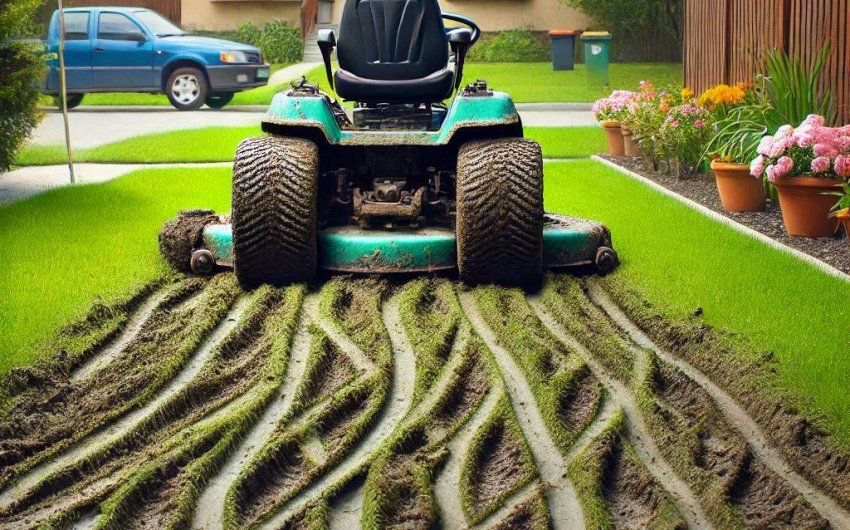
Lawn ruts, those unsightly depressions in your otherwise pristine lawn, are a common frustration for homeowners. Whether caused by the repetitive paths of your lawn mower or the consistent pressure of foot traffic, these indentations not only detract from your yard's appearance but can also lead to drainage issues and an uneven mowing surface. Understanding how to handle lawn ruts is crucial for maintaining a healthy and beautiful lawn. This guide will walk you through identifying, preventing, and repairing these common lawn problems, ensuring your green space remains a source of pride.
What Causes Lawn Ruts and Why Are They a Problem?
Lawn ruts are primarily formed when pressure is applied to soft, saturated soil. Think of a heavy object pressing down on wet clay – it leaves an impression.
Why Do Mowers Create Ruts?
Lawn mowers, especially heavier riding mowers, exert significant pressure on the ground. When the soil is already waterlogged from rain or excessive irrigation, it loses its structural integrity and becomes pliable. The wheels of the mower then easily sink into the softened earth, creating distinct furrows. Repeated passes over the same area, especially when the ground is consistently wet, deepen these ruts over time.
How Does Foot Traffic Lead to Lawn Depressions?
Similar to mowers, consistent foot traffic compacts the soil. Pathways that are frequently walked on, such as routes to a shed, a gate, or a popular play area, experience repeated pressure. This pressure squeezes out air and water from the soil particles, making the soil denser and less resilient. Over time, the compacted soil sinks, forming depressions or ruts. Kids playing, pets running, or even regular deliveries can contribute to this problem, particularly in high-traffic zones.
What Problems Do Lawn Ruts Create?
Beyond aesthetics, lawn ruts can cause several issues:
- Uneven Mowing: Mowers struggle to cut grass evenly over an uneven surface, leading to a choppy appearance.
- Drainage Issues: Ruts can collect water, creating puddles that drown grass roots and become breeding grounds for mosquitoes.
- Safety Hazards: Deep ruts are tripping hazards for people and can make lawn care equipment difficult to maneuver.
- Compacted Soil: Ruts indicate compacted soil, which hinders air and water penetration, starving grass roots of essential nutrients.
- Poor Turf Health: Grass in rutted areas often struggles to grow, leading to bare spots and weeds.
How Can I Identify if My Lawn Has Ruts?
Identifying ruts might seem obvious, but sometimes they are subtle until they become a major issue.
Visual Inspection for Lawn Damage
Walk across your lawn when it's well-lit. Look for uneven surfaces, dips, or areas where water tends to collect after rain. Even slight depressions can become more pronounced over time. Pay close attention to areas where you frequently turn your lawn mower, or where there's a defined path.
The Water Test for Low Spots
After a good rain or a thorough watering, observe how water drains from your lawn. If you notice puddles forming in specific spots that take a long time to dry, those are likely low spots or ruts that need attention. This test is a clear indicator of poor drainage due to uneven terrain.
The Feel Test for Compacted Areas
Walk barefoot across your lawn, if safe to do so. You'll often feel the subtle dips and rises that your eyes might miss. Alternatively, use a screwdriver or a small probe. If you can easily push it into the soil, it's likely healthy and uncompacted. If you meet significant resistance, especially in areas where ruts are forming, it indicates soil compaction.
What Are the Best Prevention Strategies for Lawn Ruts?
Prevention is always better than cure when it comes to lawn ruts. Taking proactive steps can save you significant time and effort in repairs.
When Is the Best Time to Mow My Lawn to Avoid Ruts?
Always mow your lawn when the soil is dry. This is the single most effective way to prevent mower ruts. Wet soil offers little resistance to the weight of your lawn mower, making it easy for wheels to sink in. If it has rained recently, wait a day or two for the ground to dry out. In spring or fall, when precipitation is frequent, you might need to adjust your mowing schedule.
How Can I Change My Mowing Habits to Prevent Ruts?
Varying your mowing pattern is crucial. Continuously mowing in the exact same lines compacts the soil in those specific areas.
- Change Directions: Mow in a different direction each time you cut the grass. If you mowed north-south last time, try east-west or diagonally this time.
- Reduce Weight: If possible, consider a lighter mower for smaller areas or if your soil is consistently soft. Push mowers cause less compaction than heavy riding mowers.
- Adjust Tire Pressure: For riding mowers, ensure tires are inflated to the manufacturer's recommended pressure. Over-inflated tires can concentrate weight, while under-inflated tires might cause more tire "squish" into wet soil.
- Minimize Turns: Try to make turns on harder surfaces like driveways or patios if your lawn is particularly soft.
What Should I Do About High-Traffic Areas in My Lawn?
High-traffic zones are prime candidates for foot traffic ruts.
- Create Designated Paths: Consider installing stepping stones, pavers, or a gravel path in areas that see consistent foot traffic. This diverts pressure away from the grass.
- Alternate Routes: Encourage family members or pets to use different routes periodically to spread out the impact.
- Educate Others: Gently explain why walking on wet grass or repeatedly crossing the same spot can damage the lawn.
- Aeration: Regularly aerate high-traffic areas to relieve compaction.
- Mulch or Groundcover: For very stubborn areas, consider replacing grass with a durable groundcover or mulch, especially in shady spots where grass struggles to grow anyway.
How Can Soil Amendments Help Prevent Ruts?
Improving your soil's structure can significantly reduce its susceptibility to ruts.
- Organic Matter: Incorporating compost, well-rotted manure, or other organic matter improves soil drainage and structure. It makes heavy clay soils more workable and helps sandy soils retain moisture without becoming overly saturated. Aim for a soil test to understand your specific needs, but adding 1/2 to 1 inch of compost annually can make a big difference.
- Aeration: Regular aeration helps reduce compaction by creating small holes in the lawn. This allows air, water, and nutrients to penetrate deeper, encouraging stronger root growth and making the soil more resilient. Consider renting a core aerator or hiring a professional for larger lawns.
- Topdressing: Applying a thin layer of sand and compost mixture (topdressing) after aeration can help fill in minor depressions and improve soil over time.
What Are the Best Methods for Repairing Minor Lawn Ruts?
For shallow ruts, you can often repair them with simple, cost-effective methods.
How Do I Level Small Depressions by Hand?
For ruts that are less than 1-2 inches deep, a simple topdressing method works well.
- Prepare the Area: Lightly rake the rutted area to remove any loose debris or dead grass.
- Mix Your Topdressing: Create a mixture of topsoil, sand, and compost. A good ratio is 60% sand, 20% topsoil, and 20% compost. Sand helps with drainage, topsoil adds structure, and compost provides nutrients. You can find pre-mixed lawn leveling mix or create your own.
- Apply the Mixture: Gently spread a thin layer (no more than 1/2 inch at a time) of the mixture over the rut. Use the back of a rake or a leveling rake to work the mixture into the grass, ensuring it settles into the depression. Avoid burying the grass blades completely.
- Work It In: Use a stiff broom or a push broom to gently brush the mixture down to the soil level, allowing the grass blades to poke through.
- Water Lightly: Water the area lightly to help the mixture settle.
- Repeat as Needed: For deeper ruts, you may need to apply multiple thin layers over several weeks or months, allowing the grass to grow through each layer. This prevents smothering the existing turf.
Can I Use Soil and Seed to Fill Shallow Ruts?
Yes, if the grass in the rutted area is dead or very sparse, you can use a combination of soil and grass seed.
- Loosen the Soil: Gently loosen the compacted soil in the rut with a hand trowel or a small rake.
- Add Topsoil: Fill the rut with a suitable topsoil mixture, leaving about 1/2 inch of space from the top of the rut.
- Spread Grass Seed: Evenly spread high-quality grass seed appropriate for your climate and lawn type.
- Cover Lightly: Lightly cover the seed with a very thin layer (about 1/4 inch) of the topsoil mixture or peat moss to protect it.
- Water Consistently: Keep the area consistently moist (not waterlogged) until the new grass germinates and establishes itself. This may require watering several times a day in small amounts, especially during warm weather.
- Protect New Growth: Try to minimize traffic on the newly seeded area until the grass is well-established. Consider using temporary barriers if necessary.
What Are the Steps for Repairing Deep Lawn Ruts?
Deep ruts, those more than 2-3 inches, often require a more involved repair process, sometimes involving lifting sections of sod.
How Do I Lift and Relevel Sod for Deep Ruts?
This method is best for very distinct, deep ruts, often caused by repeated mower wheel paths.
- Cut the Sod: Using a sharp spade or sod cutter, carefully cut along the edges of the rutted area. Make cuts that are slightly wider than the rut itself, forming rectangular or square sections. Go deep enough to cut through the grass roots, about 2-3 inches.
- Lift the Sod: Gently lift the cut sections of sod, keeping them intact as much as possible. You can roll them up or place them carefully on a tarp.
- Loosen the Soil: Once the sod is removed, thoroughly loosen the compacted soil at the bottom of the rut using a garden fork or small tiller. Break up any large clumps.
- Add Fill Material: Begin adding your soil mixture (topsoil, sand, compost) to the rut. Fill the area gradually, compacting it lightly as you go with your foot or a tamper. Add enough material so that when the sod is replaced, the surface will be level with the surrounding lawn. Aim for a slightly higher level, as the soil will settle.
- Level the Area: Use a leveling rake or a long, straight board to ensure the new soil base is flat and even. Check for any high or low spots.
- Replace the Sod: Carefully unroll or place the lifted sod sections back onto the newly leveled soil. Press down firmly to ensure good contact between the sod and the new soil.
- Water Thoroughly: Water the newly replaced sod deeply immediately after installation.
- Care for New Sod: Keep the sod consistently moist for the first 2-4 weeks to encourage rooting. Avoid heavy traffic until the sod is firmly established. You can test this by gently tugging on a corner; if it resists, it's rooting well.
What Tools and Materials Do I Need for Rut Repair?
Having the right tools makes any repair job easier and more effective.
Essential Tools:
- Garden Rake: For spreading topdressing and general tidying.
- Leveling Rake (or Grading Rake): Ideal for evenly spreading soil and ensuring a smooth surface. Look for a long-handled leveling rake for better reach.
- Spade or Shovel: For digging, cutting sod, and moving soil. A sharp spade is best for clean cuts.
- Garden Fork: For loosening compacted soil and aerating.
- Wheelbarrow: For transporting soil and other materials.
- Push Broom or Stiff Broom: For brushing in topdressing.
- Water Hose with Sprinkler Nozzle: For controlled watering.
- Measuring Tape: To gauge rut depth.
- Sturdy Board or Straightedge: For checking levelness across wider areas.
- Gloves: To protect your hands.
Essential Materials:
- Topsoil: Good quality, screened topsoil forms the base for filling ruts. You can find bags of premium topsoil at garden centers.
- Sand (Construction or Play Sand): Helps improve drainage and prevent compaction in the fill material.
- Compost: Enriches the soil mixture with organic matter, improving structure and nutrient content. Organic compost is a great choice.
- Grass Seed: Choose a grass seed blend suitable for your local climate and existing lawn type (e.g., sun, shade, traffic tolerance).
- Peat Moss: Can be used as a light covering for newly sown grass seed to retain moisture.
- New Sod (Optional): If existing sod is too damaged or you prefer instant results, purchase new sod rolls. Ensure it matches your existing grass type.
- Lawn Leveling Mix (Optional): Some garden centers sell pre-mixed blends of sand, topsoil, and compost specifically for leveling lawns. This can be a convenient option.
When Should I Call a Professional for Lawn Rut Repair?
While many rut repairs are DIY-friendly, there are situations where hiring a professional is the best course of action.
When Are Ruts Too Extensive for DIY Repair?
If your entire lawn is covered in widespread ruts and unevenness, attempting to fix it yourself can be a monumental task. This often indicates a larger underlying issue like severe soil compaction throughout the yard, or significant drainage problems. A professional can assess the scope of the damage and recommend the most efficient and effective solution.
What If My Lawn Has Serious Drainage Issues?
If lawn ruts are consistently filling with water and creating standing puddles, it points to a serious drainage problem. This could be due to:
- Impermeable Soil: Heavy clay soil that doesn't drain well.
- Underlying Hardpan: A dense layer of compacted soil beneath the surface.
- Improper Grading: The slope of your yard might be directing water towards certain areas instead of away from your home.
Professionals specializing in landscape drainage can conduct a comprehensive assessment. They might recommend solutions like installing a French drain, dry well, or regrading your yard to direct water away effectively. These are complex projects that are best left to experts.
When Is Professional Landscaping or Regrading Necessary?
If your lawn's unevenness is severe and affects large sections, or if it impacts the foundation of your home due to improper water runoff, professional regrading may be required. This involves using heavy equipment to reshape the land, ensuring proper slope for drainage and eliminating ruts permanently. This is a significant undertaking that requires expertise in earthmoving and landscape design.
What Expertise Do Professionals Offer?
Professional lawn care companies and landscapers bring several advantages:
- Expert Assessment: They can accurately diagnose the root cause of your ruts and recommend tailored solutions.
- Specialized Equipment: They have access to heavy machinery like core aerators, sod cutters, and mini-excavators that make large-scale repairs efficient.
- Material Sourcing: They can source large quantities of high-quality topsoil, sand, and compost at competitive prices.
- Time and Labor Savings: For extensive damage, hiring a professional saves you significant time, effort, and potential frustration.
- Guaranteed Results: Many reputable professionals offer warranties on their work, providing peace of mind.
How Do I Maintain My Lawn to Prevent Future Ruts?
After all your hard work repairing ruts, you'll want to ensure they don't return. Ongoing lawn care is key to preventing future problems.
What Is the Importance of Regular Aeration?
Aeration is one of the most critical practices for preventing soil compaction and thus, ruts. It involves creating small holes in your lawn, either by punching holes (spike aeration) or by removing small plugs of soil (core aeration).
- Improves Drainage: Aeration allows water to penetrate deeper into the soil, reducing surface saturation and the likelihood of ruts forming when the ground is wet.
- Reduces Compaction: It breaks up dense soil, allowing roots to grow deeper and spread out, making the turf more resilient.
- Enhances Nutrient Uptake: Air, water, and fertilizers can reach the roots more easily, leading to healthier, stronger grass.
For areas prone to ruts, consider core aeration once a year, preferably in the spring or fall when your grass is actively growing. You can rent a core aerator from equipment rental stores or hire a lawn care professional.
How Can I Improve My Lawn's Soil Health?
Healthy soil is resilient soil. Focusing on soil health is a long-term strategy for preventing ruts.
- Add Organic Matter: Continuously amend your soil with compost and other organic materials. This improves soil structure, aeration, and water retention. Spreading a thin layer of compost (topdressing) annually is an excellent practice.
- Soil Testing: Get a soil test every few years. This tells you your soil's pH level and nutrient deficiencies. Addressing these issues with appropriate fertilizers and amendments will promote stronger grass growth. You can buy a home soil test kit or send a sample to your local agricultural extension office.
- Proper Fertilization: Fertilize your lawn according to its needs based on soil tests. Healthy grass has a denser root system, which helps bind the soil and resist compaction.
- Right Grass Type: Choose grass varieties that are well-suited to your soil type, climate, and the amount of traffic your lawn receives. Some grasses are more resilient to compaction than others.
What Are Smart Watering Practices to Avoid Ruts?
Overwatering or watering incorrectly can contribute significantly to lawn ruts.
- Water Deeply and Infrequently: Instead of shallow, frequent watering, water your lawn deeply and less often. This encourages deeper root growth, making the grass more tolerant of dry periods and less susceptible to softening when wet. Aim for 1 inch of water per week, either from rain or irrigation.
- Water in the Morning: Water early in the morning, between 6 AM and 10 AM. This allows the grass to dry before nightfall, reducing the risk of fungal diseases, and gives the soil time to absorb the water before the heat of the day.
- Avoid Overwatering: Don't saturate the soil immediately before mowing or when you know heavy foot traffic is expected. Ensure your irrigation system is properly calibrated to deliver the right amount of water. A rain gauge can help you measure how much water your lawn is receiving.
How Does Proper Mower Maintenance Affect Rut Prevention?
Your lawn mower can be a cause of ruts, so proper maintenance is vital.
- Sharp Blades: Ensure your mower blades are sharp. Dull blades tear grass, weakening it and making it more susceptible to damage.
- Correct Height: Adjust your mowing height. Taller grass (usually 2.5-3 inches) promotes deeper root growth and provides more shade to the soil, helping to retain moisture and keep it from becoming too soft.
- Mower Weight: If you have a very heavy riding mower and notice persistent ruts, consider whether a lighter push mower or a different type of mower might be more suitable for certain areas of your lawn, especially in wet conditions.
By diligently applying these prevention and repair strategies, you can effectively handle lawn ruts caused by mowers and foot traffic, ensuring your lawn remains a lush, level, and beautiful space for years to come.