
Getting Rid of Dandelions in Lawns Without Chemicals
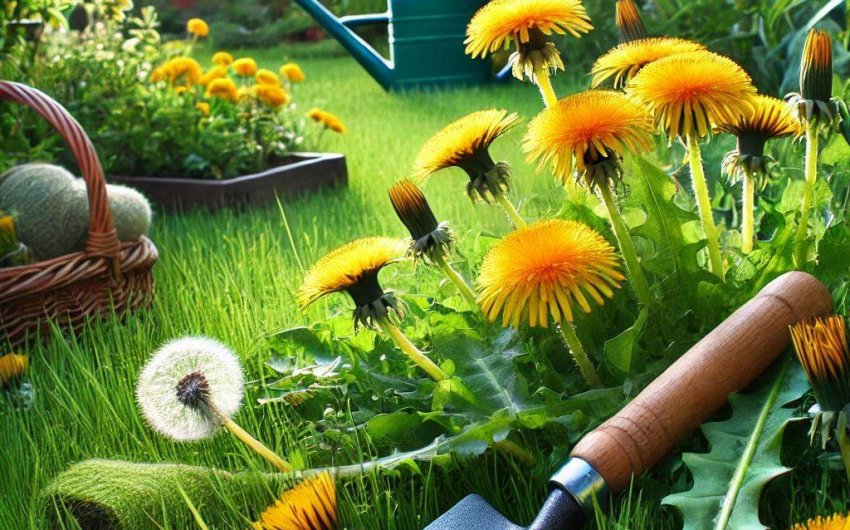
Getting rid of dandelions in lawns without chemicals requires a multi-faceted approach focusing on proper lawn care practices to create a dense, healthy turf that outcompetes weeds, combined with diligent manual removal. Healthy grass is the ultimate dandelion deterrent.
Why Are Dandelions So Stubborn in Lawns?
Dandelions are one of the most persistent and recognizable weeds in lawns across the globe. Their vibrant yellow flowers and fluffy white seed heads are ubiquitous, leading many gardeners to seek ways of getting rid of dandelions without chemicals. Understanding why they are so stubborn is the first step in effective management.
Here's what makes dandelions such tenacious invaders:
- Deep Taproot: The defining characteristic of a dandelion is its strong, fleshy taproot. This root can grow incredibly deep, often 6 to 18 inches (15-45 cm) into the soil, sometimes even deeper.
- Resilience: This deep taproot allows the dandelion to access water and nutrients far below the reach of grass roots, making it highly drought-tolerant.
- Regrowth: If even a small piece of this taproot remains in the soil after weeding, the dandelion can regenerate and grow a new plant. This is why simply pulling the top off is ineffective.
- Prolific Seed Production: Each yellow dandelion flower head can produce hundreds of seeds (sometimes up to 200 per head). These seeds are attached to a feathery pappus, allowing them to be carried by wind over long distances.
- Widespread Distribution: This efficient wind dispersal ensures that dandelion seeds can easily travel from your neighbor's lawn, cracks in pavement, or nearby fields directly into your lawn.
- Long Viability: Dandelion seeds can remain viable in the soil for several years, meaning a seed bank is always ready to germinate when conditions are right.
- Rapid Germination and Growth: Dandelions can germinate and grow quickly under a wide range of soil conditions, often outpacing newly sown grass seeds. They are among the first weeds to emerge in spring and can persist through fall.
- Rosette Growth Habit: The dandelion grows in a basal rosette, meaning its leaves lie flat against the ground.
- Competitive Advantage: This low-growing habit helps it "shade out" and outcompete surrounding grass for sunlight, especially when the grass is thin or weak.
- Mowing Resilience: This also makes them difficult to fully remove by mowing. Mowers often pass right over the leaves, leaving the growing point intact.
- Adaptability: Dandelions are incredibly adaptable weeds. They can tolerate a wide range of soil types (from compacted clay to loose sand), varying pH levels, and even survive in poor, nutrient-deficient soils where grass struggles. They are also cold-hardy and can withstand light frosts.
- Soil Compaction Indicator: Dandelions often thrive in compacted soil. Their deep taproots help to break up compacted soil, which is beneficial for the soil but makes them a persistent problem in lawns with poor aeration. Their presence can actually be a sign that your soil needs attention.
- Pollinator Benefit (from a different perspective): While a nuisance for lawn perfectionists, dandelions are an early and important food source for bees and other pollinators in spring, which is why some choose to tolerate them or manage them less aggressively.
Because of these combined factors, simply treating individual dandelions is a losing battle. Getting rid of dandelions in lawns without chemicals requires a holistic approach that focuses on improving overall turf health to naturally outcompete these persistent weeds.
What Are Effective Manual Methods for Removing Dandelions?
When you're committed to getting rid of dandelions in lawns without chemicals, manual removal is your most direct and often most satisfying method. However, it's crucial to do it correctly to avoid encouraging regrowth from the stubborn taproot. This method is best for smaller infestations or ongoing spot treatment.
Here are the most effective manual methods for removing dandelions:
1. Digging Them Out (The Most Effective Manual Method)
This method aims to remove the entire taproot, which is key to preventing regrowth.
- Timing is Crucial:
- After Rain or Watering: The soil should be moist, but not soggy. Moist soil makes it much easier to extract the long taproot without breaking it.
- When Young: Tackle dandelions when they are young and small, before their taproots become too deep and established, and definitely before they go to seed.
- Choose the Right Tool:
- Dandelion Weeder Tool: These specialized tools (often long, thin, with a V-notch or a pronged head) are designed to go deep and leverage out the taproot. Look for a dandelion weeding tool with a comfortable handle.
- Fiskars Ergo Dandelion Weeder is a highly-rated ergonomic option.
- Long, Narrow Trowel/Screwdriver: For smaller dandelions, a long, sturdy trowel or even a flathead screwdriver can be used.
- The Technique:
- Insert Tool: Position your weeding tool right next to the dandelion's taproot. Push it deep into the soil alongside the root.
- Leverage and Lift: Use the tool to gently loosen the soil around the taproot and then, using the ground as a fulcrum, lever the entire dandelion plant, including its full taproot, out of the ground.
- Inspect: After pulling, inspect the hole and the root to ensure no significant pieces of the taproot broke off and remained in the soil. Even a 1-inch piece can resprout.
- What to Do with Removed Dandelions: Immediately place removed dandelions in a bucket or bag. If they have seed heads, put them in the trash, not your compost, to prevent spreading seeds. If they have not flowered, they can be composted.
2. Spot Boiling Water Treatment (For Small Areas)
- How it Works: The extreme heat from boiling water kills the plant cells, including the taproot.
- Best For: Individual dandelions in sidewalk cracks, driveways, or small, isolated patches in the lawn.
- Technique: Carefully pour boiling water directly onto the crown of the dandelion, making sure to avoid desirable grass around it.
- Cautions: This will kill surrounding grass, so use very precisely. Not practical for widespread infestations.
3. Smothering (For Patches or New Beds)
- How it Works: Depriving dandelions of sunlight will eventually kill them.
- Best For: Larger patches of dandelions in areas you might want to convert to a garden bed or reseeding entirely.
- Technique: Cover the affected area with thick layers of cardboard, newspaper, or black plastic. Leave in place for several weeks to months. This is effective for killing dandelions and other weeds, but obviously not for an intact lawn.
4. Solarization (For Large Patches or Preparing New Areas)
- How it Works: Using clear plastic sheeting to trap solar heat, raising soil temperatures high enough to kill weeds and seeds.
- Best For: Larger, sun-exposed areas where you're willing to dedicate a few weeks to this process. Not for maintaining existing turf.
- Technique: Moisten the area, cover with clear plastic sheeting, and seal the edges with soil. Leave for 4-6 weeks during the hottest part of summer.
Manual removal of dandelions is labor-intensive, especially for large lawns, but it is undeniably effective for getting rid of dandelions without chemicals when done thoroughly and consistently. It's often best combined with preventative lawn care practices.
How Can I Prevent Dandelions from Growing in My Lawn?
The most sustainable and long-term solution for getting rid of dandelions in lawns without chemicals is to prevent them from growing in the first place. A dense, healthy lawn is the best defense against these persistent weeds, as vigorous grass outcompetes dandelions for light, water, and nutrients.
Here's how to create a turf that naturally suppresses dandelions:
1. Maintain a Thick, Dense Lawn
- Crowd Out Weeds: This is the foundational principle. A thick, healthy lawn leaves no room for dandelion seeds to germinate and establish.
- Overseeding: Regularly overseed your lawn, especially in sparse areas. In fall, spread new grass seed over your existing lawn. This increases turf density. Choose grass seed varieties suitable for your climate. Jonathan Green Black Beauty Grass Seed is a popular option known for dense growth.
2. Mow at the Correct Height
- Higher Mowing Setting: Always mow your lawn at its highest recommended setting, typically 2.5 to 3.5 inches (6-9 cm) for most cool-season grasses, and sometimes even higher for warm-season varieties.
- Shade Out Seeds: Taller grass blades create shade at the soil surface. This blocks sunlight from reaching dandelion seeds, inhibiting their germination. It also helps to hide any existing small dandelions, preventing them from getting enough light to thrive.
- Deep Roots: Taller grass also encourages deeper root growth, making your lawn more resilient and competitive.
3. Water Deeply and Infrequently
- Deep Roots for Grass: Water your lawn deeply and infrequently (about 1 inch of water per week, including rainfall). This encourages your grass to develop deep, strong roots that can compete with the dandelion's taproot for moisture.
- Discourage Shallow Weeds: Frequent, light watering keeps the topsoil moist, which favors the germination and growth of shallow-rooted weeds like dandelions. Deep, infrequent watering makes the surface dry out, making it harder for new dandelion seedlings to survive.
4. Practice Proper Fertilization
- Feed the Grass, Not the Weeds: Fertilize your lawn appropriately based on a soil test. A healthy lawn uses nutrients efficiently.
- Timing: Fertilize cool-season grasses in the fall and early spring. Fertilize warm-season grasses in late spring and summer. This timing promotes vigorous grass growth when dandelions are less competitive.
- Organic Fertilizers: Using organic fertilizers (like compost, compost tea, or organic lawn fertilizer) improves overall soil health, which strengthens turf over time, naturally deterring weeds.
5. Improve Soil Health and Aeration
- Compaction Alleviation: Dandelions thrive in compacted soil. Core aeration (removing small plugs of soil) helps alleviate compaction, allowing grass roots to grow deeper and improving water and air penetration. This creates an environment less favorable for dandelions.
- Perform core aeration in fall for cool-season grasses or late spring/early summer for warm-season grasses. You can rent a core aerator machine or hire a professional.
- Topdressing with Compost: Spreading a thin layer of compost over your lawn (especially after aeration) improves soil structure, adds organic matter, and encourages beneficial microbial activity, all of which contribute to a healthier lawn that resists weeds.
6. Spot Treat Young Dandelions Diligently
- Catch Them Early: Even with the best prevention, some dandelions will appear. Make it a habit to walk your lawn regularly and immediately dig out any new dandelions you spot, especially before they flower and produce seeds. This prevents them from contributing to the seed bank.
By consistently implementing these preventative measures, you can dramatically reduce the presence of dandelions in your lawn without chemicals, fostering a vibrant, healthy, and naturally beautiful turf that outcompetes weeds year after year.
Can Natural Herbicides Help Get Rid of Dandelions?
When focusing on getting rid of dandelions in lawns without chemicals, the term "chemical" typically refers to synthetic, broad-spectrum herbicides. However, some gardeners explore natural herbicides as an alternative to manual removal. It's important to understand that these natural options often have limitations and require careful application, as they can also harm desirable turfgrass.
Here are some natural herbicide options and their effectiveness against dandelions:
1. Horticultural Vinegar (Acetic Acid)
- How it Works: High-strength horticultural vinegar (typically 10-20% acetic acid, much stronger than household vinegar which is 5%) acts as a desiccant, burning and drying out plant tissue on contact.
- Effectiveness on Dandelions: It can effectively kill the foliage of dandelions. However, because it's a contact killer, it often does not penetrate deep enough to kill the entire taproot. This means the dandelion may regrow from the root.
- Application: Apply directly and sparingly to the dandelion leaves. Wear protective eyewear and gloves.
- Cautions:
- Non-Selective: Horticultural vinegar is non-selective; it will kill any plant tissue it touches, including your desirable grass. Apply very carefully as a spot treatment.
- Soil pH Impact: Repeated use in the same spot can temporarily lower soil pH, which might affect grass health.
- Safety: Stronger concentrations are corrosive and require careful handling.
- You can find horticultural vinegar online.
2. Corn Gluten Meal (Pre-Emergent)
- How it Works: Corn gluten meal is a natural pre-emergent herbicide. It works by inhibiting root formation in germinating seeds. It also has nitrogen-rich fertilizer properties.
- Effectiveness on Dandelions: It will prevent dandelion seeds (and other weed seeds) from successfully germinating and establishing. It will not kill existing dandelions.
- Application: Apply it in early spring before dandelion seeds (and other weed seeds) have a chance to germinate. Timing is critical.
- Cautions:
- Pre-Emergent Only: It only works on germinating seeds.
- Also Harms Grass Seed: Do not apply if you plan to overseed your lawn within 6-8 weeks, as it will also prevent your grass seed from germinating.
- Cost: Can be more expensive than synthetic options.
- You can find organic corn gluten meal at garden supply stores.
3. Salt (Sodium Chloride)
- How it Works: Salt draws moisture out of plant cells, dehydrating and killing them.
- Effectiveness on Dandelions: Can kill dandelions on contact.
- Application: Apply sparingly directly to the dandelion plant.
- Cautions:
- Extreme Non-Selectivity: Highly damaging to all plants. Even a small amount can make the soil infertile for extended periods, preventing anything from growing.
- Soil Damage: Not recommended for use in lawns as it can irreversibly damage soil structure and render the area barren for years. Use only in cracks where you want absolutely no growth.
Limitations of Natural Herbicides for Dandelions in Lawns:
- Contact Killers: Most natural herbicides (like vinegar) are contact killers. They only burn the top growth and rarely penetrate deep enough to kill the dandelion's taproot, leading to regrowth. This means repeated applications are necessary, making them less efficient for widespread issues.
- Non-Selective: A significant drawback is that most natural herbicides are non-selective; they kill any plant they touch, including your desirable turfgrass. This makes them suitable only for very precise spot treatments.
- Environmental Impact: While "natural," applying large quantities of any substance, even salt or strong acids, can still have negative localized environmental impacts, such as affecting soil pH or beneficial soil organisms.
For getting rid of dandelions in lawns without chemicals, a combined approach of robust cultural practices (dense turf, proper mowing, watering, fertilizing) and diligent manual removal of individual plants is generally far more effective and sustainable than relying heavily on natural herbicides. These methods foster a resilient lawn that naturally outcompetes dandelions for the long term.
What Are Some Myths About Getting Rid of Dandelions?
When you're striving to be getting rid of dandelions in lawns without chemicals, you'll often encounter various pieces of advice, some helpful, others less so. It's important to separate fact from fiction to avoid wasting effort or inadvertently making your dandelion problem worse.
Here are some common myths about getting rid of dandelions:
- Myth 1: Just Spray Them with Household Vinegar.
- Reality: Household vinegar (5% acetic acid) is too weak to effectively kill dandelions, especially their deep taproots. It might scorch the leaves temporarily, but the plant will almost certainly regrow. Only horticultural vinegar (10-20% acetic acid) has a chance of significant burn, but even then, it's a contact killer and rarely penetrates the taproot completely. Plus, it's non-selective and will harm your grass.
- Myth 2: Cutting Off the Flower Heads Stops Them from Spreading.
- Reality: While cutting off the yellow flower heads before they turn into fluffy seed balls will prevent that specific head's seeds from dispersing, it does little to harm the plant itself. The dandelion will simply produce more flowers and more seeds. This is an ongoing battle you'll likely lose if it's your only strategy. It's better to focus on digging out the entire plant.
- Myth 3: Pouring Bleach or Dish Soap on Them Will Kill Them Naturally.
- Reality: Bleach is a harsh chemical that can indeed kill plants, but it's toxic, non-selective, and can cause long-term soil damage, making the area barren. Dish soap mixed with water can act as a mild surfactant, potentially enhancing other treatments or suffocating very small, soft-bodied weeds, but it's not an effective standalone dandelion killer and can strip beneficial oils from your grass. Neither is a safe or effective chemical-free solution for lawns.
- Myth 4: Dandelions Only Grow in Unhealthy Lawns.
- Reality: While dandelions certainly thrive in thin, weak, compacted lawns (because they face less competition), they can and do grow in healthy lawns, especially if seeds blow in from neighboring areas. A healthy lawn is your best defense against major infestations, but it won't prevent every single dandelion from appearing. Their deep taproots and prolific seeding make them opportunistic colonizers anywhere they can find a foothold.
- Myth 5: You Can "Starve" Them Out by Not Fertilizing.
- Reality: This is counterproductive. Dandelions are often better at scavenging nutrients in poor soil than turfgrass. By not fertilizing, you weaken your grass, making it less able to compete. The goal is to fertilize and strengthen your grass, allowing it to crowd out the dandelions, not to starve them out, which is almost impossible due to their deep roots.
- Myth 6: Once You Dig One Out, It's Gone Forever.
- Reality: This is only true if you remove the entire taproot. As mentioned, if even a small piece (1 inch or so) of the taproot remains in the soil, the dandelion can resprout. This is why using the right tool and technique (like a dandelion weeder) to get the whole root is so important.
By debunking these myths, you can adopt more effective, science-backed strategies for getting rid of dandelions in lawns without chemicals, focusing on sustainable lawn health rather than ineffective quick fixes.