
How to Fix Leggy Houseplants: The Complete Guide
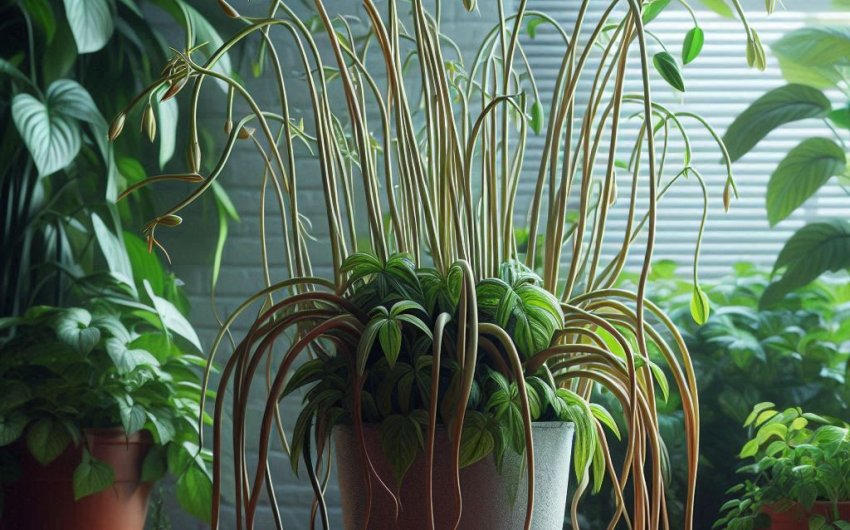
Few plant parenting frustrations are as common as discovering your once-lush and compact houseplant has become stretched, sparse, and a little awkward-looking. This elongated, often weak growth, characterized by long stems and widely spaced leaves, is a clear sign that your plant is reaching desperately for something it's lacking. Fortunately, learning how to fix leggy houseplants is an entirely manageable task, involving a combination of corrective measures and strategic adjustments to their growing environment to restore their vibrant, bushy splendor.
Why Do Houseplants Get Leggy?
The phenomenon of a leggy houseplant is not random; it's a direct response by the plant to environmental conditions that aren't quite meeting its needs. Understanding the root causes behind this stretched, sparse growth is the first step toward effectively diagnosing and fixing the problem.
What is Leggy Growth?
Leggy growth is a specific type of plant development characterized by stems that are unusually long, thin, and stretched out, with leaves that are smaller and more widely spaced than they should be. The plant looks sparse and unhealthy, often losing its compact, bushy appearance.
- Elongated Internodes: The primary visual cue of legginess is elongated internodes. An internode is the section of stem between two nodes (the points where leaves or branches emerge). In a leggy plant, these internodes are much longer than normal, making the stem appear stretched.
- Sparse Foliage: Because the leaves are spaced out more widely along these stretched stems, the plant looks less full and dense. The leaves themselves may also be smaller, paler, or less vibrant than expected for the species.
- Weak Stems: The stretched stems are often thinner and weaker than healthy stems, making the plant unable to support its own weight. This can lead to flopping over, requiring external support.
- Reaching for Light: The underlying cause for most legginess is the plant "reaching" or "stretching" for a resource it desperately needs, almost always light. It's an adaptive mechanism to try and find a brighter spot.
- Contrast with Healthy Growth: A healthy, non-leggy plant will have compact internodes, closely spaced and robust leaves, and strong, self-supporting stems.
What are the Primary Causes of Legginess?
While there can be contributing factors, the vast majority of leggy houseplant issues stem from a single, critical deficiency.
- Insufficient Light (The #1 Cause): This is, without a doubt, the most common reason houseplants get leggy. Plants need light for photosynthesis (converting light into energy for growth). When they don't get enough light, they instinctively stretch their stems (elongate internodes) in an attempt to reach a brighter area.
- Low Light Exposure: Placing a plant that needs bright, indirect light in a dim corner.
- Too Far from Window: Even a few feet away from a window can significantly reduce light intensity.
- Blocked Light: Curtains, blinds, or other objects blocking light from reaching the plant.
- Seasonal Changes: Winter's shorter days and weaker sunlight can cause legginess, especially if supplemental light isn't provided.
- Nutrient Imbalance (Less Common, but Contributes): While not a direct cause of stretching, an imbalance in nutrients can contribute to overall weak growth, which exacerbates legginess.
- Excess Nitrogen: Too much nitrogen fertilizer can promote lush, leafy growth at the expense of strong stems, leading to softer, weaker stems that are more prone to stretching.
- Nutrient Deficiency: Lack of essential nutrients can lead to overall poor plant health and weak structure.
- Overcrowding: If multiple plants are crammed too closely together in a pot or on a shelf, they will compete for light. Each plant will try to stretch upwards and outwards to get its share of light, leading to legginess.
- Lack of Pruning: For many bushy plants, regular pruning encourages branching and a more compact growth habit. If a plant is never pruned, it may simply continue to grow upwards on a single stem, eventually becoming leggy.
- Inadequate Pot Size: While not a primary cause, if a plant is severely root-bound, its overall growth can slow, potentially leading to leggy stems as it struggles for resources.
Why is Proper Light So Critical?
Light is the fuel for plant growth. Understanding its role is paramount to preventing and treating legginess, as it directly influences how a plant develops and maintains its shape.
- Photosynthesis: Plants convert light energy into chemical energy (sugars) through photosynthesis. This energy is then used for all growth processes, from forming new leaves to developing strong stems. Without enough light, the plant doesn't have enough energy to grow densely and compactly.
- Phototropism: Plants have an innate ability called phototropism, which means they grow or bend towards a light source. This is why a plant in a window will often lean towards the glass. When light is insufficient, this stretching becomes exaggerated, leading to legginess.
- Hormonal Response: Light plays a critical role in regulating plant hormones, particularly auxins. In low light conditions, auxin distribution changes, promoting cell elongation in stems, resulting in longer internodes as the plant "searches" for brighter areas.
- Impact on Overall Plant Health: Beyond legginess, insufficient light weakens a plant overall, making it more susceptible to pests, diseases, and other environmental stresses. A healthy plant with adequate light will be more resilient.
- Variegation: For variegated plants (those with multiple colors in their leaves), insufficient light can cause the colorful parts of the leaves to fade or disappear, as the plant tries to maximize green chlorophyll-producing tissue. This loss of variegation is another sign of low light.
- Bloom Production: Many flowering houseplants will fail to bloom or produce very few flowers if they don't receive enough light.
How Do You Diagnose Leggy Growth?
Before you can fix a leggy houseplant, you need to accurately identify the problem and its likely cause. A keen eye and understanding of normal plant growth are essential.
What are the Visual Cues of Legginess?
Spotting leggy growth is usually quite straightforward once you know what to look for. It's a noticeable departure from the plant's typical appearance.
- Long, Stretched Stems: The most obvious sign. Stems appear unusually long between leaf nodes. Instead of a compact structure, you'll see extended, sometimes bare, stem sections.
- Widely Spaced Leaves: The leaves are much further apart on the stem than they should be, giving the plant a sparse or "gappy" look.
- Smaller Leaves: The leaves on leggy stems may be noticeably smaller than older, healthy leaves on the same plant, or smaller than expected for the mature size of the plant species.
- Pale or Dull Foliage: Leaves might appear paler green than normal, or lack the vibrant color of healthy leaves. This indicates insufficient chlorophyll production due to inadequate light.
- Plant Leaning or Flopping: The elongated, often weaker stems struggle to support the weight of the leaves, causing the plant to lean heavily towards a light source or flop over entirely.
- Lack of Bushiness/New Growth at Base: Instead of a full, dense appearance from the base, the plant might have sparse growth lower down, with all the new (leggy) growth concentrated at the top or ends of stems.
- Lack of Fenestrations (for some plants like Monstera): For plants like Monstera deliciosa, the iconic leaf splits (fenestrations) will not develop or will be significantly reduced if the plant is leggy due to low light, as the plant is prioritizing basic survival over complex leaf development.
What Environmental Factors to Assess?
Once you suspect legginess, systematically review your plant's environment. The primary culprit is almost always light, but other factors can contribute.
- Light Exposure:
- Proximity to Window: How far is the plant from the nearest window? Even a few feet can dramatically reduce light intensity.
- Window Direction: What direction does the window face (North, South, East, West)? East provides gentle morning sun, South/West provide intense afternoon sun, and North provides consistent but weaker light. Match this to your plant's needs (check its light requirements).
- Obstructions: Are curtains, blinds, furniture, or other plants blocking light from reaching the lower parts of the plant?
- Seasonal Changes: Remember that winter light is much weaker and days are shorter, so a spot that was bright enough in summer might be too dim in winter.
- Watering Habits:
- Frequency: Are you overwatering (keeping soil constantly soggy) or underwatering (allowing plant to wilt too severely)? Both can stress the plant and indirectly affect its vigor.
- Drainage: Does the pot have drainage holes? Is the potting mix well-draining? Waterlogged soil harms roots, reducing nutrient uptake.
- Potting Mix and Nutrition:
- Soil Quality: Is the potting mix old and compacted, preventing root respiration?
- Fertilization: When was the last time you fertilized? Are you using the correct type and strength of fertilizer for your plant? Over-fertilization can sometimes lead to excessive, weak growth.
- Pot Size: Is the plant severely root-bound? While some plants like being a bit snug, extreme root-boundness can stunt growth.
- Temperature: Are there any extreme temperature fluctuations or cold drafts that could be stressing the plant?
- Humidity: While less directly related to legginess, very low humidity can stress some plants, contributing to overall poor health.
How to Fix Leggy Houseplants: Corrective Actions?
Addressing leggy houseplants involves a two-pronged approach: first, making corrective changes to the environment to prevent future legginess, and second, performing corrective pruning to restore the plant's bushy, compact form.
How to Adjust Light and Location?
This is the most crucial step. Since insufficient light is the primary cause of legginess, providing more appropriate light is the fundamental fix.
- Move Closer to a Window: The simplest solution. Place your leggy plant as close as safely possible to a window that provides suitable light for its species. Remember, light intensity drops off dramatically with distance from a window.
- Choose the Right Window:
- East-Facing: Best for most plants needing bright, indirect light (gentle morning sun).
- South or West-Facing: Provide the brightest light. May be too intense for some plants, causing scorching. Use sheer curtains or move the plant a few feet back from the window to diffuse direct afternoon sun.
- North-Facing: Provides weakest, consistent light. Only suitable for very low-light tolerant plants.
- Remove Obstructions: Clear away anything blocking light from reaching the plant – heavy curtains, blinds, or other plants crowding it.
- Rotate Your Plant: Even with good light, plants will tend to grow towards the light source, becoming lopsided. Rotate your plant 90 degrees every week or two to ensure even light exposure and encourage symmetrical growth.
- Add Supplemental Lighting: If natural light is insufficient, especially during winter months or in dark rooms, consider using a grow light for houseplants. LED grow lights are energy-efficient and effective. Place them a few inches to a foot above the plant, depending on their strength.
How to Prune Leggy Stems Effectively?
Pruning is essential to restore the compact, bushy shape of a leggy houseplant. It also encourages new, healthier growth.
- Tools: Always use clean, sharp pruning shears or a sharp knife. Sterilize your tools (with rubbing alcohol or bleach solution) before and after use to prevent disease spread.
- Identify Cutting Points: Look for nodes (the bump or joint where leaves/branches emerge) on the leggy stem. New growth will typically sprout from just below where you make the cut.
- Cut Above a Node: Make a clean cut on the stem about 1/4 inch above a healthy node. Aim for a node that points outwards from the plant's center to encourage outward, bushy growth.
- How Much to Cut:
- Minor Legginess: For slightly leggy plants, simply pinch back the growing tips or cut back individual leggy stems to a healthy node.
- Severe Legginess (Hard Pruning/Chop & Prop): For very severely leggy plants, you can perform a more drastic "hard prune" or "chop and prop." This involves cutting back stems significantly, even down to a few inches above the soil line, ensuring there are still nodes remaining on the stub. While intimidating, this often works wonders, forcing the plant to bush out from the base. You can then propagate the removed cuttings (see below).
- Timing: The best time for significant pruning is during the plant's active growing season (spring and early summer), when it has the energy to rebound quickly. Avoid heavy pruning in fall or winter.
- Don't Overdo It (initially): If you're nervous, start by pruning back just a few stems or taking off only a small amount. You can always prune more later. For very large plants, consider pruning in stages over a few weeks.
What are Other Supportive Measures?
Beyond light and pruning, a few other adjustments can support your plant's recovery and prevent future legginess.
- Repotting (if needed): If your plant is severely root-bound or in very old, compacted potting mix, repotting it into fresh, well-draining soil can rejuvenate it. Choose a pot only one size larger, or the same size if root pruning.
- Fertilization: Ensure your plant is receiving appropriate nutrition. Fertilize regularly during the growing season with a balanced houseplant fertilizer at the recommended strength. Avoid over-fertilizing with high-nitrogen fertilizers, which can encourage weak, stretchy growth.
- Pest and Disease Management: A plant struggling with pests or diseases will be weaker and more susceptible to legginess. Regularly inspect your plants and treat any issues promptly.
- Rotate Plant: Even with proper light, plants tend to grow towards the light source, becoming lopsided. Rotate your plant 90 degrees every week or two to encourage even, symmetrical growth.
- Humidity: While not a direct cure for legginess, providing adequate humidity for humidity-loving plants helps reduce overall stress, allowing them to focus energy on healthy growth.
- Cleanliness: Regularly wipe dust from leaves. Dust can block light absorption, reducing photosynthesis.
How to Propagate Leggy Cuttings?
The silver lining of having to prune leggy stems is the opportunity to turn those trimmings into new plants! Propagating leggy cuttings is a fantastic way to multiply your plant collection and add fullness to your existing pots.
What is Water Propagation for Cuttings?
Water propagation is a simple and popular method for rooting many houseplants, including those taken from leggy stems. It allows you to watch the roots develop, which can be very satisfying.
- Step 1: Select Cuttings: From your pruned leggy stems, choose healthy sections that contain at least one (preferably two) nodes and at least one healthy leaf. Remove any leaves that would be submerged in water.
- Step 2: Prepare Container: Use a clean, clear glass jar, vase, or plastic container. Clear containers are ideal for monitoring root growth.
- Step 3: Add Water: Fill the container with room-temperature, filtered, or de-chlorinated water.
- Step 4: Submerge Nodes: Place the cutting(s) in the water, ensuring the nodes are fully submerged but no leaves are under the waterline. If the cutting has aerial roots, make sure they are also submerged.
- Step 5: Location: Place the container in a spot with bright, indirect light. Avoid direct sun, which can encourage algae growth or overheat the water.
- Step 6: Change Water Regularly: Change the water every 3-5 days to keep it fresh and oxygenated, preventing bacterial buildup. If the water looks cloudy or slimy, change it immediately.
- Step 7: Wait for Roots: Patience! Roots typically start to appear within 2-4 weeks, though it can vary by plant and conditions. They will look like white, fibrous strands emerging from the nodes.
- Step 8: Potting Up: Once the roots are at least 2-3 inches long and have started branching, your cuttings are ready to be transferred to soil. This usually takes 4-8 weeks. Waiting until roots are substantial increases the success rate of transplanting to soil.
- Rooting Hormone (Optional): While not strictly necessary for many easy-to-root plants, dipping the cut end in rooting hormone powder can speed up root development and increase success.
How to Propagate in Soil?
Soil propagation involves planting the cuttings directly into potting mix. While you can't see the roots, this method can sometimes lead to less transplant shock as the roots develop in the environment they'll continue to grow in.
- Step 1: Prepare Cuttings: Same as for water propagation: healthy stem section with at least one node and a leaf, with any submerged leaves removed. You might allow the cut end to callus over for a few hours or overnight, especially for plants with thick, sappy stems, to reduce rot risk.
- Step 2: Prepare Potting Mix: Use a fresh, well-draining potting mix (e.g., houseplant mix mixed with perlite or coco coir for extra aeration). Moisten the mix until it's damp but not soggy.
- Step 3: Choose a Pot: Select a small pot (e.g., 4-6 inch) with good drainage holes.
- Step 4: Plant Cutting: Make a small hole in the center of the moistened potting mix. Insert the cut end of your cutting into the hole, ensuring at least one node is buried. Gently firm the soil around the cutting to secure it.
- Step 5: Create Humidity (Recommended): To provide the high humidity cuttings need to root, cover the pot and cutting with a clear plastic bag or dome, or place it inside a small propagation dome. This creates a mini-greenhouse effect. Ensure daily ventilation to prevent mold.
- Step 6: Location: Place the potted cutting in a spot with bright, indirect light. Avoid direct sunlight, which can overheat the mini-greenhouse.
- Step 7: Maintain Moisture: Keep the potting mix consistently moist but never soggy. Check regularly.
- Step 8: Wait for Growth: Rooting can take anywhere from 4-8 weeks. You'll know it's rooting when you see new leaf growth. Gently tugging on the cutting (if it resists, it's rooting) can also confirm.
- Rooting Hormone (Optional): Dipping the cut end in rooting hormone powder before planting in soil can enhance success.
How to Pot Up Rooted Cuttings?
The transition from water to soil, or from a propagation medium to a permanent pot, needs to be handled gently to ensure your new plants thrive.
- Timing: For water-rooted cuttings, wait until roots are at least 2-3 inches long and have some secondary branching. For soil-rooted cuttings, wait until you see vigorous new leaf growth, indicating a healthy root system.
- Prepare Pot: Choose a small pot (e.g., 4-6 inch) with drainage holes. Fill it with fresh, well-draining houseplant potting mix.
- Gentle Transfer: Carefully remove the rooted cutting from its water container or propagation medium. Handle the delicate new roots as little as possible.
- Planting: Make a hole in the center of the potting mix. Gently place the cutting into the hole, spreading the roots out, and backfill with soil, lightly firming around the base.
- Initial Watering: Water thoroughly immediately after potting up to settle the soil around the roots.
- Post-Potting Care: For the first 1-2 weeks, treat the newly potted cutting gently. Keep the soil consistently moist but not soggy, and provide slightly higher humidity if possible. Keep it in bright, indirect light. This helps the roots adapt to the new environment and reduces transplant shock. Gradually transition to normal watering.
- Combining Cuttings: To create a fuller plant, you can plant several rooted cuttings together in a single pot. This is a common practice to achieve a lush, bushy appearance.
By understanding the underlying causes of legginess, applying corrective pruning and environmental adjustments, and skillfully propagating the resulting cuttings, you can effectively fix leggy houseplants, transforming them from straggly and sparse to vibrant, bushy, and full of life once more.