
Why Your Lawn Looks Patchy After Aeration and What to Do?
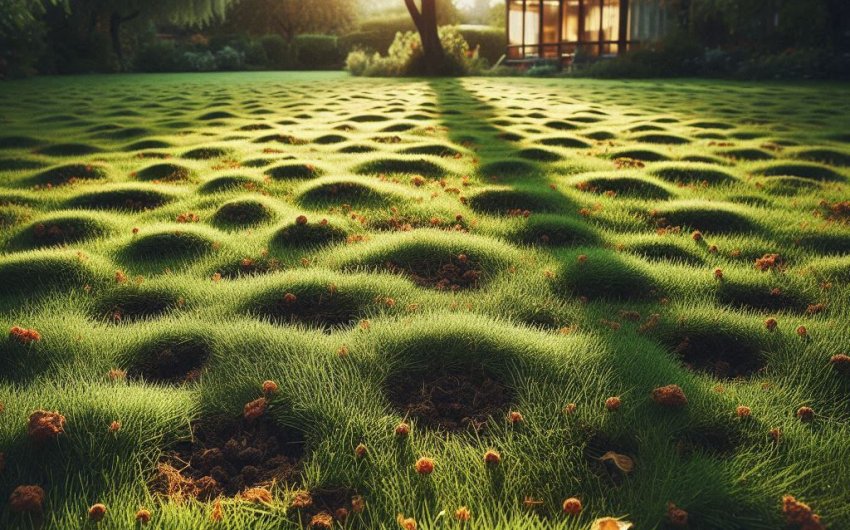
It can be disheartening to invest time and effort in lawn aeration, only to find your lawn looks patchy after aeration. While aeration is a beneficial practice that opens up the soil to allow air, water, and nutrients to reach grass roots, a temporary patchy appearance is a common, and often normal, side effect. This guide will explain why your lawn looks patchy after aeration, what factors might exacerbate this, and most importantly, what steps you can take to ensure your lawn recovers beautifully and becomes healthier and denser than before. Don't panic; with the right follow-up care, those patches are just a stepping stone to a lusher lawn.
Why Does My Lawn Look Patchy After Aeration?
Seeing your lawn look patchy after aeration can be alarming, but in most cases, it's a completely normal, temporary phase in the lawn improvement process. Aeration involves pulling small plugs of soil and grass out of your lawn, which naturally disrupts the uniform appearance. Understanding the common reasons behind this patchiness will help you manage your expectations and respond effectively.
1. Soil Plugs (Cores) Left on the Surface
- Explanation: The most common reason for a patchy or "messy" look immediately after core aeration is the presence of soil plugs, also known as "cores" or "spikes," scattered across your lawn. These are cylindrical pieces of soil and thatch that the aerator extracts.
- Appearance: These plugs can make the lawn look uneven, brown, and generally disturbed.
- What to Do: These plugs are beneficial! They contain microorganisms that help break down thatch when they decompose back into the lawn. It's best to leave them. They usually break down and disappear within 1-2 weeks after watering or mowing. You can speed up their disappearance by lightly raking them to break them apart or running your mower over them (without a bagger).
2. Temporary Disruption to Grass Blades
- Explanation: The aeration machine, especially a core aerator, is heavy and designed to punch holes into the ground. This process can inevitably bruise, bend, or slightly tear grass blades around the aeration holes.
- Appearance: Areas where the aerator made passes might temporarily look flattened, discolored, or stressed.
- What to Do: This is superficial damage. The grass usually recovers quickly with proper watering. It's like a bad haircut; it grows out.
3. Exposure of Thatch and Bare Soil
- Explanation: Aeration removes thatch and soil, creating openings that expose underlying thatch layers or even bare soil, particularly in areas where the grass was already thin or the thatch layer was thick.
- Appearance: These exposed areas can look brown, sparse, or like distinct "holes" of missing grass, contributing to the patchy look.
- What to Do: These open pockets are actually opportunities! They are ideal for overseeding, which is often done immediately after aeration. The newly exposed soil provides a perfect bed for grass seed to germinate and fill in those thin spots.
4. Uneven Application of Aeration
- Explanation: If the aeration machine wasn't operated evenly across the lawn, or if certain areas were missed or double-passed, the density of holes can be inconsistent.
- Appearance: Some areas might have too few holes (meaning less benefit), while others might be overly churned. This can create a truly uneven, patchy appearance that isn't just about the plugs.
- What to Do: While you can't undo uneven aeration, you can ensure more consistent coverage next time. For now, focus on proper post-aeration care for all areas, especially overseeding to encourage new growth in thinner spots.
5. Existing Issues Unmasked
- Explanation: Sometimes, aeration doesn't cause patchiness but rather reveals pre-existing problems that were masked by superficial grass. Thin spots, areas with poor soil, hidden diseases, or pest damage become more apparent once the lawn has been disturbed.
- Appearance: These patches might appear as distinct dead spots, areas of different colored grass, or sections that simply don't recover as well as others.
- What to Do: View this as an opportunity for diagnosis. Once the initial post-aeration recovery phase is over (1-2 weeks), if patches persist, investigate further for underlying issues like fungal diseases, insect pests, or nutrient deficiencies. A soil test is often recommended.
In most cases, the patchy appearance after aeration is a temporary and normal side effect of the process. With consistent watering and strategic overseeding, your lawn will soon recover and thrive, becoming much healthier and fuller than before.
Is Patchiness After Aeration Normal?
Yes, patchiness after aeration is normal, especially immediately following the process. It's a very common sight and usually a temporary phase. Many homeowners worry when they see their lawn look patchy after aeration, but it's important to understand why this occurs and that it's often a sign that the aeration process was successful.
The Expectation vs. Reality:
- Expectation: A perfect, uniform lawn.
- Reality: A lawn dotted with small, cylindrical soil plugs and numerous holes, which naturally create an uneven, "patchy" appearance. The grass around these holes may also be temporarily stressed or flattened.
Why It's "Normal":
- Physical Disruption: Aeration is an invasive process. It physically pulls out pieces of your turf. It's like having minor surgery; there's a recovery period.
- Visible Soil Plugs: As mentioned, these plugs are the most obvious reason for patchiness. They are meant to be there and will eventually break down.
- Grass Recovery: The grass plants themselves need a little time to recover from the physical shock of having holes punched through their root zones. They will bounce back.
- Optimal Timing for Growth: The normal patchiness after aeration sets the stage for new, healthy growth. The exposed soil and improved air circulation are perfect for new grass seed to take hold, effectively filling in those "patchy" areas with dense, robust turf.
When to Be Concerned:
While some patchiness is normal, there are instances where persistent or worsening patches might signal a problem:
- No Recovery After 2-3 Weeks: If the initial "messy" appearance doesn't start to green up and fill in within a few weeks, especially with proper watering and if you overseeded, then it's time to investigate further.
- Worsening Dead Patches: If existing thin or dead spots become significantly larger or new dead patches appear that weren't there before, this could indicate an underlying issue that was exacerbated, or simply revealed, by the aeration.
- Signs of Disease or Pests: If you see other symptoms like discolored grass (yellow, brown, red), wilting despite watering, or visible insects, then the patchiness might be a symptom of a larger problem, not just post-aeration stress.
In most healthy lawns, the patchiness after aeration is a fleeting inconvenience that quickly gives way to a greener, thicker turf. The key is to provide the right post-aeration care.
What is the Purpose of Aeration?
Understanding the purpose of aeration helps contextualize why your lawn looks patchy after aeration and appreciate the long-term benefits despite the temporary disruption. Aeration is a crucial lawn care practice designed to improve the health and vitality of your grass by addressing common soil problems.
The primary goal of aeration is to alleviate soil compaction and improve the flow of essential elements to the grass roots.
1. Relieving Soil Compaction:
- Problem: Over time, foot traffic, heavy lawn equipment, even rainfall, can compress soil particles. This soil compaction squeezes out the air pockets in the soil.
- Impact: Compacted soil makes it difficult for grass roots to grow deep and strong. It also restricts the movement of air, water, and nutrients. Water tends to pool on the surface or run off instead of penetrating.
- Solution: Aeration (specifically core aeration) physically removes small plugs of soil, creating channels that loosen the compacted soil, allowing it to "breathe" again.
2. Improving Air Circulation:
- Problem: Grass roots, like all living organisms, need oxygen to function properly and absorb nutrients. Compacted soil starves the roots of air.
- Impact: Lack of oxygen leads to weak, shallow root systems, making the grass susceptible to stress, disease, and drought.
- Solution: The holes created by aeration directly deliver oxygen to the root zone, promoting healthy root development.
3. Enhancing Water Penetration:
- Problem: On compacted or heavily thatched lawns, water often struggles to reach the root zone. It can run off, leading to wasted water and under-watered grass.
- Impact: Even if you water frequently, the grass isn't getting the moisture it needs, leading to shallow roots and a drought-stressed lawn.
- Solution: Aeration holes act as funnels, allowing water to deeply penetrate the soil, ensuring that moisture reaches where it's needed most for strong root growth.
4. Improving Nutrient Absorption:
- Problem: Fertilizers, pesticides, and other soil amendments can sit on the surface of compacted soil or get caught in thick thatch, unable to reach the roots.
- Impact: Your lawn isn't fully benefiting from the nutrients you apply, leading to wasted product and a hungry lawn.
- Solution: Aeration creates direct pathways for nutrients to move from the surface down into the root zone, making your fertilization efforts more effective.
5. Reducing Thatch Buildup:
- Problem: Thatch is a layer of dead and living organic matter (stems, roots) that accumulates between the soil surface and the green grass blades. A thin layer is healthy, but a thick layer (over 1/2 inch) can prevent air, water, and nutrients from reaching the soil.
- Impact: Thatch harbors pests and diseases, and can make the lawn spongy and susceptible to drought damage.
- Solution: Core aeration helps break up the thatch layer, bringing soil microorganisms to the surface with the plugs, which then help decompose the thatch naturally as the plugs break down.
In essence, aeration is a preventative and rehabilitative measure that lays the groundwork for a healthier, more resilient lawn. The temporary patchiness after aeration is a small price to pay for these significant long-term benefits.
When is the Best Time to Aerate Your Lawn?
Choosing the best time to aerate your lawn is crucial for its recovery and to maximize the benefits, especially if you're concerned about your lawn looking patchy after aeration. Aeration should ideally be done during your lawn's active growing season, when the grass can quickly heal and fill in the newly created holes.
The optimal timing depends on your grass type:
For Cool-Season Grasses (e.g., Fescue, Ryegrass, Kentucky Bluegrass):
- Best Time: Early Fall (Late August to Early October)
- Why: Fall is the ideal time for cool-season grasses because:
- Active Growth: The grass is actively growing but the intense heat of summer has passed, reducing stress.
- Weed Competition: Many aggressive weeds are dying back, reducing competition for new grass seed if you plan to overseed.
- Moderate Temperatures: Cooler air temperatures but still warm soil encourage root development and germination of new seed.
- Prepares for Winter: Allows the lawn to strengthen before winter dormancy.
- Why: Fall is the ideal time for cool-season grasses because:
- Secondary Best Time: Early Spring (March to May)
- Why: This is a second-best option if you missed the fall window.
- Active Growth: Grass is coming out of dormancy and beginning a period of active growth.
- Before Summer Heat: Provides a window for recovery before the stressful summer heat arrives.
- Caution: Aerating too late in spring can expose young grass to summer stress too soon, and it might interfere with crabgrass pre-emergent applications (as aeration breaks the pre-emergent barrier). If you aerate in spring, you might need to skip pre-emergent or use a different control method.
- Why: This is a second-best option if you missed the fall window.
For Warm-Season Grasses (e.g., Bermuda, Zoysia, St. Augustine, Centipede):
- Best Time: Late Spring to Early Summer (Late April to July)
- Why: This is when warm-season grasses are actively growing and temperatures are consistently warm.
- Strong Recovery: The heat encourages rapid growth, allowing the grass to quickly fill in the aeration holes.
- Optimal for Growth: This is when these grasses are putting down their strongest roots.
- Weed Control: Less risk of activating dormant cool-season weed seeds.
- Why: This is when warm-season grasses are actively growing and temperatures are consistently warm.
General Timing Considerations:
- Avoid Extreme Stress: Never aerate a lawn that is under significant stress, such as during a drought, extreme heat, or when it's dormant. This will only cause more damage and hinder recovery, potentially worsening any patchy appearance after aeration.
- Soil Moisture: The soil should be moist but not waterlogged.
- If the soil is too dry, the aerator tines won't penetrate deeply, or they might struggle to remove plugs.
- If the soil is too wet, it can become muddy, and the aeration process can actually compact the soil further, creating more problems. Water your lawn thoroughly a day or two before aerating if it's dry.
- Frequency: Most lawns benefit from aeration once a year, or every other year, especially if they experience heavy foot traffic or have compacted soil. Severely compacted lawns might benefit from aeration twice a year for a few seasons.
By timing your aeration correctly, you set your lawn up for optimal recovery, minimizing the temporary patchiness after aeration and maximizing the long-term health benefits.
What Steps Should I Take After Aerating a Patchy Lawn?
Seeing your lawn look patchy after aeration is normal, but the actions you take immediately afterward are crucial for its recovery and long-term health. These post-aeration steps will help those patches fill in quickly and lead to a denser, more vibrant lawn.
1. Leave the Soil Plugs (Cores) on the Lawn:
- Why: These plugs are not just unsightly; they are beneficial! They contain valuable soil, microorganisms, and thatch. As they break down, they return nutrients to the soil and help decompose the remaining thatch.
- What to Do:
- Allow to Dry: Let them dry out for a day or two.
- Break Them Up: You can speed up their disappearance by running your lawnmower over them (without the bagging attachment) or by lightly raking them to break them apart and spread the soil. They usually disappear naturally within 1-2 weeks after a good rain or watering.
2. Overseeding (Highly Recommended):
- Why: Aeration creates ideal conditions for overseeding. The newly exposed soil in the aeration holes provides perfect seed-to-soil contact, which is essential for germination. This is your best chance to fill in those patchy areas and improve overall lawn density.
- What to Do:
- Choose the Right Seed: Select a high-quality grass seed that matches your existing lawn type or choose varieties that are well-suited to your local climate and sun conditions (e.g., shade-tolerant mix for shady spots).
- Spread Evenly: Use a spreader to apply the grass seed evenly over the entire aerated area. Pay extra attention to any existing thin or patchy spots.
- Application Rate: Follow the "overseeding" rate recommended on the seed packaging, which is usually half the rate for starting a new lawn.
- Scotts Turf Builder Grass Seed
3. Fertilize (Optional but Beneficial):
- Why: After aeration and overseeding, your lawn is primed to receive nutrients. A starter fertilizer can give new grass seedlings the boost they need to grow strong, and a general lawn fertilizer can help existing grass recover and thicken.
- What to Do:
- Use a Starter Fertilizer: If you overseed, apply a "starter fertilizer" (high in phosphorus, the middle number in the NPK ratio, e.g., 10-20-10 or 12-18-8). This promotes root development in new seedlings.
- General Lawn Fertilizer: If you are not overseeding, you can apply your regular granular lawn fertilizer.
- Timing: Apply fertilizer immediately after aeration and overseeding.
- Jonathan Green New Seeding Lawn Fertilizer
4. Water, Water, Water (Crucial!):
- Why: Proper moisture is absolutely critical for the recovery of existing grass and the germination of new seeds. If you don't water consistently, the patches will get worse, and your overseeding efforts will fail.
- What to Do:
- Keep Soil Moist: For the first 2-3 weeks after overseeding, keep the top 1/2 to 1 inch of soil consistently moist. This means light, frequent waterings (2-3 times a day for 5-10 minutes each, depending on temperature and sun). The goal is to prevent the seeds from drying out.
- Avoid Overwatering: Don't saturate the soil to the point of puddling or runoff, as this can wash away seeds or lead to fungal issues.
- Gradual Reduction: Once new grass sprouts are established (around 3-4 weeks), you can gradually transition to deeper, less frequent watering (e.g., daily for 15-20 minutes, then every other day, then 2-3 times a week).
5. Be Patient and Minimize Traffic:
- Why: Your lawn needs time to recover and for new seeds to establish.
- What to Do:
- Limit Foot Traffic: Avoid walking on the newly aerated and seeded areas as much as possible for the first 2-3 weeks.
- Delay Mowing: Wait until the new grass seedlings are at least 2-3 inches tall before their first mowing (usually 3-4 weeks). When you do mow, set your mower to its highest setting.
- Patience: Trust the process. The patchiness after aeration is temporary. With proper care, your lawn will soon thicken up.
By diligently following these steps, you'll ensure that the temporary patchiness after aeration transforms into a robust, healthy, and beautiful lawn that thrives for seasons to come.
How Does Overseeding Help After Aeration?
Overseeding immediately after aeration is a powerful combination that directly addresses the concern of a lawn looking patchy after aeration and significantly enhances overall lawn health and density. It's often considered the most important follow-up step.
Here's how overseeding helps:
Direct Seed-to-Soil Contact:
- Aeration Benefit: The aeration holes create numerous small pockets of exposed soil.
- Overseeding Advantage: When grass seed is applied, a significant portion falls directly into these holes, providing excellent seed-to-soil contact. This is crucial because grass seed needs to be in direct contact with soil to absorb moisture and nutrients for germination. Simply scattering seed on top of thick existing grass or thatch often leads to poor germination rates.
Improved Germination Environment:
- Air and Water: The newly aerated soil is loose and contains more air, and water can penetrate deeply. This creates an optimal environment for grass seeds to germinate and for new roots to establish quickly. The soil plugs, as they break down, also help to cover some of the seeds, keeping them moist.
- Nutrient Access: Any starter fertilizer applied after aeration can easily reach the new seeds and their developing roots through the aeration channels.
Filling in Thin Spots and Patchiness:
- Direct Solution: The most obvious benefit for a lawn that looks patchy after aeration is that overseeding directly addresses these areas. New grass seedlings will sprout in and around the aeration holes and in any existing thin spots, gradually filling them in and leading to a denser, more uniform lawn.
- Improved Density: Even in areas that aren't noticeably patchy, overseeding increases the overall blade count per square foot, making the lawn thicker and more resilient.
Introducing New, Improved Grass Varieties:
- Enhancing Resilience: Overseeding allows you to introduce new grass varieties that may be more drought-tolerant, disease-resistant, or better suited to your specific sun conditions (e.g., a mix with more shade-tolerant fescues for shady areas). This improves the overall genetic diversity and health of your lawn.
- Replacing Aging Grass: Over time, individual grass plants age and die. Overseeding regularly replenishes the lawn with vigorous new growth, preventing a gradual decline in density.
Outcompeting Weeds:
- Less Space for Weeds: A dense, healthy lawn is the best defense against weeds. When new grass fills in thin spots and creates a thick canopy, there's less bare soil for weed seeds to germinate and fewer resources (light, water, nutrients) for them to compete for.
- Aeration Timing: When aeration is timed correctly (e.g., fall for cool-season grasses), it coincides with a period when many common weeds are less active or dying back, giving the new grass a head start.
In essence, aeration opens the door, and overseeding steps through it, taking full advantage of the improved soil conditions to create a stronger, thicker, and more beautiful lawn. It's the ultimate strategy to turn that temporary patchiness after aeration into a lush, uniform turf.
Can Fertilizing Make Patchiness Worse?
Fertilizing generally does not make patchiness after aeration worse; in fact, it's often a recommended step to promote recovery and growth. However, applying the wrong type of fertilizer, or applying it incorrectly, can definitely lead to problems that might appear as or exacerbate patchiness.
How Fertilizing Helps (When Done Correctly):
- Nutrient Boost: After aeration, grass roots have better access to the soil, making them primed to absorb nutrients. Fertilizer provides the essential food (nitrogen for top growth, phosphorus for roots, potassium for overall health) that helps existing grass recover quickly from the stress of aeration and encourages new seedlings to grow vigorously if you've overseeded.
- Faster Recovery: Adequate nutrition promotes faster green-up and thickening, which helps to fill in those aeration holes and reduce the patchy appearance.
- Support for New Seed: If you're overseeding, a starter fertilizer (high in phosphorus) is critical for strong root development of new grass seedlings.
How Fertilizing Can Make Patchiness Appear Worse (Incorrect Application):
Too Much Nitrogen:
- Problem: Applying excessive nitrogen, especially to existing stressed grass, can cause "fertilizer burn." Nitrogen draws water out of plant cells, leading to dehydration and browning.
- Appearance: This will show up as yellow or brown stripes, patches, or overall discoloration where the fertilizer was applied too heavily or unevenly. This could definitely make your lawn look patchy after aeration.
- Solution: Always follow the recommended application rates on the fertilizer bag. Use a spreader for even distribution. Avoid applying granular fertilizer to wet grass (unless specifically instructed to do so), as granules can stick and cause concentrated burns.
Using Weed-and-Feed Products:
- Problem: Many "weed-and-feed" products contain herbicides that are designed to kill germinating weed seeds. While this is great for established lawns, these herbicides can also kill newly sprouted grass seeds if you've just overseeded.
- Appearance: You'll see patches where new grass fails to germinate, or where young seedlings sprout but then quickly die, leaving bare spots.
- Solution: Never use a weed-and-feed product when overseeding or immediately after aeration if you plan to overseed. Stick to pure lawn fertilizer or starter fertilizer. Wait at least 6-8 weeks (or longer, check herbicide label) after overseeding before applying any weed killer.
Uneven Application:
- Problem: If granular fertilizer is applied unevenly (e.g., too much in one spot, not enough in another, or overlapping passes), you'll end up with uneven growth and color variations.
- Appearance: Streaks of darker green next to lighter green or yellowish patches.
- Solution: Use a walk-behind or hand-held spreader for even distribution. Calibrate your spreader according to the fertilizer bag's instructions.
Applying to Dormant or Stressed Lawn:
- Problem: Fertilizing a dormant lawn (e.g., warm-season grass in winter, cool-season grass in summer drought) can stress it out or lead to wasted product, as the grass isn't actively absorbing nutrients.
- Appearance: Can lead to browning or simply no improvement in existing patches.
- Solution: Always fertilize during the grass's active growing season, which is also the best time to aerate.
In summary, proper fertilization is beneficial and helps to reduce patchiness after aeration. The key is to use the correct type of fertilizer (especially avoiding "weed-and-feed" when seeding), apply it at the right rate, and ensure even distribution.
How Long Does It Take for a Lawn to Recover from Aeration?
The time it takes for a lawn to recover from aeration and for the patchiness after aeration to disappear largely depends on several factors, but generally, you should see significant improvement within a few weeks to a couple of months.
Here's a breakdown of the recovery timeline:
Immediate Post-Aeration (First Few Days to 1 Week):
- Most Patchy: This is when your lawn will look the most patchy due to the visible soil plugs (cores) and the immediate disturbance to the turf. The lawn will likely look messy, uneven, and somewhat brown or stressed.
- Soil Plugs Disappear: The soil plugs will begin to dry out, break down, and disappear back into the lawn. This process is sped up by watering, rain, and mowing.
Short-Term Recovery (1-3 Weeks):
- Plugs Gone: By the end of this period, most of the soil plugs should have largely disintegrated, and the initial messiness will subside.
- Grass Recovery: The existing grass blades that were bruised or flattened will start to stand back up and green up as they recover from the physical stress.
- Seed Germination (if overseeded): If you overseeded, you should start to see tiny new grass sprouts emerging from the aeration holes and other bare spots. This is a very exciting sign!
Mid-Term Recovery (3-6 Weeks):
- New Growth Filling In: If you overseeded, the new grass seedlings will continue to grow and thicken. They will start to fill in the aeration holes and any thin or patchy areas.
- Overall Density Increase: The existing grass, benefiting from the improved access to air, water, and nutrients, will also start to grow more vigorously, contributing to a denser look.
- Reduced Patchiness: The patchiness after aeration will be significantly reduced, and the lawn will start to look more uniform and lush.
Long-Term Benefits (2-3 Months and Beyond):
- Established New Grass: The new grass from overseeding will be well-established and integrated into the existing turf.
- Deeper Roots: The primary benefit of aeration – deeper, stronger root growth for existing grass – will become more apparent. Your lawn will be more resilient to drought and stress.
- Overall Health Improvement: You should notice a significantly healthier, thicker, and more vibrant lawn. The initial temporary patchiness will be a distant memory, replaced by a much-improved turf.
Factors Influencing Recovery Time:
- Grass Type: Warm-season grasses generally recover faster in the heat of summer, while cool-season grasses thrive in fall and spring.
- Weather Conditions: Ideal temperatures and consistent, moderate moisture are key for quick recovery. Extreme heat, drought, or excessive rain can delay it.
- Post-Aeration Care: Diligent watering and timely overseeding (if done) are the biggest factors in how quickly and completely your lawn recovers. Neglecting these steps will prolong the patchy appearance and reduce the overall benefits.
- Lawn Health Before Aeration: A healthier lawn going into aeration will generally recover faster than a severely stressed or unhealthy one.
- Soil Conditions: Heavily compacted or poor soil might take longer to show full benefits, even after aeration.
In summary, while the sight of a patchy lawn after aeration can be concerning, it's a temporary phase. With proper care and a little patience, your lawn should make a full and impressive recovery, becoming denser, greener, and more resilient within a matter of weeks.
How Can I Prevent My Lawn from Becoming Patchy After Aeration?
While some degree of patchiness after aeration is normal and unavoidable due to the physical process, there are several steps you can take to minimize the patchy appearance and ensure your lawn recovers quickly and beautifully. These preventative measures are largely about preparing your lawn and providing optimal post-aeration care.
Pre-Aeration Preparation:
Mow Your Lawn to a Normal Height:
- Mow your lawn to its regular height (not too short) a few days before aeration. This helps the aerator tines penetrate the soil more effectively and makes it easier to overseed afterwards.
Mark Sprinkler Heads and Underground Wires:
- Before you start, clearly mark any sprinkler heads, shallow utility lines, or buried pet fences. The aerator can cause significant damage to these, leading to expensive repairs and additional patches where repairs are made.
Water the Lawn 1-2 Days Before:
- The soil should be moist, not saturated or bone dry. Water your lawn thoroughly a day or two before aeration.
- Why: Moist soil allows the aerator tines to penetrate more deeply and pull out clean, full plugs. Dry, hard soil will cause the tines to bounce off, leading to shallow, ineffective holes and potentially more surface tearing. Overly wet soil can lead to mud and further compaction.
During Aeration Best Practices:
Use a Core Aerator:
- Why: Core aerators (which pull out plugs of soil) are generally more effective than spike aerators (which just poke holes). Spike aerators can actually contribute to compaction rather than relieving it. Core aeration leaves behind the beneficial soil plugs that break down.
- Sun Joe Electric Core Aerator
Make Even Passes:
- Try to make even, overlapping passes with the aerator to ensure uniform coverage. Avoid going over the same spot too many times (more than 2-3 passes) as this can over-churn the soil.
- Why: Uneven aeration can create patches of poorly aerated soil next to over-aerated spots, leading to inconsistent recovery.
Post-Aeration Care (Crucial for Minimizing Patchiness):
Always Overseed Immediately After Aeration:
- Why: This is the absolute best way to fill in the aeration holes and any existing thin spots. The holes provide excellent seed-to-soil contact. This proactive step directly prevents persistent patchiness.
- Timing: Do this within 24-48 hours of aerating.
Apply Starter Fertilizer with Overseeding:
- Why: A starter fertilizer (high in phosphorus) provides the essential nutrients for new grass seedlings to develop strong roots and grow vigorously, helping them fill in faster.
- Important: Avoid "weed-and-feed" products, as their herbicides will kill new grass seedlings.
Water Consistently and Correctly:
- Why: This is perhaps the most critical factor. New grass seedlings need constant moisture to germinate and establish. Existing grass also needs water to recover from the stress.
- Method: For the first 2-3 weeks, provide light, frequent waterings (2-3 times a day for short durations) to keep the top inch of soil consistently moist. Avoid letting the newly seeded areas dry out.
- Transition: Gradually shift to deeper, less frequent watering as the new grass matures.
Leave the Soil Plugs:
- Why: As previously mentioned, these plugs are beneficial. They break down and help incorporate organic matter and microorganisms back into the soil, which benefits the entire lawn. Forcing their removal can disturb new seed.
Minimize Traffic:
- Why: New seedlings are fragile, and heavy foot traffic can dislodge them or compact the newly aerated soil.
- Duration: Try to stay off the lawn for 2-3 weeks after overseeding.
Delay Mowing:
- Why: Mowing too soon can damage fragile new seedlings and pull them out.
- Rule: Wait until the new grass is at least 2-3 inches tall (usually 3-4 weeks post-seeding). Set your mower to its highest blade setting for the first few mows.
By implementing these preventative measures and diligently following proper post-aeration care, you can significantly reduce the severity and duration of any patchiness after aeration, ensuring your lawn quickly bounces back thicker, healthier, and more uniform than ever before.