
How to Treat Fusarium Patch on Your Lawn?
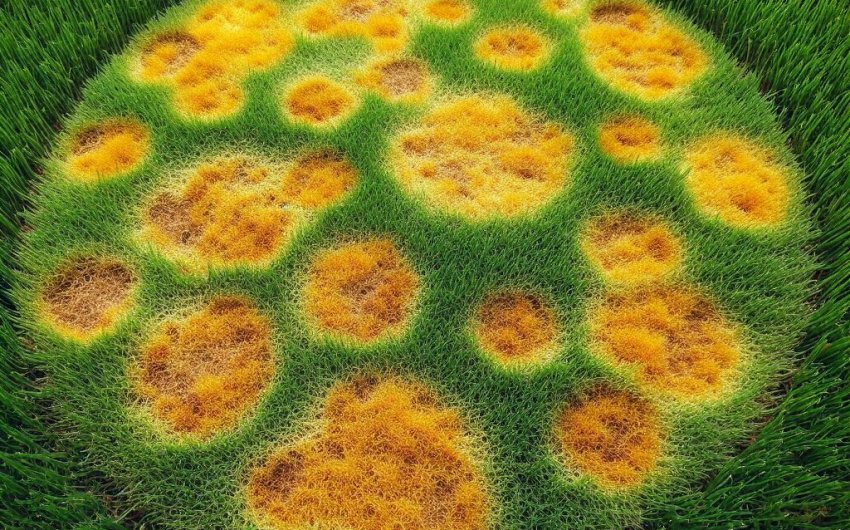
Discovering unsightly patches on your lawn, especially during cooler, wetter months, can be disheartening for any homeowner. One common culprit is Fusarium Patch, a fungal disease that can quickly spread and mar the beauty of your grass. Understanding how to treat Fusarium Patch on your lawn effectively involves a combination of cultural practices and, in some cases, targeted fungicide application to restore your turf to its lush, green glory. This comprehensive guide will arm you with the knowledge to identify, manage, and prevent this pervasive lawn issue.
What is Fusarium Patch and How Do You Identify It?
Fusarium Patch, also known as pink snow mold, is a widespread fungal disease that affects various turfgrass species, particularly in cool, wet conditions. Recognizing its distinct symptoms early is crucial for effective treatment.
What Does Fusarium Patch Look Like?
The appearance of Fusarium Patch can vary slightly depending on the grass type and environmental conditions, but there are characteristic signs to look for.
- Small, Circular Patches: The disease typically begins as small, circular, water-soaked patches on the lawn, usually 2 to 10 inches in diameter.
- Orange-Brown to Yellow-Brown Color: As the disease progresses, the grass within these patches turns from a healthy green to an orange-brown or yellow-brown, eventually fading to a straw color as the grass dies.
- Dark Brown Border (Sometimes): In some cases, especially in cool, humid conditions, the outer edge of the patch may appear darker brown, creating a distinct ring.
- Pinkish-White Fungal Growth: During periods of high humidity or snow cover, you might observe a delicate, cottony, pinkish-white fungal growth (mycelium) visible on the outer edge of the patches, particularly in the early morning before dew dries. This is more common with pink snow mold symptoms.
- Matted Appearance: The affected grass often appears matted or greasy.
What Grass Types are Susceptible to Fusarium Patch?
While Fusarium Patch can affect most cool-season turfgrasses, some are more vulnerable than others.
- Highly Susceptible:
- Annual Bluegrass (Poa annua)
- Creeping Bentgrass
- Perennial Ryegrass
- Moderately Susceptible:
- Kentucky Bluegrass
- Fine Fescues (Red Fescue, Chewings Fescue)
- Tall Fescue
Warm-season grasses are generally not affected by this specific disease.
What Conditions Favor Fusarium Patch Development?
Fusarium Patch thrives under specific environmental conditions, which are important to understand for both treatment and prevention.
- Cool Temperatures: The disease is most active when air temperatures are between 32°F and 60°F (0°C to 15°C). This is why it's often seen in late fall, winter, or early spring.
- Prolonged Moisture: Long periods of leaf wetness are critical for the fungus to develop and spread. This includes:
- Excessive rainfall
- Heavy dew
- Snow cover (especially persistent, deep snow)
- Poor drainage
- Over-irrigation
- High Humidity: A humid environment keeps the grass blades moist, providing an ideal breeding ground for the fungus.
- Alkaline Soil pH: Lawns with a soil pH above 7.0 (alkaline) tend to be more susceptible.
- Poor Air Circulation: Dense tree cover or shrubs that restrict airflow can trap moisture and increase disease risk.
- Excessive Nitrogen Fertility: Applying too much nitrogen fertilizer in the fall can promote lush, tender growth that is more vulnerable to infection.
- Thatch Buildup: A thick layer of thatch (undecomposed organic matter between the grass blades and the soil surface) can hold moisture and provide a food source for the fungus.
How Can You Treat Fusarium Patch Effectively?
Treating Fusarium Patch involves a two-pronged approach: cultural practices that modify the environment to be less favorable for the fungus, and sometimes, the strategic use of fungicides.
What Cultural Practices Help Manage Fusarium Patch?
These are the foundational steps for managing and preventing Fusarium Patch by improving overall lawn health and reducing the conditions the fungus loves.
- Improve Drainage:
- Aeration: Core aeration helps relieve compacted soil and improves water penetration, reducing surface moisture. Use a core aerator in late summer or early fall.
- Topdressing: Applying a thin layer of sand or compost after aeration can further improve drainage and soil structure.
- Address Compaction: Avoid excessive foot traffic on wet turf.
- Optimize Watering Practices:
- Water Deeply, Infrequently: Instead of light, frequent watering, water deeply to encourage deep root growth.
- Water in the Morning: Water early in the day (before 10 AM) so the grass blades have ample time to dry completely before nightfall. Avoid evening watering, which leaves the turf wet overnight.
- Manage Thatch:
- Dethatching: If your thatch layer is more than 0.5 inches thick, it's holding too much moisture. Dethatch your lawn in late summer or early fall using a dethatcher.
- Regular Mowing: Proper mowing helps prevent thatch buildup.
- Correct Mowing Habits:
- Mow at Proper Height: Mow at the higher end of the recommended range for your grass type. Taller grass can shade the soil slightly, reducing surface evaporation, but also can provide more surface for the fungus. The key is consistent, not excessively short, mowing.
- Avoid Mowing Wet Grass: Mowing wet grass can spread fungal spores and lead to a matted appearance.
- Clean Mower Blades: Regularly clean your mower blades, especially after mowing infected areas, to prevent spreading the disease.
- Balance Fertilization:
- Avoid Excessive Fall Nitrogen: Do not apply high nitrogen fertilizers in late fall, as this encourages lush growth that is highly susceptible.
- Slow-Release Fertilizers: Use slow-release nitrogen fertilizers throughout the growing season.
- Consider Potassium: A balanced fertilizer with adequate potassium can improve turf hardiness.
- Improve Air Circulation and Sunlight:
- Prune Trees and Shrubs: Trim back overhanging tree branches or dense shrubs that shade the lawn and restrict air movement. This increases sunlight and promotes faster drying of the grass.
- Remove Dew:
- Morning Dragging: In areas prone to heavy dew, lightly dragging a hose or a broom across the lawn in the early morning can knock off dew and help the grass dry faster.
When are Fungicides Necessary for Fusarium Patch?
Fungicides are typically reserved for severe outbreaks or for preventative measures on highly susceptible lawns, especially in areas with a history of recurrent disease.
- Curative vs. Preventative:
- Curative Treatment: Applied once symptoms are visible. Less effective than preventative applications, but can help stop spread.
- Preventative Treatment: Applied before symptoms appear, typically in late fall or early winter, when conditions are favorable for disease development. This is the most effective use of fungicides.
- Types of Fungicides: Look for fungicides labeled specifically for Fusarium Patch or pink snow mold. Common active ingredients include:
- Propiconazole
- Azoxystrobin
- Flutolanil
- Thiophanate-methyl
- Application:
- Read the Label: Always, always read and follow the instructions on the fungicide product label precisely. This includes application rates, timing, safety precautions, and re-entry intervals.
- Equipment: Use a sprayer designed for even lawn application.
- Timing: For preventative applications, apply in late fall (October/November) before temperatures consistently drop and before significant snow cover. For curative applications, apply at the first sign of disease.
- Rotation: To prevent the fungus from developing resistance, rotate between fungicides with different active ingredients or modes of action if multiple applications are needed within a season or over consecutive years.
Example Fungicide Products: (Always verify label for specific use on Fusarium Patch)
- Heritage G Fungicide (often contains Azoxystrobin)
- Headway G Fungicide (a combination of Azoxystrobin and Propiconazole)
- Andersons Fungicide VIII (often contains Thiophanate-methyl)
Should You Dethatch or Aerate a Lawn with Active Fusarium Patch?
Generally, avoid aggressive dethatching or aeration when Fusarium Patch is active and spreading. These actions can stress the grass and potentially spread fungal spores to uninfected areas. Focus on cultural practices that don't disturb the turf, like improving air circulation or adjusting watering, until the disease is under control or conditions are no longer favorable for its spread. Dethatching and aeration are best done as preventative measures during periods of healthy grass growth (late summer/early fall).
How Can You Prevent Fusarium Patch Recurrence?
Prevention is always better than cure. By consistently implementing good lawn care practices, you can significantly reduce the likelihood of Fusarium Patch returning.
What Long-Term Cultural Practices Reduce Risk?
Maintaining a healthy, resilient lawn is your best defense against most diseases, including Fusarium Patch.
- Year-Round Soil Health: Regularly test your soil pH (aim for slightly acidic to neutral, 6.0-7.0 for most turfgrasses; Fusarium Patch prefers slightly alkaline). Amend as needed with lime to raise pH or elemental sulfur to lower pH, based on test results. Using a soil test kit regularly is a good idea.
- Proper Mowing Height: Stick to the recommended mowing height for your grass type throughout the season. Mowing too short stresses the grass.
- Sharp Mower Blades: Dull blades tear grass, leaving ragged edges that are more susceptible to disease. Sharpen your mower blades regularly.
- Optimal Nutrition: Follow a balanced fertilization program that provides the right nutrients at the right time. Avoid excessive nitrogen in late season. Consider slow-release granular fertilizers or organic options for steady feeding.
- Seasonal Aeration and Dethatching: Perform these tasks annually or biennially during periods of active grass growth (typically late summer/early fall for cool-season grasses) to maintain good soil structure and reduce thatch.
- Disease-Resistant Cultivars: When overseeding or establishing a new lawn, choose turfgrass varieties that exhibit some resistance to Fusarium Patch or other common lawn diseases in your area. Check with your local university extension office for recommended cultivars.
- Diversify Grass Types: If possible, planting a mix of different grass types (e.g., a blend of Kentucky bluegrass and fescues) can increase overall lawn resilience, as different species have varying susceptibility to diseases.
When Should You Consider Preventative Fungicide Applications?
For lawns that have a history of severe Fusarium Patch outbreaks, especially those in areas with extended cool, wet, or snowy periods, preventative fungicide applications can be a valuable tool.
- Timing: The most critical time for preventative application is in late fall or early winter, just before conditions become consistently cool and wet, or before the first anticipated snow cover.
- Product Selection: Choose a systemic fungicide labeled for Fusarium Patch that provides long-lasting protection. Read the label carefully for precise application windows and rates.
- Follow-Up Applications: Some products may recommend a second application later in winter or early spring if disease pressure remains high. Always adhere to label recommendations for re-application intervals and maximum annual use rates.
- Integrated Approach: Remember, fungicides are only one part of the solution. They work best when combined with excellent cultural practices that create an environment unfavorable for the fungus. Relying solely on fungicides without addressing underlying cultural issues is often ineffective and can lead to fungicide resistance.
By diligently applying these integrated pest management strategies, focusing on optimal cultural practices, and selectively using preventative fungicides when necessary, you can effectively treat Fusarium Patch on your lawn and ensure your turf remains healthy and vibrant throughout the seasons.