
The Step-by-Step Guide to Fixing Waterlogged Lawns
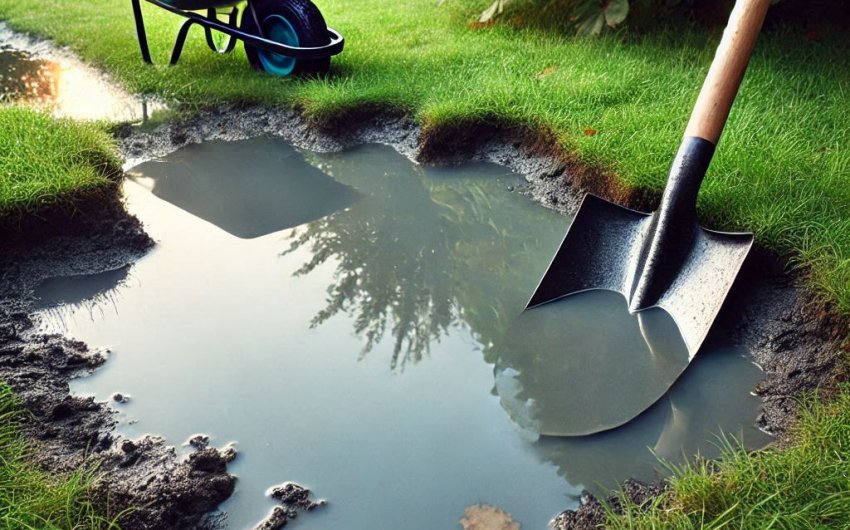
A lush, green lawn is a homeowner's pride, but nothing can dampen that pride faster than seeing standing water and soggy patches after a rainfall. Learning how to fix waterlogged lawns is crucial for maintaining turf health and preventing widespread damage. Excess moisture suffocates grass roots, encourages disease, and invites pests, turning a beautiful expanse into a muddy, unhealthy mess. This comprehensive, step-by-step guide will help you diagnose the causes of poor drainage and implement effective solutions to restore your lawn to its vibrant, healthy best.
Why do lawns become waterlogged?
Understanding the underlying reasons for poor drainage is the first step in fixing a waterlogged lawn. It's rarely just about too much rain; often, a combination of factors contributes to the problem.
What are the common causes of waterlogging?
- Compacted Soil: This is one of the most frequent culprits. Over time, foot traffic, heavy equipment, or even intense rain can compact the soil particles, squeezing out the air pockets essential for water to percolate through. When soil is compacted, water sits on the surface because it can't drain downwards.
- Heavy Clay Soil: Clay particles are very small and tightly packed, meaning clay soil naturally has poor drainage. While some clay content is normal, a high percentage makes it difficult for water to move through.
- Poor Grading or Sloping: If your lawn slopes towards your house or has depressions and low spots, water will naturally accumulate in those areas. Improper grading prevents water from flowing away from the lawn.
- Underlying Hardpan: A layer of highly compacted or impermeable soil (often natural clay or disturbed subsoil) below the topsoil can act as a barrier, preventing water from draining deeper.
- Thatch Buildup: A thick layer of dead grass, roots, and debris (thatch) between the green grass blades and the soil surface can become so dense that it acts like a sponge, holding water on the surface and preventing it from reaching the soil, or, conversely, acting as a barrier for water trying to drain into the soil.
- Excessive Watering: While seemingly counterintuitive, overwatering (especially with sprinklers that run too long or too frequently) can saturate the soil beyond its capacity to drain, leading to waterlogging.
- Blocked Drains/Pipes: If you have existing drainage systems (like downspout extensions or French drains) in the area, they might be clogged or damaged, preventing proper water removal.
- High Water Table: In some areas, the natural water table is close to the surface, especially after heavy rainfall, leading to constantly saturated soil. This is a more challenging problem to solve.
Identifying the specific cause in your yard is key to implementing the most effective solution for lawn drainage issues.
How do you diagnose a waterlogged lawn?
Before you start digging, take some time to observe your lawn and pinpoint the exact source of the problem. This diagnosis will guide your approach to fixing your waterlogged yard.
What are the diagnostic steps?
- Observe Standing Water: Note exactly where water pools after rain or irrigation. Are they consistent low spots? Is the water spread across the entire lawn?
- Perform a Perk Test (Percolation Test):
- Dig a hole about 1 foot deep and 1 foot wide in an affected area.
- Fill the hole with water and time how long it takes for the water to drain.
- If it drains quickly (within a few hours), the problem might be surface compaction or thatch.
- If it drains very slowly (over 24 hours) or not at all, you likely have heavy clay soil, a hardpan, or a very high water table.
- Check Soil Compaction: Use a soil probe or a screwdriver. Try to push it into the soil. If it's difficult to penetrate more than a few inches, your soil is likely compacted.
- Examine Thatch Layer: Part the grass blades and look at the area between the green blades and the soil. If there's more than half an inch of brown, spongy material, you have a thatch problem.
- Assess Grading: Walk your lawn and identify any noticeable dips, swales, or areas where the ground slopes towards unwanted locations (like your house foundation).
- Inspect Existing Drains: If you have downspout extensions or in-ground drains, check them for blockages (leaves, debris, roots).
What are the immediate solutions for mild waterlogging?
For less severe cases of waterlogging, or as a first line of defense, several simpler methods can significantly improve drainage and prevent extensive damage. These focus on improving the soil's ability to absorb water.
What are quick fixes for lawn drainage?
- Aeration: This is one of the most effective and fundamental solutions for compacted soil. It involves creating small holes in the lawn to allow air, water, and nutrients to penetrate deeper.
- Core Aeration: Use a core aerator (rental or professional service) that pulls out small plugs of soil. This is the most effective type of aeration.
- Spike Aeration: Using spike aerator shoes or a rolling spike aerator creates holes but doesn't remove soil, so it's less effective for severe compaction.
- When to Aerate: Best done in spring or early fall when the grass is actively growing.
- Dethatching: If you have a significant thatch layer, removing it will allow water to reach the soil and drain more effectively.
- Use a dethatching rake for small areas, or rent a power dethatcher for larger lawns.
- When to Dethatch: Best done when the grass is actively growing and can recover quickly, similar to aeration times.
- Top Dressing with Organic Matter: After aeration, applying a thin layer (0.25-0.5 inches) of compost or sand/compost mix can further improve soil structure. The organic matter works its way into the aeration holes, enhancing drainage over time.
- Reduce Overwatering: If automated sprinklers are running too long or too often, adjust their schedule. Ensure sprinklers are not hitting impervious surfaces. Consider a smart irrigation controller.
- Address Downspouts: Extend downspouts at least 3-5 feet away from your house foundation and lawn area to direct rainwater to a more suitable drainage point, such as a garden bed or street drain. A downspout extension kit can be very helpful.
These methods are often sufficient for mild to moderate lawn drainage problems.
What are the more advanced solutions for severe waterlogging?
When basic aeration and dethatching aren't enough, you might need to implement more significant landscaping changes to remedy waterlogged lawn areas. These solutions address grading issues or underlying soil impermeability.
What landscaping solutions can help?
- Regrading: If your lawn has significant low spots or improper slopes, professional regrading might be necessary. This involves moving soil to create a uniform slope that directs water away from problematic areas. This is a major undertaking that usually requires heavy equipment.
- Before You Dig: Always call 811 (or your local equivalent) before any significant digging to locate underground utilities.
- French Drains: A French drain is a trench filled with gravel and a perforated pipe that redirects surface water and groundwater away from a problematic area. This is an excellent solution for persistently soggy spots or areas where water collects against a house foundation.
- Installation Steps:
- Dig a Trench: Create a trench at least 6-8 inches wide and 18-24 inches deep, with a slight slope (about 1 inch of drop for every 10 feet of length) towards a suitable drainage point (e.g., storm drain, dry well, or lower part of the property).
- Line with Fabric: Line the trench with landscape fabric to prevent soil from clogging the gravel and pipe.
- Add Gravel Layer: Put a 2-3 inch layer of clean, coarse drainage gravel at the bottom.
- Lay Perforated Pipe: Place a perforated drain pipe (with holes) on top of the gravel.
- Cover with Gravel: Fill the trench with more gravel, covering the pipe completely.
- Wrap with Fabric: Fold the landscape fabric over the top of the gravel.
- Top with Soil/Sod: Cover with a thin layer of topsoil and then sod or seed to match your lawn.
- Installation Steps:
- Dry Wells: A dry well is an underground chamber designed to collect and slowly disperse excess rainwater into the surrounding soil. It's often used in conjunction with a French drain or downspout extensions where there's no suitable daylight outlet for water. A dry well kit can be purchased.
- Catch Basins/Surface Drains: For areas where surface water frequently pools, a catch basin can be installed at the lowest point. It collects water through a grate and directs it into a buried drain pipe that carries it away.
- Berms and Swales:
- Berm: A raised mound of soil designed to redirect water flow.
- Swale: A shallow, wide ditch (often vegetated) that guides water away slowly. These can be integrated beautifully into a landscape design.
- Rain Garden: A rain garden is a specially designed depression planted with native, water-loving plants. It's intended to temporarily hold and absorb stormwater runoff, allowing it to slowly filter into the ground rather than running off into storm drains. This is an ecological and aesthetic solution for managing excess lawn water.
These solutions often require significant effort and potentially professional help, but they provide long-term relief for persistent waterlogged lawn issues.
How do you improve soil structure for better long-term drainage?
Beyond immediate fixes, long-term soil health is paramount to prevent recurring waterlogging in your lawn. Improving soil structure allows water to infiltrate and drain more efficiently.
What are methods for improving soil structure?
- Regular Aeration: Continue to aerate your lawn annually or bi-annually, especially if you have heavy clay or high traffic.
- Consistent Top Dressing: After aeration, regularly top-dress with compost. The organic matter slowly works its way into the soil, loosening compacted areas, improving aggregation, and enhancing drainage.
- Organic Matter Application: Beyond top dressing, consider applications of other organic materials like well-rotted manure (if available and safe for lawns) or fine wood chips, which will break down over time.
- Avoid Compaction:
- Limit Foot Traffic: Try to reduce heavy foot traffic, especially when the soil is wet.
- Avoid Heavy Machinery: Don't drive vehicles or heavy equipment on your lawn.
- Aerate High-Traffic Zones: Focus aeration efforts on pathways or play areas that receive more compaction.
- Gypsum (for Sodicity, not general clay): While often suggested for clay soil, gypsum is primarily effective for breaking up clay if the clay soil has a high sodium content (sodic soil). It does not significantly improve drainage in non-sodic clay soils. It's best to perform a soil test to determine if your clay is sodic before applying gypsum.
- Biochar: A long-lasting form of charcoal, biochar can significantly improve soil structure, water retention (in sandy soils), and drainage (in clay soils) over time. It's applied once and offers benefits for decades.
What grass types are more tolerant of wet conditions?
If your lawn area is naturally prone to occasional wetness despite your best efforts, choosing a more tolerant grass variety can help prevent widespread issues. While no grass thrives in prolonged standing water, some tolerate it better than others.
What grasses are more wet-tolerant?
- Tall Fescue (Festuca arundinacea): This cool-season grass is known for its deep root system and moderate tolerance to both drought and occasional wet feet. It performs well in a wide range of soils.
- Perennial Ryegrass (Lolium perenne): Another cool-season grass that can handle some moisture, but it's not ideal for truly waterlogged conditions. It's often used in mixes.
- Certain types of Fine Fescue: While some fine fescues prefer drier conditions, others like Creeping Red Fescue can tolerate moderately moist soils.
- Bentgrass (Agrostis spp.): Often seen on golf courses, bentgrass has a high tolerance for moisture, but it also requires intensive maintenance.
- Zoysiagrass (Zoysia japonica): A warm-season grass that, once established, has good drought tolerance, but some varieties can also handle periods of moderate wetness.
- St. Augustinegrass (Stenotaphrum secundatum): A popular warm-season grass, St. Augustinegrass can tolerate humid and moderately wet conditions, though good drainage is still preferred.
For persistently boggy areas where grass truly struggles, consider replacing turf with a dedicated rain garden, a small pond feature, or a path of stepping stones and water-loving plants.
By systematically diagnosing the problem and applying the appropriate solutions, you can effectively address and prevent waterlogged lawns, ensuring your turf remains a vibrant, healthy part of your outdoor space.