
How to Manage Alkaline Soil in Lawns and Lower pH?
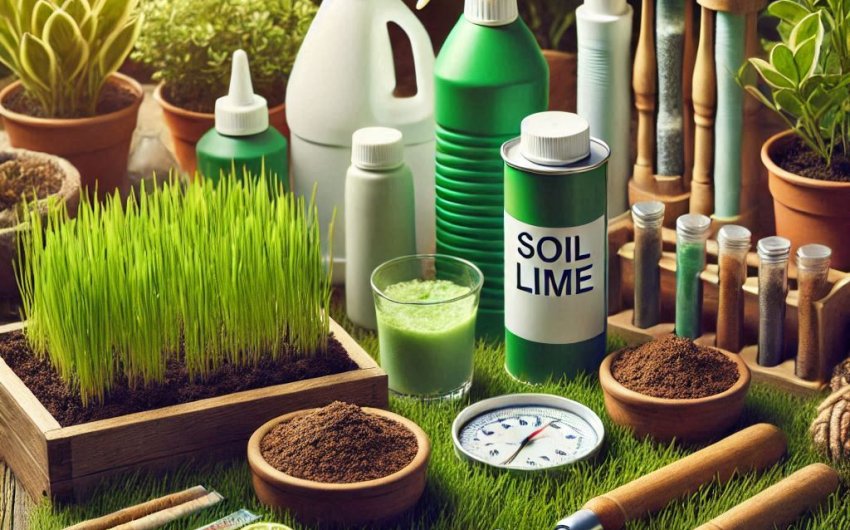
A lush, vibrant green lawn is the dream of many homeowners, but sometimes, despite your best efforts, your grass just doesn't look its best. One hidden culprit could be alkaline soil. When your lawn's soil pH is too high, essential nutrients become locked up, making them unavailable to your grass. Understanding how to manage alkaline soil in lawns and lower pH is crucial for unlocking your turf's full potential and achieving that enviable green carpet.
What is Alkaline Soil and Why Does it Matter for Your Lawn?
Soil pH is a measure of its acidity or alkalinity, ranging on a scale from 0 to 14. A pH of 7 is neutral. Values below 7 are acidic, and values above 7 are alkaline (also known as basic). Most lawn grasses thrive in slightly acidic to neutral soil, typically between pH 6.0 and 7.0.
Understanding Soil pH
- The pH Scale: It's a logarithmic scale, meaning each whole number change represents a tenfold difference in acidity or alkalinity. For example, soil with a pH of 8.0 is ten times more alkaline than soil with a pH of 7.0.
- Optimal Range: Different plants have different pH preferences, but for the majority of common lawn grasses (like Kentucky Bluegrass, Fescue, Ryegrass, Bermuda, Zoysia), the sweet spot is slightly acidic to neutral.
- How pH Affects Nutrient Availability: This is the most critical aspect. Soil pH directly influences the availability of nutrients to plant roots.
- Low pH (Acidic): Can cause toxic levels of some micronutrients (like aluminum or manganese) and make macronutrients (like phosphorus) less available.
- High pH (Alkaline): This is where alkaline soil problems arise. Many essential nutrients, particularly micronutrients like iron, manganese, zinc, and copper, become less soluble and "tied up" in the soil. Even if these nutrients are physically present in the soil, grass roots cannot absorb them.
Signs Your Lawn Might Have Alkaline Soil
While the definitive answer comes from a soil test, your lawn might show visual clues suggesting a high pH.
- Yellowing or Pale Green Grass (Chlorosis): This is a very common sign. Often, the grass blades will be pale green or yellow, especially the newer growth, but the veins might remain greener (interveinal chlorosis). This is a classic symptom of iron deficiency, which is frequently caused by high pH.
- Poor Growth and Thinning: Even with proper watering and fertilization, your lawn might struggle to grow vigorously. It might look thin, sparse, and generally unhealthy because it's not effectively absorbing nutrients.
- Moss or Certain Weeds: While not exclusive to alkaline soil, the presence of certain weeds (like plantain, dandelions, or chicory) or an abundance of moss (which often thrives in compacted, nutrient-poor soil, though more typically associated with acidic conditions) can sometimes indicate an underlying soil imbalance.
- Fertilizer Doesn't Work: You apply fertilizer, but your lawn doesn't seem to respond with that vibrant green growth. This is because the nutrients you're applying might become locked up in the alkaline soil.
- History of Liming: If your property was heavily limed in the past, or if you live in an area with naturally calcareous soil (rich in limestone), it's highly likely your soil is alkaline.
Understanding these indicators and the basic science of pH will empower you to take the necessary steps to test your soil and manage alkaline soil in your lawn.
How Do You Test Your Soil pH?
You might observe all the signs of alkaline soil, but guessing your soil's pH can lead to wasted effort and potentially more problems. A proper soil test is the only reliable way to confirm your soil's pH and get accurate recommendations for lowering it.
Why a Soil Test is Essential
- Accuracy: Visual cues can be misleading. A soil test provides a precise pH reading.
- Nutrient Levels: Beyond pH, a comprehensive soil test will also reveal the levels of essential nutrients (nitrogen, phosphorus, potassium, and micronutrients) and organic matter in your soil. This holistic view helps you understand why your grass might be struggling.
- Tailored Recommendations: Professional soil labs will typically provide specific recommendations on how much of which amendment (e.g., sulfur) to apply to adjust your pH to the optimal range for your lawn type. This prevents over-application, which can be just as damaging as a high pH.
Methods for Testing Soil pH
There are a few ways to test your soil, ranging from basic home kits to professional lab analysis.
- Professional Soil Testing Lab (Highly Recommended):
- Process: Contact your local cooperative extension office (usually associated with a university's agriculture department). They will provide instructions, a soil sample bag, and a submission form. You collect several small soil samples from different areas of your lawn (avoiding areas near trees, sidewalks, or buildings, which might have different pH), mix them, and send the composite sample to the lab.
- Pros: Most accurate and comprehensive results. Provides detailed analysis of nutrients and pH, along with precise recommendations for amendments. Relatively inexpensive.
- Cons: Takes a few weeks to get results back.
- Home Soil Test Kits:
- Types:
- Liquid Reagent Kits: You mix a small soil sample with a chemical solution and compare the resulting color to a chart. Kits like the Rapitest 1818 Soil Test Kit are widely available.
- Electronic pH Meters: These probes are inserted directly into moist soil to give a digital reading. Look for a XLUX T10 Soil pH Meter.
- Pros: Immediate results, convenient, relatively inexpensive for basic testing.
- Cons: Less accurate than lab tests. May not provide nutrient information or specific application rates for amendments. Best used for quick checks or to confirm general trends, not for precise management.
- Types:
Interpreting Your Results
- The Target: For most lawns, your goal is a pH between 6.0 and 7.0. If your test comes back above 7.0, you have alkaline soil that needs to be addressed.
- Understanding Recommendations: If you used a professional lab, their report will clearly state your current pH and recommend the type and amount of amendment needed to bring it into the optimal range. Pay close attention to these instructions, as over-applying can be detrimental.
Once you have a clear understanding of your soil's pH and nutrient profile from a reliable test, you can confidently proceed with strategies to manage alkaline soil in your lawn and start to lower pH.
What Are the Best Amendments to Lower Soil pH?
Once you've confirmed your lawn has alkaline soil through a soil test, the next step is to choose the right amendment to lower pH. It's important to understand that this is a gradual process, and patience is key.
1. Elemental Sulfur (Sulfur Dust or Granular Sulfur)
- How it Works: Elemental sulfur is the most common and effective material for lowering soil pH. When applied to the soil, naturally occurring soil bacteria convert the sulfur into sulfuric acid. This acidic byproduct then reacts with alkaline compounds in the soil, effectively lowering the pH.
- Pros:
- Effective: Provides a lasting reduction in pH.
- Safe: When applied correctly, it's safe for your lawn.
- Gradual Action: Its slow action means less risk of shocking the grass.
- Cons:
- Slow-Acting: The process of converting sulfur to sulfuric acid takes time, especially in cooler soil temperatures. You might not see significant pH changes for several months to a year.
- Application Rate: It's crucial to follow soil test recommendations precisely to avoid over-application, which could lower pH too much.
- Application Tips:
- Granular is Preferred: Granular sulfur is easier to spread evenly with a broadcast spreader and reduces dust. A Espoma Organic Soil Acidifier is a good option.
- Water In: Always water the lawn thoroughly after applying sulfur to help it settle into the soil and begin the conversion process.
- Multiple Applications: For significant pH adjustments (e.g., from pH 8.0 to 6.5), you will likely need multiple applications over several seasons, rather than one heavy dose. Spread applications out by at least 3-6 months.
- When to Apply: Sulfur can be applied almost any time the ground isn't frozen, but spring and fall are generally good times when soil microbes are active.
2. Acidifying Fertilizers
- How it Works: Some lawn fertilizers are specifically formulated with ingredients that contribute to lowering soil pH over time. These often contain ammonium sulfate as a nitrogen source, which has an acidifying effect.
- Pros: You fertilize and lower pH simultaneously.
- Cons:
- Less Potent: Their primary purpose is fertilization, so their pH-lowering effect is much slower and less dramatic than elemental sulfur.
- Limited Impact: Best for maintaining an already acceptable pH or making very minor adjustments. Not suitable for significantly lowering pH in highly alkaline soil.
- Application Tips: Use as part of your regular fertilization schedule, following label directions. Check the N-P-K analysis and ingredients to ensure it's an acidifying formula.
3. Organic Amendments
While not as effective for rapid or significant pH changes, these can contribute to a healthier soil environment that supports better nutrient availability.
- Sphagnum Peat Moss:
- How it Works: Has a naturally acidic pH (around 3.5-4.5). When incorporated into the topsoil, it can slightly lower pH.
- Pros: Also improves soil structure, water retention, and aeration.
- Cons: Requires tilling or mixing into the soil for noticeable effect, which is disruptive for an established lawn. Applying it as a topdressing might offer a slight, temporary surface effect.
- Compost:
- How it Works: While neutral to slightly acidic, adding compost consistently improves overall soil health. Healthy soil with rich organic matter supports a thriving microbial population that aids in nutrient cycling and can buffer pH fluctuations.
- Pros: Improves drainage, water retention, and nutrient availability.
- Cons: Won't significantly lower highly alkaline pH on its own, but supports the action of other amendments.
- Pine Needles or Pine Bark Mulch:
- How it Works: These materials are acidic. When used as a topdressing or mulch, they can very gradually contribute to lowering the surface soil pH as they decompose.
- Pros: Also provide mulching benefits (weed suppression, moisture retention).
- Cons: Very slow process, mostly affects the very top layer of soil. Not a primary solution for deep-rooted lawn grass pH adjustment.
Important Note: Never use "quick fix" acidic household products like vinegar or coffee grounds directly on your lawn for pH adjustment. While they are acidic, their effects are highly temporary, inconsistent, and can harm your grass due to over-concentration or rapid pH swings.
The most effective strategy for managing alkaline soil in lawns and achieving a sustainable lower pH is usually a combination of applying elemental sulfur based on soil test recommendations, coupled with consistent use of organic amendments like compost to improve overall soil health. Re-test your soil periodically to monitor progress and adjust future applications.
What is the Best Way to Apply pH-Lowering Amendments to Your Lawn?
Applying amendments correctly is just as important as choosing the right ones. Proper application ensures even distribution and maximizes the effectiveness of your efforts to lower pH and manage alkaline soil in lawns.
Preparation Before Application
- Mow Your Lawn: Mow your lawn a day or two before application to ensure the amendments can easily reach the soil surface and aren't caught up in long grass blades.
- Ensure Dry Foliage: Apply granular sulfur when the grass is dry. This prevents the granules from sticking to the blades, which can cause minor burning.
- Check Weather Forecast: Avoid applying just before heavy rain, which could wash away the amendment. A light rain after application is beneficial, but a downpour is not.
Application Method for Granular Sulfur
- Broadcast Spreader: This is the ideal tool for even application over large lawn areas.
- Calibrate Your Spreader: This is crucial. Read the sulfur product label for recommended spreader settings. If no specific setting is listed, consult your spreader's manual for guidance on setting it for granular products. It's often helpful to apply half the recommended rate in one direction and the other half perpendicular to the first pass to ensure even coverage.
- Edge Control: Be careful near sidewalks, driveways, and patios. Sulfur can leave a temporary yellow stain on concrete or stone if left to sit wet. Use a deflector shield on your spreader if available, or sweep up any stray granules immediately after application.
- Hand Spreading (for small areas): For very small, localized areas, you can carefully hand-spread, but it's much harder to get even coverage. Always wear gloves.
Watering After Application
- Immediate Watering: After applying granular sulfur, water your lawn thoroughly. This helps wash the sulfur granules off the grass blades and into the soil, where the beneficial bacteria can begin their work of converting the sulfur into sulfuric acid.
- Deep Soaking: Aim for a deep soaking that penetrates several inches into the soil.
Safety Precautions
- Wear Protective Gear: Always wear gloves, eye protection, and a dust mask when handling elemental sulfur, especially the dustier forms. This prevents skin irritation and inhalation.
- Keep Pets and Children Away: Keep pets and children off the treated area until the product has been watered in and the lawn surface is dry.
- Read Labels: Always, always read and follow the specific instructions and safety warnings on the product label.
Follow-Up and Re-Testing
- Patience is Key: Remember that lowering soil pH with elemental sulfur is a slow process. Don't expect immediate results. It can take several months to a year, or even longer for significant shifts, especially in heavy clay soils.
- Re-Test: Do not reapply sulfur simply because you haven't seen a visual change in your lawn's color. Re-test your soil pH after 6-12 months (or as recommended by your soil test report) to monitor your progress. Over-applying sulfur can drop your pH too low, which creates new nutrient availability problems.
- Multiple Applications: If your initial soil test shows a very high pH that needs a significant reduction, the lab will likely recommend splitting the total required amount into multiple applications over several seasons. This prevents shocking the soil and grass.
By following these application best practices, you can effectively deliver the necessary amendments to your lawn, gradually lower its pH, and successfully manage alkaline soil for a healthier, greener turf.
What Are the Ongoing Management Strategies for Alkaline Lawns?
Once you've started the process of lowering your lawn's pH and addressing alkaline soil, the work isn't over. Ongoing management is key to maintaining the ideal pH and ensuring your lawn thrives long-term.
1. Consistent Use of Acidifying Fertilizers
- Strategic Choice: Even after an initial sulfur application, continue to use fertilizers that are designed to be slightly acidic or contain acidifying agents. Look for lawn fertilizers that use ammonium sulfate as their nitrogen source, as this will contribute to a gradual, sustained lowering of soil pH over time.
- Avoid Liming Products: Ensure any lawn products you use do not contain lime (calcium carbonate) or other materials that would raise the pH. Many "weed and feed" products or generic fertilizers might contain lime. Always read the label.
2. Regular Soil Testing (Every 1-3 Years)
- Monitor Progress: Re-test your soil pH every year or two, especially in the first few years after beginning pH adjustments. This allows you to monitor the effectiveness of your efforts and make small, informed adjustments as needed.
- Prevent Over-Correction: Consistent testing helps prevent you from over-correcting and making your soil too acidic, which can lead to other nutrient deficiencies.
3. Incorporate Organic Matter Consistently
- Mulch Mowing: Continue to mulch grass clippings back into your lawn. As they decompose, they add valuable organic matter to the soil.
- Topdressing with Compost: Annual or biennial topdressing with a thin layer (1/4 to 1/2 inch) of good quality compost is a powerful practice. Compost helps to buffer pH fluctuations, improves soil structure, enhances water and nutrient retention, and supports the beneficial microbial life that plays a role in nutrient availability.
- Humic/Fulvic Acids: Consider using liquid or granular products containing humic acid and fulvic acid as part of your regular maintenance. These compounds help chelate nutrients (including iron), making them more available to plants, even in slightly less-than-ideal pH conditions. An example is Superzyme Humic Acid Lawn Supplement.
4. Optimize Watering Practices
- Deep and Infrequent: While this is a general best practice for all lawns, it's particularly important for lawns with challenging soil. Deep watering encourages roots to grow deeper, potentially accessing less alkaline soil layers and improving the overall health and resilience of the grass.
- Avoid Overwatering: Too much water can exacerbate nutrient leaching, especially in sandy soils.
5. Proper Aeration
- Annual Core Aeration: For lawns, particularly those with heavier clay or compacted soil, annual core aeration is highly beneficial. It improves air, water, and nutrient penetration into the root zone. This is crucial because elemental sulfur relies on microbial activity (which needs oxygen) to lower pH effectively.
- Timing: Aerate in the fall for cool-season grasses or late spring/early summer for warm-season grasses.
6. Consider Grass Varieties Tolerant of Alkaline Soil
- Adapt and Over-seed: While adjusting pH is the goal, if you consistently struggle with high pH due to naturally calcareous soil, consider overseeding or reseeding with grass varieties that are known to be more tolerant of slightly alkaline conditions.
- Warm-Season: Many warm-season grasses, like Bermudagrass, Zoysiagrass, and Buffalograss, are often more tolerant of alkaline soils than cool-season varieties.
- Cool-Season: Some cultivars of Tall Fescue also show good tolerance. Fine fescues are generally more pH-sensitive.
- Consult Local Experts: Your local cooperative extension will have specific recommendations for grass varieties that perform best in your region's soil conditions.
By combining direct pH adjustment with consistent, holistic lawn care practices, you can effectively manage alkaline soil in your lawn and ensure a thriving, deep green turf for years to come. The goal is not just a quick fix but a sustainable, healthy soil ecosystem.