
How to Get Rid of Horseweed in Lawns Effectively?
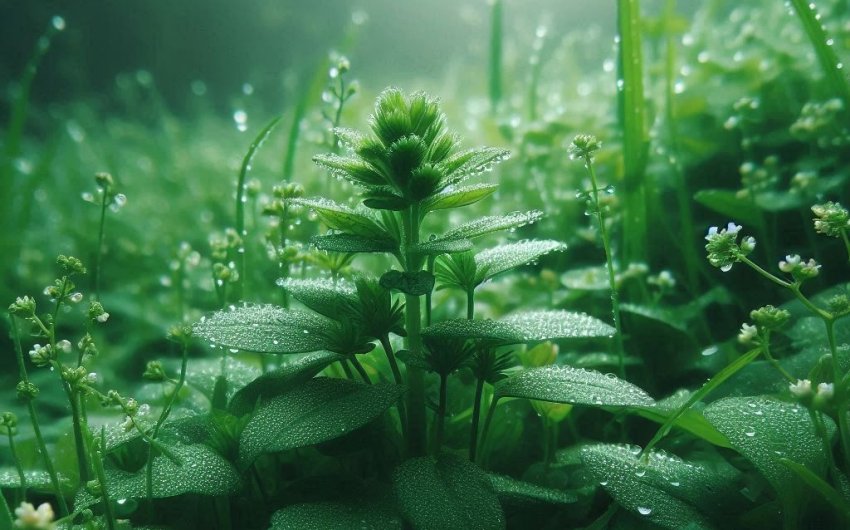
Getting rid of horseweed in your lawn can feel like an endless battle, but with the right approach, you can reclaim your turf. This persistent weed, also known as mare's tail or fleabane, is notorious for its resilience and rapid growth. Understanding its life cycle and preferred growing conditions is the first step toward effective control. Whether you're dealing with a few scattered plants or a widespread infestation, there are various strategies, both chemical and natural, that can help you eradicate horseweed and prevent its return, ensuring a healthy and vibrant lawn.
What Exactly is Horseweed and Why is it a Problem?
Horseweed (Conyza canadensis) is an annual broadleaf weed that can quickly become a nuisance in lawns and gardens. It typically emerges in the late fall or early spring, growing from a small rosette of leaves into a tall, upright plant that can reach heights of 6 to 10 feet if left unchecked. Its narrow, hairy leaves are arranged spirally around the stem, and it produces small, inconspicuous white flowers at the top. The real problem with horseweed lies in its incredible reproductive capacity. Each plant can produce hundreds of thousands of tiny, wind-dispersed seeds, allowing it to spread rapidly across your lawn and neighboring areas. Beyond its aesthetic impact, a dense stand of horseweed can outcompete desirable turfgrass for water, nutrients, and sunlight, leading to a thin, unhealthy lawn that is more susceptible to other weeds and diseases.
How Can I Identify Horseweed in My Lawn?
Accurate identification is crucial for effective weed control. Horseweed has several distinguishing characteristics that make it relatively easy to spot.
Horseweed Seedlings and Young Plants
When horseweed first emerges, it forms a small, compact rosette of leaves close to the ground. The leaves are narrow, somewhat hairy, and light green. At this stage, it can sometimes be mistaken for other weeds, but as it grows, its unique features become more apparent.
Mature Horseweed Plants
As horseweed matures, it develops a single, unbranched stem that grows vertically. The stem is typically covered in fine hairs. The leaves remain narrow and somewhat linear, becoming progressively smaller as they ascend the stem. The flowers are tiny, daisy-like, and appear in dense clusters at the top of the plant, usually from summer to early fall. The plant's overall appearance is often described as resembling a small, slender pine tree or a bottle brush, especially when it's tall and mature.
What are the Best Cultural Practices to Prevent Horseweed?
Prevention is always better than cure when it comes to weed management. A healthy, dense lawn is your best defense against horseweed and other invaders.
Maintaining a Thick, Healthy Lawn
A dense turfgrass canopy shades the soil, reducing the amount of sunlight that reaches weed seeds, thus inhibiting their germination.
- Proper Mowing Height: Mow your lawn at the highest recommended height for your grass type, typically 2.5 to 3 inches. Taller grass blades create more shade and promote deeper root growth, making your lawn more robust.
- Appropriate Fertilization: Follow a regular fertilization schedule based on soil test results. Healthy soil promotes vigorous grass growth, allowing it to outcompete weeds. Products like Scotts Turf Builder UltraFeed can provide extended feeding for a lush lawn.
- Adequate Watering: Water deeply and infrequently to encourage deep root development. Shallow, frequent watering can lead to a weak root system, making your lawn more susceptible to stress and weed invasion.
Improving Soil Health
Healthy soil is the foundation of a healthy lawn. Compacted or nutrient-deficient soil can create an environment where horseweed thrives.
- Aeration: Lawn aeration helps alleviate soil compaction, allowing water, nutrients, and oxygen to penetrate the root zone more effectively. This promotes stronger grass growth. Consider using a manual lawn aerator for smaller areas or renting a core aerator for larger lawns.
- Topdressing: Applying a thin layer of compost or other organic matter as topdressing can improve soil structure, nutrient content, and microbial activity.
- Soil Testing: Conduct a soil test every few years to determine your soil's pH and nutrient levels. This information will guide your fertilization and amendment strategies.
What are the Non-Chemical Methods to Remove Horseweed?
For those who prefer a chemical-free approach, several non-chemical methods can be effective, especially for smaller infestations.
Hand-Pulling and Manual Removal
Hand-pulling is a viable option for young horseweed plants or when dealing with a limited number of weeds. It is most effective when the soil is moist, making it easier to extract the entire root system.
- Timing is Key: Pull horseweed when it is young and small, ideally before it starts to bolt (send up a tall flower stalk). Once it bolts, it becomes tougher to pull and is closer to producing seeds.
- Ensure Root Removal: Horseweed has a taproot, so it's essential to remove as much of the root as possible to prevent regrowth. A weeding tool like a CobraHead Weeder can make this task easier.
- Dispose Properly: Do not leave pulled horseweed plants on your lawn, as they can re-root or release seeds if mature. Bag them and dispose of them with yard waste.
Smothering and Mulching
For larger patches of horseweed, or in areas where you plan to establish new plantings, smothering can be an effective long-term solution.
- Cardboard and Newspaper: Lay down several layers of cardboard or newspaper over the infested area, overlapping the edges to block out light.
- Mulch Layer: Cover the cardboard or newspaper with a thick layer of organic mulch, such as wood chips, straw, or shredded leaves. This not only suppresses weeds but also improves soil health over time. A bulk bag of cedar mulch can be cost-effective for larger projects.
- Solarization: In very sunny areas, solarization can be used. Cover the infested area with clear plastic sheeting for several weeks during the hottest part of the year. The sun's heat will "cook" the weeds and seeds underneath.
When Should I Consider Using Herbicides for Horseweed Control?
Herbicides can be an effective solution for widespread horseweed infestations or when cultural and manual methods are insufficient. However, careful consideration and proper application are paramount to protect your lawn and the environment.
Pre-Emergent Herbicides
Pre-emergent herbicides work by forming a chemical barrier in the soil that prevents weed seeds from germinating. They are most effective against horseweed when applied before its seeds sprout, typically in late fall or early spring.
- Timing: Apply pre-emergent in late fall (October/November) for fall-germinating horseweed or in early spring (February/March) for spring-germinating horseweed. The exact timing depends on your local climate and soil temperatures.
- Active Ingredients: Look for products containing prodiamine (e.g., Prodiamine 65 WDG), pendimethalin, or dithiopyr. These active ingredients are effective against a broad spectrum of grassy and broadleaf weeds, including horseweed.
- Watering In: Most pre-emergent herbicides require watering in after application to activate the chemical barrier. Follow product label instructions carefully.
Post-Emergent Herbicides
Post-emergent herbicides are applied directly to actively growing horseweed plants. They are either contact (kill only the parts they touch) or systemic (absorbed by the plant and translocated throughout).
- Selective Herbicides: For use in lawns, you'll need a selective herbicide that targets broadleaf weeds like horseweed without harming your turfgrass.
- Active Ingredients:
- 2,4-D, MCPP (mecoprop), and Dicamba are common active ingredients found in many broadleaf weed killers. Products like Spectracide Weed Stop for Lawns Plus Crabgrass Killer often contain a combination of these.
- Triclopyr is particularly effective on tougher broadleaf weeds and woody plants, including horseweed.
- Glyphosate is a non-selective herbicide that will kill any plant it contacts, including your lawn grass. Use glyphosate only for spot treatments on individual horseweed plants in areas where you don't mind killing the surrounding vegetation, or for complete clear-outs before reseeding. Roundup Super Concentrate Weed & Grass Killer is a well-known option.
- Timing of Application: Apply post-emergent herbicides when horseweed plants are young and actively growing, typically in the rosette stage. Mature plants, especially those that have bolted, are much more difficult to control with herbicides. Avoid applying during hot temperatures or when rain is expected.
- Resistance: Horseweed has developed herbicide resistance in many areas, particularly to glyphosate. If you suspect resistance, rotating between different herbicide active ingredients with different modes of action is crucial.
How Do I Safely Apply Herbicides to My Lawn?
Proper and safe application of herbicides is essential for effective weed control and to minimize risks to yourself, your lawn, and the environment.
Reading and Understanding the Label
The product label is your most important resource. It contains vital information on:
- Target Weeds: Ensures the product is effective against horseweed.
- Application Rates: Specifies how much product to use per area.
- Application Methods: Details whether to spray, granular spread, or use another method.
- Timing: Indicates the best time of year or growth stage for application.
- Personal Protective Equipment (PPE): Advises on necessary safety gear.
- Environmental Precautions: Provides warnings about runoff, drift, and toxicity to wildlife.
- Re-entry Interval (REI): States how long you must wait before re-entering the treated area.
Personal Protective Equipment (PPE)
Always wear appropriate PPE when handling and applying herbicides.
- Gloves: Chemical-resistant gloves, such as nitrile or neoprene, are crucial.
- Eye Protection: Safety glasses or goggles protect your eyes from splashes and mist.
- Long-Sleeved Shirt and Pants: Cover exposed skin to prevent contact.
- Closed-Toe Shoes: Protect your feet.
- Respirator (if recommended): For certain products, particularly those that produce fine mists or dusts.
Calibration and Application Techniques
Accurate application is key to effectiveness and preventing damage.
- Calibrate Your Sprayer: For liquid herbicides, sprayer calibration ensures you are applying the correct amount of product per unit area. This involves timing how long it takes to spray a known area and calculating the appropriate mixing ratio. A simple pump sprayer is sufficient for most home lawn applications.
- Even Coverage: Apply herbicides uniformly over the target area. Avoid overlapping sprays, which can lead to over-application and potential lawn damage.
- Wind Conditions: Avoid spraying on windy days to prevent herbicide drift onto desirable plants or neighboring properties.
- Temperature: Apply herbicides when temperatures are within the range specified on the label, typically between 60°F and 85°F. Extreme temperatures can reduce efficacy or increase the risk of turf injury.
- Moisture: Some herbicides require moist soil for activation, while others are best applied to dry foliage. Always check the label.
Post-Application Care
- Watering: If the label specifies, water the treated area after application to move the herbicide into the soil or activate it.
- Foot Traffic: Limit foot traffic on treated areas for the recommended re-entry interval to allow the herbicide to dry and absorb.
- Mowing: Do not mow your lawn immediately before or after herbicide application. Give the plants time to absorb the chemical, typically 24-48 hours.
What Should I Do if My Horseweed is Herbicide-Resistant?
Herbicide resistance in horseweed is a significant and growing problem. If you've applied herbicides correctly and are seeing no results, your horseweed population might be resistant.
Understanding Herbicide Resistance
Horseweed has a remarkable ability to develop resistance to various herbicides, particularly those with a single mode of action. This means a chemical that worked previously may no longer be effective.
Strategies for Managing Resistant Horseweed
- Rotate Herbicide Modes of Action: Do not rely on a single herbicide or chemical family year after year. Switch to products with different active ingredients that have different modes of action. For example, if you've been using a glyphosate-based product, try one containing glufosinate or paraquat (non-selective options for clear-outs) or a different broadleaf selective herbicide for lawns.
- Tank Mixing: Combining two or more herbicides with different modes of action in a single application can help prevent or manage resistance by hitting the weed with multiple attacks. Always ensure products are compatible before mixing.
- Integrate Cultural and Mechanical Methods: When dealing with resistance, cultural practices like promoting a dense lawn, and mechanical methods like hand-pulling or tillage, become even more critical. They reduce the reliance on herbicides and provide alternative control.
- Early Detection and Treatment: Treat horseweed when it is young and small. Younger plants are generally more susceptible to herbicides, even in resistant populations.
- Consult Local Extension Services: Your local university extension office can provide up-to-date information on horseweed resistance in your area and recommend specific strategies tailored to your region.
Can Natural Methods Effectively Control Horseweed in Lawns?
For those committed to organic lawn care or simply minimizing chemical use, natural methods can be surprisingly effective against horseweed, especially when used consistently.
Vinegar Solutions
Horticultural vinegar (acetic acid) can be used as a non-selective contact herbicide. It works by breaking down plant cell walls, causing the weed to wilt and die.
- Concentration: Use horticultural vinegar (10-20% acetic acid), not household vinegar (5%). Higher concentrations are more effective but also more corrosive. Be careful not to let it contact desirable plants. A product like Green Gobbler Vinegar Weed & Grass Killer is formulated for this purpose.
- Application: Apply directly to horseweed leaves on a sunny, dry day. Reapplication may be necessary for complete control, especially for larger plants.
- Caution: Vinegar is non-selective, meaning it will kill any plant it touches, including your lawn grass. Use it only for spot treatments or in areas where turf damage is acceptable. It can also lower soil pH temporarily.
Boiling Water
Pouring boiling water directly onto horseweed plants is a simple yet effective method for immediate kill.
- Effectiveness: It works by scalding the plant tissue, causing rapid wilting and death.
- Application: Carefully pour boiling water over the crown and leaves of individual horseweed plants.
- Limitations: This method is best suited for small infestations or individual plants, as it is labor-intensive for larger areas and can also harm surrounding desirable grass.
Corn Gluten Meal
Corn gluten meal is a natural pre-emergent herbicide that inhibits seed germination.
- How it Works: It contains natural proteins that interfere with root development of germinating seeds.
- Application: Apply corn gluten meal to your lawn in late fall or early spring, before horseweed seeds germinate. Follow package directions for application rates. Espoma Organic Weed Preventer uses corn gluten meal as its active ingredient.
- Benefits: In addition to weed prevention, corn gluten meal also acts as a slow-release nitrogen fertilizer, benefiting your turf.
- Limitations: It is only effective against germinating seeds, not established weeds. It also requires consistent application over several seasons for noticeable results.
How Can I Maintain a Horseweed-Free Lawn Long-Term?
Eliminating horseweed is a victory, but preventing its return requires ongoing vigilance and a commitment to proactive lawn care.
Regular Lawn Inspections
- Early Detection: Regularly walk your lawn and inspect for any emerging horseweed seedlings. The earlier you catch them, the easier they are to remove manually or with targeted spot treatments.
- Seasonal Checks: Pay particular attention during late fall and early spring, when horseweed typically germinates.
Consistent Cultural Practices
- Mowing: Continue to mow at the highest recommended height for your grass type. This promotes a dense canopy that shades out weed seeds.
- Watering: Maintain a deep and infrequent watering schedule to encourage strong, deep grass roots that can outcompete weeds for resources.
- Fertilization: Stick to a balanced fertilization program based on your soil test results. A well-nourished lawn is more resilient to weed invasion.
- Aeration and Dethatching: Perform aeration periodically to alleviate compaction and dethatch if your lawn has a thick layer of thatch. These practices improve air, water, and nutrient penetration, supporting healthy grass growth.
Strategic Use of Pre-Emergents
- Annual Application: If horseweed has been a recurring problem, consider an annual application of a pre-emergent herbicide in late fall or early spring. This creates a protective barrier against new weed germination.
- Timing is Crucial: Remember that the effectiveness of pre-emergents heavily relies on precise timing relative to soil temperatures and weed germination cycles.
Addressing Bare Spots Promptly
- Overseeding: Bare or thin patches in your lawn are invitations for weeds. Overseed these areas with high-quality grass seed to establish a dense turf quickly. Choose a grass variety suited to your climate and sun conditions. Jonathan Green Black Beauty Grass Seed is a popular choice for lush, dark green lawns.
- Repairing Damage: Address any underlying issues causing thin spots, such as soil compaction, poor drainage, or pest activity.
Border Control
- Edge Your Lawn: Maintain a clean edge between your lawn and garden beds or natural areas to prevent horseweed from encroaching.
- Mulch Garden Beds: Apply a thick layer of mulch in adjacent garden beds to suppress weeds and create a barrier against seed dispersal into your lawn.
By combining these proactive measures, you can create an environment where your turfgrass thrives and horseweed finds it difficult to take root. A consistent and comprehensive lawn care program is your best long-term strategy for keeping your lawn free from this tenacious weed. Achieving a horseweed-free lawn is an ongoing process that benefits from vigilance and a well-rounded approach to lawn care.