
Understanding Lawn Fertilizer Burn and How to Recover from It
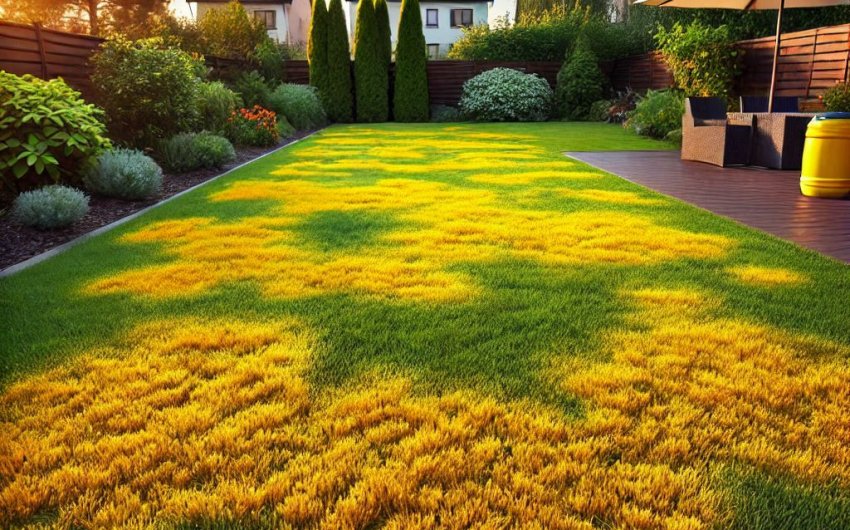
Fertilizing your lawn is a vital step in achieving a lush, green turf, but an improper application can quickly turn your dreams into a nightmare of yellow and brown patches. This common issue, known as lawn fertilizer burn, occurs when the grass absorbs too much salt from the fertilizer, leading to dehydration and cell damage. Understanding what causes this burning and, more importantly, how to recover from it, is essential for any homeowner hoping to restore their lawn's health and prevent future mishaps.
What Exactly is Lawn Fertilizer Burn?
Lawn fertilizer burn is essentially a chemical burn to your grass, caused by an excessive concentration of salts in the soil. Fertilizers, whether granular or liquid, contain essential nutrients (like nitrogen, phosphorus, and potassium) that are delivered in salt forms. While these salts are vital in small, controlled amounts, too much of a good thing can be detrimental.
The Science Behind the Burn
Plants absorb water through a process called osmosis. Water molecules naturally move from an area of high water concentration (like the soil) to an area of lower water concentration (like inside the plant roots).
- Normal Conditions: In a balanced state, the water concentration in the soil is higher than inside the grass roots, so water flows into the roots, keeping the grass hydrated and turgid (firm).
- Fertilizer Burn Occurs: When too much fertilizer is applied, the concentration of salts in the soil solution becomes extremely high. This reverses the osmotic process. Now, the water concentration outside the roots (in the soil) is lower than inside the roots. Instead of absorbing water, the grass roots actually lose water to the surrounding soil.
- Dehydration and Cell Damage: This outflow of water causes the grass cells to shrivel and become dehydrated. The high salt concentration also directly damages root and leaf cells, leading to burning, wilting, and ultimately, grass death.
Common Symptoms of Fertilizer Burn
The signs of lawn fertilizer burn can appear quickly, often within a few hours to a couple of days after application.
- Yellowing: The grass will first turn a sickly yellow color, often rapidly.
- Browning/Crisping: This yellowing quickly progresses to brown or even black. The grass blades will feel dry, brittle, and crispy to the touch, as if they've been scorched by heat.
- Distinct Patterns: The burn often appears in specific patterns that indicate how the fertilizer was misapplied:
- Stripes: If using a spreader with an uneven application (e.g., missed overlaps or double overlaps).
- Patches: Where a clump of granular fertilizer fell or liquid fertilizer was over-applied in one spot.
- Edge Burning: Along concrete driveways or sidewalks where granular fertilizer bounced off and concentrated.
- Overall Yellow/Brown: From widespread over-application or not watering in granular fertilizer.
- Dead Zones: In severe cases, the grass will completely die in the affected areas, leaving bare spots.
Types of Fertilizer Most Prone to Burning
Not all fertilizers have the same burning potential.
- High Nitrogen Fertilizers: Nitrogen is a critical component of most turf fertilizers, but it's often the primary cause of burn. Fertilizers with a very high first number in their N-P-K ratio (e.g., 30-0-0) are more likely to cause burn if misapplied.
- "Fast-Release" or "Quick-Release" Nitrogen: These forms of nitrogen are immediately available to the plant but also pose the highest risk of burning if over-applied or not watered in. Urea is a common fast-release nitrogen source.
- Granular Fertilizers: If not spread evenly or watered in adequately, granules can sit on grass blades and cause localized burning. Clumps of granules are especially problematic.
- Liquid Fertilizers: Can cause burn if applied at too high a concentration or if not properly diluted and sprayed evenly.
Understanding the mechanism and recognizing the signs of lawn fertilizer burn are the crucial first steps in assessing the damage and planning your recovery strategy.
How Do I Prevent Lawn Fertilizer Burn in the First Place?
Preventing lawn fertilizer burn is far easier and more effective than trying to recover from it. Most instances of burn are due to improper application techniques. Following these best practices will significantly reduce your risk.
1. Read the Fertilizer Label Carefully
This is the most important rule. The label is your guide!
- Application Rate: Pay close attention to the recommended application rate (e.g., pounds per 1,000 square feet). Do not exceed this.
- Spreader Settings: The label will often provide specific settings for different types of spreaders. Use these as a starting point.
- Watering Instructions: Note if the fertilizer needs to be watered in immediately after application. Most granular fertilizers do.
- Timing: Apply the fertilizer during the recommended season for your grass type.
- Precautions: Look for any warnings about temperature, wetness, or sensitive grass types.
2. Measure Your Lawn Accurately
Guessing your lawn size is a recipe for over-application.
- Measure: Use a measuring tape, wheel, or even a smartphone app (like Google Maps) to determine the exact square footage of your lawn.
- Calculate: Based on the label's application rate and your lawn's size, calculate the exact amount of fertilizer you need. Divide it into batches for even application.
3. Use the Right Spreader and Technique
The tool and how you use it matter immensely.
- Broadcast/Rotary Spreader (Recommended):
- Pros: Distributes granules in a wide swath, providing more even coverage. Faster for large areas.
- Technique: Apply half the calculated fertilizer walking in one direction (e.g., north-south), then apply the other half walking perpendicular (e.g., east-west). This "cross-hatch" method ensures thorough and even coverage, reducing missed spots and overlaps.
- Edges: Use the edge guard feature (if available) or be very careful near hardscapes.
- Drop Spreader:
- Pros: Good for precise application along edges or in smaller areas, as it drops granules directly below.
- Cons: Very susceptible to striping if overlaps are uneven.
- Technique: Ensure each pass slightly overlaps the wheel track of the previous pass.
- Calibrate Your Spreader: Before your first application (or if you get a new spreader), calibrate it. Pour a measured amount of fertilizer into the spreader, walk a known area, then measure how much fertilizer was dispersed. Adjust settings as needed.
- Avoid Hand Spreading: This leads to highly uneven application and is a major cause of burn spots.
4. Water In Granular Fertilizer Immediately and Thoroughly
This is one of the most common mistakes leading to burn.
- Activate Fertilize: Granular fertilizers need water to dissolve and move into the soil, becoming available to the grass roots.
- Prevent Burn: Watering immediately washes the fertilizer granules off the grass blades and into the soil, preventing them from sitting on the foliage and causing direct contact burn. It also dilutes the salts.
- How: Apply at least 1/4 to 1/2 inch (0.6-1.3 cm) of water over the entire fertilized area. Use sprinklers for even coverage.
5. Fertilize a Wet (But Not Saturated) Lawn (for Granular)
- Moist Soil: Ideally, the lawn should be moist before applying granular fertilizer. This helps the granules stick to the grass blades (making them less likely to roll off onto sidewalks) and also helps the soil absorb the initial watering-in.
- Avoid Saturated Soil: Don't apply to a waterlogged or standing wet lawn, as this can lead to runoff.
6. Avoid Fertilizing During Extreme Heat or Drought
- Stressed Grass: Grass that is already stressed from heat or drought is much more susceptible to fertilizer burn. Its ability to absorb and process nutrients is compromised.
- High Temperatures: High temperatures can also speed up the release of nitrogen from fast-release fertilizers, increasing the risk.
- Best Time: Fertilize when temperatures are moderate, and the lawn is actively growing but not stressed (typically spring and fall for cool-season grasses; late spring/early summer for warm-season grasses).
7. Be Cautious Near Hardscapes
- Sweep Off Immediately: If granular fertilizer lands on concrete driveways, sidewalks, or patios, sweep it off immediately back onto the lawn. Leaving it there can cause rust stains and, when washed into the lawn by rain, creates concentrated "hot spots" of burn.
By diligently following these preventative measures, you can avoid the headache of lawn fertilizer burn and ensure your lawn gets the nutrients it needs to thrive safely.
How Do I Recover from Lawn Fertilizer Burn? Immediate Steps?
If you've noticed the telltale yellowing or browning patches, quick action is key to minimizing damage and initiating recovery from lawn fertilizer burn. Time is of the essence.
Step 1: Immediate and Copious Watering (The Most Crucial Step)
The goal is to dilute and flush the excess salts away from the grass roots.
- Water Heavily: Immediately and thoroughly drench the affected areas, and even the surrounding healthy lawn.
- Duration: Water for at least 15-20 minutes, or long enough to provide 1/2 to 1 inch (1.3-2.5 cm) of water. For severe burn, you may need to water for up to 30 minutes.
- Frequency: Continue watering heavily for the next 3-5 days, providing a similar heavy watering session each day. This continuous flushing helps leach the excess salts deeper into the soil profile, away from the root zone.
- Monitor Drainage: Ensure the water is actually soaking into the soil and not just running off. If it's running off, water in shorter bursts (e.g., 5-10 minutes), let it soak, then repeat.
- Use Sprinklers: For even coverage, especially over larger areas, use an oscillating or rotary sprinkler rather than a handheld hose.
Step 2: Avoid More Fertilizer
- No Further Application: Do NOT apply any more fertilizer to the burned areas or the entire lawn for at least 4-6 weeks, or until signs of recovery are clear. Adding more fertilizer will only worsen the burn.
Step 3: Assess the Damage
After a few days of heavy watering, you'll have a clearer picture of the extent of the damage.
- Green vs. Brown:
- Yellow/Brown, but still some green at the base: The grass might recover on its own with continued watering. The roots may still be alive.
- Crispy, bleached white, or completely brown with no green at the base, pulls up easily: The grass in this spot is likely dead, and you will need to reseed or resod.
- Identify the Pattern: Note the distinct pattern of the burn. This helps confirm it's fertilizer burn and can inform your future application methods.
Step 4: Remove Dead Grass (if applicable)
If areas are completely dead, it's best to remove the damaged turf.
- Rake Out: Vigorously rake the completely dead, crispy patches to remove all the dead grass blades and any remaining granular fertilizer. This prepares the soil for new growth.
- Loosen Soil: Lightly scratch or loosen the top inch or two of soil in the bare spots with a rake or hand cultivator to prepare a good seedbed.
Step 5: Consider Topdressing (Optional but Beneficial)
Adding a thin layer of organic matter can help.
- Compost: After heavy watering and removing dead grass, spread a 1/4 inch (0.6 cm) layer of good quality compost over the affected areas.
- Benefits: Compost helps to improve soil structure, provides a gentle supply of nutrients, and can buffer the soil against salt stress.
- Mix In (Lightly): Lightly rake the compost into the top layer of the existing soil.
These immediate actions are critical for flushing out the harmful salts and giving your lawn the best chance to recover from lawn fertilizer burn.
How Do I Promote Long-Term Recovery and Regrowth?
Once the immediate threat of lawn fertilizer burn has been addressed, the focus shifts to nurturing your lawn back to full health and encouraging new growth. This is a multi-step process that requires patience.
1. Continue Proper Watering
- Consistency is Key: After the initial heavy flushing, continue with a regular, deep, and infrequent watering schedule suitable for your grass type and climate. This supports root recovery and overall plant health.
- Avoid Overwatering: While water was critical initially, do not let the soil become consistently soggy, as this can lead to other problems like fungal diseases or root rot in newly recovering grass.
2. Reseeding or Resodding Bare Patches
For areas where the grass has completely died, you'll need to replant.
- Preparation:
- Remove Dead Grass: As mentioned, rake out all dead, crispy grass and debris from the burned area.
- Loosen Soil: Loosen the top 1-2 inches (2.5-5 cm) of soil in the bare spots with a rake or hand cultivator.
- Amend Soil (Optional but Recommended): Mix in a 1/4 to 1/2 inch (0.6-1.3 cm) layer of good quality topsoil or compost, especially if the underlying soil is poor or compacted.
- Seeding:
- Choose Seed: Select a grass seed mix that matches your existing lawn type and is suitable for your climate. For shade areas, choose a shade-tolerant mix.
- Apply Seed: Spread the grass seed evenly over the prepared bare patches. Follow the recommended seeding rate on the package.
- Cover Lightly: Lightly rake the seed into the top 1/4 inch (0.6 cm) of soil, or cover with a thin layer of peat moss or straw. This protects the seeds from birds and helps retain moisture.
- Keep Moist (Crucial!): This is the most important step for seed germination. Keep the newly seeded areas consistently moist (but not soggy) until the seedlings are well established (2-4 weeks). This usually means light watering 2-3 times per day, especially in warm weather.
- A Broadcast Spreader for Seed can help with even application.
- Sodding:
- Prepare: Remove dead grass and level the soil.
- Lay Sod: Lay fresh sod tightly together on the prepared soil.
- Water Deeply: Water the newly laid sod immediately and deeply. Continue deep watering daily for the first 1-2 weeks to encourage rooting. Avoid foot traffic until firmly rooted.
3. Gentle Fertilization (After Recovery and Regrowth)
Once the grass shows clear signs of active recovery and new growth (or new seed/sod has established), you can gently reintroduce fertilizer.
- Timing: Wait at least 4-6 weeks after the burn or after new grass has emerged and been mowed a few times.
- Type: Use a slow-release, balanced lawn fertilizer. Consider one with a lower nitrogen content initially.
- Dosage: Apply at a reduced rate (e.g., half the normal recommended rate) to avoid re-burning.
- Water In: Always water thoroughly immediately after application.
- Organic Option: A gentle organic fertilizer or compost tea can be a good choice for recovering lawns.
4. Soil Health Improvement
Long-term recovery and prevention benefit from improved soil health.
- Aeration: If you haven't recently, core aerate your entire lawn (or at least the problem areas) in the appropriate season (spring or fall for cool-season; late spring/early summer for warm-season). This improves drainage and allows roots to penetrate deeper.
- Topdressing with Compost: Annual topdressing with a thin layer of good quality compost provides beneficial microorganisms and a slow release of nutrients, improving soil structure and resilience.
- Soil Test: Consider a soil test in the fall or spring after recovery. This can reveal any nutrient imbalances or pH issues that might make your lawn more susceptible to stress.
5. Monitor and Be Patient
- Observe: Continuously monitor the recovering areas. Look for new green shoots.
- Patience: Lawn recovery takes time. Don't expect instant results. Depending on the severity of the burn and the climate, it can take several weeks or even months for the lawn to fully recover.
By diligently following these steps, you provide your lawn with the best possible conditions for full recovery from lawn fertilizer burn and establish practices that will prevent future mishaps.
What are Common Mistakes that Lead to Lawn Fertilizer Burn?
Understanding the typical missteps that cause lawn fertilizer burn is crucial for preventing them in the future. Most errors stem from a lack of attention to detail or an eagerness to achieve quick results.
1. Applying Too Much Fertilizer
This is the most direct cause of burn.
- Guessing Lawn Size: Not accurately measuring your lawn's square footage leads to estimating, often resulting in applying more fertilizer than needed. A 1,000 sq ft (approx. 93 m²) difference can mean applying an extra pound or more of nitrogen.
- Ignoring Application Rates: Not reading or not adhering to the recommended application rate on the fertilizer bag. More is definitely not better when it comes to fertilizer.
- Not Calibrating Spreader: Assuming your spreader's settings are universally correct. Each spreader model and even each bag of fertilizer can have slightly different recommendations.
2. Uneven Application
"Hot spots" of burn often result from inconsistent spreading.
- Poor Spreader Technique:
- Overlapping: Double-applying fertilizer in overlapping passes, creating concentrated stripes.
- Missed Spots: Not overlapping enough, leading to alternating stripes of green (under-fertilized) and brown (burned).
- Clumping: Not using a rotary spreader for even distribution, or allowing granular fertilizer to clump as it comes out of the hopper.
- Hand Spreading: Trying to spread granular fertilizer by hand almost always results in uneven coverage and localized burn spots.
- Turning Spreader On/Off in Place: Starting or stopping the spreader while stationary creates a pile of fertilizer in one spot, leading to a concentrated burn mark. Always start walking before opening the spreader and close it before stopping.
3. Not Watering In Granular Fertilizer Immediately and Thoroughly
This is a very common and easily avoidable mistake.
- Granules Sitting on Blades: Leaving granular fertilizer sitting on grass blades allows the salts to come into direct contact with the foliage, dehydrating and burning it.
- Insufficient Water: Not applying enough water to dissolve the granules and wash them down into the soil. A light sprinkle is rarely enough.
- Delaying Water: Waiting too long (hours or days) to water after application, especially in warm, sunny conditions.
4. Fertilizing a Dry, Stressed Lawn
- Heat Stress: Applying fertilizer during a heatwave or period of drought. Grass that is already struggling to retain moisture is highly vulnerable to the dehydrating effects of fertilizer salts.
- Dehydrated Roots: Dry soil means roots are already thirsty and more likely to absorb the excess salts without enough water for dilution.
5. Fertilizing at the Wrong Time of Year/Season
- Dormancy: Applying fertilizer to dormant grass (e.g., warm-season grass in winter, or any grass in severe summer drought). Dormant grass cannot utilize the nutrients and is more susceptible to burn.
- Incorrect Season for Type: Applying cool-season fertilizer to warm-season grass at the wrong time (or vice versa), which can cause stress.
6. Fertilizing Too Frequently
- Over-Application Over Time: Applying fertilizer too often throughout the season, leading to a buildup of salts in the soil even if individual applications seem correct. This is often an issue with "weed and feed" products, which contain both fertilizer and herbicide.
7. Spreading Fertilizer on Hardscapes
- Concentrated Runoff: Allowing granular fertilizer to land on concrete driveways, patios, or sidewalks and then get washed onto the lawn by rain or irrigation. This creates super-concentrated streaks of fertilizer that severely burn the grass below.
By being aware of these common pitfalls and actively avoiding them, you can prevent lawn fertilizer burn and keep your lawn healthy and green.