
How to Fix Lawns with Poor Sunlight Due to Nearby Structures?
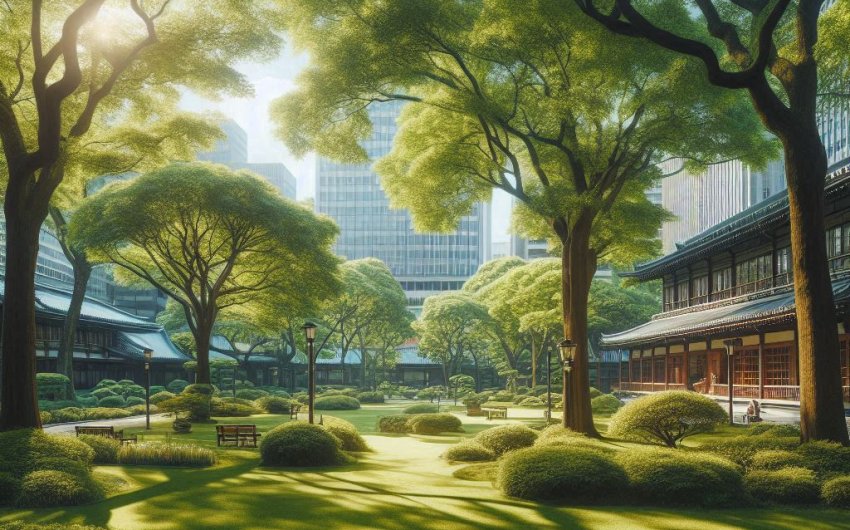
Dealing with lawns with poor sunlight due to nearby structures is a common challenge for many homeowners. Tall buildings, fences, or dense tree canopies can cast extensive shade, preventing grass from thriving and leading to bare patches, moss growth, or weak, leggy turf. Fortunately, there are several effective strategies to address this issue and cultivate a healthier, greener outdoor space.
Why Do Lawns Struggle in Shade?
Understanding why grass suffers in shaded areas is the first step toward effective solutions. It's not just about a lack of light; it's a cascade of issues that impact turf health.
Reduced Photosynthesis:
- Explanation: Grass, like all plants, relies on photosynthesis to produce energy for growth. Photosynthesis is the process where plants convert light energy into chemical energy, using carbon dioxide and water.
- Impact of Shade: In areas with poor sunlight, the rate of photosynthesis drops significantly. This means the grass blades produce less energy, leading to weaker growth, thinner blades, and an inability to repair themselves or spread effectively.
- Symptoms: This manifests as sparse, pale, or yellowish grass that struggles to fill in, even with regular watering and feeding.
Increased Moisture Retention:
- Explanation: Shaded areas tend to retain moisture for longer periods because the sun's warmth isn't there to evaporate water from the soil surface and grass blades.
- Impact: Constantly wet soil and grass blades create an ideal environment for problems:
- Fungal Diseases: Many common lawn diseases, such as brown patch, dollar spot, and powdery mildew, thrive in damp, low-light conditions.
- Moss and Algae: Moss and algae are opportunistic growers that outcompete grass in persistently moist, shady spots. They quickly take over bare patches.
- Root Rot: Prolonged soggy soil can lead to oxygen deprivation for grass roots, causing them to rot and further weakening or killing the grass.
Weakened Root Systems:
- Explanation: Grass growing in shade tends to develop shallower and less robust root systems. Since light is scarce, the plant prioritizes putting energy into taller blades to "reach" for light, rather than into strong roots.
- Impact: Shallow roots make the grass extremely vulnerable to:
- Drought Stress: Even short dry spells can cause significant damage or death.
- Foot Traffic: Less able to withstand pressure from walking or playing, leading to compacted spots and bare areas.
- Nutrient Uptake: Less efficient at absorbing water and nutrients from the soil.
Competition from Trees and Shrubs:
Advertisement- Explanation: If the shade is from nearby trees or large shrubs, these plants not only block sunlight but also compete fiercely with the grass for water and nutrients in the soil.
- Impact: The established, larger root systems of trees and shrubs are often far more effective at drawing moisture and nutrients from the soil, leaving little for the grass to survive on. This competition exacerbates the struggle for turf in shaded zones.
Compaction Issues:
- Explanation: Shaded areas are often high-traffic zones (e.g., paths next to a house or fence) and are more prone to soil compaction, especially when consistently wet.
- Impact: Compacted soil reduces air and water penetration, making it even harder for grass roots to grow and for beneficial soil microbes to thrive. This creates a vicious cycle of decline.
Addressing lawns with poor sunlight due to nearby structures requires understanding these underlying issues, leading to more effective and sustainable solutions.
How Can You Improve Sunlight for Your Lawn?
Sometimes, the simplest solution for lawns with poor sunlight due to nearby structures is to increase the amount of light reaching the grass. While removing a building isn't an option, modifying trees and shrubs often is.
Tree Pruning and Thinning:
- Technique: This is often the most impactful way to increase sunlight without removing the tree entirely. It involves selectively removing lower branches and thinning the crown (upper branches) of the tree.
- Lifting the Crown: Remove lower branches to raise the tree's canopy. This allows more sunlight to penetrate underneath the tree, benefiting the grass closer to the trunk.
- Thinning the Canopy: Remove some interior branches within the tree's crown. This reduces the density of the canopy, allowing more dappled sunlight to filter through without significantly changing the tree's overall shape or size.
- Considerations:
- Professional Arborist: For large trees or complex pruning, always hire a certified arborist. Improper pruning can damage the tree, make it unsafe, or even kill it. An arborist can advise on what's healthy and feasible for your specific tree.
- Timing: Pruning deciduous trees (those that lose leaves in winter) is often best done when they are dormant, allowing you to clearly see the branch structure. Evergreens can be pruned any time, but typically late winter to early spring.
- Gradual Approach: Don't remove too much at once. It's better to prune gradually over a few seasons if a tree needs significant thinning.
Removing Overhanging Branches:
- Technique: Identify any specific large branches that are directly casting dense, constant shade over critical lawn areas.
- Benefit: Removing these targeted branches can immediately open up the area to more light.
- Safety First: Again, for any large or high branches, consult a professional to ensure safety and proper cutting techniques. A pole saw can be used for smaller, accessible branches, but only with extreme caution.
Trimming Hedges and Shrubs:
- Technique: If the shade is coming from dense hedges or large shrubs, trim them back aggressively (but healthy for the plant) or remove overgrown specimens.
- Benefit: Reducing the height or width of these plants can significantly increase light levels on adjacent lawn areas.
- Maintenance: Regular trimming of hedges prevents them from becoming too dense and casting excessive shade. A good pair of hedge shears will be helpful.
Removing Unnecessary Plants:
- Technique: In some cases, small, ornamental trees or large shrubs might be positioned in a way that provides minimal aesthetic benefit but casts significant detrimental shade on your lawn.
- Consideration: Evaluate if their contribution to the landscape outweighs the negative impact on your grass. Removing them might be the most direct path to more light.
While you can't move your house, strategically managing the surrounding vegetation is a direct and effective way to address lawns with poor sunlight due to nearby structures by literally bringing more light to your grass.
What Grass Types Thrive in Shade?
If increasing sunlight isn't fully possible, adapting your grass selection is the next crucial step to fixing lawns with poor sunlight due to nearby structures. Not all grass is created equal when it comes to shade tolerance.
Understanding Shade Tolerance:
- No grass truly thrives in dense, full shade. Even "shade-tolerant" grasses still require a minimum amount of sunlight, typically 2-4 hours of direct sun or 4-6 hours of dappled/filtered sun per day.
- These grasses have adapted to be more efficient at photosynthesis in lower light conditions and are generally more tolerant of the moist, cooler conditions found in shade.
Cool-Season Grasses (for cooler climates, northern regions):
- Fine Fescues (especially Creeping Red Fescue, Chewings Fescue, Hard Fescue, Sheep Fescue):
- Why they're great: These are by far the most shade-tolerant cool-season grasses. They have fine, delicate blades and excel in dry, shady conditions as well. They require less fertilizer and water than other grasses.
- Appearance: Tend to have a fine texture and can appear a bit wispy.
- Best Use: Often included in shade grass seed mixes. A shade grass seed mix typically has a high percentage of fine fescues.
- Rough Bluegrass (Poa trivialis):
- Why it's great: Very shade-tolerant and prefers moist, fertile soil. Often used for overseeding in challenging shaded areas.
- Appearance: Bright green, fine-textured.
- Considerations: Can be somewhat aggressive and may not tolerate drought well once established.
- Tall Fescue (specific shade-tolerant varieties):
- Why it's great: While generally more sun-loving, some newer turf-type Tall Fescue varieties have improved shade tolerance. They have deeper root systems, making them more drought-tolerant than Fine Fescues.
- Appearance: Broader blades than Fine Fescues, darker green.
- Fine Fescues (especially Creeping Red Fescue, Chewings Fescue, Hard Fescue, Sheep Fescue):
Warm-Season Grasses (for warmer climates, southern regions):
- St. Augustine Grass ('Palmetto' or 'Seville' varieties):
- Why it's great: The most shade-tolerant warm-season grass. It performs reasonably well in partial shade.
- Appearance: Coarse-textured, dark green blades, forms a dense sod.
- Considerations: Needs moderate to high water and fertilizer. Spreads by stolons. Often sold as St. Augustine sod.
- Zoysia Grass (specific shade-tolerant varieties, e.g., 'Emerald' or 'Meyer'):
- Why it's great: Some Zoysia varieties offer moderate shade tolerance. It forms a very dense, attractive lawn and is highly drought-tolerant once established.
- Appearance: Fine to medium texture, forms a thick carpet.
- Considerations: Slow to establish, but very tough once mature. Can be found as Zoysia grass plugs or sod.
- Centipede Grass:
- Why it's great: Moderate shade tolerance and low maintenance requirements.
- Appearance: Light green, coarse texture.
- Considerations: Less cold-hardy than St. Augustine, prefers acidic soil.
- St. Augustine Grass ('Palmetto' or 'Seville' varieties):
Tips for Planting Shade-Tolerant Grass:
- Soil Preparation: Even shade-tolerant grasses need good soil. Amend the soil with organic matter to improve drainage and nutrient availability.
- Seed Rate: Use a slightly higher seeding rate for shade areas than for sunny areas, as germination might be less robust.
- Watering: Be careful not to overwater. Shaded areas retain moisture longer. Water deeply but infrequently once established.
- Mowing Height: Mow shade grass at its highest recommended setting (e.g., 3-4 inches). Taller blades have more surface area for photosynthesis, even in low light. A high-setting lawnmower is essential.
By choosing the right grass variety and adjusting your care practices, you can successfully cultivate attractive lawns with poor sunlight due to nearby structures.
How Do You Adjust Lawn Care for Shaded Areas?
Successfully maintaining lawns with poor sunlight due to nearby structures requires a tailored approach to routine lawn care. Standard practices for sunny lawns can actually harm grass in shaded environments.
Mowing Practices:
- Mow Higher: This is perhaps the most critical adjustment. Always mow grass in shaded areas at the highest possible setting for your grass type (typically 3-4 inches or even taller for some fescues).
- Why it Helps: Taller grass blades have more surface area to capture what little sunlight is available, improving photosynthesis. They also help shade the soil, reducing moisture loss and discouraging weeds.
- Mow Less Frequently: Shaded grass grows slower than grass in full sun. Reduce mowing frequency; only mow when necessary, to avoid stressing the weak turf.
- Sharp Blade: Always use a very sharp mower blade. Dull blades tear the grass, leaving ragged edges that are susceptible to disease, especially in moist, shady conditions. A lawnmower blade sharpener is a good investment.
- Mow Higher: This is perhaps the most critical adjustment. Always mow grass in shaded areas at the highest possible setting for your grass type (typically 3-4 inches or even taller for some fescues).
Watering Practices:
- Water Less Frequently: Shaded areas retain moisture longer. Overwatering is a common mistake that leads to root rot and fungal diseases in shade.
- Deep, Infrequent Watering: When you do water, water deeply to encourage deeper root growth. Then, allow the soil to dry out significantly before watering again.
- Monitor Soil Moisture: Use a soil moisture meter or simply feel the soil with your finger to determine if it's truly dry before watering.
- Water in Morning: Water early in the day so that the grass blades have time to dry out before nightfall, which helps prevent fungal growth.
Fertilization:
- Less Nitrogen: Grass in shade requires less nitrogen fertilizer than grass in sun. Too much nitrogen promotes lush top growth at the expense of root development, and weak, leggy growth is more susceptible to disease.
- Balanced or Low-Nitrogen Fertilizer: Use a balanced fertilizer or one with a lower nitrogen content, perhaps half the rate recommended for sunny areas. Apply once or twice a year during the appropriate growing season for your grass type. A slow-release lawn fertilizer is often a good choice.
- Organic Options: Consider organic fertilizers or compost, which release nutrients slowly and improve soil health, benefiting fragile shade grass.
Aeration:
- Importance: Shaded areas are more prone to soil compaction, especially from foot traffic and persistent moisture.
- Frequency: Aerate shaded lawn areas annually, or at least every other year, to improve air circulation to the roots and facilitate water penetration.
- Type: Use a core aerator that removes plugs of soil, rather than just poking holes. You can rent a core aerator machine or use a manual spike aerator shoes for small spots.
Dealing with Leaves and Debris:
- Frequent Raking: Leaves, fallen branches, and other debris can quickly smother delicate shade grass. Rake frequently, especially in fall, to ensure light reaches the blades. A leaf rake is essential.
- Avoid Smothering: Do not leave thick layers of leaves on shaded lawns for extended periods.
By adapting these essential lawn care practices, you can significantly improve the health and appearance of lawns with poor sunlight due to nearby structures, helping them survive and even thrive in challenging conditions.
What Are Alternatives to Grass in Shaded Areas?
Sometimes, despite best efforts, grass simply won't thrive in persistently dark areas, especially lawns with poor sunlight due to nearby structures. In these situations, embracing alternative ground covers or landscaping solutions can create a more beautiful and functional space.
Shade-Tolerant Groundcovers:
- These plants spread to form a dense mat, suppressing weeds and providing year-round interest without the need for mowing. Many thrive where grass fails.
- Popular Choices:
- Pachysandra (Japanese Spurge): A classic choice. Evergreen, grows to about 6-8 inches tall, forms a dense mat. Prefers acidic soil and good drainage.
- Vinca minor (Periwinkle): Another popular evergreen, featuring small, glossy leaves and charming blue-purple flowers in spring. Spreads readily.
- Hostas: While not a spreading groundcover in the same way, masses of Hostas in various sizes and leaf colors (blue, green, variegated) can create a stunning, low-maintenance display in deep shade. They die back in winter.
- Ferns: Various shade-loving ferns (e.g., Japanese Painted Fern, Autumn Fern, Maidenhair Fern) can create a lush, woodland feel. They prefer consistently moist soil and high humidity.
- Liriope (Lilyturf): Grass-like plant with evergreen foliage, sometimes with purple flower spikes. Tolerates a range of conditions and forms a dense clump.
- Creeping Jenny (Lysimachia nummularia): A fast-spreading, bright green or golden-leaved plant that's excellent for cascading over edges or filling in quickly.
- Considerations: Research the specific needs and spreading habits of any groundcover before planting. Some can be aggressive. You can find shade-loving groundcover plants online.
Hardscaping Elements:
- Instead of fighting the shade, consider using non-plant elements to create functional and attractive spaces.
- Patios or Decks: For larger areas where grass struggles, a patio made of pavers or a deck can provide a defined outdoor living space that requires no sun. Patio paver stones come in many styles.
- Walkways: Create inviting pathways with stepping stones, gravel, or brick. This reduces wear and tear on struggling grass and adds structure. A garden pathway kit can be helpful.
- Mulch Beds: Convert the problem area into a mulched bed. Use attractive organic mulches like wood chips, pine straw, or bark. This suppresses weeds, retains moisture, and provides a clean, uniform look. A bag of cedar mulch is a common choice.
Shade Gardens/Flower Beds:
- Design: Create a dedicated shade garden featuring plants that thrive in low light. This allows you to embrace the shade rather than fight it.
- Plant Choices:
- Flowering Plants: Astilbe, Bleeding Heart, Impatiens (annual), Foxglove, Rhododendron (acid-loving), Azalea.
- Foliage Plants: Hostas (as mentioned), Coral Bells (Heuchera), Coleus (annual), Lungwort (Pulmonaria), Ligularia.
- Shrubs: Hydrangeas, Camellias, Japanese Maples (dwarf varieties).
- Benefits: Adds diverse textures, colors, and blooms to your landscape, creating a beautiful focal point where grass once struggled. A shade garden plant collection can offer variety.
Container Gardening:
- Flexibility: Use pots and containers filled with shade-loving plants. This offers flexibility to move them if light conditions change seasonally.
- Plant Choices: Ferns, Hostas, Begonias, Impatiens, Ivy, Coleus.
- Benefit: Adds vertical interest and allows you to easily change up the look.
By considering these attractive and practical alternatives, you can transform difficult lawns with poor sunlight due to nearby structures into thriving, visually appealing areas of your landscape.
When Should You Consider Professional Help?
While many strategies for lawns with poor sunlight due to nearby structures can be tackled by homeowners, there are specific situations where calling in a professional is not just helpful but highly recommended or even necessary.
Large Tree Pruning or Removal:
- Safety: Attempting to prune large branches or remove a mature tree is extremely dangerous without proper training, equipment, and insurance. Falling branches can cause serious injury, damage to property, or power outages.
- Tree Health: Improper pruning cuts can damage the tree, making it susceptible to disease, pests, or structural weakness. A certified arborist understands tree biology and proper cutting techniques to maintain tree health and aesthetics.
- Equipment: Professionals have specialized equipment like bucket trucks, chippers, and safety gear.
- Permits: In some municipalities, removing or significantly pruning large trees requires permits. An arborist will be familiar with local regulations.
Persistent Drainage Issues:
- Expert Diagnosis: If your shaded lawn is consistently soggy, even with proper watering, it might indicate a more severe underlying drainage problem (e.g., compacted subsoil, hardpan, grading issues).
- Solutions: A landscape designer or drainage expert can diagnose the problem and propose solutions like French drains, regrading, or installing catch basins. These are typically beyond a DIY project. A French drain system can be complex to install.
Extensive Soil Compaction:
- Heavy Equipment: While you can rent a core aerator for large lawns, extremely compacted soil might require more powerful, commercial-grade equipment or specialized techniques that a professional lawn care company would use.
- Deeper Solutions: In severe cases, deep tilling or incorporating significant amounts of organic matter might be needed, which can be labor-intensive and require professional advice.
Widespread Pest or Disease Problems:
- Accurate Diagnosis: If your shade-stressed lawn is constantly battling fungal diseases (e.g., powdery mildew, brown patch) or specific pests that aren't responding to basic treatments, a professional horticulturist or lawn care specialist can accurately diagnose the issue.
- Targeted Treatment: They have access to professional-grade products and techniques that are more effective and can apply them safely and correctly.
Major Landscape Redesign:
- Cohesive Plan: If you've decided to switch from grass to a full shade garden or hardscaping, a landscape designer can help you create a cohesive, functional, and aesthetically pleasing plan.
- Plant Selection: They have in-depth knowledge of shade-tolerant plants suitable for your specific climate and soil, ensuring long-term success.
- Installation: For large-scale projects like installing patios, extensive retaining walls, or complex planting schemes, a professional landscape contractor has the skills and equipment for efficient and proper installation.
Time and Effort Constraints:
- Convenience: If you simply don't have the time, physical ability, or desire to tackle significant lawn and landscape projects yourself, hiring professionals can save you effort and ensure the job is done right.
While DIY solutions are effective for many situations, recognizing when to call in a professional ensures safety, expertise, and long-term success when tackling lawns with poor sunlight due to nearby structures.