
The Complete Guide to Managing Lawn Yellow Nutsedge
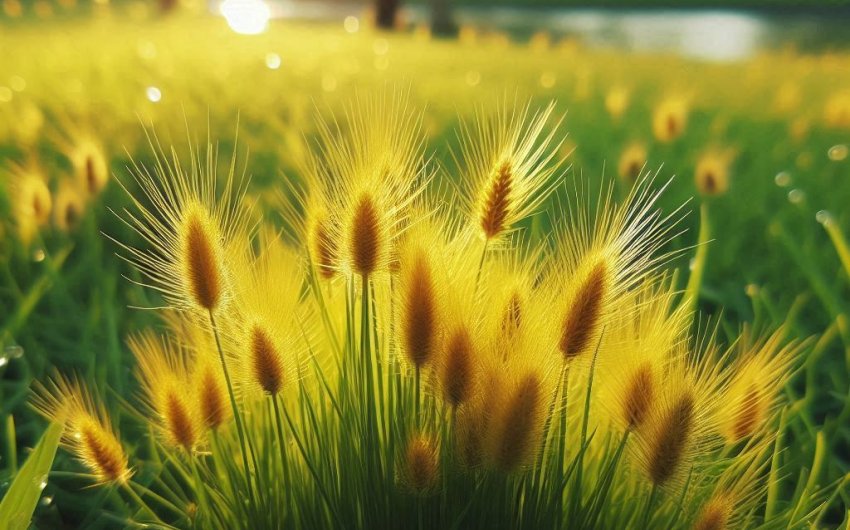
Effectively managing lawn yellow nutsedge is a common challenge for homeowners striving for a pristine turfgrass appearance. This comprehensive guide delves into identification, prevention strategies, and effective control methods to help you eradicate this persistent grassy weed and reclaim your yard. Discover practical tips and proven techniques to ensure your lawn remains healthy and free from this invasive plant.
What exactly is Yellow Nutsedge?
Yellow nutsedge (Cyperus esculentus) is a perennial sedge, often mistaken for a grass, that can quickly infest lawns and garden beds. It's notoriously difficult to control due to its aggressive growth habit and ability to produce numerous underground tubers, called nutlets, which allow it to spread rapidly and persist in the soil for years.
How do you identify Yellow Nutsedge?
Distinguishing yellow nutsedge from desirable turfgrasses is crucial for effective control. Here's what to look for:
- Color: It's usually a lighter, brighter green than most lawn grasses, sometimes appearing yellowish.
- Growth habit: It grows faster and taller than turfgrass, often sticking up above the lawn shortly after mowing.
- Leaves: The leaves are distinctly V-shaped or triangular in cross-section, unlike the flat blades of most grasses. You can roll a stem between your fingers; if it feels triangular, it's likely nutsedge.
- Arrangement: Leaves emerge in sets of three from the base of the plant.
- Flowers/Seedheads: In late summer, it produces yellowish-brown, spiky seedheads at the top of triangular stems.
- Rhizomes and Nutlets: Below ground, it forms white, fleshy underground stems (rhizomes) and small, round to oval tubers (nutlets or tubers) at the ends of these rhizomes. These nutlets are the primary means of nutsedge spread and survival.
Where does Yellow Nutsedge typically grow?
Yellow nutsedge thrives in moist, poorly drained, and compacted soils. You'll often find it in areas of your lawn that receive excessive irrigation, have poor drainage, or are frequently waterlogged. However, once established, it can tolerate a wider range of soil conditions, making it a persistent problem even in drier areas.
Why is Yellow Nutsedge so difficult to control?
The challenge in managing lawn yellow nutsedge stems from its unique biology and propagation methods. Unlike many weeds that spread primarily by seed, nutsedge relies heavily on its underground network of rhizomes and nutlets.
What are nutlets and why are they a problem?
Nutlets (or tubers) are small, potato-like structures that form at the tips of underground rhizomes. Each nutlet can produce a new nutsedge plant, and a single plant can produce hundreds, even thousands, of these nutlets in a single growing season. What makes them so problematic is:
- Dormancy: Nutlets can remain dormant in the soil for several years, waiting for favorable conditions to sprout. This means even if you control the visible plants, dormant nutlets can emerge later.
- Regrowth: If you pull or dig up nutsedge, but leave even a small piece of a rhizome or a single nutlet behind, the plant can regenerate.
- Depth: Nutlets can be found at various depths in the soil, making mechanical removal difficult.
How does Yellow Nutsedge spread?
Yellow nutsedge spreads through multiple avenues:
- Nutlets: This is the primary method. As mentioned, nutlets are produced profusely and can be spread by tilling, digging, or even by dragging contaminated soil or equipment.
- Rhizomes: These underground stems grow horizontally, producing new plants along their length.
- Seeds: While nutsedge does produce seeds, they are generally considered a less significant means of spread compared to nutlets and rhizomes, especially in lawns where frequent mowing prevents seed head development.
What are the best cultural practices to prevent Yellow Nutsedge?
Preventing yellow nutsedge from establishing itself is often easier than controlling a full-blown infestation. Good lawn care practices can create an environment less favorable for nutsedge growth.
How can proper watering prevent nutsedge?
Yellow nutsedge loves wet feet. Overwatering your lawn, or having poor drainage, creates the ideal conditions for nutsedge to thrive.
- Water deeply and infrequently: Instead of light, daily sprinklings, water your lawn deeply (to a depth of 4-6 inches) but less often. This encourages deeper root growth in turfgrass and allows the soil surface to dry out between waterings, making it less appealing for nutsedge.
- Improve drainage: If you have areas that consistently stay wet, consider amending the soil with organic matter to improve drainage or addressing compaction issues.
- Targeted irrigation: Avoid watering areas that are already naturally moist.
Does mowing affect Yellow Nutsedge?
Mowing practices play a role, though they won't eliminate existing nutsedge.
- Raise your mowing height: Taller turfgrass can shade out emerging nutsedge seedlings and suppress their growth. Mow at the highest recommended height for your grass type.
- Don't scalp your lawn: Scalping (cutting the grass too short) stresses the turf and exposes the soil, creating opportunities for weeds like nutsedge to establish.
- Clean equipment: If you mow an area with nutsedge, clean your mower blades and deck afterward to avoid spreading nutlets or seeds to uninfested areas.
How does soil health impact nutsedge growth?
Healthy soil supports dense, vigorous turfgrass, which naturally competes with weeds like nutsedge.
- Improve soil drainage and aeration: As mentioned, nutsedge thrives in wet, compacted soil. Aeration can help break up compaction, and adding compost for lawns can improve soil structure and drainage.
- Proper fertilization: Fertilize your lawn appropriately based on soil test results. A well-fed lawn is a strong lawn, better able to outcompete weeds. Avoid excessive nitrogen, which can sometimes favor nutsedge.
- Overseeding: Regularly overseeding your lawn, especially in thin areas, helps maintain a dense turf that leaves little room for nutsedge to grow. Use high-quality lawn grass seed suitable for your climate.
What are the mechanical ways to remove Yellow Nutsedge?
Mechanical removal, such as hand-pulling or digging, can be effective for small infestations, but it requires diligence and understanding of nutsedge's growth habits.
Is hand-pulling effective for Yellow Nutsedge?
Hand-pulling can be effective for very small, isolated nutsedge plants, especially when the soil is wet.
- Timing is key: Pull when the soil is moist to ensure you get as much of the rhizome and nutlets as possible.
- Remove entirely: Try to remove the entire plant, including any attached nutlets. If you leave nutlets behind, the plant will simply grow back.
- Be persistent: You'll likely need to pull repeatedly as new nutlets sprout. This method alone is rarely successful for large infestations.
How does digging affect Yellow Nutsedge?
Digging can be more effective than simple pulling, particularly for removing the entire nutsedge clump.
- Dig deeply and widely: Use a trowel or spade to dig out the nutsedge plant, ensuring you go deep enough to get all the nutlets. You may need to dig a wider area than the visible plant to capture all rhizomes and nutlets.
- Inspect the soil: Sift through the removed soil to look for and remove any stray nutlets.
- Dispose properly: Do not put nutsedge plants or nutlets in your compost pile unless you are certain your composting system reaches temperatures high enough to kill them. Dispose of them in sealed bags in the trash.
What about tilling for Yellow Nutsedge?
Tilling is generally not recommended for nutsedge control. While it might seem like a good idea to churn up the soil and expose the nutlets, tilling often has the opposite effect.
- Spreads nutlets: Tilling breaks up the underground network of rhizomes and spreads dormant nutlets throughout the soil, effectively turning one small infestation into many larger ones.
- Brings dormant nutlets to surface: It can bring dormant nutlets closer to the surface, where conditions are more favorable for germination.
What are the best chemical control options for Yellow Nutsedge?
For larger or persistent infestations of yellow nutsedge, chemical control (herbicides) often becomes necessary. It's crucial to select the right herbicide and apply it correctly to avoid damaging your lawn.
What kind of herbicides target Yellow Nutsedge?
Most common broadleaf weed killers will not control nutsedge. You need a nutsedge-specific herbicide. These are often referred to as "sedgekillers" or "sedge-specific herbicides." The active ingredients in these products typically include:
- Halosulfuron (e.g., SedgeHammer Plus): This is one of the most effective and widely used active ingredients for nutsedge control. It's systemic, meaning it's absorbed by the plant and translocated to the roots and nutlets. SedgeHammer Plus is a popular product.
- Sulfentrazone (e.g., Dismiss Turf Herbicide): Another effective systemic herbicide that works on nutsedge and some other weeds.
- Imazaquin: Found in some nutsedge control products.
- Bentazon (e.g., Basagran T&O): A contact herbicide that kills the foliage but may require multiple applications for nutsedge, as it doesn't always translocate effectively to the nutlets.
Always check the product label to ensure it's safe for your specific turfgrass type (e.g., Bermuda, Zoysia, Fescue, Bluegrass) as some herbicides can harm certain grass varieties.
When is the best time to apply nutsedge herbicide?
Timing is critical for effective nutsedge control with herbicides.
- Actively growing stage: Apply herbicides when the nutsedge is actively growing and relatively young (4-8 inches tall) but before it starts producing seedheads. This is typically from late spring through late summer.
- Before dormancy: Applying too late in the season, when nutsedge is preparing for dormancy, will be less effective as the plant won't effectively translocate the herbicide to the nutlets.
- After mowing (but not too soon): It's best to apply after the nutsedge has had a few days of growth after mowing. This ensures enough leaf surface area to absorb the herbicide.
- Warm temperatures: Most nutsedge herbicides work best when temperatures are between 60-85°F (15-30°C). Avoid application during extreme heat or cold.
How do you apply nutsedge herbicide safely and effectively?
- Read the label: This is the most important step. Every product has specific instructions, recommended rates, turfgrass compatibility, and safety precautions.
- Wear protective gear: Always wear safety gloves for gardening and eye protection. Consider a long-sleeved shirt and pants.
- Calibrate your sprayer: Ensure you are applying the correct amount of product. Too little won't be effective, too much can damage your lawn. A pump sprayer for herbicides is generally recommended for even application.
- Targeted application: For spot treatment of individual nutsedge clumps, use a hand sprayer to target only the weeds. For larger areas, broadcast application may be necessary.
- Avoid rain and wind: Apply when rain is not expected for at least 24 hours and on a calm day to prevent drift onto desirable plants.
- Don't water immediately: Allow the herbicide to dry on the leaves for several hours before watering or rainfall.
- Monitor and repeat: It may take 7-14 days to see results. Nutsedge may yellow and then die back. Due to dormant nutlets, a second application (or even more) may be needed 2-4 weeks after the first, or in subsequent growing seasons.
What is a Nutsedge control program?
Effective managing lawn yellow nutsedge often requires a multi-pronged approach, combining cultural practices with targeted chemical control. This systematic approach ensures long-term success.
What are the steps in a nutsedge management plan?
- Identify the problem: Confirm it's actually yellow nutsedge and not a grass.
- Address underlying issues: Improve drainage, correct compacted soil, and adjust watering practices to create less favorable conditions for nutsedge.
- Mechanical removal (for small areas): Hand-pull or dig out individual plants when the soil is moist, ensuring complete removal of nutlets.
- Herbicide application (for larger areas or persistent growth):
- Select a nutsedge-specific herbicide appropriate for your turfgrass.
- Apply during the nutsedge's active growth stage.
- Follow all label directions precisely.
- Be prepared for multiple applications.
- Promote healthy turf: Maintain a dense, healthy lawn through proper mowing height, fertilization, and overseeding to naturally outcompete any new nutsedge growth.
- Monitor and adapt: Regularly inspect your lawn for new nutsedge emergence. Be prepared to re-treat or adjust your strategy as needed.
Why is persistence important when dealing with nutsedge?
Yellow nutsedge is notorious for its persistence, primarily due to the dormant nutlets in the soil. You might kill all the visible plants, but new ones can sprout from previously dormant nutlets.
- Long-term commitment: Controlling nutsedge is often a multi-season effort. Don't expect a single treatment to eradicate it completely.
- Depleting the nutlet bank: The goal is to repeatedly kill the nutsedge plants as they emerge from nutlets, eventually depleting the "bank" of dormant nutlets in the soil.
- Stay vigilant: Even after a season of good control, be vigilant in subsequent years for new nutsedge growth.
Can solarization help with Nutsedge?
For areas heavily infested with yellow nutsedge that are not actively a lawn (e.g., bare patches, garden beds before planting), solarization can be an option.
- How it works: This involves covering the soil with clear plastic sheeting during the hottest months of the year. The sun's heat gets trapped under the plastic, raising soil temperatures high enough to kill weeds, seeds, and nutlets.
- Process:
- Clear the area of debris.
- Moisten the soil.
- Lay down clear, heavy-gauge plastic sheeting for solarization, ensuring it's sealed tightly at the edges (e.g., buried in a trench or weighted down with rocks).
- Leave in place for 4-8 weeks during peak summer heat.
- Limitations: This method makes the area unusable for a period and is not suitable for established lawns.
What are some common mistakes to avoid when dealing with Yellow Nutsedge?
Effective managing lawn yellow nutsedge requires avoiding common pitfalls that can worsen the problem or damage your lawn.
Why is mistaking nutsedge for grass a problem?
Misidentification is perhaps the biggest mistake. If you think yellow nutsedge is just another grassy weed or even a desirable part of your lawn, you won't treat it appropriately.
- Wrong herbicide: Applying a standard broadleaf weed killer will have no effect on nutsedge and can waste product and time.
- Aggravating the problem: Mowing too low or tilling can inadvertently spread nutsedge.
- Delayed action: The longer nutsedge is left to grow, the more nutlets it produces, making future control much harder.
Why is neglecting soil drainage a critical error?
Ignoring poor soil drainage or overwatering habits is like leaving the welcome mat out for yellow nutsedge.
- Perpetuates the issue: Even if you kill existing nutsedge, new plants will quickly reappear if the underlying wet conditions persist.
- Wastes effort: Your efforts with herbicides or manual removal will be short-lived if the environment remains ideal for nutsedge.
What happens if you don't follow herbicide label instructions?
Failure to adhere to herbicide label instructions can lead to several undesirable outcomes:
- Ineffective control: Applying too little product or at the wrong time won't kill the nutsedge.
- Lawn damage: Applying too much product, using it on the wrong turfgrass type, or spraying when temperatures are too high can severely burn or kill your lawn.
- Environmental harm: Misuse can lead to runoff into water bodies, harming aquatic life, or drift onto desirable plants.
- Safety risks: Ignoring safety precautions can put your health at risk.
Why is giving up after one treatment a mistake?
The nature of yellow nutsedge's spread through dormant nutlets means that a single treatment is rarely enough for complete eradication.
- Frustration: Expecting immediate, permanent results can lead to frustration and giving up.
- Nutlet regeneration: New nutsedge plants will continue to emerge from the "seed bank" of nutlets in the soil, requiring repeat applications.
- Long-term goal: Think of nutsedge control as a marathon, not a sprint. The goal is to gradually deplete the nutlet reservoir over time.
Can Yellow Nutsedge be used for anything?
While primarily considered a weed in lawns, yellow nutsedge has a surprising history of alternative uses, though these are generally not applicable for homeowners trying to remove it from their turf.
Is Yellow Nutsedge edible?
Yes, the nutlets of yellow nutsedge are edible and are known as "earth almonds" or "tigernuts."
- Historical food source: Tigernuts have been consumed by humans for thousands of years, with archaeological evidence dating back to ancient Egypt.
- Nutritional value: They are rich in fiber, vitamins (especially vitamin E and C), and minerals (such as iron and potassium). They also contain healthy fats.
- Flavor and texture: They have a sweet, nutty flavor and a chewy texture, sometimes compared to almonds or chestnuts. They can be eaten raw, roasted, or used to make tigernut milk (horchata de chufa).
- Harvesting: If you were to harvest them, you'd dig them up in the fall. However, identifying them correctly is important, and for most homeowners, the focus remains on eradication from the lawn.
Are there other uses for Yellow Nutsedge?
Beyond culinary uses, yellow nutsedge has been explored for other purposes:
- Animal feed: The foliage and tubers can be used as feed for livestock.
- Biofuel research: Some research has looked into the potential of nutsedge as a source for biofuel production due to its high starch content.
- Traditional medicine: In some cultures, parts of the plant have been used in traditional medicine for various ailments.
These uses, however, do not diminish its status as a persistent and undesirable weed in cultivated landscapes, particularly in a well-maintained lawn.
Successfully managing lawn yellow nutsedge requires a combination of vigilance, understanding of its biology, and a consistent approach using both cultural practices and appropriate chemical treatments. By implementing these strategies, you can significantly reduce and eventually eliminate this stubborn weed, leading to a healthier, more beautiful lawn.