
Green Thumbs Start Here: Easy-to-Grow Plants for Beginners
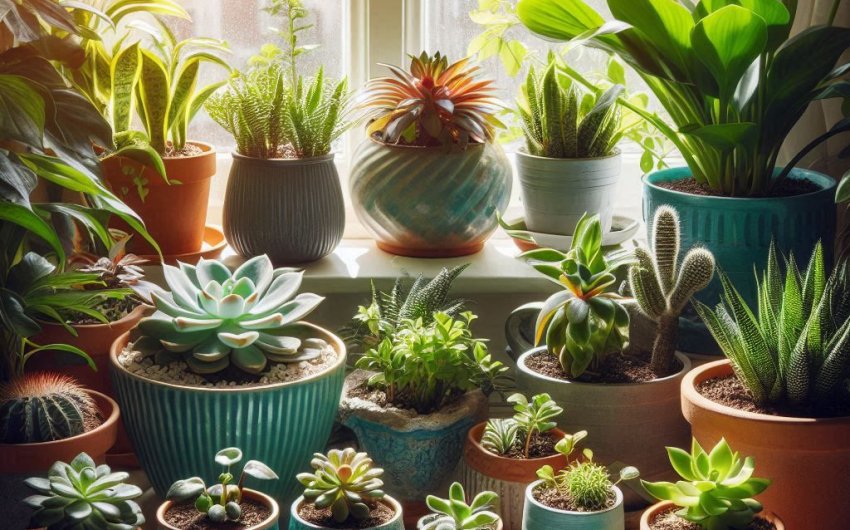
Ready to bring some vibrant greenery into your life but worried you lack a "green thumb"? Don't be! There are plenty of easy-to-grow plants for beginners that thrive with minimal fuss, building your confidence and adding beauty to your space. This guide introduces you to resilient, forgiving plants perfect for anyone starting their gardening journey, promising rewarding success without overwhelming effort.
Why Start with Easy-to-Grow Plants?
Beginning your gardening journey with easy-to-grow plants for beginners sets you up for success and cultivates confidence. Instead of feeling overwhelmed, you'll experience the joy and satisfaction of nurturing living things without the constant worry of failure.
Builds Confidence
Facing dead or struggling plants can be disheartening for new gardeners. Starting with resilient species means you're more likely to see healthy growth and successful blooms or harvests. This positive reinforcement encourages you to continue learning and expanding your gardening skills. Each thriving plant is a small victory that motivates you.
Forgives Mistakes
Life happens, and sometimes you might forget to water, overwater slightly, or place a plant in less-than-perfect light. Easy-to-grow plants are much more forgiving of these common beginner mistakes. They can bounce back from a missed watering or tolerate a less-than-ideal spot, giving you a buffer as you learn the ropes of plant care.
Low Maintenance
These plants don't demand constant attention. They often require less frequent watering, aren't overly picky about humidity, and generally resist common pests and diseases. This makes them ideal for busy individuals, those who travel, or anyone who simply wants beautiful plants without a demanding care routine. You won't feel tied to your garden.
Cost-Effective
Beginner-friendly plants are typically widely available and more affordable than rare or finicky species. This means you can experiment and learn without a significant financial investment, making gardening an accessible hobby.
Immediate Gratification
Many easy-to-grow plants show noticeable growth quickly, or produce frequent blooms, providing instant gratification. This visible progress keeps you engaged and excited about your new hobby.
Less Stress, More Joy
Gardening should be a source of peace and enjoyment, not stress. By choosing plants that thrive easily, you're free to appreciate their beauty and the process of nurturing them, rather than constantly worrying about their survival.
By starting with these resilient and beautiful options, you'll discover the simple pleasures of gardening and develop the foundational skills needed for a lifetime of green-thumb success, making easy-to-grow plants for beginners the smart choice.
Which Indoor Plants Are Easiest for Beginners?
Bringing greenery indoors can brighten any space, and thankfully, many houseplants are incredibly forgiving. These easy-to-grow plants for beginners are perfect for adding life to your home without demanding constant attention.
Snake Plant (Sansevieria trifasciata)
- Why it's easy: Often called "Mother-in-Law's Tongue," this plant is nearly indestructible. It tolerates low light, infrequent watering, and a wide range of temperatures. It's also an excellent air purifier.
- Care tips: Water only when the soil is completely dry. Brighter light will encourage faster growth, but it handles low light well. Avoid overwatering, which is its main killer.
- Find a Sansevieria Laurentii plant for its striking yellow-edged leaves.
ZZ Plant (Zamioculcas zamiifolia)
- Why it's easy: The ZZ plant is remarkably drought-tolerant, surviving long periods without water thanks to its thick, potato-like rhizomes that store moisture. It also thrives in very low light conditions.
- Care tips: Water sparingly; it's better to underwater than overwater. It tolerates neglect wonderfully. Its glossy, dark green leaves add a sophisticated touch.
- A Raven ZZ Plant offers unique dark foliage.
Pothos (Epipremnum aureum)
- Why it's easy: Also known as "Devil's Ivy" because it's so hard to kill. Pothos tolerates a wide range of light conditions (from low to bright indirect) and is very forgiving if you forget to water occasionally. It's also easy to propagate from cuttings.
- Care tips: Water when the top few inches of soil are dry. It's a vining plant, so it looks great in hanging baskets or trailing from shelves.
- Popular varieties include Golden Pothos with yellow variegation or Neon Pothos for a vibrant green.
Spider Plant (Chlorophytum comosum)
- Why it's easy: A classic houseplant for a reason. Spider plants are resilient, tolerant of various conditions, and famously easy to propagate from the "spiderettes" (baby plants) they produce.
- Care tips: Thrives in bright, indirect light but tolerates lower light. Water when the top inch of soil feels dry. They prefer some humidity.
- A Bonnie Spider Plant has charming curly leaves.
Peace Lily (Spathiphyllum)
- Why it's easy: Peace lilies are dramatic communicators – they visibly droop when thirsty, making it obvious when they need water. They are excellent air purifiers and produce elegant white "flowers" (actually modified leaves called spathes).
- Care tips: Prefers medium to low indirect light. Water when leaves start to slightly droop. Avoid direct sun. Can be toxic to pets if ingested.
- A Peace Lily plant adds elegance to any room.
Aloe Vera (Aloe barbadensis miller)
- Why it's easy: A succulent known for its medicinal properties (soothing burns and cuts). Aloe vera is very low maintenance, thriving on neglect and requiring infrequent watering.
- Care tips: Needs bright, direct light (like a sunny windowsill). Water thoroughly only when the soil is completely dry. Protect from frost.
- Find a live Aloe Vera plant for easy healing and décor.
These indoor plants are fantastic starting points, offering beautiful foliage and a rewarding experience, solidifying their place as top easy-to-grow plants for beginners.
Which Outdoor Plants Are Easiest for Beginners?
Moving outdoors, there are also many resilient and rewarding plants that thrive with minimal fuss, perfect for getting your hands dirty and seeing quick results. These easy-to-grow plants for beginners are great for garden beds, containers, or even just brightening up a porch.
Marigolds (Tagetes spp.)
- Why they're easy: These cheerful annuals are incredibly tough and bloom profusely all summer long, adding bright pops of color (yellow, orange, red). They are also known to deter some garden pests.
- Care tips: Plant in full sun. They are drought-tolerant once established and don't need much fuss. Deadhead (remove spent blooms) for continuous flowering.
- Start with marigold seeds for an economical and abundant display.
Zinnias (Zinnia elegans)
- Why they're easy: Another fantastic annual that grows quickly from seed and provides vibrant, long-lasting blooms in almost every color imaginable. They are excellent for attracting pollinators and making cut flowers.
- Care tips: Need full sun and well-drained soil. They are generally low maintenance, though deadheading encourages more blooms.
- A Zinnia seed mix offers a dazzling array of colors and shapes.
Sunflowers (Helianthus annuus)
- Why they're easy: Iconic and easy to grow from large seeds, sunflowers provide dramatic height and huge, cheerful blooms. Watching them track the sun is fascinating, and they're great for attracting birds and pollinators.
- Care tips: Full sun is a must. They need well-drained soil and occasional watering, especially when young.
- Giant sunflower seeds are fun for kids and adults alike.
Nasturtiums (Tropaeolum majus)
- Why they're easy: These versatile annuals produce beautiful, edible flowers and leaves with a peppery taste. They come in vibrant oranges, yellows, and reds, and can be grown as sprawling groundcovers or in hanging baskets. They also serve as a trap crop for aphids.
- Care tips: Prefer full sun but tolerate some afternoon shade. Don't fertilize heavily, as this can lead to more foliage and fewer flowers.
- Plant nasturtium seeds for a culinary and ornamental delight.
Hostas (Hosta spp.)
- Why they're easy: If you have a shady spot, hostas are your go-to. These perennials are beloved for their lush, varied foliage (greens, blues, golds, and variegated patterns). They are incredibly low maintenance.
- Care tips: Thrive in partial to full shade. Keep soil consistently moist. Watch out for slugs and snails, their main pest.
- A Hosta plant collection can bring texture and color to shady spots.
Sedum (Stonecrop) (Sedum spp.)
- Why they're easy: A fantastic succulent perennial that comes in many forms, from low-growing groundcovers to upright varieties with showy late-season blooms (like 'Autumn Joy'). They are incredibly drought-tolerant and virtually pest-free.
- Care tips: Full sun is best. Requires very little water once established. Perfect for rock gardens or hot, dry spots.
- 'Autumn Joy' Sedum plants provide beautiful fall color.
These outdoor choices provide both beauty and resilience, ensuring a satisfying experience for anyone exploring easy-to-grow plants for beginners.
Which Edible Plants Are Easiest for Beginners?
Growing your own food is incredibly rewarding, and thankfully, there are many easy-to-grow plants for beginners that offer delicious harvests with minimal effort. These edibles are perfect for starting your very own vegetable or herb patch.
Lettuce (Loose-Leaf Varieties)
- Why it's easy: Loose-leaf lettuce grows quickly, doesn't require much space, and can be harvested using the "cut-and-come-again" method for a continuous supply. It's perfect for containers.
- Care tips: Prefers cool weather and partial shade in hot climates. Keep soil consistently moist. Harvest outer leaves regularly to encourage new growth.
- Try a salad bowl lettuce seed mix for variety.
Radishes
- Why they're easy: These root vegetables are perhaps the fastest-growing edible crop, often ready for harvest in as little as 3-4 weeks. They're great for impatient gardeners and kids.
- Care tips: Plant in full sun. Need consistent moisture to prevent bitterness and bolting. Plant small batches every 1-2 weeks for a continuous supply.
- 'Cherry Belle' radish seeds are a popular choice.
Bush Beans
- Why they're easy: Unlike pole beans, bush beans don't need a trellis, making them simpler to manage. They are prolific producers and generally problem-free.
- Care tips: Plant in full sun after all danger of frost has passed. Keep well-watered. Harvest regularly to encourage more production.
- 'Contender' bush bean seeds are a reliable variety.
Cherry Tomatoes (Determinate Varieties)
- Why they're easy: While indeterminate (vining) tomatoes can be a challenge, determinate (bush) varieties are more compact and produce their fruit in a concentrated burst, making them easier for beginners, especially in containers. Cherry tomatoes are less prone to disease and more forgiving.
- Care tips: Need full sun, consistent watering, and well-drained soil. Support with a tomato cage from the start.
- Look for 'Tiny Tim' or 'Patio' cherry tomato seeds or plant starts.
Herbs (Basil, Mint, Chives)
- Why they're easy: Many herbs are incredibly forgiving and can be grown indoors on a windowsill or outdoors in pots.
- Basil: Thrives with warmth and sun, very productive when harvested regularly. Plant Genovese basil seeds.
- Mint: Almost impossible to kill and spreads easily (best in a pot!). Plant peppermint.
- Chives: Perennial onion-flavored herb that grows in clumps. Very hardy. Plant chive seeds.
- Care tips: Varies by herb, but most need good drainage. Harvest regularly to encourage new growth and prevent flowering.
Swiss Chard
- Why it's easy: A beautiful and highly productive leafy green that tolerates both cooler and warmer temperatures better than spinach or lettuce. You can harvest outer leaves for a continuous supply.
- Care tips: Full sun to partial shade. Keep soil consistently moist.
- 'Bright Lights' Swiss Chard seeds offer stunning colorful stems.
These edible options provide delicious, fresh produce with minimal fuss, making them perfect easy-to-grow plants for beginners in the kitchen garden.
What Are the Basic Care Tips for Beginner-Friendly Plants?
While easy-to-grow plants for beginners are forgiving, understanding a few basic care principles will ensure their success and help you develop good gardening habits. Think of these as the fundamental pillars of happy plants.
1. Understand Sunlight Needs
- Observation is Key: Before getting a plant, understand its light requirements (e.g., full sun, partial shade, low light). Then, observe your space throughout the day to identify areas that match these needs.
- Full Sun: At least 6-8 hours of direct, unfiltered sunlight per day. (e.g., tomatoes, sunflowers, zinnias).
- Partial Sun/Shade: 3-6 hours of direct sun, often preferring morning sun and afternoon shade (e.g., lettuce, hostas).
- Low Light: Can tolerate limited direct light, thriving in indirect or ambient light (e.g., snake plant, ZZ plant, peace lily).
- Rotate Indoor Plants: For even growth, occasionally rotate indoor plants so all sides get light exposure.
2. Master Watering (The Most Common Killer)
- Feel the Soil: This is the most important rule! Don't water on a schedule. Instead, stick your finger 1-2 inches into the soil.
- For most plants: Water when the top inch or two feels dry.
- For succulents (like Aloe Vera, ZZ Plant, Snake Plant): Water only when the soil is completely dry, usually every few weeks.
- Water Thoroughly: When you do water, water deeply until water drains out of the bottom of the pot. This encourages deeper root growth.
- Drainage is Crucial: Ensure all pots have drainage holes. Never let plants sit in standing water, as this leads to root rot. Empty saucers after watering.
- Avoid Wet Leaves (for some): For plants prone to fungal issues, try to water the soil directly, avoiding wetting the foliage. A long-spout watering can is helpful.
3. Choose the Right Potting Mix
- Not Garden Soil: Always use a well-draining potting mix for container plants. Garden soil is too heavy and will compact, suffocating roots.
- Aeration and Drainage: Look for mixes that contain ingredients like perlite, vermiculite, or coco coir, which help with drainage and aeration. A general purpose potting mix is fine for most.
- Specialized Mixes: For succulents, use a cactus and succulent potting mix that drains even faster.
4. Don't Over-Fertilize (Especially Early On)
- Less is More: For beginners, it's safer to under-fertilize than over-fertilize. Most new potting mixes have enough nutrients for several weeks.
- Diluted Liquid Fertilizer: If your plant seems to be slowing growth or looking pale after a month or two, use a balanced liquid fertilizer diluted to half or quarter strength. Apply every 2-4 weeks during the growing season (spring/summer). An all-purpose plant food is a good start.
- Signs of Trouble: Yellowing leaves can indicate nutrient deficiency OR overwatering. Crispy brown leaf edges often point to over-fertilization.
5. Monitor for Pests and Diseases
- Regular Inspection: Get into the habit of gently checking your plants for signs of pests (tiny bugs, sticky residue, holes) or diseases (spots, discoloration).
- Early Intervention: Addressing problems early is much easier. For most beginner-friendly plants, a simple spray of water, wiping off pests with a damp cloth, or using insecticidal soap can solve issues.
6. Consider Humidity (for Indoor Plants)
- Most indoor plants appreciate average to slightly higher humidity. If your home is very dry (especially in winter with heating), you can mist plants occasionally, group them together, or use a pebble tray.
By focusing on these fundamental care guidelines, you'll provide your easy-to-grow plants for beginners with everything they need to flourish, building your confidence one thriving plant at a time.