
Green Solutions: How to Make Your Own Organic Pesticides
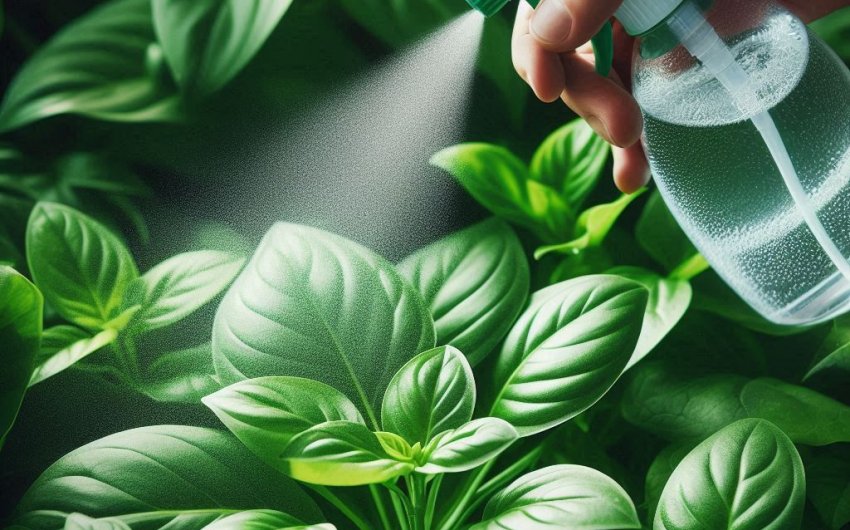
Tired of battling garden pests with harsh chemicals that harm your plants and the environment? Learning how to make your own organic pesticides offers a safe, effective, and sustainable approach to pest control. Embrace these homemade solutions to protect your garden from common invaders, ensuring your harvest is healthy, safe, and truly organic.
Why Make Your Own Organic Pesticides?
Choosing to craft your own pest control solutions rather than reaching for store-bought chemicals is a fundamental step towards a healthier, more sustainable garden. Understanding these compelling reasons will solidify your commitment to learning how to make your own organic pesticides.
Safety for Family and Pets
The primary advantage of homemade organic pesticides is their reduced toxicity. Commercial pesticides often contain synthetic chemicals that can be harmful to humans and animals upon contact, ingestion, or even through residues on edible plants. By using natural ingredients like soap, garlic, or hot peppers, you significantly minimize these risks, making your garden a safer space for children, pets, and indeed, yourself. Your homegrown produce will be free from chemical residues.
Environmental Protection
Synthetic pesticides can wreak havoc on the environment. They can leach into groundwater, contaminate rivers and streams, and persist in the soil for long periods. They also harm non-target organisms, including beneficial insects (like bees and ladybugs) that are vital for pollination and natural pest control, as well as birds and other wildlife. Homemade organic alternatives break down quickly and do not contribute to widespread environmental pollution, fostering a healthier ecosystem.
Cost-Effectiveness
Many of the ingredients needed to make organic pesticides are common household items or easily grown garden herbs. This makes homemade solutions significantly more affordable than repeatedly buying expensive commercial chemical sprays. It's a budget-friendly way to maintain a healthy garden.
Customization and Control
When you make your own, you know exactly what goes into it. This allows you to tailor your solutions to specific pest problems and plant sensitivities. You can adjust strengths and ingredients, giving you more control over your pest management strategy and ensuring you're only applying what's necessary.
Reduced Chemical Resistance
Over-reliance on a single type of chemical pesticide can lead to pests developing resistance, making the chemicals ineffective over time. Homemade organic solutions, especially when rotated and combined with other integrated pest management (IPM) strategies, can help prevent this resistance from building up, offering a more sustainable long-term solution.
Promotes Soil Health
Chemicals can negatively impact the beneficial microorganisms in your soil that are crucial for plant health. Organic pesticides, being non-toxic to soil life, do not disrupt this vital underground ecosystem, contributing to overall soil health and fertility, which in turn makes plants more resilient.
By embracing the knowledge of how to make your own organic pesticides, you're taking a proactive step towards a garden that is not only beautiful and productive but also safe, sustainable, and in harmony with nature.
What Are Some Essential Ingredients for Organic Pesticides?
To successfully learn how to make your own organic pesticides, you'll need to familiarize yourself with a few key ingredients. These are readily available and form the basis for most effective homemade solutions.
1. Liquid Castile Soap (or Mild Dish Soap)
- Role: Soap is a critical ingredient in many homemade sprays because it acts as an insecticidal agent for soft-bodied pests and an emulsifier.
- How it Works: When sprayed on insects like aphids, spider mites, mealybugs, and whiteflies, the soap dissolves their protective waxy coating (exoskeleton), causing them to dehydrate and die. As an emulsifier, it helps oily ingredients (like neem oil) mix with water.
- Type to Use: Always use a pure, undiluted liquid Castile soap (like Dr. Bronner's) or a very mild, biodegradable dish soap (avoid concentrated dish soaps, degreasers, or antibacterial soaps, as these can be too harsh for plants). Do not use laundry detergent.
- Find pure liquid Castile soap for best results.
2. Garlic
- Role: Repellent and mild insecticide.
- How it Works: Garlic contains sulfur compounds that have a strong, pungent odor and taste that many pests find offensive. It can deter a wide range of chewing and sucking insects, including aphids, slugs, and some beetles.
- Preparation: Typically crushed or blended with water to create a potent "tea" or spray.
- You can use fresh organic garlic bulbs from your kitchen.
3. Hot Peppers (Cayenne Pepper, Chili Powder)
- Role: Repellent due to capsaicin.
- How it Works: The active compound in hot peppers, capsaicin, irritates the sensory receptors of insects (and mammals). When applied to plants, it makes them unappetizing or causes discomfort for pests, deterring them from feeding.
- Preparation: Fresh hot peppers can be blended with water, or you can use dried cayenne pepper powder or chili powder.
- Source organic cayenne pepper powder.
4. Neem Oil (Cold-Pressed)
- Role: Broad-spectrum organic insecticide, repellent, and growth regulator.
- How it Works: Neem oil is extracted from the neem tree. It disrupts the feeding, growth, and reproduction cycles of over 200 types of insects, including aphids, spider mites, whiteflies, mealybugs, thrips, and caterpillars. It's relatively safe for beneficial insects once dry.
- Preparation: Must be emulsified with mild soap and mixed with water.
- Always use cold-pressed neem oil for gardening; horticultural neem oil is usually refined and lacks the full spectrum of active compounds. A bottle of cold-pressed neem oil concentrate is highly effective.
5. Rubbing Alcohol (Isopropyl Alcohol)
- Role: Contact insecticide for specific soft-bodied pests.
- How it Works: Dissolves the waxy outer coating of pests like mealybugs and scale insects, dehydrating them.
- Preparation: Usually diluted with water and a tiny bit of soap.
- Use standard rubbing alcohol (70% isopropyl alcohol).
6. Water
- Role: The base for all spray solutions.
- Type to Use: Use clean tap water. If your tap water is heavily chlorinated, let it sit out for 24 hours to allow the chlorine to dissipate, as some plants can be sensitive to it.
By having these ingredients on hand, you'll be well-equipped to mix up a variety of potent solutions, truly mastering how to make your own organic pesticides.
How Do You Make a Basic Insecticidal Soap Spray?
A basic insecticidal soap spray is one of the easiest and most effective homemade organic pesticides, especially for soft-bodied insects. Learning how to make your own organic pesticides often starts here.
What Pests It Controls
This spray is highly effective against:
- Aphids
- Spider Mites
- Whiteflies
- Mealybugs
- Thrips
- Other small, soft-bodied insects.
How It Works
Insecticidal soap works by physically disrupting the outer protective layer (exoskeleton) of these soft-bodied insects. This causes them to dehydrate rapidly and die. It has very little residual effect once dry, meaning it won't harm beneficial insects that land on the plant after the spray has dried.
Ingredients
- 1 tablespoon of liquid Castile soap (pure, unscented, like Dr. Bronner's) or a very mild, biodegradable dish soap. Avoid harsh dish detergents, degreasers, or antibacterial soaps, as these can damage plants.
- 1 quart (about 1 liter) of clean water (room temperature).
- A spray bottle (new and clean, or thoroughly washed out from previous contents). A new garden spray bottle is best.
Instructions
- Combine Ingredients: Pour the water into your spray bottle. Add the liquid Castile soap.
- Mix Thoroughly: Gently shake the bottle to mix the soap and water until well combined. Avoid vigorous shaking that creates excessive foam, as this can make application difficult.
- Label: Label your bottle clearly so you know what's inside.
How to Apply
- Test First: Always test any homemade spray on a small, inconspicuous part of the plant and wait 24-48 hours to check for any adverse reactions (like leaf burn) before spraying the entire plant. This is especially important if using a new type of soap or if the weather is very hot and sunny.
- Target Pests: Spray the affected plants thoroughly, ensuring complete coverage, especially the undersides of leaves where many pests hide. Direct contact with the pests is essential for the spray to be effective.
- Timing: Apply in the early morning or late evening, when temperatures are cooler and the sun is less intense. This reduces the risk of leaf burn and minimizes harm to beneficial insects (who are less active during these times).
- Repeat as Needed: Insecticidal soap has no residual effect, so you'll likely need to reapply every 5-7 days until the pest problem is under control. Monitor your plants frequently.
- Wash Off (Optional): For edible plants, you can gently rinse the leaves with plain water an hour or two after application to wash off dead pests and any soap residue, though it's generally safe.
This simple, effective spray is a fantastic starting point for anyone learning how to make your own organic pesticides, providing immediate relief for common soft-bodied insect infestations.
How Do You Make a Garlic-Based Pest Repellent Spray?
A garlic-based pest repellent spray leverages the strong, pungent odor of garlic to deter a wide range of garden pests. It's a natural, non-toxic option that acts more as a barrier than a killer, making it one of the gentler tips on how to make your own organic pesticides.
What Pests It Deters
Garlic spray is effective at repelling:
- Aphids
- Slugs
- Snails
- Cabbage worms/moths
- Japanese beetles (to some extent)
- Deer and rabbits (due to the strong odor).
How It Works
The powerful sulfur compounds in garlic are highly unappealing to many insects and animals. When sprayed on plants, it makes the foliage less attractive as a food source, encouraging pests to seek meals elsewhere. It doesn't directly kill pests but makes your plants less desirable.
Ingredients
- 5-6 cloves of garlic (peeled and roughly chopped)
- 1 quart (about 1 liter) of clean water
- 1 teaspoon of liquid Castile soap (as an emulsifier, optional but helps spread the spray and stick to leaves).
- A blender or food processor
- A fine-mesh strainer or cheesecloth
- A spray bottle
Instructions
- Blend Garlic and Water: Place the chopped garlic cloves and 1 cup of water into a blender. Blend until a fine paste or slurry is formed.
- Steep: Pour the garlic mixture into a jar or bowl and add the remaining 3 cups of water. Cover and let it sit for at least 12-24 hours (or overnight) to allow the garlic compounds to infuse into the water.
- Strain: Strain the mixture through a fine-mesh strainer or cheesecloth into a clean bowl. Squeeze out as much liquid as possible from the garlic pulp. Discard the pulp.
- Add Soap (Optional): Stir in the 1 teaspoon of liquid Castile soap. This helps the spray adhere to plant leaves.
- Dilute: This is a concentrated solution. Dilute the garlic concentrate with an equal amount of plain water before putting it into your spray bottle. For example, if you have 1 quart of garlic concentrate, add 1 quart of water.
- Label: Label your bottle clearly.
How to Apply
- Test First: Always perform a patch test on a small section of a plant and wait 24 hours to ensure there's no adverse reaction, especially on tender seedlings or if temperatures are high.
- Spray Foliage: Spray all parts of the plant thoroughly, focusing on leaves (top and bottom), stems, and even the soil around the base if you're targeting slugs.
- Timing: Apply in the early morning or late evening to minimize direct sun exposure on wet leaves and to avoid affecting beneficial insects.
- Reapply Regularly: Garlic spray is a repellent, so its effectiveness diminishes over time and after rain. Reapply every 5-7 days or after any significant rainfall until pest pressure decreases.
- Fresh Batches: Make fresh batches every week or two, as the potency of the garlic can lessen over time.
This natural, aromatic deterrent is a great addition to your arsenal of how to make your own organic pesticides, keeping unwanted visitors away from your cherished plants.
How Do You Make a Hot Pepper Spray for Pests?
A hot pepper spray is another effective repellent that harnesses the natural irritation of capsaicin to deter chewing pests. It’s an easy-to-make solution when exploring how to make your own organic pesticides.
What Pests It Deters
Hot pepper spray can help repel:
- Caterpillars
- Aphids
- Spider mites
- Whiteflies
- Squirrels, rabbits, and deer (from nibbling on plants).
How It Works
The capsaicin in hot peppers creates a burning sensation that insects and animals find unpleasant, deterring them from eating or even touching treated plant surfaces. It's a taste and contact deterrent rather than a killer.
Ingredients
- 1 tablespoon of cayenne pepper powder or chili powder (or 3-4 fresh hot peppers, like jalapeños or habaneros, chopped)
- 1 quart (about 1 liter) of clean water
- 1 teaspoon of liquid Castile soap (as an emulsifier, helps the spray stick to leaves).
- A blender (if using fresh peppers)
- A fine-mesh strainer or cheesecloth
- A spray bottle
Instructions
- If Using Powder: Skip to step 3.
- If Using Fresh Peppers: Place the chopped hot peppers and 1 cup of water into a blender. Blend until a fine paste. Wear gloves when handling fresh hot peppers to avoid skin irritation.
- Combine and Steep: Add the pepper paste (or powder) and the remaining water to a jar or bowl. Cover and let it sit for at least 12-24 hours (or overnight) to allow the capsaicin to infuse.
- Strain: Strain the mixture through a fine-mesh strainer or cheesecloth into a clean bowl. Squeeze out as much liquid as possible from the pepper solids. Discard the solids.
- Add Soap: Stir in the 1 teaspoon of liquid Castile soap.
- Dilute: This is a concentrate. Dilute the pepper concentrate with an equal amount of plain water before adding it to your spray bottle. You can start with a 1:1 dilution and increase dilution if plants show sensitivity.
- Label: Label your bottle clearly and include a warning to handle with care.
How to Apply
- Crucial Safety: Always wear gloves and eye protection when preparing and applying hot pepper spray. Avoid inhaling the spray. Wash hands thoroughly afterwards.
- Test First: This is especially important for pepper spray. Apply to a small, inconspicuous part of the plant and wait 24-48 hours. Some sensitive plants may show signs of burning. If so, dilute the spray further.
- Target Pests: Spray all parts of the plant thoroughly, especially where pests are feeding.
- Timing: Apply in the early morning or late evening, when temperatures are cooler.
- Reapply Regularly: The effectiveness of pepper spray wears off with rain or over time. Reapply every 5-7 days or after rainfall.
- Wash Produce: Always wash edible produce thoroughly before consumption after spraying with pepper spray.
This fiery deterrent is a potent option among the various how to make your own organic pesticides, keeping chewing pests at bay.
How Do You Make a Neem Oil Spray?
Neem oil is a powerful, broad-spectrum organic pesticide that works in multiple ways to control a wide variety of garden pests. It's derived from the neem tree and is a staple for those serious about learning how to make your own organic pesticides.
What Pests It Controls
Neem oil is effective against over 200 types of insects, including:
- Aphids
- Spider mites
- Whiteflies
- Mealybugs
- Thrips
- Caterpillars (including tomato hornworms, cabbage worms)
- Fungus gnats (larvae in soil)
- Leafminers
- Scale insects
- It also has some fungicidal properties, helping control powdery mildew and black spot.
How It Works
Neem oil acts as:
- Antifeedant: Makes plants unpalatable to pests, causing them to stop eating.
- Growth Disruptor: Disrupts the insect's hormone system, preventing them from maturing, molting, or reproducing.
- Repellent: Deters pests from laying eggs or colonizing plants.
- Suffocant: In higher concentrations, it can smother soft-bodied pests. It's considered safe for beneficial insects once the spray has dried because they typically don't feed on plant sap, but rather on other insects or nectar.
Ingredients
- 1-2 teaspoons of cold-pressed neem oil (ensure it's not clarified hydrophobic extract of neem oil, which is less potent).
- 1 teaspoon of liquid Castile soap (as an emulsifier – absolutely essential for mixing oil and water).
- 1 quart (about 1 liter) of clean water (room temperature).
- A spray bottle
Instructions
- Mix Soap and Oil First: In a separate small container, combine the liquid Castile soap and the neem oil. Stir well until they are fully emulsified (look for a milky, uniform mixture). This is critical, as oil and water won't mix without the soap.
- Add Water: Pour the emulsified mixture into your spray bottle. Then add the 1 quart of water.
- Shake Well: Shake the bottle vigorously to ensure everything is thoroughly mixed.
- Label: Label your bottle clearly.
How to Apply
- Test First: Always test neem oil on a small, inconspicuous part of the plant and wait 24-48 hours. Some sensitive plants may react, especially when wet and in direct sun.
- Thorough Coverage: Spray all plant surfaces thoroughly, including the undersides of leaves, stems, and even the soil surface (especially for fungus gnats or soil-dwelling larvae). Direct contact with pests is not always necessary as they ingest it when feeding, but good coverage ensures the antifeedant properties are widespread.
- Timing is Crucial: Apply neem oil in the late evening or very early morning. This minimizes the risk of leaf burn from sun exposure on oily leaves and, more importantly, reduces exposure to beneficial insects (like bees and ladybugs) who are less active during these times.
- Repeat Application: Apply every 5-7 days until the pest problem is under control. For severe infestations, you might apply every 3-4 days initially.
- Use Immediately: Neem oil solutions are best used within 8 hours of mixing, as the active compounds can start to break down. Make fresh batches for each application.
- Wash Produce: Always wash edible produce thoroughly before consumption. While organic, it's still an oil and can leave a residue.
Neem oil is one of the most versatile and effective organic solutions for pest management, an indispensable component of how to make your own organic pesticides. A good quality cold-pressed neem oil for gardening is a valuable tool.
How Do You Use Rubbing Alcohol for Specific Pests?
Rubbing alcohol is a highly effective spot treatment for specific, stubborn soft-bodied pests that have a waxy coating, such as mealybugs and scale insects. It's a powerful solution when precision is needed in learning how to make your own organic pesticides.
What Pests It Controls
Rubbing alcohol is most effective against:
- Mealybugs
- Scale Insects (especially younger "crawler" stages)
- Can also be used in diluted form for isolated aphid clusters.
How It Works
Alcohol works on contact by dissolving the waxy protective coating of these insects, leading to rapid dehydration and death. It also acts as a solvent, helping to penetrate the hard shell of adult scale insects to reach the soft body underneath. It evaporates quickly, leaving little residue.
Ingredients
- 70% isopropyl rubbing alcohol (do not use higher concentrations like 91% or 99%, as they are too strong for plants).
- Clean water
- 1 teaspoon of liquid Castile soap (optional, but helps improve spread and adhesion)
- Cotton swabs (Q-tips) or a small spray bottle
Instructions
For Spot Treatment (Mealybugs, Individual Scale Insects):
- Dilution: For most plants, a 70% isopropyl alcohol solution can be used directly or diluted slightly (e.g., 7 parts alcohol to 3 parts water). For very sensitive plants, dilute to 50% alcohol (1:1 with water).
- Dip Cotton Swab: Dip a cotton swab directly into the alcohol solution.
- Apply to Pests: Carefully dab the alcohol-soaked cotton swab directly onto each visible mealybug or scale insect. The alcohol will dissolve their waxy coating, and they will usually shrivel quickly.
- Repeat as Needed: Inspect plants regularly and repeat treatment as new pests appear.
For Spray Application (for more widespread, but still localized, infestations):
- Mix Solution: In a spray bottle, combine:
- 1 cup of 70% isopropyl rubbing alcohol
- 1 cup of water
- 1 teaspoon of liquid Castile soap (optional)
- Shake Well: Shake thoroughly to mix.
- Label: Label your bottle.
How to Apply (Spray Method)
- Test First: This is absolutely critical with alcohol sprays. Apply to a small, hidden leaf or area of the plant and wait at least 24 hours to observe for any leaf burn, discoloration, or damage. Different plants have different sensitivities.
- Target Application: Spray affected areas thoroughly, ensuring direct contact with the pests. Do not drench the entire plant, as alcohol can be harsh.
- Timing: Apply in the early morning or late evening when temperatures are cooler and the sun is not intense. Alcohol evaporates quickly, but sun on wet, treated leaves can still cause burn.
- Repeat: Repeat applications every 5-7 days until the infestation is gone.
- Wash Off (Optional): For very sensitive plants, you can rinse the treated areas with plain water after 1-2 hours to remove residue.
Important Precautions
- Never Spray in Hot Sun: Direct sunlight on alcohol-treated leaves will almost guarantee leaf burn.
- Dilution is Key: Start with higher dilution and only increase alcohol concentration if necessary and if the plant tolerates it.
- Limited Scope: Alcohol is best for direct contact on visible, immobile, or slow-moving pests. It is not effective as a residual pesticide.
- Do Not Ingest: This spray is for external plant application only. Wash edible produce thoroughly.
Rubbing alcohol offers a precise and potent solution for specific pest problems, making it a valuable addition to your knowledge of how to make your own organic pesticides. An unscented liquid Castile soap will ensure the alcohol mixes well.