
How to Grow Citrus Trees Indoors in Cold Climates?
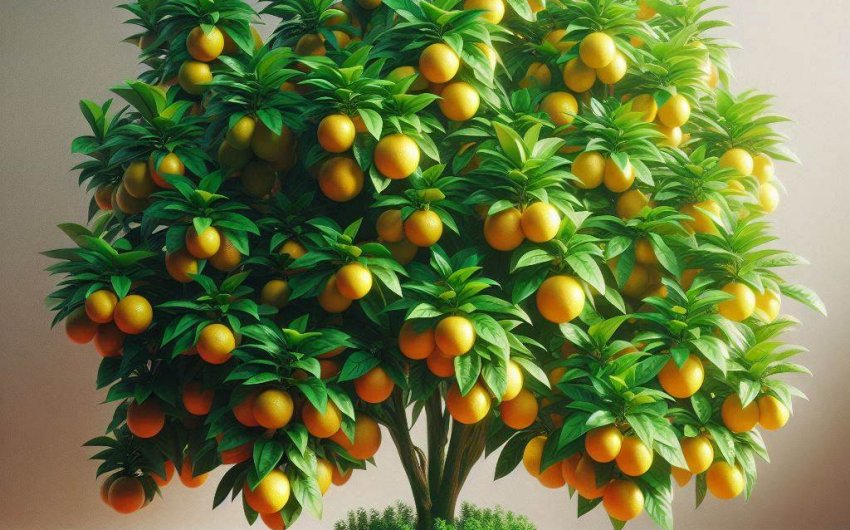
Growing citrus trees indoors in cold climates requires selecting dwarf varieties, providing ample direct sunlight (supplemented with grow lights), ensuring consistent humidity, and managing a specific watering and fertilization regimen. Mimicking their native subtropical environment is key to successful indoor cultivation.
Why Grow Citrus Trees Indoors in Cold Climates?
The idea of growing citrus trees indoors in cold climates might seem daunting, but it's a rewarding endeavor for many reasons. For gardeners living far from sun-drenched groves, cultivating these fragrant, fruit-bearing plants brings a touch of the tropics and a unique source of fresh produce right into their homes, making the effort truly worthwhile.
1. Fresh, Homegrown Fruit:
- Year-Round Harvest: Many indoor citrus varieties can produce fruit year-round or at least through the darker months, providing a fresh zest for cooking, drinks, or just enjoying.
- Unique Varieties: You can grow citrus varieties not readily available in local grocery stores.
2. Fragrant Blooms:
- Sensory Delight: Citrus flowers are incredibly fragrant, filling your home with a delightful, sweet scent, particularly in winter when outdoor blooms are scarce. This alone makes them a prized houseplant.
3. Lush Green Foliage:
- Tropical Aesthetic: The glossy, dark green leaves of citrus trees add a vibrant, tropical aesthetic to any indoor space, brightening up rooms, especially during dreary winter months.
4. Educational and Engaging Hobby:
- Rewarding Challenge: Successfully growing citrus trees indoors offers a satisfying challenge for plant enthusiasts. Learning their specific needs deepens your gardening knowledge.
- Observing Nature: It provides a continuous connection to nature, allowing you to observe the entire life cycle from bloom to fruit.
5. Pest Control (Natural and Contained):
- When grown indoors, you have more control over the environment, making it easier to monitor and manage pests compared to outdoor cultivation.
6. Adaptability for Cold Climates:
- Winter Protection: Growing citrus indoors is the only viable option for gardeners in regions with freezing winters. It provides the necessary protection from frost and extreme cold that these subtropical plants cannot endure.
- Porch to Indoors: Many citrus varieties thrive outdoors during the warm summer months and are then brought indoors before the first frost, allowing them to benefit from natural sunlight.
While it requires attention to specific environmental factors, successfully cultivating citrus trees indoors in cold climates transforms a hobby into a source of fresh fruit, captivating fragrance, and year-round beauty, making it a truly enriching experience.
Which Citrus Varieties Are Best for Indoor Growing?
Choosing the right citrus varieties is the first critical step when learning how to grow citrus trees indoors in cold climates. Not all citrus trees are equally suited for container life or the challenges of an indoor environment. Dwarf and thornless varieties are often the best choices.
1. Calamondin Orange (Citrus mitis):
- Why It's Great: Arguably the easiest and most popular indoor citrus. It's very adaptable to indoor conditions, tolerates lower light and humidity better than many other citrus, and is highly productive.
- Fruit: Small, tart, orange-like fruit used primarily for zest, juice, and marmalades. It's too tart to eat fresh.
- Bloom/Fruit Cycle: Often blooms and fruits year-round, providing continuous interest.
2. Meyer Lemon (Citrus × meyeri):
- Why It's Great: Another top choice. Easier to grow indoors than other lemons and produces abundant, fragrant fruit.
- Fruit: A cross between a lemon and a mandarin orange. It's less acidic and sweeter than a true lemon, with a thinner skin. Excellent for cooking, drinks, and fresh eating.
- Bloom/Fruit Cycle: Can bloom and fruit year-round, but often has peak seasons.
3. Kumquat (Citrus japonica):
- Why It's Great: Very ornamental, relatively compact, and tolerates cooler indoor temperatures better than some.
- Fruit: Small, oval-shaped fruit with a sweet rind and tart flesh. Unique in that you eat the entire fruit, peel and all.
- Bloom/Fruit Cycle: Often fruits heavily in winter.
4. Key Lime (Citrus aurantifolia):
- Why It's Great: Relatively small tree, good for containers, and yields tart, aromatic limes.
- Fruit: Small, highly acidic limes, perfect for pies, cocktails, and zest.
- Considerations: Can be a bit more sensitive to dry indoor air than calamondin or Meyer lemon.
5. Kaffir Lime (Citrus hystrix):
- Why It's Great: Grown primarily for its aromatic double leaves, which are essential in Southeast Asian cuisine. The fruit is very bumpy and has limited culinary use beyond the zest.
- Considerations: Can be somewhat thorny, but generally adaptable to indoor conditions.
6. Dwarf Sweet Oranges/Grapefruits:
- Why They're Great: If you want true oranges or grapefruits, look specifically for dwarf varieties grafted onto dwarfing rootstock. Standard varieties will get too large.
- Fruit: Classic sweet oranges or tart grapefruits.
- Considerations: Tend to be more challenging indoors, requiring more light and consistent warmth than calamondin or Meyer lemon.
Where to Buy:
- Look for "dwarf" or "container" citrus trees from reputable nurseries or online suppliers specializing in citrus. Dwarf Meyer Lemon Tree. Ensure they are grafted onto appropriate rootstock for container growing and disease resistance. Avoid growing from seed, as they take many years to fruit and may not be true to type.
By selecting these well-suited citrus varieties, you greatly increase your chances of success and abundant harvests when cultivating citrus trees indoors in cold climates.
What are the Sunlight Requirements for Indoor Citrus Trees?
Meeting the sunlight requirements is perhaps the single most critical factor when learning how to grow citrus trees indoors in cold climates. Citrus are sun-loving plants, and insufficient light is the leading cause of poor growth, leaf drop, and lack of fruiting.
1. Ample Direct Sunlight:
- Minimum: Citrus trees ideally need at least 6-8 hours of direct, unfiltered sunlight per day. More is always better.
- Southern Exposure: The best location for an indoor citrus tree is usually in front of a south-facing window (in the Northern Hemisphere) that receives direct sunlight for most of the day. East- or west-facing windows can also work if they get 6+ hours of direct sun. North-facing windows are almost never sufficient.
- Unobstructed Light: Ensure nothing outside (trees, buildings) or inside (curtains, blinds) blocks the light. Clean your windows regularly.
2. The Challenge of Winter Light in Cold Climates:
- Shorter Days: In cold climates, winter days are significantly shorter, and the sun's angle is lower. Even a south-facing window may not provide enough intensity or duration of light for a citrus tree to thrive, especially for continuous fruiting.
- Dormancy vs. Active Growth: If light levels are too low, citrus trees may try to go into a semi-dormant state, dropping leaves. However, indoor temperatures are often too warm for true dormancy, leading to a stressed plant.
3. The Necessity of Supplemental Grow Lights:
- Full Spectrum LED Grow Lights: For most indoor citrus in cold climates, supplemental grow lights are not optional; they are essential, especially from late fall through early spring.
- Type: Look for full-spectrum LED grow lights designed for plant growth. These are energy-efficient and provide the necessary light spectrum. A Full Spectrum LED Grow Light is a worthwhile investment.
- Intensity: Ensure the light is powerful enough (check PAR values if specified) and placed close enough to the plant (often 6-12 inches above the canopy) to be effective.
- Duration: Provide light for 10-14 hours per day using a timer.
- Benefits of Grow Lights: Mimic summer sun, prevent leaf drop, encourage blooming, and support fruit development during the darkest months.
4. Turning the Plant:
- Even Growth: Rotate your citrus tree periodically (e.g., once a week) to ensure all sides receive adequate light. This promotes even growth and prevents the tree from becoming leggy or lopsided, leaning towards the window.
By strategically placing your citrus tree for maximum natural light and supplementing with robust grow lights during the darker months, you can overcome the sunlight requirements challenge and successfully cultivate citrus trees indoors in cold climates.
What Type of Potting Mix is Best for Indoor Citrus Trees?
The type of potting mix is crucial for the health of your citrus trees indoors in cold climates, as proper drainage and aeration are paramount. Citrus roots are highly susceptible to root rot in soggy conditions.
1. Excellent Drainage:
- Non-Negotiable: Citrus trees absolutely hate "wet feet." The potting mix must allow excess water to drain quickly and completely. This prevents waterlogging, which starves roots of oxygen and leads to root rot – a common killer of indoor citrus.
- Good Aeration: The mix should be loose and airy, allowing oxygen to reach the roots.
2. Specific Qualities:
- Loose and Fast-Draining: Should not compact easily.
- Slightly Acidic: Citrus trees prefer a slightly acidic pH (typically 5.5-6.5). The potting mix should ideally contribute to or maintain this.
- Nutrient Holding: While fast-draining, it still needs to retain some moisture and nutrients.
3. Recommended Potting Mix Components:
You can purchase a specialized Citrus Potting Mix, which is usually pre-formulated for these needs, or you can mix your own for optimal control.
- Pine Bark Fines (or Orchid Bark):
- Purpose: The backbone of a good citrus mix. Provides excellent drainage, aeration, and helps maintain a slightly acidic pH. It also decomposes slowly.
- Quantity: Should make up a significant portion (e.g., 40-50%).
- Peat Moss or Coco Coir:
- Purpose: Adds moisture retention, some nutrient holding capacity, and contributes to a slightly acidic environment.
- Quantity: About 20-30%. Coco coir is more sustainable.
- Perlite or Pumice:
- Purpose: Improves drainage and aeration, prevents compaction. Perlite is lighter.
- Quantity: About 20-30%. Espoma Perlite is a common choice.
- Coarse Sand (Horticultural Grade):
- Purpose: Can add drainage and weight, but use sparingly. Avoid play sand or builder's sand, which can compact.
- Compost or Worm Castings (in moderation):
- Purpose: Adds a small amount of slow-release nutrients and beneficial microbes. Use well-aged material.
- Quantity: 5-10%.
What to Avoid:
- Standard Potting Soil: Too heavy, retains too much water, and compacts easily. It's often too fine for citrus.
- Garden Soil: Never use garden soil in pots. It introduces pests, diseases, compacts easily, and drains poorly.
Preparing Your Potting Mix:
- Mix all chosen components thoroughly to ensure even distribution.
- Lightly moisten the mix before use.
By using the right potting mix, you provide the essential foundation for citrus trees indoors in cold climates to develop healthy root systems and thrive.
How to Water Indoor Citrus Trees?
Watering indoor citrus trees correctly is arguably the trickiest aspect of their care when learning how to grow citrus trees indoors in cold climates. They need consistent moisture but are very sensitive to overwatering, which can quickly lead to root rot.
1. The "Finger Test" is Key:
- Avoid Schedules: Do not water on a fixed schedule. Instead, check the soil moisture regularly.
- How to Test: Stick your finger 2-3 inches deep into the potting mix.
- Water if Dry: If the soil feels dry at that depth, it's time to water.
- Wait if Moist: If it still feels moist, wait.
- Factors Affecting Frequency: Watering frequency will vary based on pot size, pot material, temperature, humidity, light levels, and the plant's growth stage. More light/warmth = more water. Less light/cooler temps = less water.
2. Water Thoroughly Until It Drains:
- Deep Watering: When you do water, do so deeply and thoroughly until water freely drains from the bottom of the pot. This ensures the entire root ball is moistened and prevents salt buildup.
- Slowly and Evenly: Water slowly to allow the potting mix to absorb the moisture. If you pour too fast, water can run out the sides or create channels without fully hydrating the mix. You might need to water in stages.
- Empty Saucer: Never let the pot sit in standing water in its saucer for more than 30 minutes, as this will lead to root rot. Empty the saucer promptly after watering.
3. Water Quality:
- Chlorine/Chloramine: If your tap water is heavily chlorinated, let it sit out for 24 hours before watering to allow the chlorine to dissipate. Chloramines (used in some areas) do not dissipate and may require a filter.
- Mineral Salts: Over time, mineral salts from tap water can build up in the soil. Periodically (e.g., every few months), give the plant a thorough "leaching" flush by slowly pouring water equal to double the pot's volume through the soil to wash out excess salts.
4. Seasonal Adjustments:
- Summer (Active Growth): During warm, sunny summer months (especially if moved outdoors), citrus trees will be actively growing and producing fruit. They will require more frequent watering, possibly daily or every other day.
- Winter (Indoor Rest): In winter, when light levels are lower and temperatures cooler, citrus trees slow down. They will require significantly less frequent watering. Overwatering in winter is a common cause of leaf drop and root rot.
5. Signs of Improper Watering:
- Overwatering: Yellowing leaves (often starting from the bottom), mushy stems, wilting (despite wet soil), leaf drop, a sour smell from the soil, stunted growth, or actual root rot.
- Underwatering: Drooping, brittle leaves, leaves curling inward, stunted growth, dry potting mix pulling away from the sides of the pot.
Mastering watering indoor citrus trees is fundamental to their survival and thriving, especially when growing citrus trees indoors in cold climates. Prioritize observation and consistency over rigid schedules.
How to Fertilize Indoor Citrus Trees?
Fertilizing indoor citrus trees is a consistent and essential part of their care when learning how to grow citrus trees indoors in cold climates. Unlike outdoor trees with access to broader soil nutrients, potted citrus quickly deplete the limited nutrients in their containers.
1. Why Fertilize Consistently:
- Heavy Feeders: Citrus trees are naturally heavy feeders, requiring a steady supply of nutrients, especially when actively growing and fruiting.
- Limited Soil Volume: Nutrients in potting mix are quickly used up or leach out with watering.
- Continuous Fruiting: Many indoor citrus varieties can flower and fruit multiple times a year, demanding continuous nutrient support.
2. What Type of Fertilizer to Use:
- Citrus-Specific Fertilizer: The best option is a Citrus Fertilizer specifically formulated for citrus trees. These typically have a balanced N-P-K ratio (Nitrogen-Phosphorus-Potassium) with an emphasis on nitrogen, and crucial micronutrients like iron, zinc, and manganese, which citrus are particularly prone to lacking.
- Acid-Loving Plant Fertilizer: If a citrus-specific fertilizer isn't available, an acid-loving plant fertilizer can be a substitute, as citrus prefer slightly acidic conditions.
- Organic vs. Synthetic: Both can work. Organic fertilizers (e.g., fish emulsion, kelp meal) release nutrients slowly and build soil health. Synthetic liquid fertilizers provide quick, precise nutrient delivery.
- Foliar Spray (Supplemental): Some micronutrient deficiencies (like iron chlorosis - yellowing leaves with green veins) can be quickly addressed with a foliar spray containing chelated micronutrients.
3. When and How Often to Fertilize:
- Growing Season Focus: Fertilize regularly during the active growing season, typically from early spring through late fall.
- Reduced/No Fertilization in Winter: Reduce or stop fertilizing during the colder, darker winter months (late fall to early spring) when the plant's growth naturally slows down. Fertilizing during dormancy can lead to salt buildup and root damage.
- Application Method and Frequency:
- Liquid Fertilizers: Most common for indoor citrus. Mix according to label directions and apply with your regular watering. Frequency can vary from every 1-2 weeks to monthly, depending on the product strength and plant vigor. Always start at half strength to avoid burn.
- Granular Fertilizers: Apply every 2-4 months as directed, gently scratching into the top inch of soil.
- Slow-Release Granular: Can be mixed into the potting mix during repotting for several months of continuous feeding.
4. Micronutrient Importance:
- Yellowing Leaves: If leaves are yellowing between the green veins, it's a classic sign of iron deficiency, a common problem for indoor citrus due to high soil pH or nutrient tie-up. Use a fertilizer with chelated iron or a dedicated iron supplement.
- Zinc/Manganese: Other common deficiencies can lead to mottled or stunted leaves. Citrus fertilizers are formulated to address these.
5. Always Water Before Fertilizing:
- Never apply fertilizer to dry soil, especially granular or synthetic liquid types, as this can burn the roots. Water the plant thoroughly a few hours before or just prior to fertilizing.
Consistent and appropriate fertilizing is crucial for preventing nutrient deficiencies, supporting lush foliage, and ensuring abundant flowering and fruit production from your citrus trees indoors in cold climates.
How to Manage Humidity for Indoor Citrus Trees?
Managing humidity is a significant, often overlooked, challenge when learning how to grow citrus trees indoors in cold climates. Citrus are native to subtropical and tropical regions where humidity is naturally high, while heated indoor environments in winter are notoriously dry. Low humidity can cause stress, leaf drop, and pest problems.
Why Humidity Matters:
- Transpiration: Plants release water vapor through their leaves (transpiration). In very dry air, they lose water too quickly, leading to stress.
- Leaf Health: Low humidity can cause leaf edges to turn brown and crispy.
- Pest Attraction: Dry conditions specifically favor certain pests like spider mites, which can quickly devastate citrus trees.
Signs of Low Humidity Stress:
- Crispy, brown leaf tips or edges.
- Leaves curling inward or downward.
- Bud blast (flower buds dropping before opening).
- Excessive leaf drop.
- Increased spider mite infestations.
Solutions for Increasing Humidity Around Indoor Citrus:
Pebble Tray:
- Method: Place the potted citrus tree on a shallow tray filled with pebbles and water. Ensure the bottom of the pot sits on the pebbles, not directly in the water, to prevent root rot.
- How it Works: As the water in the tray evaporates, it increases the humidity directly around the plant.
- Recommendation: A simple and effective method.
Humidifier:
- Method: Place a room humidifier near your citrus tree. LEVOIT Humidifier for Plants.
- How it Works: Directly adds moisture to the air.
- Pros: Most effective method for significantly raising humidity over a larger area.
- Cons: Requires refilling and cleaning.
Grouping Plants:
- Method: Place several houseplants close together.
- How it Works: As plants transpire, they collectively create a microclimate of higher humidity around each other.
- Pros: Simple, beneficial for all plants.
Misting (Limited Effectiveness & Caution):
- Method: Lightly mist the foliage with room-temperature water.
- How it Works: Provides a very temporary boost in humidity.
- Cons: The effect is short-lived. If done too frequently or heavily, especially in poor air circulation, it can promote fungal diseases on leaves. For citrus, which are susceptible to some fungal issues, this is generally not the primary recommended method. Use sparingly if at all.
Location Choice:
- Avoid Vents: Keep citrus trees away from heating vents, radiators, or fireplaces, which are sources of extremely dry, hot air.
Maintaining adequate humidity is crucial for preventing stress and pest outbreaks, making it a vital aspect of successfully cultivating citrus trees indoors in cold climates.
How to Prune Indoor Citrus Trees?
Pruning indoor citrus trees is important for maintaining their size and shape, encouraging bushy growth, improving air circulation, and promoting more fruit production. It's a key part of how to grow citrus trees indoors in cold climates.
Why Prune Indoor Citrus:
- Size Management: Keeps the tree compact and manageable for indoor spaces.
- Shape: Creates an attractive, balanced form.
- Air Circulation: Removes dense growth, which reduces humidity around leaves and helps prevent fungal diseases and pest hiding spots.
- Promotes Fruit/Flower Production: Directs the plant's energy into new, productive growth rather than unproductive branches.
- Removes Unhealthy Growth: Eliminates dead, diseased, or crossing branches.
When to Prune:
- Active Growth: The best time to prune is usually in late winter or early spring, just before a flush of new growth begins, or after a heavy harvest. This allows the plant to quickly recover and put out new growth.
- Minor Pruning: Light pruning for shape or to remove a few problematic branches can be done at any time.
- Avoid Heavy Pruning in Fall/Early Winter: Don't do heavy pruning right before the plant goes into its winter rest period, as new growth might be susceptible to cold (if moved outdoors) or weak due to low light.
How to Prune:
- Gather Tools: Use clean, sharp bypass pruning shears or snips. Fiskars Micro-Tip Pruning Snips are good for smaller branches.
- Remove Dead, Damaged, or Diseased Branches: Always start here. Cut back to healthy wood.
- Eliminate Suckers and Water Sprouts:
- Suckers: Growth coming from below the graft union (the knobby part on the lower trunk where the desired citrus variety is joined to the rootstock). These are unproductive and will take energy from your desired citrus. Cut them flush with the trunk.
- Water Sprouts: Vigorous, upright, often thorny shoots that grow rapidly from the main branches or trunk. They are often unproductive and can detract from the tree's shape. Remove them or pinch back their tips to encourage branching if you want to integrate them.
- Shape and Thin (General Pruning):
- Maintain Open Canopy: Remove any branches that are crossing, rubbing, or growing inward towards the center of the tree. This improves air circulation and light penetration.
- Prune for Bushiness: To encourage a bushier, fuller tree, you can pinch or snip off the tips of branches just above a leaf or bud. This causes two new shoots to emerge from that point.
- Manage Height: If the tree is getting too tall for your indoor space, you can prune back taller branches to a desired height, cutting just above a leaf or a strong outward-facing bud.
- Remove Fruit (Optional): For young trees (1-2 years old), it's often recommended to remove all fruit for the first year or two. This allows the tree to put all its energy into establishing a strong root system and good canopy development, leading to more productive fruiting in later years.
Important Considerations:
- Thorns: Be aware that many citrus varieties have thorns, especially on new growth. Wear gloves.
- Sterilize Tools: Clean your pruning tools with rubbing alcohol or a bleach solution before and after pruning, especially if pruning multiple plants.
By regularly and thoughtfully pruning, you maintain the health, appearance, and productivity of your citrus trees indoors in cold climates, ensuring they remain a joy to grow.
How to Manage Pests and Diseases on Indoor Citrus Trees?
Managing pests and diseases is a common challenge when learning how to grow citrus trees indoors in cold climates. The stable indoor environment can sometimes be ideal for pests, and specific conditions can lead to disease. Early detection and consistent management are key.
Common Pests on Indoor Citrus:
- Spider Mites:
- Signs: Tiny dots on leaves (stippling), fine webbing, especially in dry, warm conditions.
- Control: Increase humidity, physically hose down the plant (if possible), apply Neem Oil for Plants or insecticidal soap. Repeat often.
- Mealybugs:
- Signs: White, cottony masses in leaf axils, on stems, or under leaves; sticky honeydew.
- Control: Dab directly with cotton swabs dipped in 70% isopropyl rubbing alcohol. Follow up with Neem oil or insecticidal soap.
- Scale Insects:
- Signs: Small, round or oval, immobile brown or white bumps on stems and leaves; sticky honeydew.
- Control: Scrape off manually with a fingernail or old toothbrush/cotton swab dipped in rubbing alcohol. Follow up with Neem oil or horticultural oil to smother crawlers.
- Aphids:
- Signs: Small, soft-bodied insects (green, black, orange) clustered on new growth; distorted leaves, sticky honeydew.
- Control: Blast off with water (gently), apply insecticidal soap or Neem oil.
- Fungus Gnats:
- Signs: Tiny, dark, mosquito-like flies hovering around soil; often indicates consistently wet soil. Larvae feed on roots.
- Control: Allow soil to dry out completely between waterings. Use yellow sticky traps for adults. Apply Mosquito Bits in water for larval control.
Common Diseases on Indoor Citrus:
- Sooty Mold (Fungal):
- Signs: Black, powdery film on leaves and stems.
- Cause: Grows on honeydew excreted by sap-sucking pests (mealybugs, aphids, scale, whiteflies). It doesn't directly harm the plant but blocks sunlight.
- Control: Treat the underlying pest infestation. Once pests are gone, the sooty mold will dry and flake off, or can be gently wiped away with a damp cloth.
- Root Rot (Fungal):
- Signs: Yellowing leaves, sudden leaf drop, wilting (despite wet soil), mushy trunk base, sour/rotting smell from soil.
- Cause: Overwatering and poor drainage.
- Control: Unpot, trim off mushy/black roots, repot into fresh, well-draining citrus mix. Allow to dry before next watering. Prevent by never overwatering.
General Pest and Disease Control Principles:
- Prevention is Key:
- Quarantine New Plants: Always isolate new plants for a few weeks to watch for pests.
- Optimal Care: A healthy, well-cared-for citrus tree is more resistant to pests and diseases. Provide adequate light, proper watering, and balanced fertilization.
- Good Air Circulation: Don't overcrowd plants.
- Regular Inspection: Inspect your citrus tree weekly, paying close attention to leaf axils, undersides of leaves, and new growth. A magnifying glass can be useful.
- Act Early: Address pest issues as soon as you spot them. Small infestations are much easier to control.
- Physical Removal: Manual removal is often the safest and first line of defense.
- Organic/Low-Toxicity Sprays: Prioritize Neem oil, insecticidal soap, or horticultural oils. Always test on a small leaf first.
- Wipe Down: Regularly wipe down smooth leaves to remove dust and dislodge potential pests.
By being vigilant and consistent in your management, you can successfully navigate pests and diseases and ensure your citrus trees indoors in cold climates remain healthy and productive.
How to Repot Indoor Citrus Trees?
Repotting indoor citrus trees is an important part of their long-term care when learning how to grow citrus trees indoors in cold climates. It provides fresh nutrients, accommodates root growth, and helps maintain a healthy growing environment.
When to Repot:
- Frequency: Young, fast-growing citrus trees may need repotting every 1-2 years. More mature trees, or those that have reached their desired size, might only need repotting every 2-3 years, or simply a top-dressing of fresh potting mix.
- Signs the Tree Needs Repotting:
- Roots Growing Out of Drainage Holes: A clear indicator of being root-bound.
- Water Running Straight Through: If water drains immediately without seeming to soak in, the soil may be too compacted or roots are too dense.
- Stunted Growth/Lack of Vigor: Despite proper watering and fertilization.
- Increased Watering Needs: Drying out unusually fast.
- Potting Mix Degradation: Potting mix breaks down over time, becoming compacted and less aerated.
What Size Pot to Choose:
- Gradual Increase: When repotting, only go up one pot size (e.g., from a 10-gallon to a 15-gallon, or 12-inch diameter to 14-inch diameter).
- Why: Moving to a much larger pot too quickly means there's a large volume of soil that stays wet for too long, increasing the risk of overwatering and root rot.
Step-by-Step Repotting Process:
- Gather Supplies:
- New pot (one size up, with drainage holes).
- Fresh, well-draining citrus potting mix.
- Pruning shears (clean and sharp).
- Tarp or newspaper to protect your workspace.
- Watering can.
- Prepare the New Pot:
- Ensure the new pot is clean. If reusing, wash thoroughly.
- Place a screen or piece of landscape fabric over the drainage holes to prevent soil from washing out. Do NOT add gravel or pot shards at the bottom.
- Add a layer of fresh potting mix to the bottom of the new pot. The amount should allow the top of the citrus tree's root ball to be about 1-2 inches below the rim of the new pot.
- Remove the Citrus Tree from Its Old Pot:
- Gently tip the old pot on its side. If the plant is stuck, you may need to gently wiggle it or tap the sides. Avoid pulling the tree out by its trunk.
- If the pot is a soft grow bag, you can cut it away.
- Inspect and Loosen Roots:
- Examine the root ball. If it's densely circled, gently loosen some of the outer roots with your fingers or a clean garden fork. This encourages them to grow into the new soil.
- Trim any dead, mushy, or circling roots with clean shears.
- Place Tree in New Pot:
- Center the tree in the new pot. Ensure the root collar (where the trunk meets the roots) is at the same level as it was in the old pot, or slightly higher if the old soil has settled. Do not bury the graft union (the swollen part on the trunk).
- Fill with Potting Mix:
- Gently fill around the root ball with fresh potting mix, working it down to eliminate large air pockets. Do not heavily compact the soil. Leave 1-2 inches of space between the soil surface and the rim of the pot for watering.
- Water Thoroughly:
- Water the newly repotted citrus deeply until water drains from the bottom. This settles the soil around the roots.
- Post-Repotting Care:
- Place the tree in its usual bright spot.
- Avoid fertilizing for about 4-6 weeks to allow the roots to settle and new feeder roots to develop.
- Monitor watering closely, as newly repotted plants may need slightly less frequent watering until roots grow into the new soil.
Regular repotting helps ensure the long-term health and productivity of your citrus trees indoors in cold climates.