
How to Make a Worm Farm for Easy Composting?
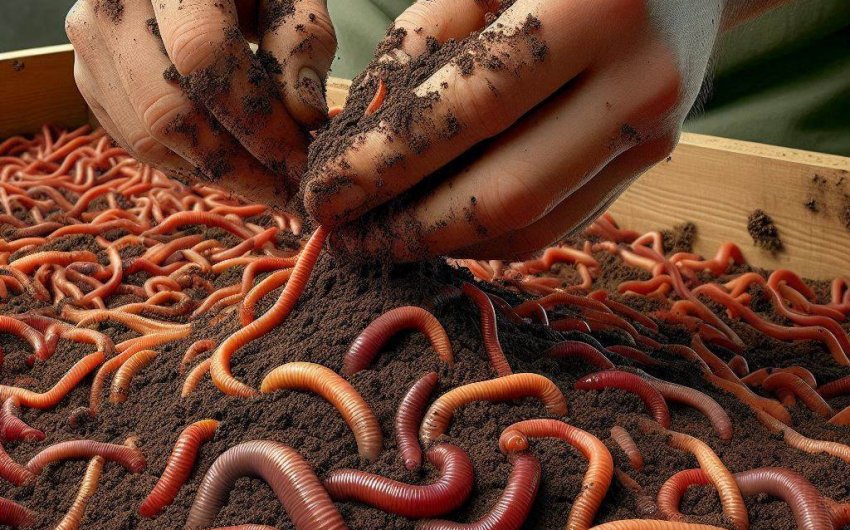
Making a worm farm for easy composting involves creating a suitable habitat for composting worms, typically using a stackable bin system or a simple single-level bin. The process is remarkably efficient for breaking down kitchen scraps into nutrient-rich vermicompost and liquid "worm tea" using very little effort.
What is a Worm Farm (Vermicomposting) and Why Make One?
A worm farm, also known as a vermicompost bin, is a contained system where specific types of worms (composting worms) are used to break down organic waste, primarily kitchen scraps, into nutrient-rich fertilizer called vermicompost or worm castings. It's a fantastic way to compost, especially for urban dwellers or those with limited outdoor space.
What is Vermicomposting?
Vermicomposting is a natural process of decomposition and recycling organic waste through the use of worms. Unlike traditional hot composting, vermicomposting is a cooler, continuous process driven by the worms and the microorganisms in their guts.
- The Stars of the Show: Not just any earthworm will do! You need specific composting worms. The most common and effective are Red Wigglers (Eisenia fetida) and European Nightcrawlers (Eisenia hortensis). These worms thrive in confined spaces, reproduce quickly, and are voracious eaters of organic matter.
- The End Products:
- Worm Castings (Vermicompost): The nutrient-rich excrement of worms, resembling fine, dark soil. It's an incredibly potent and beneficial soil amendment.
- Worm Tea (Leachate): The liquid that drains from the worm bin. It's not a true "tea" (which is brewed from castings) but rather a liquid byproduct. It can be diluted and used as a liquid fertilizer.
Why Make a Worm Farm? (Benefits of Vermicomposting)
Making and maintaining a worm farm offers a multitude of benefits for both the gardener and the environment:
- Produces High-Quality Fertilizer (Worm Castings):
- Worm castings are a superior soil amendment, often called "black gold." They are packed with plant-available nutrients (nitrogen, phosphorus, potassium, micronutrients), beneficial microbes, enzymes, and plant growth hormones.
- They improve soil structure, aeration, drainage, and water retention, leading to healthier, more vigorous plant growth.
- Castings are odor-free and won't burn plants, making them safe for direct application.
- Reduces Household Waste:
- Diverts kitchen scraps (fruit and vegetable peels, coffee grounds, tea bags, etc.) from landfills, significantly reducing your household's organic waste output.
- This lessens the environmental impact of waste disposal and reduces methane emissions from landfills.
- Space-Efficient:
- Worm farms can be very compact. They fit well on balconies, patios, in garages, basements, or even under kitchen sinks, making them ideal for urban and small-space living.
- Unlike traditional compost piles, they don't require large outdoor areas.
- Odor-Free (When Managed Correctly):
- A healthy worm bin with proper aeration and feeding practices should have a pleasant, earthy smell, or no smell at all. Unpleasant odors indicate a problem that needs addressing.
- Pest-Resistant (When Managed Correctly):
- A well-maintained, enclosed worm bin minimizes attraction to rodents, flies, and other undesirable pests, unlike open compost piles.
- Educational for All Ages:
- Worm farming is a fascinating, hands-on learning experience for children and adults alike, teaching about decomposition, ecosystems, and sustainable living.
- Low Maintenance:
- Once established, a worm farm requires relatively little effort. Regular feeding and occasional harvesting are the main tasks.
- "Worm Tea" as Liquid Fertilizer:
- The leachate collected from the bottom of some bins provides a diluted liquid fertilizer for houseplants or garden plants.
A worm farm is an efficient, environmentally friendly, and incredibly rewarding way to turn kitchen waste into a powerful natural resource for your garden.
What Materials and Tools Do I Need to Build a Worm Farm?
Building a basic worm farm for easy composting is a straightforward DIY project that requires only a few common materials and basic tools. You can choose from a simple single-level bin or a more efficient multi-level system.
Option 1: Basic Single-Level Worm Bin (DIY Tote Bin)
This is a great starting point for beginners, utilizing readily available plastic storage totes.
Materials:
- Two opaque plastic storage totes/bins: Choose bins that are similar in size, roughly 10-15 gallons (40-60 liters) capacity. Opaque (dark-colored) bins are preferred as worms avoid light. Sterilite 18 Gallon Tote is a common size.
- One lid for the top tote.
- Newspaper or shredded cardboard: For bedding material.
- Kitchen scraps: For worm food.
- Composting Worms: Red Wigglers are highly recommended. You'll need about 1-2 pounds (0.5-1 kg) for a bin this size. Live Red Wigglers can be ordered online.
- Small amount of soil or finished compost (optional): To introduce beneficial microbes.
- Bricks or wooden blocks (optional): To elevate the bottom bin.
Tools:
- Drill: With a 1/4 inch to 1/2 inch drill bit.
- Measuring tape or ruler.
- Marker.
Option 2: Multi-Level Stackable Worm Bin (DIY or Commercial)
This design is more efficient for harvesting castings and is often preferred as your worm colony grows. Commercial versions are widely available.
Materials:
- Three or more opaque plastic storage totes/bins: All identical in size, approximately 10-15 gallons (40-60 liters).
- One lid for the top bin.
- One spigot (optional): For the bottom leachate collection bin. Plastic Spigot
- Newspaper or shredded cardboard: For bedding.
- Kitchen scraps: For worm food.
- Composting Worms: Red Wigglers.
- Small amount of soil or finished compost (optional).
- Bricks or wooden blocks (optional): To elevate the entire system.
Tools:
- Drill: With a 1/4 inch to 1/2 inch drill bit, and potentially a larger spade bit or hole saw if adding a spigot.
- Marker.
- Measuring tape or ruler.
- Scissors or box cutter: For cutting holes in the bin bottoms if not using a commercial system.
Commercial Worm Bin Options:
If you prefer to buy a ready-made system, popular choices include:
These typically come with all the necessary trays and a spigot, simplifying the setup process.
Gathering these materials before you begin will ensure a smooth and successful construction of your worm farm.
How Do I Build a Single-Level Worm Farm (DIY Tote Bin)?
Building a simple single-level worm farm using plastic totes is a great way to start vermicomposting. It's inexpensive, easy to construct, and effective for processing a decent amount of kitchen scraps.
Step 1: Prepare the Bins
- Select Two Opaque Totes: Choose two identical opaque (dark-colored) plastic storage totes, roughly 10-15 gallons (40-60 liters) in capacity. One will be the working bin, the other will be the leachate collection bin.
- Drill Holes in the Top (Working) Bin:
- Bottom Drainage Holes: In the bottom of one of the totes (this will be your working bin, where the worms live), drill approximately 15-20 holes, each about 1/4 to 1/2 inch in diameter. Distribute these holes evenly across the entire bottom surface. These holes allow excess moisture (leachate) to drain into the bottom bin and provide some airflow.
- Side Air Holes (Optional but Recommended): Drill a few rows of smaller holes (e.g., 1/4 inch) near the top edges of the working bin, just below the rim. These provide crucial cross-ventilation, helping to prevent anaerobic (stinky) conditions.
- Drill Holes in the Lid:
- In the lid that will cover your working bin, drill 10-15 holes, each 1/4 to 1/2 inch in diameter. These provide essential ventilation to the top of the bin.
Step 2: Assemble the Bin System
- Position the Bottom Bin: Place the tote that has no holes on the ground (or on bricks/blocks for elevation). This bin will collect any liquid (leachate) that drains from the worm bin above.
- Stack the Working Bin: Place the tote with all the drilled holes directly on top of the bottom, solid tote.
- Place the Lid: Put the drilled lid on top of the working bin.
Step 3: Prepare the Worm Bedding
The bedding is the worms' home. It needs to be moist and airy.
- Shred Materials: Shred plain, uncolored newspaper (avoid glossy inserts), corrugated cardboard (remove tape/labels), or a mix of both. You can also use coco coir or peat moss.
- Moisten: Place the shredded bedding material into a bucket and moisten it thoroughly with water. It should be damp like a wrung-out sponge, not soaking wet.
- Add to Bin: Fluff up the damp bedding and add it to the working bin until it's about 6-8 inches deep. Don't pack it down tightly; keep it airy.
- Add Grit (Optional but Recommended): Sprinkle a handful of garden soil, sand, or crushed eggshells over the bedding. This provides grit for the worms' gizzards, which helps them digest food.
Step 4: Add the Worms
- Introduce Worms: Gently place your composting worms (Red Wigglers or European Nightcrawlers) on top of the prepared bedding.
- Let Them Settle: Leave the lid off for about 15-30 minutes. The worms will naturally burrow down into the bedding to escape the light. This confirms they're happy and healthy.
- First Meal: After they've burrowed, you can add a small amount of kitchen scraps (see feeding guidelines) into one corner of the bin, just under the bedding.
Step 5: Place in a Suitable Location
- Temperature: Worms prefer temperatures between 55-77°F (13-25°C).
- Location: Keep the bin in a cool, shady spot in your garden, a garage, basement, or even under a sink indoors. Avoid direct sunlight or freezing temperatures.
Your single-level worm farm is now ready for easy composting! Remember to maintain proper moisture and feed them regularly.
How Do I Build a Multi-Level Stackable Worm Farm?
A multi-level stackable worm farm is a popular and efficient design that simplifies the harvesting of worm castings. Worms naturally migrate upwards, following new food, leaving finished compost behind in the lower trays. You can build one yourself or buy a commercial version.
Step 1: Prepare the Bins
- Select Three or More Opaque Totes: Choose identical opaque (dark-colored) plastic storage totes, roughly 10-15 gallons (40-60 liters) in capacity.
- Prepare the Bottom (Leachate) Bin:
- One tote will be the base. This bin needs NO holes drilled in it.
- (Optional) Add a Spigot: If you want to easily drain "worm tea," drill a hole near the bottom corner of this bin, just large enough to fit a spigot. Install the spigot, ensuring a watertight seal with washers.
- Prepare the Middle/Working Bins (Trays):
- For two or more of the remaining totes, drill numerous holes in the bottom of each bin. Aim for 20-30 holes, about 1/4 to 1/2 inch in diameter, evenly distributed across the entire bottom surface. These holes allow worms to move between layers and for leachate to drain.
- Drill Air Holes in the Lid: Drill 10-15 holes (1/4 to 1/2 inch) in the lid that will cover the top working bin.
Step 2: Assemble the System
- Elevate the Base: Place the solid, bottom bin (leachate collector) on bricks or wooden blocks to elevate it off the ground. This allows space for the spigot if you installed one, and provides airflow around the bin.
- Stack the First Working Bin: Place one of the drilled-bottom bins directly on top of the leachate collector. This will be your first working tray.
- Prepare Bedding and Add Worms:
- Add 6-8 inches of pre-moistened, shredded bedding (newspaper, cardboard) to the first working tray. It should be damp like a wrung-out sponge and fluffed up.
- Add a handful of garden soil or grit.
- Gently introduce your composting worms (Red Wigglers) onto the bedding. Leave the lid off for 15-30 minutes to allow them to burrow down.
- Add First Food Scraps: After the worms have burrowed, add a small amount of kitchen scraps (e.g., a few banana peels, apple cores) to one corner of the first working tray, just under the bedding.
- Place the Lid: Put the drilled lid on top of this initial working tray.
Step 3: Progressive Feeding and Stacking
- Start with One Tray: Begin with just the first working tray. Feed the worms regularly, burying food scraps under the bedding.
- Add Second Tray: Once the first tray is nearly full of processed food scraps and bedding (it will start to look like rich, dark soil), prepare the second drilled-bottom bin by adding a layer of fresh, moistened bedding on its bottom.
- Stack It: Place the second bin directly on top of the first, full working tray.
- Continue Feeding: Start adding new food scraps only to the second (top) tray. The worms in the bottom tray will continue to process the remaining food and bedding there. Over time, as they seek new food, they will migrate upwards through the holes into the second tray.
- Add More Trays: Repeat this process as needed, adding more drilled bins on top as the lower ones fill up.
Step 4: Harvesting Castings
- Once the lowest tray is mostly full of dark, crumbly worm castings (with very few worms remaining, as they've migrated up), it's ready to harvest. Simply lift off the upper trays, remove the finished casting tray, empty it, and then place the upper trays back down.
- Harvest "worm tea" from the bottom leachate bin as it accumulates. Dilute it before using on plants.
Building a multi-level worm farm effectively creates a self-harvesting system that makes collecting your valuable vermicompost a breeze.
How Do I Feed My Worms and What Can They Eat?
Proper feeding is crucial for a healthy and productive worm farm. Understanding what composting worms can eat, how much, and how to prepare it will keep your worm colony thriving and prevent odors or pests.
What Worms Eat (The "Green" List)
Composting worms are primarily vegetarian. They excel at breaking down fruit and vegetable scraps.
- Fruit and Vegetable Scraps: This is their main diet.
- YES: Fruit peels and cores (apples, bananas, pears, grapes, berries), vegetable scraps (carrot peels, lettuce, kale, broccoli stems, potato skins), non-citrus melon rinds.
- Preparation: Chop larger pieces into smaller chunks (1-2 inches) to speed up decomposition. Worms don't have teeth; they rely on microbes to soften food.
- Coffee Grounds: Excellent worm food. They are a good nitrogen source and a bit gritty, which helps worms digest food. Add in moderation.
- Tea Bags: Unbleached tea bags (without staples) are fine.
- Crushed Eggshells: Provide grit for the worms' gizzards, aiding digestion. They also add calcium. Crush them finely before adding.
- Starchy Items (in moderation): Plain bread (no oil/butter/cheese), pasta, rice (cooked or uncooked) can be added in small amounts. Too much can lead to odors or attract pests.
- Small amounts of Dead Leaves or Grass Clippings: Can be added, but primarily for bedding.
What Worms CANNOT Eat (Avoid These!)
Avoiding these items is critical to prevent odors, pests, and harm to your worms.
- Meat, Bones, Fish: Will putrefy, create terrible odors, and attract rodents and flies.
- Dairy Products: Milk, cheese, yogurt, butter. Will rot, stink, and attract pests.
- Oils, Greases, Fatty Foods: Will become rancid, create odors, and can coat worms, interfering with their breathing.
- Citrus Peels (in large quantities): Orange, lemon, lime, grapefruit peels. Can make the bin too acidic for worms and are slow to break down. Small amounts are generally okay.
- Onions and Garlic: Can repel worms in large quantities and produce strong odors. Small amounts are generally okay.
- Hot Peppers: Can irritate worms.
- Human or Pet Waste: Carries pathogens that can be harmful.
- Diseased Plants: Don't add plants with diseases that could spread.
- Treated Wood/Sawdust: May contain harmful chemicals.
- Plastics, Metals, Synthetics: Non-biodegradable.
How Much to Feed and How Often?
- Start Small: When you first introduce worms, start with very small amounts of food (e.g., a handful every few days). It takes time for them to adjust and for their population to grow.
- Worm-to-Food Ratio: A general rule is that worms can eat about half their body weight in food per day. So, 1 pound of worms can eat about 1/2 pound of food per day. This means 1 pound of worms can handle 3.5 pounds of food per week.
- Observe Digestion: The best way to know how much to feed is to observe.
- If food disappears quickly and the bin smells earthy, you can increase feeding.
- If food is sitting around for days, smells bad, or attracts flies, you're overfeeding.
- Burial Method: Always bury food scraps directly into the bedding. Dig a small hole, add the food, and cover it completely with bedding. This helps prevent odors and deters pests. Rotate feeding locations around the bin.
- Frequency: Typically, you'll feed worms every 2-3 days, depending on how much food waste you generate and how quickly they process it.
Proper feeding practices are key to a thriving, odor-free worm farm that produces abundant vermicompost.
How Do I Maintain a Healthy Worm Farm Environment?
Maintaining the right environment within your worm farm is critical for the health of your worm colony and the efficiency of the composting process. It's all about balancing moisture, aeration, and temperature.
1. Moisture (The "Wrang-Out Sponge" Rule)
- Ideal: The bedding and food in your worm bin should be consistently damp, like a wrung-out sponge. Not soggy, not dry.
- Why it's Important: Worms breathe through their skin, and they need moisture to do so. Too dry, and they suffocate; too wet, and they drown (or conditions become anaerobic).
- How to Maintain:
- Mist Regularly: If the bin feels dry, mist it lightly with water from a spray bottle.
- Add Wet Scraps: If it's too dry, add some extra moist food scraps (e.g., melon rinds).
- Add Dry Bedding: If it's too wet, add more dry, shredded newspaper or cardboard to absorb excess moisture.
- Drain Leachate: If your bin has a leachate collection tray at the bottom, regularly drain any liquid that accumulates. Don't let the bottom bin overflow.
2. Aeration (Oxygen is Key!)
- Ideal: Worms and the beneficial microbes involved in decomposition need oxygen.
- Why it's Important: A lack of oxygen leads to anaerobic conditions, which cause foul odors (rotten eggs, sour), slow down decomposition, and can harm your worms.
- How to Maintain:
- Fluff Bedding: Regularly fluff up the bedding with your hands or a small hand rake.
- Don't Compact: Avoid packing down the bedding or food scraps too tightly.
- Proper Holes: Ensure your bin has sufficient ventilation holes on the sides and lid (as per the building instructions).
- Balance Materials: Mixing "greens" (food scraps) with "browns" (bedding) helps create air pockets and prevent compaction.
3. Temperature
- Ideal Range: Composting worms thrive in temperatures between 55-77°F (13-25°C).
- Why it's Important: Temperatures outside this range can stress, sicken, or kill your worms.
- How to Maintain:
- Location, Location, Location: Place your worm bin in a cool, shady spot in your garden, a garage, basement, laundry room, or even under a sink indoors.
- Avoid Extremes:
- Heat: Do not place in direct sunlight, next to heat vents, or in areas that regularly exceed 85°F (30°C). During heat waves, you might need to move the bin indoors, add frozen water bottles to the bin, or bury it partially in the ground.
- Cold: Protect from freezing temperatures. Bring indoors during winter in cold climates. Worms will become sluggish below 50°F (10°C) and die if frozen.
4. pH Balance (Generally Self-Regulating)
- Ideal: Worms prefer a neutral pH (around 7.0).
- Why it's Important: Extreme acidity or alkalinity can harm worms.
- How to Maintain:
- Balanced Diet: Sticking to the "what worms can/cannot eat" guidelines is usually sufficient. Avoiding large quantities of acidic foods (citrus, onions) helps.
- Grit: Adding crushed eggshells provides calcium carbonate, which acts as a pH buffer.
- Aeration: Good aeration prevents acidic anaerobic conditions.
5. Pest Prevention (Naturally Derived from Good Maintenance)
- Flies/Odors: Are almost always a sign of overfeeding, too much moisture, or insufficient aeration. Fix these issues, and flies/odors will disappear.
- Rodents: A well-sealed, enclosed bin (especially one without meat/dairy/oils) is crucial. Bury all food scraps.
- Mites/Other Small Bugs: Small, harmless mites are common in worm bins and usually indicate a healthy system. If populations explode, it's often a sign of overfeeding or too much moisture.
Regular monitoring and quick adjustments to these environmental factors will ensure your worm farm remains a happy, healthy, and productive composting system.
How Do I Harvest Worm Castings and Worm Tea?
Harvesting the valuable worm castings and "worm tea" (leachate) is the rewarding culmination of your vermicomposting efforts. The method depends on the type of worm bin you have.
Harvesting Worm Castings (Vermicompost)
This is the nutrient-rich "black gold" you've been waiting for.
For Multi-Level Stackable Bins (Easiest Method):
This system is designed for easy harvesting.
- Stop Feeding Lowest Tray: Once your bottom-most active tray (e.g., the first one you started filling) appears mostly full of dark, crumbly material and you notice fewer worms, stop adding food to it. Continue adding food only to the top active tray.
- Encourage Migration: The worms will naturally migrate upwards to the newest food source in the upper trays through the holes in the tray bottoms. This takes about 2-4 weeks.
- Harvest: After most worms have moved up, simply lift off the upper trays. The bottom-most tray should contain mostly finished, worm-free castings. Empty these into a separate container.
- Return Worms: You may find a few stubborn worms or cocoons in the harvested castings. You can pick them out and return them to the active bin, or simply add them to your garden, where they'll be happy too.
- Reassemble: Place the empty (or re-bedded) tray back on the bottom of the stack, and then restack the active trays on top.
For Single-Level Bins (More Manual Methods):
These methods require a bit more effort but are effective.
- "Migration" Method (Side-to-Side or One-Half):
- Stop feeding the entire bin for a week or two, then push all the finished compost to one side of the bin.
- Add fresh bedding and food scraps to the empty side.
- The worms will migrate to the new food over 2-4 weeks.
- Once most worms are on the "new food" side, you can scoop out the finished castings from the "old food" side.
- "Light" Method (Cone/Pyramid Method):
- Dump the contents of your bin onto a plastic tarp or newspaper in a bright area (indoors or in indirect sunlight).
- Form the compost into small, cone-shaped piles.
- As the light irritates the worms, they will burrow downwards into the center of the cone.
- Carefully scrape off the top layers of finished castings (which should be mostly worm-free).
- Wait a few minutes, and the worms will burrow deeper again. Repeat scraping off the top layers until you are left with a concentrated ball of worms at the bottom.
- Return the worms to your cleaned bin with fresh bedding and food.
Using Worm Castings:
- Potting Mix: Mix 10-20% castings into your potting soil for container plants or seed starting.
- Top Dressing: Sprinkle a thin layer (1/2 inch) around the base of plants in your garden or houseplants.
- Compost Tea (Brewed): Steeping castings in aerated water creates a potent liquid fertilizer.
Harvesting and Using Worm Tea (Leachate)
- What it is: The liquid that drains from your worm bin (leachate). It's a byproduct, not a "tea" brewed from castings.
- Collection: If your bin has a spigot at the bottom, simply open it to drain the liquid into a container. If not, the liquid collects in the bottom, solid bin (for single-level systems) and can be poured out.
- Dilution: Leachate can be very concentrated. It's always best to dilute it with water before using, typically at a ratio of 1:10 (1 part leachate to 10 parts water) or even 1:20.
- Usage: Use the diluted worm tea as a liquid feed for garden plants, houseplants, or seedlings. It provides a quick nutrient boost.
- Storage: Use leachate within a day or two of collection. It can go anaerobic and smelly if stored for too long without aeration.
By regularly harvesting these valuable products, you close the loop in your organic garden, turning kitchen waste into powerful, natural plant food, all thanks to your hard-working worm farm.