
Grow Green: The Ultimate Guide to Sustainable Indoor Plant Care
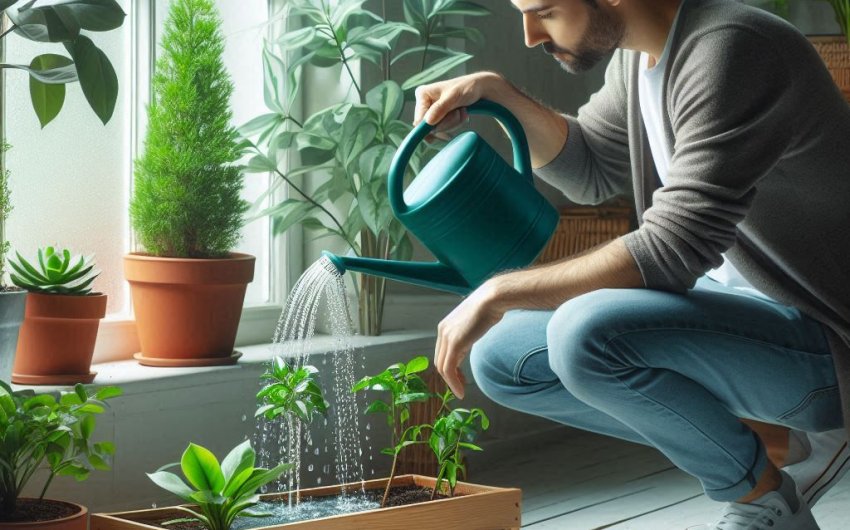
Sustainable indoor plant care is an approach to nurturing houseplants that minimizes environmental impact by reducing waste, conserving resources, and opting for eco-friendly practices and products. It focuses on long-term plant and planetary health, transforming your indoor gardening hobby into a force for good.
Why is Sustainable Indoor Plant Care More Important Than Ever?
As interest in indoor plants grows, so does the potential environmental footprint of our beloved hobby. Embracing sustainable indoor plant care is crucial for mitigating this impact and contributing to a healthier planet.
What's the Environmental Impact of Traditional Plant Hobbies?
While bringing nature indoors is beneficial, traditional plant care practices can sometimes inadvertently contribute to environmental issues:
- Peat Harvesting: Many conventional potting mixes rely heavily on peat moss, a non-renewable resource extracted from peatlands. Peatlands are vital carbon sinks and unique ecosystems, and their destruction releases vast amounts of stored carbon into the atmosphere, contributing to climate change.
- Plastic Waste: The horticulture industry generates significant plastic waste from nursery pots, labels, packaging, and single-use plant care products. Much of this plastic ends up in landfills.
- Chemical Fertilizers and Pesticides: Synthetic fertilizers are energy-intensive to produce and can lead to salt buildup in soil, harming plants and potentially polluting waterways if disposed of improperly. Chemical pesticides can be harmful to beneficial insects (if used outdoors) and can leave residues.
- Resource Consumption: Excessive water use, energy for grow lights (if inefficient), and long-distance transportation of plants all contribute to resource depletion and carbon emissions.
- Unsustainable Sourcing: Some plants are collected from the wild unsustainably, threatening biodiversity.
How Does Sustainable Care Help the Planet?
By adopting sustainable indoor plant care practices, you actively contribute to:
- Combating Climate Change: Choosing peat-free potting mixes reduces carbon emissions.
- Reducing Waste: Reusing pots, propagating plants, and composting plant waste minimizes landfill burden.
- Conserving Resources: Mindful water use and efficient lighting reduce consumption.
- Protecting Biodiversity: Supporting nurseries with ethical sourcing practices and avoiding wild-collected plants.
- Cleaner Home Environment: Using organic, natural solutions reduces exposure to harsh chemicals.
- Promoting Circular Economy: Encouraging reuse, recycling, and composting within your plant hobby.
What are the Benefits for Your Plants and You?
Beyond environmental good, sustainable practices often lead to healthier plants and a more mindful gardening experience.
- Healthier Soil: Organic practices nourish the soil microbiome, leading to stronger, more resilient plants less prone to disease.
- Reduced Chemical Exposure: Safer for your household, pets, and beneficial insects.
- Deeper Connection: Engaging in sustainable practices fosters a deeper understanding and appreciation for natural cycles and resource conservation.
- Cost Savings: Many sustainable practices, like propagation and DIY solutions, can save you money in the long run.
- Less Guesswork: Focusing on natural cues and plant needs often leads to more intuitive and effective plant care.
Key Pillars of Sustainable Indoor Plant Care
Sustainable indoor plant care revolves around a few core principles: mindful resource use, eco-friendly materials, and minimizing waste.
1. Water Conservation and Management
Water is a precious resource. Mindful watering is a cornerstone of sustainable indoor plant care.
- Water Only When Needed: This is the most important rule. Avoid watering on a strict schedule. Instead, check the soil moisture by sticking your finger 1-2 inches (2.5-5 cm) deep. If it feels dry, then water. Overwatering wastes water and harms plants.
- Bottom Watering: This highly efficient method reduces evaporation and ensures roots get thorough saturation without waste. Place your potted plant in a tray or basin of water and allow the soil to absorb water from the bottom up until the topsoil feels damp. Remove any excess water after 30 minutes.
- Rainwater Collection: If feasible, collect rainwater outdoors. Rainwater is naturally soft, free of chlorine and fluoride, and excellent for plants. Store it in a clean barrel or bucket.
- Reuse Household Water:
- Aquarium Water: Water from a fish tank (if not heavily medicated or saltwater) is rich in beneficial nutrients.
- Cooking Water: Cooled, unsalted water used for boiling vegetables or pasta can be reused for plants.
- Self-Watering Planters: These reduce watering frequency and waste by providing a reservoir that plants draw from as needed. This is one of the top Self Watering Planter Benefits.
- Humidity Control: Instead of constantly misting (which provides only temporary humidity and can encourage fungal issues), use pebble trays or a Room Humidifier for plants that need higher humidity. This is more effective and water-efficient.
2. Choosing Eco-Friendly Potting Mixes and Fertilizers
The soil and nutrients you provide directly impact environmental health.
- Peat-Free Potting Mix: This is the most significant step. Opt for potting mixes made from renewable resources like:
- Coco Coir (coconut fiber): A sustainable byproduct of the coconut industry, excellent for water retention and aeration.
- Composted Bark/Wood Fiber: Provides structure and slow-release nutrients.
- Compost: Adds rich nutrients and beneficial microorganisms.
- Perlite/Pumice: For drainage and aeration. Choosing Peat-Free Potting Mix protects peatlands and reduces carbon emissions.
- Organic Fertilizers: Ditch synthetic chemical fertilizers. Opt for natural, organic options that feed the soil, not just the plant.
- Worm Castings: An excellent, balanced, odorless, and highly beneficial Organic Houseplant Fertilizer that improves soil health.
- Fish Emulsion/Seaweed Extract: Natural liquid feeds.
- Homemade Solutions: Coffee grounds (for nitrogen, acidity), banana peels (for potassium), eggshells (for calcium).
- Composting Plant Waste: Instead of tossing spent leaves, stems, or old potting mix, compost them. Create a small indoor worm bin (vermicompost) for food scraps or add plant waste to an outdoor compost pile. This creates nutrient-rich compost for your plants.
3. Reducing Plastic and Reusing Materials
Minimize single-use plastics in your plant hobby.
- Reuse Nursery Pots: Don't throw away those black plastic nursery pots! Wash them thoroughly and reuse them for propagating, repotting, or holding smaller plants.
- Choose Sustainable Pots: Opt for pots made from durable, natural, or recycled materials:
- Terracotta: Classic, breathable, natural.
- Ceramic: Durable and decorative.
- Concrete/Stone: Long-lasting.
- Recycled Plastic: Look for pots made from post-consumer recycled plastic.
- Fabric Grow Bags: Reusable and promote air pruning of roots.
- DIY Plant Labels: Use natural materials like popsicle sticks or bamboo skewers, or repurpose plastic containers (e.g., cut up old plastic milk jugs) into reusable labels.
- Buy in Bulk: Purchase potting mix components or fertilizers in larger bags to reduce packaging waste.
4. Smart Plant Sourcing and Propagation
How you acquire and multiply your plants matters.
- Propagate Your Own: Learn how to propagate your existing plants through cuttings or division. This is free, fun, and doesn't require buying new plants in plastic pots. A Succulent Propagation Guide can get you started.
- Trade with Friends: Exchange cuttings or propagated plants with other plant enthusiasts. It's a great way to diversify your collection sustainably.
- Support Local Nurseries/Growers: Buying from local nurseries reduces transportation emissions and supports local businesses. Ask them about their sustainability practices.
- Ethical Sourcing: If buying rare or exotic plants, research the seller to ensure they are propagated sustainably and not wild-collected from endangered habitats.
- Choose Resilient Plants: Opt for plants that are naturally well-suited to your home environment (e.g., Low Light Indoor Plants for shadier rooms, or Low Maintenance Indoor Plants if you're busy) to reduce plant loss and the need for replacements.
Implementing Sustainable Indoor Plant Care in Practice
Putting sustainable indoor plant care into action involves practical changes to your daily and seasonal routines.
Your Watering Routine: Make Every Drop Count
- Feel the Soil: The most reliable method. Before watering, stick your finger 1-2 inches into the soil. Water only when it feels dry.
- Use a Moisture Meter: For extra precision and to avoid guesswork, a Smart Plant Sensor for Indoor can provide real-time soil moisture data to your phone.
- Bottom Watering: Fill a tray with water and let the plant soak for 15-30 minutes, or until the topsoil feels moist. Remove excess water. This prevents evaporation and ensures the plant only takes what it needs.
- Check Drainage: Always ensure your pots have proper drainage holes. If not, drill them or use an inner nursery pot.
Nourishing Your Plants Sustainably
- Start with Good Soil: Your Peat-Free Potting Mix provides an excellent base.
- Fertilize Mindfully:
- When: Only during the active growing season (spring and summer). Reduce or stop completely in fall and winter.
- How Much: Use organic fertilizers at half or quarter strength. Over-fertilizing harms plants and can lead to waste.
- Type: Favor worm castings (top-dress or mix in), liquid seaweed, or fish emulsion (diluted heavily).
- Compost Your Plant Waste: Designate a small container for plant trimmings, dead leaves, and spent flowers. If you have an outdoor compost bin, add them there. If not, consider a small indoor vermicomposter.
Pest Management: Natural Solutions First
- Prevention is Key: Healthy plants are more resistant. Provide proper light, water, and air circulation. Inspect new plants before bringing them home.
- Manual Removal: For small infestations, wipe pests off with a damp cloth or a cotton swab dipped in rubbing alcohol.
- Insecticidal Soap/Neem Oil: For more stubborn pests, opt for organic solutions like Insecticidal Soap or Neem Oil Spray. These are biodegradable and safer than synthetic chemicals.
- Biological Control (for Fungus Gnats): If you struggle with fungus gnats (often a sign of overwatering), beneficial nematodes can be introduced to the soil.
Repotting and Propagation: Closing the Loop
- Repotting Less Often: Many plants prefer to be slightly root-bound. Repot only when necessary (roots circling, stunted growth), typically every 1-3 years. This conserves soil and reduces stress on the plant.
- Reuse Old Soil (with caution): If potting mix is still in good condition, you can rejuvenate it by mixing in fresh compost or worm castings, rather than discarding it. Avoid reusing soil from diseased plants.
- Propagate for New Plants: Learn how to take cuttings from your existing plants. This is a truly sustainable way to expand your collection or share with friends, completely eliminating the need to buy new plants in plastic pots. Consider a Succulent Propagation Guide for an easy start.
Overcoming Challenges in Sustainable Indoor Plant Care
While sustainable indoor plant care is highly beneficial, it's natural to encounter some challenges during the transition. Here's how to navigate them.
Adjusting to Peat-Free Potting Mix
- Watering Differences: Peat-free mixes can sometimes dry out faster or slower than peat-based ones, depending on the ingredients. Challenge: Initial uncertainty about watering frequency. Solution: Rely heavily on the "finger test" or a moisture meter. Adjust your watering rhythm based on how your specific mix performs in your environment.
- Nutrient Release: Organic components in peat-free mixes release nutrients slower. Challenge: Potential for initial nutrient deficiency if not accounted for. Solution: Choose mixes with added compost/worm castings, or begin a light organic fertilizing schedule sooner.
Dealing with Natural Fertilizers' Characteristics
- Odor: Some organic fertilizers (like fish emulsion or manure-based products) can have a strong odor, especially right after application. Challenge: Unpleasant smell indoors. Solution:
- Use odorless options like worm castings or seaweed extract.
- Apply smelly fertilizers outdoors (e.g., on a balcony) and let them air out for a few hours before bringing plants back inside.
- Ensure good ventilation after application.
- Slower Results: Organic fertilizers rely on microbial activity, so results aren't as immediate as synthetic ones. Challenge: Impatience for visible change. Solution: Trust the process. Organic fertilizers build soil health and lead to more sustained, resilient growth.
Sourcing Sustainable Products
- Availability: Sometimes, truly sustainable products can be harder to find or more expensive than conventional options. Challenge: Limited access or higher cost. Solution:
- Research local nurseries that prioritize sustainable sourcing.
- Look for online retailers specializing in eco-friendly gardening supplies.
- Focus on DIY solutions and propagation, which are always free and sustainable.
- Consider the long-term savings and environmental benefits over immediate cost.
Mindset Shift
- Perfectionism vs. Progress: Sustainable indoor plant care is a journey, not a destination. Don't aim for perfection immediately. Every small sustainable choice makes a difference. Challenge: Feeling overwhelmed or discouraged by mistakes. Solution: Start with one or two changes (e.g., only buying peat-free soil, collecting rainwater) and gradually incorporate more practices.
- Learning Curve: You might need to learn new ways of watering, fertilizing, or identifying natural pest solutions. Challenge: New skills and knowledge required. Solution: Embrace the learning process. Your plants will thank you with their health and vitality.
Embracing sustainable indoor plant care is a powerful way to harmonize your love for plants with your commitment to the planet. By making conscious choices about water, soil, nutrients, and waste, you not only foster healthier, more resilient houseplants but also contribute to a greener, more sustainable future for everyone. It’s a holistic approach that truly allows your love for nature to flourish, both indoors and out.