
Propagate Your Passion: The Ultimate Succulent Propagation Guide
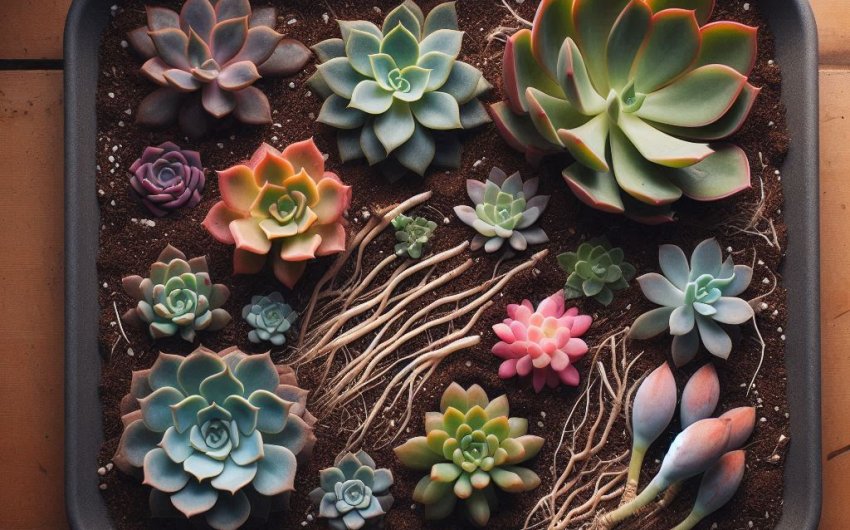
This succulent propagation guide provides step-by-step instructions on multiplying your favorite succulents using various methods like leaf, stem, and offset cuttings, making it easy to expand your collection or share with friends. Succulent propagation is a rewarding and relatively simple process that allows you to create new plants from existing ones, embracing their remarkable resilience and ability to grow from small parts.
Why Should You Propagate Succulents?
Succulent propagation offers numerous benefits, making it an incredibly rewarding aspect of succulent ownership for enthusiasts of all levels.
What are the Benefits of Succulent Propagation?
- Expand Your Collection for Free: The most obvious benefit! Turn one plant into many without spending a dime. This is fantastic for expanding your personal collection without breaking the bank.
- Share with Friends and Family: Propagated succulents make wonderful, thoughtful, and inexpensive gifts. Share your plant passion with others!
- Revive Leggy or Struggling Plants: If your succulent has become tall and leggy, lost its compact shape, or has stem rot, propagation can give it a new lease on life. You can essentially "restart" the plant from healthy cuttings.
- Experience the Wonder of Growth: There's immense satisfaction in watching a tiny leaf transform into a whole new plant, complete with roots and a tiny rosette. It's a magical process that deepens your connection to your plants.
- Experimentation: Different succulent species propagate with varying degrees of success from different methods. Propagation allows for fun experimentation and learning.
- "Salvage" Imperfect Plants: If a leaf falls off or a stem breaks, you don't have to throw it away. Chances are, you can propagate it!
When is the Best Time for Succulent Propagation?
- Growing Season: The ideal time for succulent propagation is during their active growing season. For most common succulents (e.g., Echeveria, Sedum, Crassula), this is typically spring and summer. This is when they have the most energy and resources to dedicate to root and new plant formation.
- Avoid Dormancy: While propagation can technically be attempted year-round, success rates are significantly lower during the plant's dormant period (usually fall and winter for most popular succulents). Plants are less active, and cuttings are more prone to rot.
- Optimal Temperature: Consistent warm temperatures, ideally between 70-80°F (21-27°C), encourage faster callusing and rooting.
What are the Essential Tools for Propagation?
You don't need much to get started with succulent propagation, but having a few key tools makes the process easier and cleaner.
- Sharp, Clean Tools:
- Pruning Snips/Scissors: Essential for making clean cuts on stems. Clean cuts heal faster and reduce the risk of infection. Garden Pruning Shears
- Exacto Knife/Razor Blade: Useful for very precise cuts on leaves or stems.
- Well-Draining Potting Mix: A specialized succulent/cactus potting mix is crucial. It provides excellent drainage, which is vital to prevent rot during the delicate rooting phase. Succulent Potting Mix
- Shallow Trays or Small Pots:
- Seed Starting Trays: With drainage holes, perfect for laying out multiple leaf cuttings.
- Small Nursery Pots (2-4 inch): Ideal for individual stem cuttings once rooted.
- Terracotta Pots: Their porous nature helps the soil dry out quickly, which is beneficial for succulents.
- Optional:
- Rooting Hormone: Can speed up root development, especially for stem cuttings. Rooting Hormone Powder
- Spray Bottle: For gentle watering once roots form.
- Labels/Plant Tags: To keep track of different species and propagation dates.
Succulent Propagation Guide: Methods
There are several effective methods for succulent propagation, each suited to different types of succulents and yielding varying results.
1. Leaf Propagation (Most Common for Echeveria, Sedum, Crassula)
Propagating from a single leaf is one of the most magical and satisfying methods.
- Suitable Plants: Echeveria, Sedum, Graptopetalum, Crassula (Jade Plant), Pachyphytum, and many hybrid succulents.
- How to Take a Leaf Cutting:
- Select a Healthy Leaf: Choose a plump, healthy leaf from the middle or lower part of the stem. Avoid damaged, shriveled, or extremely old leaves.
- Remove with a Clean Break: Gently twist the leaf off the stem. The key is to get a "clean break" with the entire base (the part that was attached to the stem) intact. If even a tiny bit of the base is left on the stem, the leaf won't produce roots or a new plant. A gentle wiggling and twisting motion usually works best.
- Callus the Leaf:
- Lay the removed leaves on a dry, well-ventilated surface out of direct sunlight. A shallow tray works well.
- Allow the cut end to callus over for 2-7 days (or even longer for very plump leaves like Pachyphytum). Callusing is crucial; it's when the wound dries and forms a protective scab, preventing rot when the leaf is exposed to moisture or soil.
- Rooting the Leaf (Two Options):
- Option A: Lay on Dry Soil (Recommended): After callusing, simply lay the leaves directly on top of a well-draining succulent potting mix in a shallow tray. Keep the tray in a bright, indirect light location. Do NOT water initially.
- Option B: Suspend over Water (Less Common, but effective for some): For larger leaves, you can suspend the callused end just above water in a small jar or specialized propagation station, ensuring only the very tip is near the water, not submerged.
- Waiting for Roots and Pups:
- After a few weeks to several months (patience is key!), tiny pink or white roots will emerge from the callused end. Soon after, a tiny "pup" (a miniature version of the succulent) will start to grow from the same spot.
- Do NOT water until roots have clearly formed.
- When to Start Watering: Once roots appear, you can start very lightly misting the soil around the roots every few days, or watering with a fine stream once a week when the soil is completely dry. The goal is to encourage the roots to grow into the soil.
- Potting the New Plant: Once the pup is a decent size (about an inch or two across) and the original "mother" leaf has shriveled and fallen off (or can be easily removed), you can gently transplant the new plant into its own small pot with fresh succulent mix.
2. Stem Propagation (Good for Leggy Plants, Most Succulents)
Stem propagation is often faster than leaf propagation and is ideal for "beheading" leggy succulents or creating multiple plants from a stretched-out stem.
- Suitable Plants: Most succulents that grow a stem (e.g., Echeveria, Crassula, Sedum, Kalanchoe, Sempervivum, Aeonium).
- How to Take a Stem Cutting:
- Select a Healthy Stem: Choose a healthy stem section that is at least 2-4 inches (5-10 cm) long. For a "beheading," cut the top rosette and a few inches of stem.
- Make a Clean Cut: Use sharp, clean scissors or a knife to make a clean cut across the stem.
- Remove Lower Leaves: Strip off the lower leaves from the bottom 1-2 inches (2.5-5 cm) of the stem. This cleared section will be inserted into the soil. You can propagate these removed leaves separately!
- Callus the Stem:
- Lay the stem cutting in a dry, well-ventilated spot out of direct sunlight.
- Allow the cut end to callus over for 3-7 days (or even longer for very thick stems). This is crucial to prevent rot.
- Rooting the Stem (Two Options):
- Option A: Plant in Dry Soil (Recommended): After callusing, gently insert the callused end of the stem into a small pot filled with dry, well-draining succulent potting mix. Ensure the cleared stem section is buried.
- Option B: Suspend over Water (Water Therapy): For very dehydrated or struggling stems, you can suspend the callused end just above water in a jar, ensuring only the very tip is near the water. This can plump them up and encourage roots faster, but be vigilant for rot. Once roots appear, transfer to soil.
- Waiting for Roots:
- Place the potted cutting in a bright, indirect light location.
- Do NOT water initially. Wait for roots to form, which can take a few weeks to a month or two. You can gently tug on the cutting after a few weeks; if there's resistance, roots have formed.
- When to Start Watering: Once roots have formed, you can begin light watering. Water thoroughly, then let the soil dry out completely before watering again. This encourages the roots to search for moisture.
3. Offset Propagation (Easiest for Clumping Succulents)
Many succulents naturally produce "offsets" or "pups" – miniature versions of the parent plant that grow at the base or along the stem.
- Suitable Plants: Echeveria, Sempervivum (Hens and Chicks), Haworthia, Aloe, Gasteria, many Agave species.
- How to Separate an Offset:
- Identify a Healthy Offset: Choose an offset that is a decent size (at least an inch or two across) and has developed its own roots (though some without roots can still propagate).
- Clean Cut/Gentle Pull: If the offset is attached by a thick stolon (stem), use a clean, sharp knife to cut it from the mother plant. If it's a rosette growing at the base, you can often gently twist and pull it off.
- Callus the Offset (If Cut): If you made a cut, allow the cut end to callus for 1-3 days before planting. If you gently pulled it and it had roots, you might not need to callus.
- Planting: Plant the offset directly into a small pot filled with well-draining succulent potting mix.
- Watering: If the offset already has roots and was just pulled, you can water it lightly after planting. If it was cut and callused, wait a few days before lightly watering.
General Care Tips for Succulent Cuttings
No matter the method, consistent care during the rooting phase is crucial for successful succulent propagation.
1. Light Requirements
- Bright, Indirect Light: Provide bright, indirect light for all succulent cuttings. Too little light leads to leggy, stretched-out growth (etiolation) as they search for light. Too much direct, intense sun can burn the delicate new roots or young pups.
- Grow Lights: If natural light is insufficient, Full Spectrum LED Grow Lights are excellent for providing consistent, optimal light for rooting.
2. Watering During Propagation
This is where many new propagators make mistakes.
- No Water Until Roots Appear: The golden rule! Do NOT water leaf or stem cuttings until roots have clearly formed. They draw moisture from their own stored reserves. Watering too soon will cause them to rot.
- Mist Lightly Once Rooted: Once roots are visible, you can begin lightly misting the surface of the soil around the roots every few days. This encourages the roots to grow down into the soil.
- Thorough Water (Once Established): Once the new plant has grown a bit and the original leaf (if propagating from leaf) has shriveled, you can transition to regular succulent watering: water thoroughly, then let the soil dry out completely before watering again.
- Humidity (Minimal): Succulents don't require high humidity for propagation. A well-ventilated, dry environment is actually preferable during the callusing phase.
3. Soil and Drainage
- Specialized Succulent Mix: Always use a well-draining succulent or cactus potting mix. These mixes typically contain a higher percentage of inorganic material (perlite, pumice, sand) to ensure rapid drainage.
- Drainage Holes: Ensure your propagation trays or pots have ample drainage holes to prevent standing water.
4. Patience is Key!
- Don't Give Up: Succulent propagation takes time. Some leaves or stems will root faster than others. Some might not root at all. This is normal.
- Observe and Adjust: Pay attention to your cuttings. If they are shriveling too quickly without rooting, they might need a slightly cooler spot. If they are rotting, they are too wet.
- Success Rates Vary: Not every leaf or stem will propagate successfully. Aim for a good percentage, not 100%.
Common Succulent Propagation Problems and Troubleshooting
Even with the best succulent propagation guide, challenges can arise. Knowing how to troubleshoot these common issues will improve your success rate.
Why Are My Succulent Cuttings Rotting?
- Most Common Cause: Overwatering: This is by far the biggest killer. Watering before roots form, or keeping the soil too wet after they've formed, starves the roots of oxygen. Solution: Ensure your cuttings are properly callused before placing them on/in soil. Do NOT water until roots are visible. Use a very well-draining succulent potting mix. Ensure pots have drainage holes.
- Insufficient Callusing: If the cut end didn't dry sufficiently before touching soil or water. Solution: Always allow adequate callusing time (at least 2-7 days).
- Dense Potting Mix: Heavy, moisture-retentive soil can suffocate roots. Solution: Use a gritty, fast-draining succulent/cactus mix.
- High Humidity/Poor Airflow: Stagnant, humid conditions can encourage fungal rot. Solution: Provide good air circulation and don't place cuttings in overly humid environments.
Why Are My Succulent Leaves Shriveled But Not Rooting?
- Not Enough Stored Water: The mother leaf might not have been plump enough or had enough energy to sustain itself through rooting.
- Too Long Without Roots: The leaf's stored water has simply run out before it could form roots. This is part of the natural attrition rate.
- Underlying Health Issues: The mother plant might have been unhealthy.
- Solutions: Try again with plumper leaves. Ensure the propagation environment is warm enough to encourage root growth.
- Patience: Some leaves take a very long time to root.
Why Are My Succulent Cuttings Becoming Leggy or Stretching?
- Insufficient Light (Etiolation): This is the cause. Cuttings are stretching to find more light, resulting in pale, elongated, weak growth. Solution: Move your cuttings to a brighter location with more bright, indirect light. If natural light is limited, use a Grow Light for Seedlings.
Why Are My Leaf Cuttings Producing Roots But No Pups?
- Patience: Sometimes the roots form first, and the pup takes a bit longer to develop. This is normal.
- Environmental Factors: Ensure consistent warmth and bright, indirect light.
- Genetic Variation: Some varieties are more prone to producing only roots initially.
- Solutions: Continue with very light watering. The pup will likely come.
Why Are My Leaves Not Rooting at All?
- No Clean Break: The crucial part of the leaf base that contains the necessary growth cells might have been left on the mother plant. Solution: Ensure you get the entire base of the leaf with a clean break.
- Temperature Too Cold: Rooting slows down significantly or stops in cold conditions. Solution: Ensure consistent warm temperatures (70-80°F / 21-27°C). A Seedling Heat Mat can help.
- Too Much Water: While you shouldn't be watering, if the humidity is extremely high or the surface is damp, it can hinder callusing and rooting.
Why Is the Mother Leaf Not Dying After the Pup Forms?
- Normal Process: The mother leaf is designed to provide nutrients to the new pup until it can sustain itself. It will shrivel and fall off naturally when its energy reserves are depleted.
- Vigorous Mother Leaf: Sometimes, a particularly healthy or large mother leaf will simply hold onto its energy longer. This is not a problem. Just let it be.
- Solution: Allow the mother leaf to shrivel and detach on its own. Do not force it off, as this can damage the new pup.
Succulent propagation is a journey of discovery and a testament to the incredible resilience of these fascinating plants. By understanding the simple science behind callusing, rooting, and nurturing new growth, you can confidently multiply your collection, turning small bits of green into a thriving succulent paradise. Happy propagating!