
Elevate Your Workspace: The Power of Snake Plant Office Decor
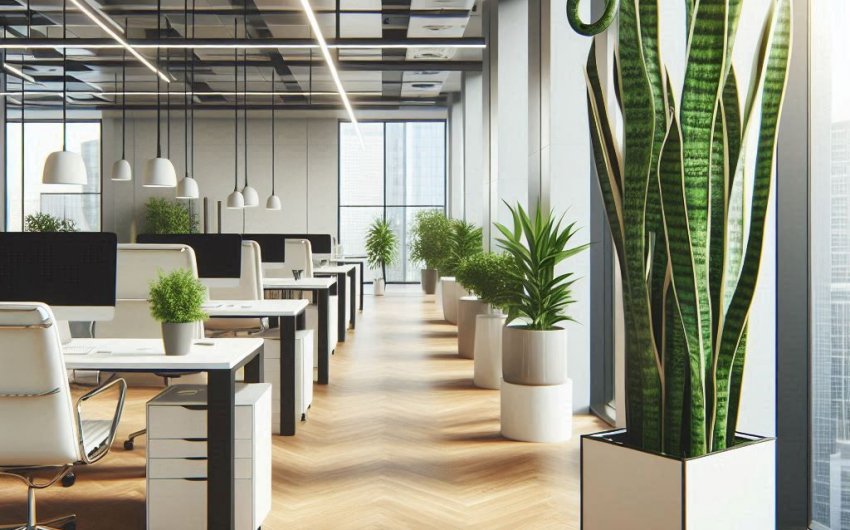
Snake plant office decor offers an exceptional blend of modern aesthetics, air-purifying benefits, and unparalleled low maintenance, making it the perfect living accessory for any professional workspace. Incorporating a snake plant instantly elevates a desk, shelf, or corner with effortless style and vital greenery.
Why is the Snake Plant Ideal for Office Decor?
The popularity of the snake plant for office decor stems from its unique combination of aesthetic appeal, health benefits, and remarkable resilience, making it a go-to choice for enhancing professional environments.
What Makes Snake Plants a Great Design Choice?
- Modern Aesthetic: Snake plants (Sansevieria trifasciata) boast a sleek, upright, and architectural form that complements modern, minimalist, and even industrial office aesthetics. Their stiff, sword-like leaves create clean lines and add height without taking up excessive horizontal space.
- Variety of Forms: Beyond the classic 'Laurentii' with yellow margins, numerous cultivars offer diverse patterns and shapes, allowing for varied decor choices:
- 'Black Coral': Features very dark green leaves with subtle banding, perfect for a sophisticated, subdued look.
- 'Zeylanica': Displays wavy, dark green leaves with lighter green cross-bands, offering a more organic texture.
- 'Cylindrica': Presents round, cylindrical leaves, ideal for adding a unique sculptural element.
- 'Hahnii' (Bird's Nest): A compact, rosette-forming variety that fits perfectly on small desks or shelves.
- Versatile Sizing: From small 'Hahnii' cultivars fitting on a bookshelf to tall, commanding 'Laurentii' varieties that can stand on the floor, there's a snake plant size for every office space, big or small.
- Color and Texture: The striking variegation and sometimes silvery sheen on snake plant leaves provide visual interest and a subtle pop of color against neutral office palettes. Their smooth, leathery texture contrasts nicely with common office materials like metal, glass, and laminate.
How Do Snake Plants Benefit Your Health in the Office?
Beyond their good looks, snake plants actively contribute to a healthier and more pleasant work environment.
- Air Purification (NASA Clean Air Study): Snake plants are renowned air purifiers. They effectively remove common indoor air toxins, including:
- Formaldehyde: Found in furniture, carpets, and cleaning products.
- Benzene: Emitted from plastics, synthetic fibers, and some detergents.
- Trichloroethylene: Present in paints, varnishes, and adhesives.
- Xylene & Toluene: Found in printing inks, rubber, and paint thinners. This makes them a powerful natural filter for enclosed office spaces.
- Nighttime Oxygen Production: Uniquely, snake plants perform crassulacean acid metabolism (CAM), meaning they absorb carbon dioxide and release oxygen at night, when most other plants do not. This makes them an excellent choice for a personal office or cubicle, potentially improving sleep quality if used in a home office.
- Reduced Stress and Improved Mood: The presence of plants in a workspace has been linked to lower stress levels, improved mood, and increased feelings of well-being. A touch of nature can provide a calming counterpoint to the demands of work.
- Enhanced Focus and Productivity: Studies suggest that green spaces in offices can lead to increased concentration, better problem-solving abilities, and even reduced absenteeism.
What Makes Snake Plants Low Maintenance for Offices?
Office environments can be challenging for plants, with fluctuating temperatures, inconsistent watering, and varying light conditions. The snake plant shines here.
- Drought Tolerance: This is the most significant factor. Snake plants store water in their thick leaves and rhizomes, allowing them to go for weeks, sometimes even over a month, without water. This is perfect for busy professionals, long weekends, or vacations.
- Adaptable to Light: While they prefer bright, indirect light, snake plants can tolerate surprisingly low light conditions, making them suitable for offices with limited natural sunlight or those far from windows.
- Resilience: They are notoriously hardy and forgiving, making them ideal for those who might occasionally forget to water or are new to plant care.
- Pest Resistance: Generally, snake plants are less prone to common indoor plant pests than many other houseplants.
- Low Humidity Needs: They are not fussy about humidity, thriving in average office humidity levels.
Styling Your Office with Snake Plant Decor
The snake plant offers incredible versatility for office decor, allowing you to integrate greenery seamlessly into any workspace design.
Where to Place Your Snake Plant in the Office?
- Desk Plant: Smaller varieties like 'Hahnii' (Bird's Nest) are perfect for adding a subtle green touch to your desk without taking up too much space. A 4-6 inch pot is ideal.
- Floor Plant (Corner/Next to Desk): Taller varieties like 'Laurentii' or 'Zeylanica' make excellent floor plants. Place them in an empty corner, next to your desk, or beside a credenza to add height and a structural element. Use a Tall Planter for Indoors to accentuate their height.
- Shelf or Bookshelf Decor: Medium-sized varieties can sit on open shelves, file cabinets, or bookshelves, breaking up the monotony of books and files.
- Reception Area/Lobby: A large, impressive snake plant in a stylish pot can make a welcoming and sophisticated statement in a reception or waiting area.
- Bathroom (Office): If the office bathroom has some ambient light, a snake plant can thrive there, purifying the air and adding freshness.
- Windowsill: If your office has a bright windowsill (but not direct harsh sun), this is an ideal spot.
Choosing the Right Pot and Accessories
The choice of pot is crucial for snake plant office decor, enhancing its modern aesthetic.
- Material:
- Ceramic: Classic, offers a clean, sophisticated look. Available in matte, glossy, or textured finishes.
- Concrete/Stone: Provides an industrial, minimalist, and sturdy feel.
- Metal (e.g., Copper, Brass, Black Matte): Adds a contemporary or industrial touch, especially sleek, clean-lined designs.
- Terracotta: Provides a natural, earthy look, but ensure it matches the office style. Good for drainage, but can dry out faster.
- Shape:
- Cylindrical/Tall: Complements the upright nature of the snake plant, creating a continuous vertical line.
- Geometric (Hexagonal, Square): Adds a modern, architectural touch.
- Simple & Clean: Avoid overly ornate or busy patterns that might detract from the plant's elegant form.
- Color:
- Neutrals: White, black, gray, and earthy tones are versatile and allow the plant's natural beauty to stand out.
- Metallics: Gold, silver, or rose gold pots can add a touch of modern glam.
- Subtle Color Pop: A deep navy, forest green, or terracotta can add a calm, grounding accent.
- Plant Stands: For floor plants, a simple Mid-Century Modern Plant Stand or a sleek metal stand can elevate the plant, drawing the eye and emphasizing its height.
Integrating with Office Design Styles
- Minimalist Office: A single, tall snake plant in a white or black cylindrical pot. Clean lines, uncluttered.
- Industrial Office: Snake plant in a concrete, black metal, or galvanized steel planter. Complements exposed brick, metal, and wood.
- Modern Scandinavian: Snake plant in a light ceramic pot or a simple wooden stand. Focus on natural materials, light colors, and clean lines.
- Bohemian Office (Home Office): Snake plant in a terracotta pot, woven basket, or a pot with some subtle texture. Can be paired with other plants and natural elements.
- Traditional Office: A snake plant in a classic ceramic pot with a subtle glaze, fitting well with rich wood tones and leather.
Table: Snake Plant Decor Ideas by Office Space
| Office Space | Recommended Snake Plant Type | Ideal Pot Style / Material | Benefits |
|---|---|---|---|
| Desk / Cubicle | 'Hahnii' (Bird's Nest) | Small ceramic, geometric | Air purification, calming presence, compact |
| Floor Corner | 'Laurentii', 'Zeylanica' | Tall cylindrical, concrete | Architectural focal point, fills vertical space |
| Bookshelf / Shelf | 'Hahnii', small 'Laurentii' | Minimalist ceramic, metal | Adds life to displays, cleans air |
| Reception Area | Large 'Laurentii', 'Black Coral' | Statement concrete, sleek metal | Welcoming, professional, purifies air |
| Window Sill | Any size that fits | Terracotta, simple plastic | Thrives in light, adds natural element |
Easy Care for Office Snake Plants
The "unkillable" nature of the snake plant is a huge advantage for office environments, where consistent care can be challenging. Following these simple snake plant office decor care tips ensures your plant thrives with minimal fuss.
The Golden Rule of Watering for Office Snake Plants
- Infrequent Watering: This is paramount. Snake plants are succulents and store water in their leaves. Overwatering is the number one killer.
- Water Only When Dry: Only water your snake plant when the entire potting mix has dried out completely. For most office environments, this means watering once every 2-4 weeks in warmer months and once every 4-8 weeks in cooler, darker months (like winter).
- Test the Soil: Stick your finger deep into the soil (at least 2-3 inches). If it feels damp at all, wait. A Moisture Meter can also be very helpful.
- Thorough Drainage: Always use a pot with drainage holes. Ensure excess water can drain out freely. Never let the plant sit in standing water in a saucer.
- Vacation-Friendly: Their drought tolerance makes them perfect for office environments where you might be away for several days or weeks.
Light Requirements in an Office Setting
- Adaptable to Low Light: While snake plants prefer bright, indirect light, they famously tolerate low light. This makes them ideal for offices with limited natural sunlight, cubicles, or spaces far from windows.
- Avoid Direct Harsh Sun: Prolonged, intense direct sunlight (like from a south-facing window without any filtration) can scorch their leaves, especially the variegated parts.
- Optimal Placement: Place them where they can receive ambient light, perhaps near a window or under overhead office lighting. Even artificial office lighting can sustain them, though growth will be slower.
Soil and Potting for Longevity
- Well-Draining Soil: Use a potting mix specifically designed for cacti and succulents. This mix is usually coarser and allows for excellent drainage, preventing waterlogging. A good option is Miracle-Gro Cactus, Palm & Citrus Potting Mix.
- Drainage Holes: Always use a pot with drainage holes. If your decorative pot doesn't have holes, use it as a cachepot (a decorative outer pot) and keep the plant in a nursery pot with drainage inside. Remove the plant for watering, let it drain completely, then place it back in the cachepot.
- Repotting Infrequently: Snake plants prefer to be root-bound and rarely need repotting (every 2-5 years). This is another low-maintenance bonus for office settings.
Other Minimal Care Tips
- Fertilizing (Rarely): Snake plants are light feeders. Fertilize only during the spring and summer growing months, once every 2-4 months, using a balanced liquid houseplant fertilizer diluted to half or quarter strength. No need to fertilize in fall or winter.
- Dusting Leaves: Periodically wipe down the leaves with a damp cloth to remove dust. This helps the plant photosynthesize more efficiently and keeps it looking fresh and clean for your office decor.
- Temperature: They are happy in average office temperatures (65-80°F / 18-27°C). Avoid placing them directly next to cold drafts or heating vents.
- Pest Check: While generally pest-resistant, a quick visual check during watering is good practice. If you spot any, wipe them off with a damp cloth or use a gentle Insecticidal Soap.
Troubleshooting Common Office Snake Plant Problems
Even the toughest snake plant office decor can face challenges. Knowing how to identify and address common issues will keep your workspace looking pristine.
Why Are My Snake Plant Leaves Turning Yellow or Mushy?
- Overwatering (Almost Always!): This is the most common reason for yellowing, especially at the base of the leaves, accompanied by mushiness or a foul smell. The roots are rotting. Solution: Immediately stop watering. Allow the soil to dry out completely. If severe, gently remove the plant from its pot, inspect the roots, trim any black/mushy sections, allow the remaining roots to air dry for a day, and then repot into fresh, dry, well-draining succulent mix. Do not water for another week.
- Poor Drainage: If the pot doesn't have drainage holes, water accumulates, leading to the same issues as overwatering. Solution: Repot into a pot with drainage or use a cachepot system.
Why Are My Snake Plant Leaves Turning Brown or Crispy?
- Direct Sunburn: Brown, crispy spots or patches (especially on variegated areas) suggest too much direct, intense sunlight. Solution: Move the plant to a location with bright, indirect light.
- Extreme Underwatering (Rare): While very drought-tolerant, extreme, prolonged neglect can cause leaves to shrivel, curl, and turn crispy. Solution: Water thoroughly. The leaves should plump up.
- Cold Damage: Exposure to temperatures below 50°F (10°C) can cause mushy, brown spots or entire leaves to collapse. Solution: Move the plant to a warmer spot. Trim damaged leaves.
Why Is My Snake Plant Leaning or Flopping Over?
- Overwatering/Root Rot: The most likely cause. The base of the leaves becomes soft and unable to support the blade. Solution: See yellowing/mushy leaves above. Act quickly.
- Physical Damage: A leaf might have been bent or broken. Solution: Prune off the damaged leaf.
- Lack of Light (Less Common for Leaning): In extremely low light, leaves can become slightly weaker, less rigid, and more prone to flopping, especially as they grow taller and try to reach for light. Solution: Move to a brighter spot.
Why Is My Snake Plant Not Growing?
- Insufficient Light: While they tolerate low light, growth will be very slow or non-existent. Solution: Move to a brighter location with bright, indirect light to encourage more vigorous growth.
- Dormancy: Snake plants naturally slow down or stop growth in fall and winter. This is normal. Solution: Don't worry, reduce watering, and stop fertilizing during this period.
- Nutrient Deficiency (Rare): If the plant has been in the same soil for years and never fertilized, it might eventually run out of nutrients. Solution: Fertilize lightly during the growing season.
- Severely Root Bound: If the rhizomes are literally cracking the pot, growth can be inhibited. Solution: Repot into a slightly larger pot.
Dealing with Pests in the Office
- Spider Mites or Mealybugs (Rare): Snake plants are generally pest-resistant, but prolonged stress (e.g., from severe overwatering or very poor air circulation) can make them vulnerable. Solution:
- Isolate: Move the affected plant away from others.
- Wipe: Wipe off pests with a damp cloth or a cotton swab dipped in rubbing alcohol.
- Insecticidal Soap: If persistent, use an Organic Insecticidal Soap as directed.
By understanding these few simple snake plant office decor care principles, you can confidently integrate these stylish, beneficial, and incredibly resilient plants into any workspace, enjoying their beauty and air-purifying qualities with minimal effort.