
The Ultimate Snake Plant Care Guide: Unkillable Greenery
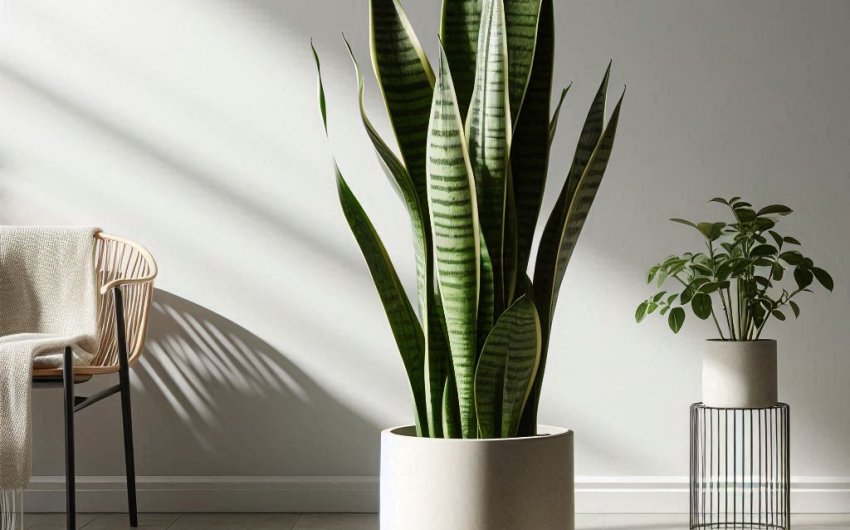
The Snake Plant care guide emphasizes infrequent watering, bright to low indirect light, and a well-draining soil mix to ensure these incredibly resilient and popular houseplants thrive with minimal effort. Often hailed as one of the easiest plants to care for, the Snake Plant (Sansevieria trifasciata) is perfect for beginners and busy individuals alike.
Why is the Snake Plant So Popular?
The Snake Plant has earned its reputation as a household staple due to its unique appearance, hardy nature, and numerous benefits, making it a top choice for indoor greenery.
What Makes Snake Plants So Unique?
- Striking Appearance: Snake Plants are instantly recognizable by their stiff, upright, sword-like leaves that grow directly from the soil. These leaves often feature beautiful patterns, variegation (stripes or bands of different colors like green, yellow, or white), and a sculptural quality that makes them a popular choice in modern and minimalist interior designs.
- Variety of Cultivars: While Sansevieria trifasciata 'Laurentii' (with yellow margins) is the most iconic, there are many other fascinating varieties, including:
- Sansevieria cylindrica: Features round, cylindrical leaves that grow straight up.
- Sansevieria zeylanica: Dark green leaves with lighter green banding.
- Sansevieria trifasciata 'Hahnii' (Bird's Nest Sansevieria): A compact, rosette-forming variety perfect for smaller spaces.
- Sansevieria trifasciata 'Black Coral': Features very dark green leaves with subtle banding.
- Air Purification Power: Snake Plants are highly efficient air purifiers. They are one of the few plants that can convert carbon dioxide into oxygen at night, making them ideal for bedrooms. They also filter out common indoor toxins like formaldehyde, benzene, trichloroethylene, xylene, and toluene.
- Durability and Resilience: Often dubbed the "unkillable plant," the Snake Plant can withstand a surprising amount of neglect. It tolerates low light, infrequent watering, and a range of indoor temperatures, making it incredibly forgiving.
What are the Benefits of Having a Snake Plant at Home?
- Beginner-Friendly: Its extreme hardiness makes it perfect for new plant parents who are still learning about plant care. It's forgiving of occasional forgetfulness.
- Low Maintenance: Requires minimal watering, fertilization, and general attention, fitting perfectly into busy lifestyles.
- Versatile Decor: Its architectural shape and diverse variegation fit seamlessly into almost any interior design style, from contemporary to bohemian. It adds height and texture without overwhelming a space.
- Improved Air Quality: As mentioned, its ability to purify air, especially at night, contributes to a healthier living environment.
- Space-Saving: Many varieties grow upright, making them ideal for narrow spaces, corners, or shelves where horizontal space is limited.
What are the Essential Snake Plant Care Tips?
Mastering Snake Plant care tips is surprisingly simple because these plants thrive on a bit of neglect. The key is understanding their aversion to overwatering and their adaptability to light.
How Much Light Does a Snake Plant Need?
Light is one of the most flexible aspects of Snake Plant care.
- Bright, Indirect Light is Ideal: Snake Plants thrive and grow fastest in bright, indirect light. This means a spot near a window (east or north-facing are often perfect, or a few feet back from a south/west-facing window). Good light encourages more vibrant variegation.
- Tolerates Low Light: They are incredibly tolerant of low light conditions, making them excellent choices for darker rooms, offices, bathrooms, or hallways where many other plants would struggle. However, in very low light, growth will be slower, and variegation might be less pronounced.
- Avoid Direct Sun: While they can handle some direct morning sun, intense, prolonged direct afternoon sun can scorch their leaves, causing yellowing or crispy brown spots.
- Signs of Too Much Light: Yellowing leaves, bleached-out patches, or crispy brown spots, especially on the variegated areas.
- Signs of Too Little Light: Very slow growth, duller variegation, or slightly leggy, less upright growth.
How Often Should You Water a Snake Plant?
This is the MOST critical aspect of Snake Plant care. Overwatering is the number one cause of their demise.
- Drought Tolerant: Snake Plants are succulents and store water in their thick leaves and rhizomes (underground stems). They prefer to be on the drier side.
- Allow Soil to Dry Completely: Water your Snake Plant only when the entire potting mix has dried out completely. This might mean once every 2-4 weeks in summer, and even less frequently (once a month or every 6-8 weeks) in fall and winter.
- The Weight Test: A good way to check is to lift the pot. When it feels significantly lighter than when it was fully watered, it's likely dry. You can also use a Moisture Meter for accuracy.
- Thorough Watering: When you do water, water deeply until water drains from the bottom of the pot. This ensures the entire root ball is moistened.
- Drainage is Non-Negotiable: Always use a pot with drainage holes. Never let your Snake Plant sit in standing water. Empty the drainage saucer after 15-30 minutes.
- Signs of Overwatering: Mushy, yellowing, or browning leaves, especially at the base; a foul smell from the soil (indicating root rot). This is the most common problem.
- Signs of Underwatering: While rare, extreme underwatering can cause leaves to shrivel or curl, or appear limp. This is less common because they store so much water.
What is the Best Soil for a Snake Plant?
A well-draining, airy potting mix is essential to prevent soggy conditions.
- Cactus/Succulent Mix: The ideal soil is a fast-draining mix designed for cacti and succulents. This typically contains ingredients like perlite, pumice, or coarse sand to enhance drainage.
- DIY Mix: If using regular indoor potting mix, amend it heavily for better drainage. A good DIY mix would be:
- 2 parts regular indoor potting mix
- 1 part perlite or pumice
- 1 part coarse sand (horticultural grade, not play sand)
- Avoid Heavy Soil: Dense, compacted soils retain too much water and lead to root rot.
- A good choice is Miracle-Gro Cactus, Palm & Citrus Potting Mix.
What Temperature and Humidity Do Snake Plants Prefer?
- Temperature: Snake Plants prefer average indoor temperatures between 65-80°F (18-27°C). They can tolerate slightly cooler temperatures but avoid anything below 50°F (10°C), as prolonged cold can damage them.
- Humidity: They are highly adaptable to average household humidity levels and do not require high humidity. This makes them perfect for most homes and offices. Avoid excessively humid environments combined with poor air circulation, as this can increase fungal issues.
Advanced Snake Plant Care Tips: Fertilizing, Pruning, and Repotting
While minimal, these advanced Snake Plant care tips will help your plant truly thrive, maintain its best appearance, and encourage new growth.
How and When Should You Fertilize a Snake Plant?
Snake Plants are light feeders. Less is always more when it comes to fertilizing them.
- During Growing Season Only (Spring & Summer): Fertilize sparingly, once every 2-4 months during their active growth period.
- Dilution: Use a balanced liquid houseplant fertilizer (e.g., 10-10-10 or 5-10-5 NPK ratio) diluted to half or quarter strength of the recommended dose. Over-fertilizing can burn their roots.
- Avoid Fall/Winter: Do not fertilize when growth slows down in cooler, darker months.
- Signs of Under-fertilizing: Very slow growth, or overall dullness in leaf color.
- Signs of Over-fertilizing: Crispy brown leaf tips/edges, yellowing and wilting (despite correct watering), or white crust on the soil surface.
- A gentle option is Dyna-Gro Grow 7-9-5.
How Do You Prune a Snake Plant?
Pruning a Snake Plant is mostly for aesthetics, size control, or to remove damaged leaves.
- Remove Damaged/Yellowing Leaves: Use clean, sharp pruning shears or a knife to cut off any yellow, brown, or damaged leaves at their base, as close to the soil line as possible.
- Trim for Height/Shape: If a leaf becomes too tall or you want to maintain a specific shape, you can cut it back. Make a clean cut with a sharp tool.
- Important: Wear gloves when handling Snake Plants, as the sap can be irritating to some skin.
- Use sharp Garden Shears.
When Should You Repot a Snake Plant?
Snake Plants generally prefer to be a bit root-bound and don't need frequent repotting.
- Signs of Needing Repotting:
- Roots growing out of the drainage holes.
- The pot bulging or cracking from the pressure of the rhizomes.
- The plant becoming severely top-heavy and unstable.
- Water runs straight through the pot without soaking in (indicating a solid root ball).
- Frequency: Typically every 2-5 years, or when you notice the plant is clearly outgrowing its pot. They don't mind being pot-bound for a while.
- Pot Size: Go up only one pot size (e.g., from an 8-inch to a 10-inch pot). Too large a pot holds excess moisture, increasing the risk of root rot.
- Procedure:
- Gently remove the plant from its current pot. The root ball will likely be very dense.
- Loosen any circling roots at the bottom.
- Add a layer of fresh, well-draining succulent/cactus potting mix to the bottom of the new pot.
- Place the Snake Plant in the new pot, ensuring the top of the root ball is at the same level as it was in the old pot.
- Fill around the sides with more potting mix, gently firming it.
- Do NOT water immediately after repotting. Wait 5-7 days to allow any damaged roots to heal, preventing potential rot. Then water thoroughly.
Propagating Your Snake Plant
Propagating a Snake Plant is incredibly easy and a fun way to create new plants from your existing one. There are two main methods.
1. Propagating from Cuttings in Water
This is a very popular and visible method.
- Take a Cutting: Choose a healthy, mature leaf. Using clean, sharp scissors or a knife, cut a section of the leaf that is at least 4-6 inches (10-15 cm) long.
- Mark the Bottom: It's crucial to remember which end was the bottom (closer to the soil). Roots will only grow from the correct end. You can cut a small "V" shape at the bottom to mark it.
- Allow to Callus: Let the cut end dry and form a callus for 2-3 days. This prevents rot when placed in water.
- Place in Water: Put the cut end into a glass or jar with about 1-2 inches (2.5-5 cm) of clean water, ensuring the cut end is submerged.
- Provide Bright, Indirect Light: Place the jar in a spot with bright, indirect light.
- Change Water Regularly: Change the water every few days to keep it fresh and prevent bacterial growth.
- Wait for Roots: This can take a surprisingly long time – several weeks to even a few months. Be patient! You'll see small white roots emerge from the cut end.
- Pot When Roots are 1-2 Inches: Once roots are about 1-2 inches (2.5-5 cm) long, plant the cutting into a small pot filled with a well-draining succulent/cactus mix.
- Important Note: Variegated varieties like 'Laurentii' will often revert to plain green when propagated from a leaf cutting. To retain variegation, you need to propagate by division.
2. Propagating by Division
This method ensures the new plant retains its variegation and is faster for getting an established plant.
- Prepare the Plant: The best time to divide is during repotting in spring or early summer. Water the plant a day before to make it easier to handle.
- Remove from Pot: Gently remove the entire plant from its pot.
- Loosen Soil and Identify Rhizomes: Shake off excess soil to expose the thick, fleshy rhizomes (underground stems) and roots. You'll see individual "pups" or offsets growing from these rhizomes.
- Divide the Plant: Using a clean, sharp knife or sturdy shears, cut through the rhizomes to separate a section. Ensure each new section has its own set of roots and at least 2-3 healthy leaves.
- Allow to Callus (Optional but Recommended): For larger cuts, allow the cut ends to air dry for a day or two before potting.
- Pot New Plants: Plant each new division into its own pot filled with well-draining succulent/cactus mix.
- Do NOT water immediately. Wait 5-7 days to allow any damaged roots to heal before watering.
Troubleshooting Common Snake Plant Care Problems
While the Snake Plant is incredibly resilient, certain issues can arise. Learning to identify and fix them will ensure your plant stays healthy and vibrant.
Why Are My Snake Plant Leaves Turning Yellow?
Yellowing leaves are almost always a sign of overwatering.
- Overwatering (Most Common): If the leaves are yellowing, especially at the base, and feel soft or mushy, your plant is getting too much water, and root rot is likely setting in. Solution: Immediately stop watering. Allow the soil to dry out completely. If severe, unpot, inspect roots (trim black/mushy ones), and repot in fresh, dry succulent mix. Adjust your watering schedule to be much less frequent.
- Poor Drainage: A heavy, dense potting mix or a pot without drainage holes will lead to constantly soggy soil, mimicking overwatering. Solution: Ensure proper drainage. Repot into appropriate succulent mix if needed.
- Too Little Light (Less Common for Yellowing): In extreme cases, very low light can slow down plant metabolism to a crawl, leading to nutrient imbalances and yellowing. Solution: Move to a brighter location.
Why Are My Snake Plant Leaves Turning Brown?
Browning often points to watering issues as well, or sometimes environmental stress.
- Overwatering/Root Rot: Brown, mushy spots or browning at the base of the leaf indicates root rot. Solution: As above, stop watering, let dry, potentially repot.
- Underwatering (Extreme): While rare, prolonged and severe drought can cause leaves to shrivel and turn crispy brown, especially at the tips. Solution: Water thoroughly when the soil is completely dry, but don't overcompensate with excessive water next time.
- Direct Sunburn: Brown, crispy spots or patches (especially if on the variegated parts) on leaves that were exposed to intense, direct sunlight. Solution: Move the plant to a location with bright, indirect light.
- Cold Damage: If exposed to temperatures below 50°F (10°C) for too long, leaves can become mushy and brown. Solution: Move to a warmer spot. Trim damaged leaves.
Why Are My Snake Plant Leaves Drooping or Leaning?
- Overwatering/Root Rot: If the leaves are soft, mushy, and flopping over, it's almost certainly root rot. The base of the leaves may feel soft. Solution: This is an emergency. Unpot, remove all wet soil, inspect roots, trim mushy black roots, and allow to air dry for a day before repotting into fresh, dry succulent mix. Do not water for a week.
- Underwatering (Extreme): If the leaves are thin, wrinkly, and leaning due to lack of turgor, the plant is very thirsty. Solution: Water thoroughly. The leaves should plump up within a day.
- Lack of Light (Less Common for Drooping): In very low light, leaves can become slightly less rigid and more prone to flopping, especially if they're trying to stretch for light. Solution: Move to a brighter location.
- Physical Damage: Leaves can break or bend if something heavy falls on them or if they are mishandled.
Why Is My Snake Plant Not Growing?
- Insufficient Light (Most Common): While they tolerate low light, they grow very slowly or not at all in such conditions. Solution: Move to a brighter location with bright, indirect light to encourage growth.
- Dormancy: Snake Plants naturally slow or stop growth in fall and winter when light levels are lower and temperatures are cooler. This is normal. Solution: Don't worry, reduce watering, and stop fertilizing during this period.
- Root Bound: If the plant is severely pot-bound, growth can slow down. Solution: Repot into a slightly larger pot if needed.
- Lack of Nutrients: If the plant has been in the same soil for years and never fertilized, it might be nutrient deficient. Solution: Fertilize lightly during the growing season.
- Overwatering: If roots are rotting, the plant can't absorb nutrients or water, leading to stunted growth. Solution: Address overwatering issues.
The Snake Plant care guide is ultimately about understanding its resilience and not "loving it to death." By providing bright, indirect light (or tolerating lower), infrequent and thorough watering, and a well-draining soil mix, you'll ensure your Snake Plant remains a vibrant, low-maintenance, and long-lasting addition to your home.