
Can You Grow a Jade Plant From a Leaf Cutting?
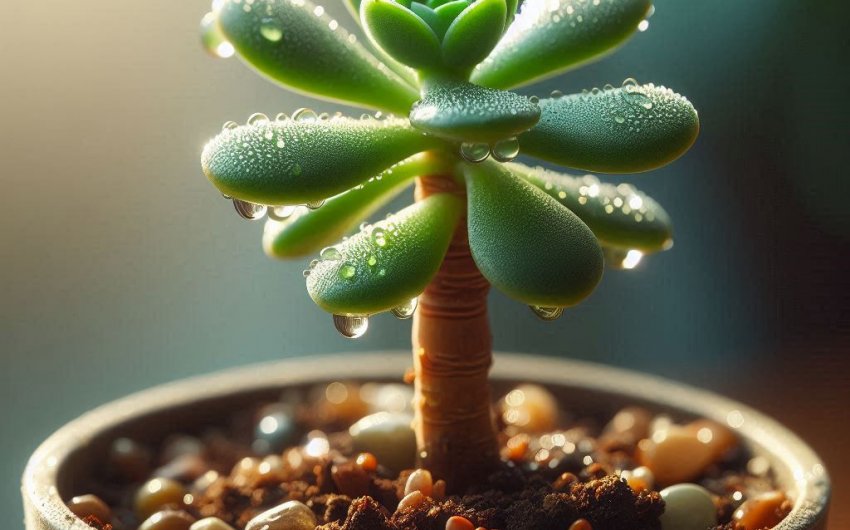
The enduring charm of a jade plant lies in its sturdy, tree-like form and its plump, emerald-green leaves, making it a cherished succulent in many homes. It’s not just its aesthetic appeal but also its reputation for being incredibly resilient and easy to propagate that makes it so popular. Imagine taking a single, unassuming leaf from a mature jade plant and, with a little patience and the right technique, watching it transform into a brand-new, independent plant. This process is not only fascinating but also incredibly rewarding, allowing you to multiply your collection, share with friends, or simply extend the life of a beloved specimen.
Yes, indeed, you absolutely can grow a jade plant from a leaf cutting! This simple method, known as leaf propagation, leverages the plant's natural ability to regenerate from just a small piece of its foliage. It's a testament to the remarkable vitality of succulents and a skill that every jade plant enthusiast should explore. While it requires a bit more time than propagating from stem cuttings, the satisfaction of nurturing a tiny leaf into a robust new plant is unparalleled. Let's delve into the secrets of jade plant leaf propagation, step-by-step, ensuring your efforts lead to a flourishing new generation of these popular succulents.
Can You Grow a Jade Plant From a Leaf Cutting? The Short Answer and The Why.
Let's start with the basics to affirm this popular propagation method.
The Answer Is Yes!
- Absolutely: You can indeed grow a jade plant from a leaf cutting. It's one of the most reliable and common methods of propagation for these resilient succulents.
- A Natural Process: Succulents, including jade plants, are naturally adept at asexual reproduction. In their native habitats, leaves that fall off often root and grow into new plants if conditions are favorable.
Why is Jade Plant Leaf Propagation So Successful?
- Succulent Nature: Jade plants are succulents, meaning they store water in their leaves and stems. This stored moisture allows the leaf cutting to survive for an extended period without roots, giving it time to develop new ones.
- Pre-programmed to Regenerate: The cells within a jade plant leaf contain all the genetic information needed to produce an entire new plant, including roots, stems, and new leaves. They are essentially "pre-programmed" for regeneration.
- Callus Formation: When a leaf is separated from the main plant, the wound at the base of the leaf forms a protective layer called a callus. This callus is crucial; it prevents rot and is where the new roots and plantlets will eventually emerge.
What Supplies Do I Need to Grow a Jade Plant From a Leaf Cutting?
Gathering your materials before you start will make the propagation process smooth and successful.
Basic Supplies for Leaf Cuttings
- Healthy Jade Plant: This is your source material. Choose a mature, healthy jade plant with plump, unblemished leaves.
- Clean, Sharp Knife or Pruning Shears: Crucial for making clean cuts. A small pruning snip for houseplants or a clean, sharp razor blade works well.
- Shallow Tray or Pot: A tray or pot with good drainage holes is essential. A seed starting tray or a shallow terra cotta pot is ideal.
- Well-Draining Potting Mix: Use a specialized succulent and cactus potting mix. This mix is formulated to drain quickly, which is critical for preventing rot in jade plant cuttings. Regular potting soil holds too much moisture.
- Spray Bottle: For light watering. A fine mist spray bottle is perfect.
Optional (But Recommended) Supplies
- Rooting Hormone: While jade plant leaves will often root without it, a rooting hormone powder can speed up the rooting process and increase success rates.
- Heat Mat: A seedling heat mat provides consistent bottom heat, which can significantly encourage faster rooting, especially in cooler environments.
- Grow Light: If you don't have a very bright window, a small LED grow light can provide the necessary light for young jade plant cuttings to thrive once rooted.
How Do I Take and Prepare a Jade Plant Leaf Cutting?
The initial steps of selecting and preparing your jade plant leaf cutting are crucial for success.
Step 1: Select the Right Leaf
- Healthy Leaves Only: Choose a plump, healthy leaf from your jade plant. Avoid any leaves that are yellowing, shriveled, damaged, or show signs of disease. The healthier the parent leaf, the better the chances of successful propagation.
- Mature Leaves: Select leaves that are mature but not overly old. Young, tender leaves may not have enough stored energy, and very old leaves might be too tough to root easily.
- Take Multiple Cuttings: It's always a good idea to take several jade plant leaf cuttings at once. Not all of them will successfully root, so having extras increases your chances of getting new plants.
Step 2: Carefully Remove the Leaf
- Clean Cut/Pull: Gently twist the leaf from the stem, or use a clean, sharp knife/pruning shears to cut it cleanly where it joins the stem.
- Crucial Connection Point: Ensure you get the entire leaf, including the small base where it connects to the main stem. This connection point contains the necessary cells for new growth. If you leave a piece behind or tear the leaf, it might not root.
Step 3: Allow the Cutting to Callus
This is a non-negotiable step and arguably the most important for succulent propagation.
- Why Callus?: When you remove the leaf, it creates an open wound. If you plant it immediately, that wound is highly susceptible to rot, especially in moist soil. Callusing creates a dry, protective seal over the wound.
- How to Callus: Lay the jade plant leaf cuttings on a clean, dry surface (like a paper plate or a tray) in a warm, dry spot out of direct sunlight.
- Duration: Allow the cuttings to callus for at least 3-7 days, or even up to 2 weeks for larger leaves. The wound should look dry and slightly hardened.
How Do I Root and Grow a New Jade Plant from a Leaf Cutting?
Once your jade plant leaf cuttings have callused, it's time to encourage root development.
Step 1: Prepare the Potting Mix
- Fill Tray/Pot: Fill your shallow tray or pot with your well-draining succulent and cactus potting mix.
- Moisten Lightly: Lightly moisten the soil with your spray bottle. The soil should be just barely damp, not wet.
Step 2: Plant the Leaf Cuttings
- Dip in Rooting Hormone (Optional): If using, dip the callused end of the leaf cutting into rooting hormone powder, tapping off any excess.
- Lay or Insert: There are two common methods for planting:
- Lay Flat: Lay the jade plant leaf cutting flat on top of the soil mix. The callused end should be touching the soil. This is often the simplest method.
- Insert Slightly: Gently insert the callused end of the leaf just barely into the soil mix (about 1/4 inch deep).
- Spacing: Give each leaf cutting a little space (1-2 inches apart) to ensure good air circulation.
Step 3: Provide the Right Environment for Rooting
This phase requires patience and specific conditions.
- Light: Place the tray/pot in a location that receives bright, indirect light. Avoid direct, intense sunlight at this stage, as it can scorch the delicate cuttings. A few feet away from a sunny window or under a grow light for seedlings (on a low setting) is ideal.
- Temperature: Aim for warm temperatures, ideally between 70-80°F (21-27°C). A seedling heat mat placed under the tray can significantly speed up rooting.
- Watering: This is crucial and often where new propagators make mistakes.
- Infrequent Misting: Do NOT water heavily. Instead, mist the surface of the soil with your fine mist spray bottle only when the soil feels completely dry. The goal is to keep the air around the cuttings slightly humid and the very top layer of soil barely damp. The stored moisture in the leaf will sustain it.
- Avoid Overwatering: Too much water will cause the leaf cutting to rot before it can root.
Step 4: Monitor for Roots and New Plantlets
- Patience is Key: This can take time. You might see roots emerge in 2-4 weeks, but it can take up to 2 months or more. New plantlets (tiny leaves) will usually appear shortly after or at the same time as the roots.
- How to Check for Roots: Gently tug on a leaf. If you feel resistance, it has rooted. You might also be able to see tiny white roots emerging from the callused end.
- The Mother Leaf Will Shrink: As the new plantlet grows, it draws energy and moisture from the original jade plant leaf cutting. The parent leaf will gradually shrivel and may eventually fall off. This is completely normal and a sign of success! Do not remove the old leaf until it detaches naturally.
What Are Common Problems When Propagating Jade Plants From Leaves?
Even though jade plants are resilient, mistakes can happen during propagation.
Problem 1: Leaf Cuttings Rot Before Rooting
- Cause: This is almost always due to overwatering or insufficient callusing. If the wound isn't fully dry, or if the soil is too wet, bacteria and fungi will cause the cutting to rot.
- Fix:
- Ensure Proper Callusing: Always allow the leaf to callus thoroughly (3-7+ days) before planting.
- Use Well-Draining Soil: Only use a specific succulent and cactus potting mix.
- Water Sparingly: Mist only when the soil is completely dry. Do not keep the soil consistently wet.
Problem 2: Leaves Shrivel and Dry Up Without Rooting
- Cause: This is usually due to underwatering or too dry conditions, especially if the ambient air is very dry or if the leaf was allowed to dry out for too long before planting.
- Fix:
- Monitor Humidity: While you don't want wet soil, very low humidity can cause desiccation. A very light misting of the air around the cuttings (not directly on them) might help.
- Ensure Initial Moisture: Make sure the soil is lightly moistened when you first lay/insert the callused leaf.
- Consistent Misting (lightly): Once the callus is formed, ensure the topsoil gets a light misting when dry.
Problem 3: Roots Form, But No New Plantlet Appears
- Cause: This sometimes happens. The leaf has enough energy to create roots but not enough to initiate new shoot growth immediately. It can also be due to insufficient light for growth or genetic factors.
- Fix:
- Patience: Continue to care for the rooted leaf. Sometimes, the plantlet just takes longer to appear.
- Increase Light (Gradually): Once roots have formed, ensure the cutting is getting ample bright, indirect light.
- Consider Fertilizer: Very sparingly, a highly diluted succulent liquid fertilizer (1/4 strength) might give it a boost after roots are established.
Problem 4: New Plantlet is Leggy or Pale
- Cause: Insufficient light once the plantlet starts growing.
- Fix:
- Increase Light: Move the young plant to a brighter location with more bright, indirect light or supplemental grow lights. Young jade plants need plenty of light to grow compact and strong.
What Are the Next Steps After Rooting and When Can I Transplant?
Once your jade plant leaf cuttings have rooted and produced a small plantlet, they are on their way to becoming independent plants.
When to Transplant the Young Jade Plant?
- Wait for Root System: Wait until the new plantlet has developed a good, robust root system (usually 1-2 inches long) and the original mother leaf has significantly shriveled or completely fallen off. This ensures the new plant can sustain itself. This typically happens when the plantlet is about 1-2 inches tall.
- Size of New Pot: Choose a small pot, perhaps a 2-4 inch terra cotta pot with drainage, that is appropriately sized for the tiny plant. Overpotting (putting a tiny plant in a too-large pot) can lead to moisture retention and rot.
How to Transplant a Young Jade Plant?
- Prepare Pot: Fill the new pot with fresh succulent and cactus potting mix.
- Gentle Handling: Carefully dig out the new jade plant with a small spoon or spatula, disturbing the delicate roots as little as possible.
- Planting: Create a small depression in the center of the new pot. Place the young jade plant in the hole, ensuring the base of the plantlet is at the soil level. Gently backfill with soil, lightly tamping around the base.
- First Watering: After transplanting, wait a few days before watering. This allows any damaged roots to heal and reduces the risk of rot. When you do water, water lightly.
What is the Ongoing Care for a Young Jade Plant?
- Light: Gradually acclimate your young jade plant to more and more direct sunlight. Start with bright, indirect light, then slowly introduce it to morning direct sun, building up to 4-6 hours of direct sun daily. This prevents etiolation.
- Watering: Continue to water thoroughly only when the soil is completely dry, checking with your finger. Do not water on a schedule.
- Fertilizing: Wait until the plant is well-established (several months after transplanting) before beginning a very light fertilization routine. Use a diluted liquid succulent fertilizer at half strength or less during the growing season (spring and summer).
- Patience: Jade plants are slow growers from leaf cuttings. It can take months for them to look like recognizable miniature plants and years to become mature specimens. Enjoy the process!
The ability to grow a jade plant from a leaf cutting is one of the most charming aspects of cultivating these resilient succulents. It's a simple, cost-effective, and deeply satisfying way to expand your collection or share the gift of greenery. With a little care, the right conditions, and a healthy dose of patience, you can truly master the art of jade plant propagation, transforming a single leaf into a flourishing symbol of growth and prosperity.