
Can Bird of Paradise Be Grown Indoors?
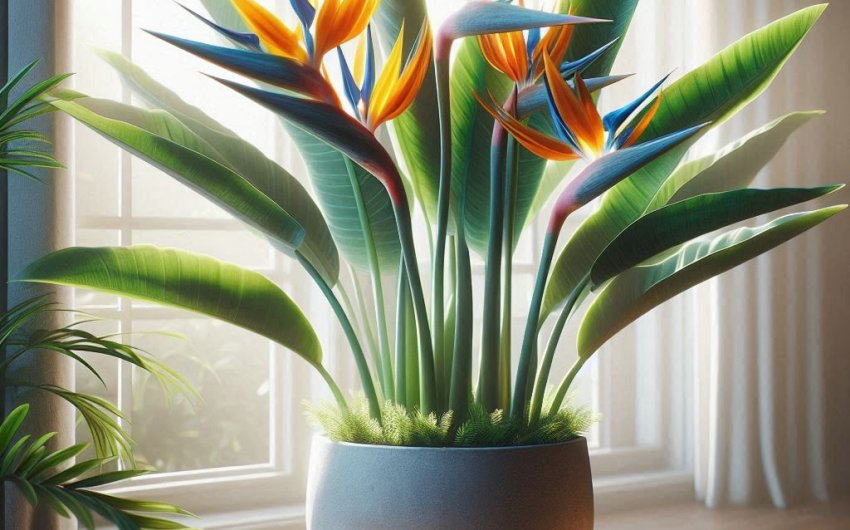
The dramatic foliage and iconic, crane-like blooms of the Bird of Paradise (Strelitzia reginae) instantly evoke images of tropical paradises. While commonly associated with warm outdoor climates, many aspiring indoor gardeners wonder: can Bird of Paradise be grown indoors? The exciting answer is a resounding yes! With the right conditions and consistent care, this stunning plant can absolutely thrive inside your home, becoming a magnificent focal point with its large, banana-like leaves. Though flowering indoors can be a challenge, the impressive foliage alone makes it a worthwhile endeavor. This comprehensive guide will walk you through the precise steps to cultivate a healthy and happy indoor Bird of Paradise, transforming a corner of your home into a lush, exotic retreat.
Why Grow Bird of Paradise Indoors?
Bringing a Bird of Paradise plant indoors offers unique benefits, transforming your living space with its bold presence and tropical allure.
What are the Benefits of an Indoor Bird of Paradise?
- Dramatic Foliage: Even without blooms, the large, paddle-shaped leaves of the Bird of Paradise provide an impressive, architectural statement. They can instantly make a room feel more lush and tropical.
- Air Purification: Like many houseplants, Bird of Paradise contributes to better indoor air quality by absorbing common indoor pollutants.
- Tropical Aesthetic: For those living in cooler climates, an indoor Bird of Paradise allows you to bring a piece of the tropics into your home, enhancing your decor with its exotic vibe.
- Relatively Low Maintenance (Once Established): While they have specific needs, established Bird of Paradise plants are not overly demanding compared to some other tropical houseplants, especially if their basic requirements for light and water are met.
- Potential for Unique Blooms: While challenging indoors, achieving a Bird of Paradise flower is a truly spectacular reward, making the plant even more special.
What Kind of Bird of Paradise is Best for Indoors?
There are several species of Strelitzia, but two are most commonly grown: the Orange Bird of Paradise and the White Bird of Paradise. Your choice impacts eventual size and flowering potential.
Strelitzia reginae (Orange Bird of Paradise)
- Description: This is the most common and recognizable species. It grows to a more manageable size indoors, typically 4-6 feet tall. Its leaves are broad, leathery, and paddle-shaped, resembling banana leaves but smaller. The iconic flowers are vibrant orange and blue, resembling a crane's head.
- Indoor Suitability: Excellent choice for indoor growing due to its relatively compact size and stunning foliage. More likely to bloom indoors compared to its larger cousin, though still a challenge.
- Light Requirements: Needs very bright light, including several hours of direct sunlight, to thrive and potentially bloom.
- Mature Size: Can reach 6 feet tall or more in containers.
Strelitzia nicolai (White Bird of Paradise / Giant Bird of Paradise)
- Description: This species is much larger, resembling a banana tree with its significantly larger leaves (up to 5-10 feet long). It produces striking white and dark blue flowers.
- Indoor Suitability: Can be grown indoors but will quickly outgrow most spaces, reaching 10-20 feet indoors. Its large leaves are prone to tearing. More often chosen for its dramatic foliage than for indoor blooms, which are rare.
- Light Requirements: Even more demanding of bright, direct sunlight than Strelitzia reginae.
- Mature Size: Can become a very large indoor tree.
Recommendation: For most indoor gardeners, the Orange Bird of Paradise (Strelitzia reginae) is the preferred choice due to its more manageable size and higher likelihood of flowering. You can find healthy Bird of Paradise plants from various online nurseries.
How Much Light Does an Indoor Bird of Paradise Need?
Light is the single most critical factor for a thriving indoor Bird of Paradise. Without enough light, your plant will struggle, producing smaller, paler leaves and certainly no flowers.
What is the Ideal Light Exposure?
- Bright, Direct Sunlight: Bird of Paradise plants are true sun-loving plants. They need at least 6 hours of bright, direct sunlight per day to truly flourish.
- Window Placement: The best location is in front of a south-facing window (in the Northern Hemisphere), where they can receive intense, unfiltered light for most of the day. A very bright west-facing window can also work, but be mindful of intense afternoon sun in hot climates, which might cause scorching in summer if not acclimated.
- East-Facing Window: An east-facing window provides gentle morning sun and bright indirect light. While better than a north window, it's often not enough light for robust growth or flowering in a Bird of Paradise.
- Insufficient Light Signs: If your Bird of Paradise isn't getting enough light, you'll see:
- Slow or Stunted Growth: New leaves are smaller than older ones.
- Leggy Growth: Long stems reaching for light.
- Lack of Flowering: The most common reason for no blooms indoors.
- Palid Green Leaves: Leaves may lose their deep green vibrancy.
Can Grow Lights Help?
Yes, if your home lacks sufficient natural light, supplemental lighting from a grow light is highly beneficial, especially if you hope for blooms.
- Type: Use a powerful full-spectrum LED grow light designed for high-light plants.
- Placement: Position the grow light a few feet above the plant, adjusting as it grows.
- Duration: Provide 12-16 hours of supplemental light per day, mimicking long daylight hours.
How Do You Water and Fertilize an Indoor Bird of Paradise?
While light is primary, proper watering and feeding are also essential for healthy growth and promoting blooms.
Watering an Indoor Bird of Paradise
Bird of Paradise plants prefer consistently moist, but not soggy, soil.
- Allow to Dry Slightly: Allow the top 2-3 inches of soil to dry out between waterings. Use your finger or a moisture meter to check.
- Water Thoroughly: When you do water, water deeply until excess water drains from the bottom of the pot. Ensure no standing water remains in the saucer, as this can lead to root rot.
- Reduce in Winter: During the cooler, darker winter months, reduce watering frequency as the plant's growth slows down.
- Yellowing/Browning Leaves: These can be signs of both underwatering (crispy, dry leaves) and overwatering (mushy yellow leaves, often accompanied by root rot). Pay close attention to soil moisture.
Fertilizing an Indoor Bird of Paradise
Bird of Paradise plants are heavy feeders, especially during their active growing season.
- Fertilizer Type: Use a balanced liquid houseplant fertilizer (e.g., 20-20-20 NPK) or one formulated for flowering tropical plants. Some gardeners opt for a fertilizer slightly higher in phosphorus and potassium to encourage blooming.
- Frequency: Fertilize every 2-4 weeks during the active growing season (spring and summer).
- Reduce in Winter: Stop fertilizing completely in fall and winter when the plant's growth slows.
- Dilution: Always dilute the fertilizer to half strength or according to package directions to avoid "burning" the roots.
What is the Best Soil and Pot for an Indoor Bird of Paradise?
The right soil and pot provide the foundation for a healthy root system, which is crucial for overall plant vigor.
Best Potting Mix
Bird of Paradise plants need a well-draining potting mix that also retains some moisture.
- Composition: A standard indoor potting mix amended with extra perlite (for drainage) and some compost or aged bark chips (for moisture retention and organic matter) works well.
- Avoid Heavy Soil: Do not use heavy garden soil, which compacts easily and leads to poor drainage and root rot.
Ideal Pot Type and Size
- Drainage Holes: The pot MUST have adequate drainage holes to prevent waterlogging.
- Material:
- Terracotta pots are good as they are porous and allow the soil to breathe and dry out more quickly, reducing the risk of overwatering.
- Plastic pots are fine, but may retain moisture longer, so adjust watering accordingly.
- Size:
- Start with a pot that is only slightly larger than the root ball of your new plant.
- Bird of Paradise plants actually prefer to be slightly root-bound to encourage flowering. Don't overpot!
- Increase pot size gradually as the plant grows, usually by 2-4 inches in diameter each time. A good size for a mature indoor plant might be 10-14 inches in diameter.
When to Repot?
- Signs: Roots growing out of the drainage holes, water running straight through the pot without being absorbed, or stunted growth.
- Frequency: Young plants may need repotting every 1-2 years. Mature plants might only need it every 3-5 years.
- Timing: Best to repot in spring or early summer during the active growing season.
How Do You Manage Humidity and Temperature for Indoor Bird of Paradise?
These tropical plants thrive in specific environmental conditions that mimic their native habitats.
Ideal Temperature Range
- Warmth: Bird of Paradise plants prefer warm temperatures between 65-80°F (18-27°C) during the day.
- Nighttime Drop: They can tolerate a slight drop at night, but consistently cold temperatures (below 50°F or 10°C) can stress the plant and inhibit growth or flowering.
- Avoid Drafts: Keep away from cold drafts from windows or doors, and hot drafts from heating vents.
Humidity Requirements
- Moderate to High Humidity: Bird of Paradise plants thrive in moderate to high humidity, typically 50-70%. Indoor environments, especially in winter with heating systems, can be very dry.
- Signs of Low Humidity: Brown, crispy leaf edges or tips.
- How to Increase Humidity:
- Humidifier: Use a plant humidifier near the plant.
- Pebble Tray: Place the pot on a pebble tray filled with water (ensure the pot is not sitting directly in the water).
- Grouping Plants: Grouping plants together naturally increases humidity around them.
- Misting (Limited Effectiveness): While misting leaves can temporarily raise humidity, its effect is short-lived. It's more effective when combined with other methods.
How Do You Prune and Groom an Indoor Bird of Paradise?
Pruning helps maintain the plant's size, shape, and overall health.
When and How to Prune?
- Timing: The best time to prune is in spring or early summer during the active growing season.
- Remove Dead/Damaged Leaves: Use sharp, clean pruning shears to remove any yellow, brown, or damaged leaves at their base (where they emerge from the stem).
- Remove Spent Flower Stalks: After flowering (if you're lucky enough to get blooms), cut the spent flower stalks back to the base.
- Control Size/Shape: If your plant is getting too large, you can prune outer leaves or even cut back entire stems at the base. This will encourage new growth from the rhizome.
Dealing with Leaf Splitting
It's common and natural for the large leaves of Bird of Paradise plants to split along the veins. This is how they've adapted to windy conditions in their native habitat, allowing wind to pass through without tearing the entire leaf.
- Natural Process: Don't try to prevent it. It's a natural part of their growth.
- Aesthetics: Some gardeners find this adds to their wild, tropical charm. Others might trim excessively split sections for aesthetic reasons.
What Are Common Problems with Indoor Bird of Paradise?
Even with proper care, indoor Bird of Paradise plants can encounter issues. Knowing what to look for helps you react quickly.
Brown or Crispy Leaf Edges/Tips
- Cause: Most often a sign of low humidity or underwatering. Can also be from mineral buildup in tap water or salt accumulation from fertilizer.
- Fix: Increase humidity (humidifier, pebble tray). Water more consistently. If mineral buildup is suspected, flush the soil with distilled water or let tap water sit out overnight before using.
Yellowing Leaves
- Cause:
- Overwatering: The most common cause. If leaves are yellow and mushy, and the soil is soggy, it's likely root rot.
- Underwatering: If leaves are yellow and crispy, and the soil is bone dry.
- Nutrient Deficiency: Uniform yellowing of older leaves can indicate a lack of nitrogen.
- Natural Aging: It's normal for a few older, lower leaves to yellow and drop over time.
- Fix: Adjust watering. Check for root rot. Fertilize during growing season.
No Blooms (Indoor)
- Cause: The most common reason is insufficient light. Other factors include immaturity (needs to be at least 3-5 years old), not being root-bound enough, or lack of proper dormant period (cooler temps in winter).
- Fix: Move to the brightest possible location (south-facing window). Consider a powerful grow light. Ensure it's slightly root-bound. Provide a slight cool-down period in winter if possible (e.g., lower temps to 55-60°F or 13-16°C).
Pests
- Common Pests: Spider mites, mealybugs, and scale insects.
- Symptoms: Sticky residue (honeydew), tiny webs, small white cottony masses, or raised bumps on leaves and stems.
- Control: Inspect regularly. For minor infestations, wipe off pests with a cotton swab dipped in rubbing alcohol. For more severe cases, use organic neem oil spray or insecticidal soap. Isolate infested plants to prevent spread.
Mushy Stems or Base
- Cause: Almost always a sign of severe overwatering and root rot.
- Fix: Immediate action is needed. Unpot the plant, inspect roots, cut away any rotten, mushy roots, and repot in fresh, dry, well-draining soil. Reduce watering frequency dramatically. This can be difficult to recover from if severe.
Growing a Bird of Paradise indoors is a commitment to providing the bright light and consistent care these tropical beauties demand. However, the reward of their dramatic foliage and the possibility of their exotic blooms makes the effort truly worthwhile, bringing a slice of paradise right into your home.