
How to Revive a Dying Calathea Plant?
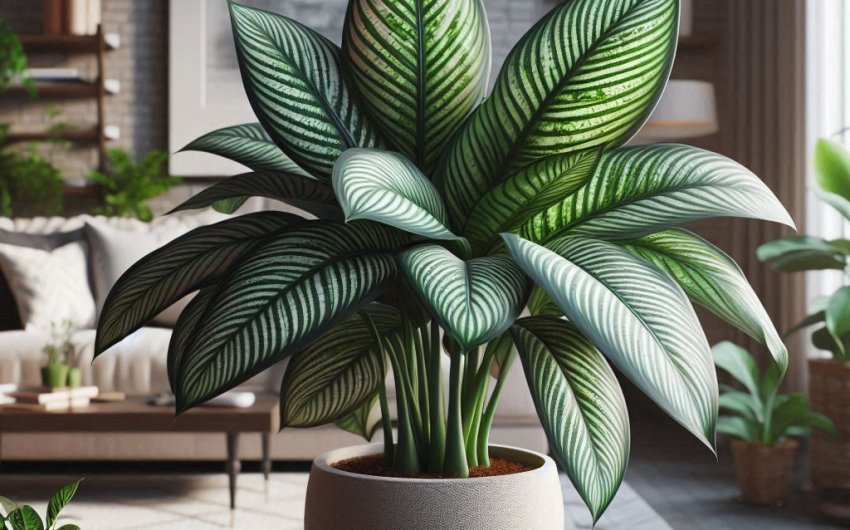
Is your once vibrant calathea plant looking a little sad? Are its leaves curling, edges browning, or is it just not as perky as it used to be? Don't toss it out just yet! Many calathea problems can be fixed with a bit of understanding and care. These beautiful, often dramatic, houseplants are known for their stunning foliage and unique leaf movements, but they can be a bit finicky. The good news is that with the right approach, you can bring your struggling prayer plant back from the brink and enjoy its lush beauty once more. This guide will walk you through common issues and provide practical steps to help your dying calathea thrive again.
Why is My Calathea Struggling?
Understanding why your calathea is having trouble is the first step to reviving it. Often, a plant's distress signals are simply its way of telling you something in its environment isn't quite right. Calathea plants are native to tropical rainforests, so they crave conditions that mimic their natural habitat. When these conditions aren't met, they start to show signs of stress.
What are the Common Signs of a Stressed Calathea?
Recognizing the signs of distress early can make a big difference.
- Curling Leaves: This is often a sign of low humidity or underwatering. Your calathea is trying to conserve moisture by reducing the surface area of its leaves.
- Browning Leaf Edges or Tips: This usually points to a lack of humidity or mineral buildup from tap water. It can also be a sign of overfertilization.
- Yellowing Leaves: Overwatering is a common culprit here. Yellow leaves can also indicate nutrient deficiencies or, less commonly, pest issues.
- Drooping Stems/Leaves: This can signal both overwatering (root rot) and severe underwatering. Check the soil moisture carefully.
- Crispy, Dry Leaves: A clear indicator of very low humidity or severe underwatering.
- Lack of Leaf Movement: Calatheas are known as "prayer plants" because their leaves move up and down throughout the day. If your plant isn't doing this, it might be stressed or not getting enough light.
- Stunted Growth: If your calathea isn't putting out new leaves or seems to have stopped growing, it's a sign something is off with its care.
- Pests: Small spots, sticky residue, or webbing can indicate a pest infestation. Common calathea pests include spider mites and mealybugs.
How Can I Provide the Right Humidity for My Calathea?
Calathea plants absolutely love humidity. In their natural rainforest homes, the air is thick with moisture. When you bring them into a dry indoor environment, they quickly suffer. Lack of humidity is one of the most frequent reasons for calathea plant problems, especially brown tips and crispy leaves.
Why is Humidity so Important for Calatheas?
Think of it this way: their leaves are designed to absorb moisture from the air. Without it, they dry out, leading to those unsightly brown edges.
- Mimics Natural Habitat: High humidity prevents their delicate leaves from drying out.
- Prevents Browning: The most common sign of low humidity is brown, crispy leaf edges or tips.
- Aids Photosynthesis: Proper humidity helps the plant perform its essential functions efficiently.
What are the Best Ways to Increase Humidity?
Don't just mist your plant once a day and call it good. Misting provides a very temporary boost that quickly evaporates. For lasting results, try these methods:
- Use a Humidifier: This is by far the most effective way to provide consistent humidity for your calathea. A good plant humidifier like the LEVOIT Humidifiers for Home can significantly improve your plant's health. Place it close to your plant, but not so close that the leaves get wet constantly.
- Pebble Trays: Fill a tray with pebbles and add water until it just reaches the top of the pebbles, but doesn't cover them. Place your potted calathea on top of the pebbles. As the water evaporates, it creates a more humid microclimate around the plant. Make sure the pot isn't sitting directly in the water, as this can lead to root rot.
- Group Plants Together: Plants release moisture through a process called transpiration. Grouping several calathea plants or other humidity-loving houseplants together can create a localized zone of higher humidity.
- Terrariums or Plant Cabinets: For serious calathea enthusiasts, a small terrarium or a dedicated plant cabinet (like an IKEA greenhouse cabinet) can provide a controlled, high-humidity environment.
Am I Watering My Calathea Correctly?
Watering is probably the trickiest part of calathea care. They hate being too wet, but they also hate being too dry. Getting it just right is crucial for a healthy plant. Overwatering is a leading cause of calathea decline, often leading to root rot.
How Much Water Does a Calathea Need?
The key is consistency and checking the soil.
- Feel the Soil: Stick your finger about an inch or two into the soil. If it feels dry, it's time to water. If it still feels moist, wait.
- Water Thoroughly: When you do water, soak the soil completely until water drains from the bottom of the pot. This ensures all the roots get moisture.
- Empty Saucer: Never let your calathea sit in standing water in its saucer. This is a surefire way to encourage root rot. Empty the saucer after about 30 minutes.
- Frequency Varies: How often you water depends on many factors: the size of the pot, the type of soil, the temperature, light, and humidity in your home. There's no fixed schedule.
- Better to Underwater Slightly than Overwater: If you're unsure, err on the side of watering a day later rather than a day too early. Calatheas can recover from being a bit dry more easily than from root rot.
What Type of Water Should I Use for My Calathea?
This is a big one! Calatheas are highly sensitive to the chemicals found in tap water, especially chlorine and fluoride. This often manifests as brown tips or edges on leaves, even when humidity is good.
- Filtered Water: Use filtered water, ideally from a water filter pitcher.
- Distilled Water: Distilled water is also excellent, as it has had all minerals and chemicals removed.
- Rainwater: If you can collect it, rainwater is the absolute best for calatheas as it's naturally soft and free of chemicals.
- Let Tap Water Sit: If filtered or distilled water isn't an option, fill a watering can with tap water and let it sit out for 24-48 hours. This allows some of the chlorine to evaporate. However, it won't remove fluoride.
Is My Calathea Getting Enough Light?
Light is another critical factor. Calatheas need bright, indirect light. Too much direct sun will scorch their delicate leaves, while too little light will lead to dull foliage and stunted growth.
What is Bright, Indirect Light?
Think about their natural environment: they grow on the rainforest floor, under the canopy of larger trees. They get plenty of light, but it's filtered and never direct.
- Near a North or East-Facing Window: These windows typically provide softer, indirect light throughout the day.
- Away from Direct South or West Sun: If you only have south or west-facing windows, place your calathea several feet away from the window, or use sheer curtains to diffuse the light.
- Avoid Direct Sun: Direct sunlight will quickly bleach, scorch, and damage their leaves, leading to crispy brown spots.
- Too Little Light: If your plant isn't getting enough light, its colors might fade, and it might stop putting out new growth. The characteristic leaf movement might also be less noticeable.
How Can I Tell if the Light is Right?
Observe your plant's leaves.
- Fading Colors: If the vibrant patterns on your calathea's leaves are looking dull or faded, it might be getting too much light.
- Scorched Spots: Crispy, brown spots or patches, especially in the center of the leaves, are a clear sign of too much direct sun.
- Leaning Towards Light: If your plant is bending strongly towards a light source, it might be trying to tell you it needs more light.
What Kind of Soil Does a Calathea Need?
The right potting mix is essential for proper drainage and aeration. Calatheas need a soil that retains some moisture but also drains very well to prevent soggy roots, which lead to root rot.
What Makes a Good Calathea Potting Mix?
A standard all-purpose potting mix often isn't enough. You need to amend it.
- Well-Draining: This is paramount. If water sits around the roots, they will suffocate and rot.
- Aerated: Roots need oxygen. A chunky mix allows for good airflow.
- Moisture-Retentive (but not soggy): It should hold enough moisture to keep the roots hydrated without becoming waterlogged.
How Can I Create the Ideal Soil Mix?
You can buy specialized mixes, or easily make your own.
- Mix Components: A good base is a high-quality indoor potting mix. To this, add elements for drainage and aeration:
- Perlite: Improves drainage and aeration. Add a good amount, about 20-30% of the total mix.
- Orchid Bark: Adds chunkiness and aeration, excellent for preventing compaction.
- Pumice: Similar to perlite, also helps with drainage.
- Coco Coir: A sustainable alternative to peat moss, it holds moisture well without becoming compacted.
- Repotting: If your calathea is in dense, heavy soil and showing signs of distress, repotting it into a better mix can be a game-changer. Gently remove as much of the old soil as possible, inspect the roots (trim any mushy, rotten ones), and repot into the fresh, well-draining mix.
When Should I Fertilize My Calathea?
Calatheas are not heavy feeders. Overfertilizing can easily lead to fertilizer burn, where salts build up in the soil and damage the roots, causing brown leaf tips.
How Often Should I Fertilize?
Less is often more with calatheas.
- During Growing Season Only: Fertilize only during the active growing season, which is typically spring and summer. Stop fertilizing in fall and winter when the plant's growth slows down.
- Diluted Strength: Use a balanced liquid houseplant fertilizer at half or even quarter strength. For example, a liquid plant food can be diluted.
- Infrequent Application: Fertilize every 2-4 weeks during the growing season at the diluted strength. If your plant is struggling, it's best to hold off on fertilizing until it shows signs of recovery.
- Flush the Soil: Every few months, water your calathea thoroughly with plain, filtered water until it drains from the bottom for a prolonged period. This helps flush out any accumulated mineral salts from the soil.
How Do I Deal with Pests on My Calathea?
Even with perfect care, calatheas can sometimes attract pests, especially in dry conditions. Spider mites are a particular nemesis of calathea plants.
What Pests Should I Look Out For?
Knowing what to look for helps you act quickly.
- Spider Mites: These are tiny, reddish-brown mites that create fine webs, often on the undersides of leaves or in leaf axils. They cause tiny yellow or white stippling (dots) on the leaves.
- Mealybugs: These look like small, white, cottony masses, usually found in leaf axils or along stems. They secrete a sticky substance called honeydew.
- Fungus Gnats: Small, dark flies that buzz around the soil. While annoying, the larvae in the soil can feed on roots, especially in overly moist conditions.
How Can I Treat Pests on My Calathea?
Early detection and consistent treatment are key.
- Isolation: As soon as you spot pests, isolate your calathea from other plants to prevent the infestation from spreading.
- Wipe Down Leaves: For spider mites and mealybugs, use a damp cloth with a few drops of mild dish soap or neem oil concentrate to wipe down every leaf, top and bottom, and stems. This physically removes many of the pests.
- Neem Oil Spray: A mixture of water and neem oil is an excellent organic pest control. Spray the entire plant thoroughly, ensuring to get the undersides of leaves. Repeat every 5-7 days for several weeks to break the pest life cycle.
- Insecticidal Soap: Commercial insecticidal soap is effective against many soft-bodied pests. Follow the product instructions carefully.
- Sticky Traps: For fungus gnats, yellow sticky traps can catch the adult flies, reducing their numbers. Let the top layer of soil dry out between waterings to deter larvae.
- Consistency: Pest treatment isn't a one-time thing. You need to be consistent with applications until all signs of pests are gone.
Why are My Calathea Leaves Curling or Drooping?
Curling or drooping leaves are common signs of distress in calatheas. They are the plant's way of conserving moisture or reacting to root issues.
What Causes Curling Leaves?
Most often, this is about water and humidity.
- Low Humidity: The most common reason. The plant curls its leaves to reduce the surface area exposed to dry air, trying to slow down moisture loss.
- Underwatering: If the soil is bone dry, the plant can't take up enough water, leading to limp and curling leaves.
- Too Much Light: Intense, direct light can stress the plant, causing it to curl its leaves to protect them from scorching.
What Causes Drooping Leaves?
This can be more ambiguous, as it can indicate both ends of the watering spectrum.
- Overwatering/Root Rot: If the soil is consistently soggy, the roots can't breathe and start to rot. Damaged roots can't transport water to the leaves, leading to wilting, even if the soil is wet. The leaves will often look limp and yellow.
- Severe Underwatering: If the soil is completely dry for too long, the plant will become dehydrated and droop. The leaves will likely feel dry and crispy.
- Temperature Shock: Sudden drops in temperature can cause calathea leaves to droop. They prefer consistent, warm temperatures.
How Do I Fix Curling or Drooping Leaves?
- Check Soil Moisture: The first thing to do is feel the soil. Is it bone dry, or waterlogged?
- If Dry: Water thoroughly until water drains from the bottom. Increase humidity.
- If Wet/Soggy: This points to root rot. Gently unpot the plant, inspect the roots. Trim off any mushy, black, or smelly roots with clean scissors. Repot into fresh, well-draining soil in a clean pot (or one cleaned with a 10% bleach solution). Allow the soil to dry out more between waterings going forward.
- Adjust Humidity: If underwatering isn't the issue, focus on increasing humidity.
- Check Light: Move your plant to a spot with bright, indirect light if it's currently in direct sun.
- Ensure Proper Drainage: Make sure the pot has drainage holes. If not, repot into a pot with holes.
My Calathea Has Brown Tips/Edges – What Should I Do?
Brown tips or edges are a very common complaint with calathea plants and are usually a sign of environmental stress, specifically relating to water or humidity.
What Causes Brown Tips or Edges?
Several factors can contribute to this problem.
- Low Humidity: This is the number one cause. When the air is too dry, moisture evaporates from the leaf edges faster than the roots can supply it, causing the tissue to dry out and turn brown.
- Tap Water Issues: As mentioned, calatheas are sensitive to chlorine and fluoride in tap water. These chemicals can build up in the soil and cause leaf burn, particularly on the edges.
- Underwatering: If the plant consistently doesn't get enough water, the outer edges of the leaves are the first to suffer from dehydration.
- Overfertilization: Too much fertilizer can lead to salt buildup in the soil, which burns the root tips and then the leaf edges.
- Drafts/Temperature Fluctuations: Cold drafts or sudden temperature changes can stress the plant and cause browning.
How Can I Treat Brown Tips on My Calathea?
Addressing the root cause is key.
- Increase Humidity: This is the most crucial step. Use a humidifier, pebble tray, or group plants.
- Use Better Water: Switch to filtered, distilled, or rainwater. If using tap water, let it sit out for 24 hours.
- Adjust Watering Schedule: Ensure you are watering thoroughly when the top inch or two of soil is dry, but not letting it sit in soggy conditions.
- Flush the Soil: Periodically flush the soil with plain, filtered water to remove mineral buildup.
- Cut Off Brown Bits: While not essential for the plant's health, you can trim the brown parts of the leaves with clean, sharp scissors. Cut along the natural shape of the leaf, leaving a tiny bit of brown to avoid cutting into healthy tissue. This makes the plant look better.
How Can I Bring My Calathea Back From Root Rot?
Root rot is a serious condition that can kill your calathea, but it is often reversible if caught early. It happens when roots are deprived of oxygen due to constantly soggy soil, leading to fungal or bacterial growth.
What Are the Signs of Root Rot?
- Yellowing, Drooping Leaves: Even when the soil is wet, the leaves will look limp and discolored because damaged roots can't absorb water.
- Mushy Stems: The base of the stems may feel soft or mushy.
- Foul Odor: The soil or roots might have a distinct rotten smell.
- Stunted Growth: The plant will stop growing new leaves.
How Do I Treat Root Rot?
This requires immediate action.
- Unpot the Plant: Gently remove your calathea from its pot. Try to keep the root ball as intact as possible.
- Inspect Roots: Carefully examine the roots. Healthy roots are typically firm and white or light-colored. Roots affected by rot will be brown, black, slimy, mushy, or stringy.
- Prune Damaged Roots: Using sharp, clean scissors or pruners, cut away all affected roots. Make sure to cut back to healthy, firm tissue. You may need to remove a significant portion of the root system.
- Clean the Pot: If you're reusing the same pot, wash it thoroughly with soap and water, then sanitize it with a 10% bleach solution to kill any lingering fungi or bacteria.
- Repot with Fresh Soil: Repot your calathea into fresh, well-draining potting mix. A mix specifically designed for aroids or one you've amended with perlite and orchid bark is ideal.
- Avoid Overwatering: After repotting, do not water immediately unless the soil is completely dry. Wait a few days to let the plant settle and any minor root wounds heal. Then, water sparingly and ensure the soil dries out considerably between waterings.
- Provide Stable Conditions: Keep your recovering calathea in a warm spot with bright, indirect light and good humidity. Avoid fertilizing until it shows signs of new growth.
Should I Prune My Dying Calathea?
Pruning can help a struggling calathea by removing dead or severely damaged parts, allowing the plant to redirect energy to healthy growth.
When Should I Prune?
- Dead or Crispy Leaves: Any leaves that are completely brown, crispy, or shriveled are dead and can be removed.
- Severely Yellowed or Damaged Leaves: If a leaf is mostly yellow or has extensive browning that won't recover, it's best to remove it.
- After Pest Treatment: Remove any leaves that are heavily damaged by pests to help the plant recover faster.
How Do I Prune My Calathea?
- Use Clean, Sharp Tools: Always use clean scissors or pruners to prevent introducing diseases. You can sterilize them with rubbing alcohol between cuts.
- Cut at the Base: Follow the stem of the damaged leaf down to the base of the plant (or where it emerges from the soil) and cut it there. Don't leave a stub.
- Don't Over-Prune: Avoid removing more than 20-30% of the plant's foliage at one time, especially if it's already stressed. The leaves are essential for photosynthesis.
What is the Best Environment for Calathea Recovery?
Once you've identified and addressed the specific issues, creating the ideal recovery environment is crucial for your calathea to bounce back.
What Conditions Promote Healing?
Consistency and stability are key.
- Consistent Warmth: Calatheas prefer temperatures between 65-80°F (18-27°C). Avoid sudden temperature drops or cold drafts. Keep them away from drafty windows or air conditioning vents.
- High Humidity: Continue to provide high humidity using a humidifier or pebble trays. This is non-negotiable for their health.
- Bright, Indirect Light: Ensure the plant is in a spot with plenty of bright, indirect light, away from any direct sunbeams.
- Good Air Circulation: While they love humidity, stagnant air can encourage fungal issues. Gentle air circulation (without drafts) is beneficial.
- Patience: Recovery takes time. Don't expect an overnight miracle. It might take weeks or even months for your calathea to fully recover and start pushing out new, healthy growth. Be patient and consistent with your improved care routine.
- Avoid Stressors: During recovery, avoid anything that could further stress the plant, such as repotting (unless it's for root rot), moving it frequently, or fertilizing.
Can I Propagate My Calathea if It's Too Far Gone?
If your calathea seems beyond saving, or you just want to create new plants, propagation is an option. Calatheas are typically propagated by division.
How Do I Propagate by Division?
Division is the easiest way to propagate calathea plants.
- Unpot the Plant: Carefully remove the plant from its pot.
- Gently Loosen Soil: Shake off as much old soil as possible from the roots.
- Identify Natural Divisions: Look for natural clumps or sections of the plant that have their own root system.
- Separate Carefully: Gently pull the clumps apart. If they are intertwined, you may need to use a clean, sharp knife to separate the rhizomes (underground stems) or root ball. Ensure each division has a good amount of roots and at least a few leaves.
- Pot Up Divisions: Plant each division into its own small pot using a fresh, well-draining calathea potting mix.
- Provide Humidity: Place the newly potted divisions in a warm, humid environment to help them establish. A clear plastic bag over the pot can create a mini-greenhouse effect. Water sparingly until you see new growth.
Remember, even the most beautiful and seemingly delicate plants can be resilient. With attention to their specific needs and a bit of a nurturing touch, your dying calathea can absolutely return to its former glory, filling your home with its vibrant foliage once more. Consistent observation and adjusting to its signals are the true secrets to a thriving calathea.