
How Do I Fertilize My Dumb Cane Plant?
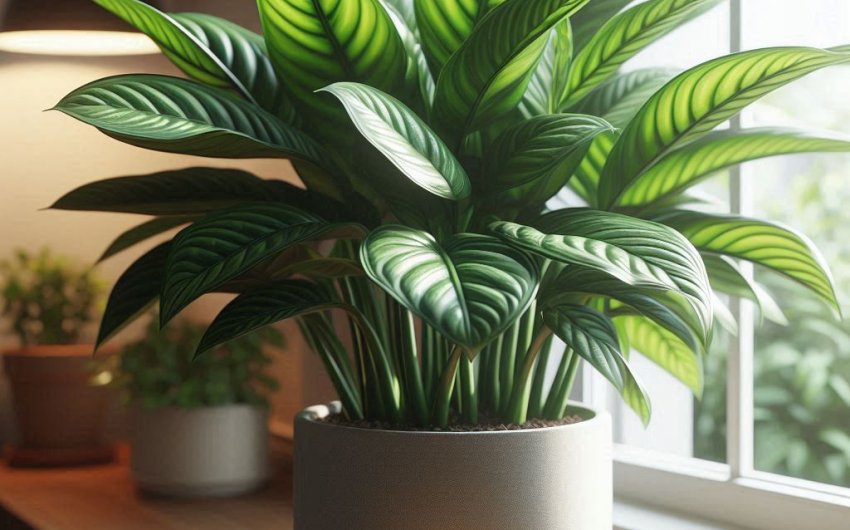
The Dumb Cane plant, also known by its scientific name Dieffenbachia, is a popular houseplant beloved for its lush, tropical foliage. Its large, striking leaves, often splashed or streaked with shades of green, white, cream, and yellow, bring a vibrant touch of the jungle indoors. It's relatively easy to care for, making it a favorite among both seasoned plant enthusiasts and those just beginning their indoor gardening journey. However, like all living things, a Dumb Cane needs more than just water and light to truly thrive; it also needs a balanced diet.
Just like we need vitamins and minerals to stay healthy, plants need nutrients from the soil to grow strong, produce vibrant leaves, and resist stress. In their natural habitat, plants constantly receive nutrients from decaying organic matter. But in a pot, the soil's nutrient supply gets used up over time. This is where fertilizing comes in. Providing your Dumb Cane plant with the right type and amount of fertilizer can make a dramatic difference in its health, leading to more vigorous growth, richer leaf coloration, and overall vitality.
However, fertilizing isn't a "more is better" situation. Too much of a good thing can actually harm your plant, leading to fertilizer burn or other issues. The key is understanding when, what, and how much to feed your Dumb Cane. This guide will walk you through everything you need to know about fertilizing your beautiful Dieffenbachia, ensuring it remains a lush and eye-catching feature in your home. Let's explore how to give your Dumb Cane the perfect nutritional boost for truly gorgeous foliage.
Why Does My Dumb Cane Plant Need Fertilizer?
Understanding why your Dumb Cane plant needs fertilizer is the first step to providing it with the right care. It's all about what the plant uses up and what it needs to grow.
Do Potted Plants Run Out of Nutrients?
Yes, potted plants definitely run out of nutrients. In nature, plants get their food (nutrients) from the soil, which is constantly being replenished by decaying leaves, dead plants, and other organic matter. This natural cycle keeps the nutrient levels steady. But in a pot, your Dumb Cane is in a closed system. It keeps absorbing nutrients from the potting mix, and over time, these nutrients get depleted. Once the original supply is used up, the plant won't have enough food to grow well, no matter how much light or water it gets.
What Nutrients Do Plants Need?
Just like humans need a balanced diet, plants need a range of nutrients for healthy growth. These are usually divided into two main groups:
- Macronutrients: These are needed in larger amounts. The most important ones for plants are:
- Nitrogen (N): Essential for leafy growth and green color. Think of it as boosting the foliage.
- Phosphorus (P): Important for strong roots, stems, and overall plant health.
- Potassium (K): Helps with overall plant vigor, water uptake, and disease resistance. These three are usually listed as an N-P-K ratio on fertilizer labels (e.g., 10-10-10).
- Micronutrients: These are needed in smaller amounts but are still vital. Examples include iron, manganese, zinc, boron, and copper. Most good quality fertilizers will include these.
What Happens if a Dumb Cane Doesn't Get Enough Nutrients?
If your Dumb Cane plant doesn't get enough nutrients, it will show signs of distress. These can include:
- Slow or stunted growth: The plant won't grow as big or as fast as it should.
- Yellowing leaves (chlorosis): Especially older leaves may turn yellow, indicating a lack of nitrogen or other essential nutrients like magnesium.
- Pale or dull foliage: The vibrant colors and patterns on the leaves might become less distinct or fade.
- Small leaves: New leaves may be smaller than usual.
- Weak stems: The plant might appear spindly and not robust.
- Increased susceptibility to pests and diseases: A weak, underfed plant is more vulnerable to problems. These symptoms tell you your plant is hungry and needs a nutritional boost.
Does Fertilizer Replace Repotting?
No, fertilizer does not replace repotting. While fertilizing adds nutrients, repotting does more than just replenish food. It also:
- Provides fresh soil: Even if nutrients are added, old potting mix can become compacted, lose its aeration, and no longer provide good drainage.
- Allows for root growth: Plants outgrow their pots. Repotting into a larger container gives the roots more space to expand, which supports larger top growth.
- Removes salt buildup: Fertilizers can leave behind salt residues in the soil over time. Repotting helps flush these out. You should repot your Dumb Cane every 1-2 years, or when it becomes root-bound, and then continue with a regular fertilizing schedule.
What Kind of Fertilizer is Best for Dumb Cane Plants?
Choosing the right fertilizer is important for your Dumb Cane plant's health. It's about selecting a product that provides the necessary nutrients in a form the plant can use.
What NPK Ratio is Best?
For a Dumb Cane, which is grown for its lush foliage, a balanced fertilizer or one slightly higher in nitrogen (N) is generally best.
- Balanced N-P-K: A ratio like 10-10-10 or 20-20-20 is a great all-around choice. This provides equal amounts of nitrogen (for leaves), phosphorus (for roots/stems), and potassium (for overall health).
- Slightly higher nitrogen: You could also opt for something like a 20-10-10 or similar, which will push more leafy growth. Avoid fertilizers that are very high in phosphorus (like "bloom boosters"), as your Dumb Cane is not grown for its flowers. A general purpose houseplant fertilizer with a balanced NPK is often perfect.
Should I Use Liquid or Granular Fertilizer?
Both liquid and granular fertilizers have their pros and cons:
- Liquid Fertilizers:
- Pros: Act faster, easy to dilute, provide immediate nutrient availability. Easy to control the dosage precisely.
- Cons: Need to be applied more frequently.
- Best for Dumb Cane: Generally preferred for houseplants like Dumb Cane because you can dilute them to a weaker strength, reducing the risk of over-fertilization and salt buildup.
- Granular (Slow-Release) Fertilizers:
- Pros: Release nutrients slowly over time, so you apply less often. Less risk of "fertilizer burn" if applied correctly.
- Cons: Slower acting, harder to adjust dosage if plant shows deficiency. For a Dumb Cane, if using granular, look for a controlled-release formulation.
What About Organic Fertilizers?
Organic fertilizers are made from natural sources like compost, fish emulsion, worm castings, or bone meal.
- Pros: Release nutrients slowly, improve soil health over time, less risk of burning. Good for the environment.
- Cons: Can have a slight odor (especially fish emulsion), sometimes less precise nutrient ratios, slower acting.
- Good choices for Dumb Cane:
- Fish emulsion: A good liquid organic option. Can have an odor for a short time after application. You can find organic fish emulsion fertilizer from various brands.
- Worm castings: A fantastic gentle, all-natural soil amendment. You can mix it into the top layer of soil or use it to make "compost tea." If you prefer an organic approach, these are excellent choices.
Should I Look for Micronutrients?
Yes, it's beneficial to use a fertilizer that includes micronutrients. While needed in small amounts, they are vital for overall plant health and preventing specific deficiencies (like iron deficiency, which can cause yellowing between leaf veins). Most good quality general-purpose houseplant fertilizers will contain a blend of essential micronutrients.
When Should You Fertilize Your Dumb Cane Plant?
Timing is everything when it comes to fertilizing your Dumb Cane plant. Providing nutrients at the right time supports its natural growth cycles and prevents stress.
When is the Active Growing Season for Dumb Cane?
The active growing season for most Dumb Cane plants is typically during the spring and summer months. This is when they receive the most light, temperatures are warmer, and they are naturally putting out new growth. This is the period when your plant is actively using nutrients and will benefit most from fertilization.
How Often Should You Fertilize During Active Growth?
During the active growing season (spring and summer), you should fertilize your Dumb Cane plant about every 2-4 weeks.
- Dilution is key: It's better to fertilize more frequently with a very dilute solution than rarely with a strong one. For liquid fertilizers, dilute them to half or even quarter strength of what the label recommends for outdoor plants. This reduces the risk of fertilizer burn and salt buildup.
- Monitor your plant: Always observe your plant. If it's growing vigorously and looks healthy, you're doing well. If it shows signs of nutrient deficiency (yellowing leaves, stunted growth), you might need to increase frequency or slightly increase strength (still diluted!).
When Should You Stop Fertilizing?
You should stop fertilizing your Dumb Cane plant during its dormant period, which is typically in the fall and winter months.
- Why stop?: During fall and winter, light levels are lower, and temperatures might be cooler, causing the plant's growth to slow down significantly. It's not actively growing as much, so it doesn't need as many nutrients.
- Risk of buildup: Fertilizing a dormant plant can lead to a buildup of salts in the soil, which can burn the roots and damage the plant. Resume fertilizing in spring when you see new growth emerging.
What About Fertilizing Newly Potted Plants?
If you have just repotting your Dumb Cane, wait about 4-6 weeks before fertilizing. Most fresh potting mixes contain enough slow-release nutrients to sustain the plant for at least a month. Fertilizing immediately after repotting can be too much for the plant as it's already adjusting to its new environment. Give it time to settle in. A fresh bag of indoor potting mix usually contains sufficient starter nutrients.
How Do You Fertilize Your Dumb Cane Plant?
The method of fertilizing your Dumb Cane plant is just as important as the type and timing. Proper application prevents problems and ensures your plant gets the most benefit.
How Do You Prepare Liquid Fertilizer?
Most common houseplant fertilizers are liquid concentrates that need to be diluted.
- Read the label: Always, always read the instructions on your specific fertilizer product first.
- Dilute properly: For a Dumb Cane, especially for regular feeding, it's recommended to dilute the fertilizer to half or even quarter strength of what the label suggests for outdoor plants or general houseplants. For example, if the label says 1 tablespoon per gallon, start with 1/2 tablespoon or 1/4 tablespoon per gallon.
- Use a measuring spoon: Be precise with your measurements. Over-fertilizing is a common mistake that can seriously harm your plant. A liquid measuring cup can be useful.
- Mix thoroughly: Stir the fertilizer well into the water before applying.
How Do You Apply Liquid Fertilizer?
Apply liquid fertilizer when you would normally water your plant.
- Water before fertilizing (optional but recommended): It's a good practice to water your Dumb Cane thoroughly with plain water before applying fertilizer. This helps prevent fertilizer burn, especially if the soil is very dry, as it dilutes the fertilizer further and ensures even distribution.
- Apply to moist soil: Never apply fertilizer to dry soil. Always make sure the soil is already slightly damp or thoroughly watered just beforehand.
- Pour evenly: Pour the diluted fertilizer solution slowly and evenly over the surface of the soil, ensuring it saturates the entire root ball. Continue until you see some liquid draining from the bottom of the pot. This ensures the nutrients reach the roots and helps flush out any old salt buildup.
How Do You Use Granular (Slow-Release) Fertilizer?
If you choose a slow-release granular fertilizer:
- Read instructions carefully: Follow the product's specific instructions for houseplants.
- Sprinkle on soil: Sprinkle the recommended amount of granules evenly over the surface of the soil, avoiding direct contact with the stem.
- Gently incorporate: You can gently work the granules into the top inch or two of soil with your fingers or a small trowel.
- Water thoroughly: Water the plant immediately after applying granular fertilizer to help activate it and start the nutrient release. Remember, granular fertilizers are typically applied much less frequently, usually once every few months or even once per season, depending on the product.
Should I Fertilize Via Foliar Feeding?
While some plants can benefit from foliar feeding (spraying diluted fertilizer directly onto the leaves), it's generally not the primary way to fertilize a Dumb Cane. They primarily absorb nutrients through their roots. However, a very dilute solution sprayed on the leaves can provide a quick boost of micronutrients if there's a specific deficiency. If you do foliar feed, ensure the leaves are clean and apply in the morning so they dry before nightfall to prevent fungal issues. A fine mist spray bottle is best for this.
What Are Common Fertilizing Mistakes and How to Fix Them?
Even experienced plant parents can make fertilizing mistakes. Knowing the common pitfalls and how to correct them will save your Dumb Cane plant from harm.
What is Over-Fertilizing?
Over-fertilizing is the most common and damaging fertilizing mistake. It means giving your plant too much fertilizer or fertilizing too often.
- Symptoms:
- Fertilizer burn: Yellow or brown leaf tips and margins, often looking crispy. This is due to the buildup of salts drawing water out of the plant.
- Stunted growth: Paradoxically, too much fertilizer can inhibit growth.
- Wilting: Even with moist soil, the plant might wilt due to root damage.
- White crust on soil: A visible salt buildup on the soil surface or drainage holes.
- The fix:
- Flush the soil: Take the plant to a sink or shower and thoroughly flush the soil with plain, pure water (distilled or rainwater) for 10-15 minutes. Let the water drain completely. This washes away excess salts.
- Stop fertilizing: Do not fertilize again for at least 1-2 months, allowing the plant to recover.
- Resume with lower strength: When you resume, use a much more diluted fertilizer solution.
What Happens if I Under-Fertilize?
Under-fertilizing means your plant isn't getting enough nutrients. This is less immediately damaging than over-fertilizing but will lead to a lackluster plant.
- Symptoms:
- Slow, weak growth.
- Pale green or yellowing leaves (especially older ones).
- Smaller new leaves.
- The fix:
- Start a regular schedule: Begin fertilizing with a diluted, balanced liquid fertilizer during the active growing season.
- Assess other factors: Ensure the plant is getting adequate light, water, and is not root-bound. Sometimes nutrient deficiency symptoms can mimic other problems.
Why is Salt Buildup a Problem?
Salt buildup occurs over time from dissolved minerals in tap water and from fertilizer residues. These salts can accumulate in the soil, making it difficult for the plant to absorb water, even if the soil is moist.
- Symptoms: Similar to over-fertilizing (white crust on soil, crispy leaf tips).
- Prevention:
- Use pure water: Whenever possible, use distilled water, rainwater, or filtered water for watering.
- Flush regularly: Once every few months, thoroughly flush the soil with plain water until it drains freely from the bottom.
- Dilute fertilizer: Always use fertilizer at a diluted strength.
- The fix: Flush the soil as described above.
What if I Forget to Fertilize?
It's okay to forget to fertilize occasionally. Plants are quite resilient.
- No immediate harm: One missed feeding won't kill your Dumb Cane.
- Long-term effects: Consistent neglect will eventually lead to nutrient deficiency symptoms.
- The fix: Just pick up with your regular fertilizing schedule when you remember. Don't try to "make up for" missed feedings by giving a stronger dose. Consistency is better than intensity. Setting a reminder on your phone can help you stick to a schedule.
How Does Light Affect Fertilizing Needs?
The amount of light your Dumb Cane receives directly affects its fertilizing needs.
- More light, more fertilizer: Plants in brighter (but still indirect) light grow faster and use up nutrients more quickly, so they will need more frequent fertilizing.
- Less light, less fertilizer: Plants in lower light conditions grow more slowly and use fewer nutrients. Fertilize them less frequently or with even more diluted solutions to prevent salt buildup and over-fertilization. Always consider light levels when deciding on your fertilizing schedule.