
What Type of Soil Is Best for a Parlor Palm?
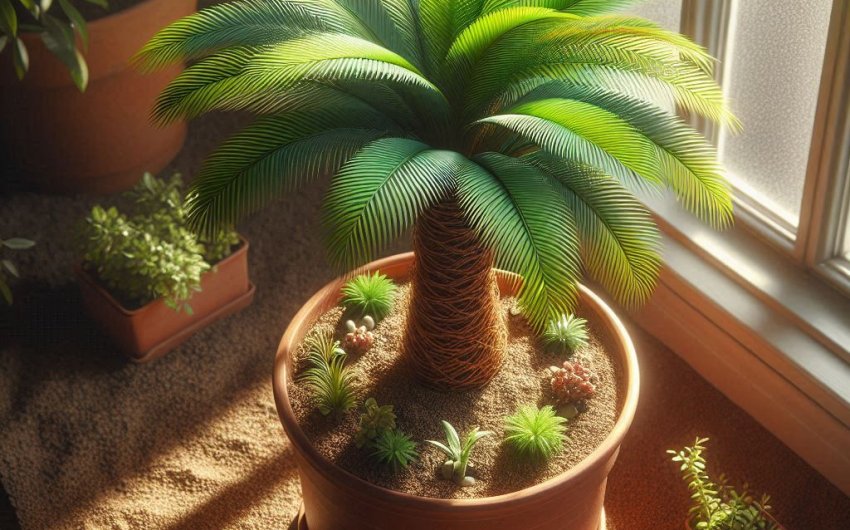
The parlor palm (Chamaedorea elegans) is a classic houseplant for good reason. Its elegant, feathery fronds bring a touch of the tropics indoors, and it's known for being relatively easy to care for, tolerant of lower light conditions, and wonderfully pet-friendly. However, even the most adaptable plants have specific preferences that unlock their full potential for lush growth. When it comes to the parlor palm, one of the most critical factors for its health is the type of soil it lives in. Getting the soil mix right is key to preventing common problems like root rot and ensuring your palm thrives for years to come.
Why Is Soil So Important for Your Parlor Palm?
You might think any old potting mix will do, but for a parlor palm, the soil is truly the foundation of its well-being. The right soil mix directly impacts root health, water uptake, and nutrient availability.
Preventing Root Rot
This is the number one reason why soil type matters for a parlor palm. Parlor palms are highly susceptible to root rot if their roots sit in soggy, poorly draining soil. When the soil is too dense, it holds too much water and doesn't allow enough air to reach the roots, suffocating them. Root rot is often a death sentence for palms if not caught early.
Ensuring Proper Drainage
A well-draining soil mix allows excess water to quickly escape the pot, preventing the roots from sitting in stagnant water. This is crucial for tropical plants like the parlor palm that naturally grow in environments with good drainage.
Providing Aeration for Roots
Roots need oxygen to breathe and function properly. A soil mix with good aeration (plenty of air pockets) ensures that oxygen can reach the roots, supporting their vital functions of absorbing water and nutrients. Dense, compacted soil starves roots of air.
Supporting Nutrient Uptake
While the parlor palm isn't a heavy feeder, a healthy root system in well-aerated, well-draining soil is better able to absorb the nutrients it does need. The right soil mix also often includes some organic matter that provides slow-release nutrients.
What Are the Key Characteristics of the Best Soil for a Parlor Palm?
When creating or choosing a soil mix for your parlor palm, aim for a blend that balances these three critical qualities: drainage, aeration, and moderate water retention.
1. Excellent Drainage
This cannot be stressed enough. The soil mix must allow water to flow freely through the pot without pooling. Components like perlite, pumice, or coarse sand are essential for this.
2. Good Aeration
Just as important as drainage, the soil needs to have plenty of air pockets. This goes hand-in-hand with drainage, as water pushing air out leads to suffocation. Loose, chunky components help create these air pockets.
3. Moderate Water Retention
While parlor palms don't like soggy soil, they do appreciate consistent moisture. The soil mix should be able to hold some water and nutrients for the roots to absorb between waterings, but not so much that it becomes waterlogged. Peat moss or coco coir helps with this.
4. Slightly Acidic to Neutral pH
Parlor palms generally prefer a soil pH that is slightly acidic to neutral, ideally between 6.0 and 7.0. Most commercial potting mixes for houseplants fall within this range, but it's good to be aware.
What Are the Best Ingredients for a Parlor Palm Soil Mix?
To achieve the ideal balance of drainage, aeration, and water retention, you'll typically combine several ingredients to create a custom potting mix for your parlor palm.
1. Base Material: Peat Moss or Coco Coir
These form the bulk of the potting mix and provide water retention and some nutrients.
- Peat Moss: A traditional choice, peat moss is lightweight and holds water well. However, it can become compacted over time and is not a renewable resource.
- Coco Coir: A sustainable alternative to peat moss, coco coir is derived from coconut husks. It offers excellent water retention and aeration, is resistant to compaction, and has a neutral pH. You can find FoxFarm Coco Coir as a good option.
2. Aeration and Drainage Boosters: Perlite or Pumice
These inorganic materials are critical for ensuring drainage and creating air pockets in the soil mix.
- Perlite: White, lightweight volcanic rock. It greatly improves drainage and aeration by creating microscopic air pockets. It's inexpensive and widely available. You can find Miracle-Gro Perlite.
- Pumice: Also a lightweight volcanic rock, similar to perlite but denser and less prone to floating to the top. It provides excellent drainage and aeration. Some growers prefer pumice over perlite for its stability.
3. Organic Matter for Structure and Nutrients: Orchid Bark or Charcoal
Adding chunky organic components helps mimic the natural forest floor environment where parlor palms thrive and provides slow-release nutrients.
- Orchid Bark (Fir Bark): Small to medium-sized pieces of orchid bark (often fir bark) are excellent for providing coarse texture, improving aeration, and creating drainage channels. They decompose slowly, providing some nutrients.
- Horticultural Charcoal: Improves drainage, absorbs impurities, and helps prevent odors. While not strictly necessary, it's a beneficial addition.
4. Coarse Sand (Optional, with Caution)
Some recipes call for coarse sand (like horticultural sand, not play sand or beach sand).
- Caution: Only use coarse sand or horticultural grit, as fine sand can actually worsen drainage by filling in air spaces. Use sparingly if at all. Many prefer to skip sand and rely on perlite or pumice for drainage.
DIY Parlor Palm Potting Mix Recipe
Creating your own potting mix allows you to tailor it perfectly to your parlor palm's needs. Here's a common and effective recipe:
- 2 parts Peat Moss or Coco Coir
- 1 part Perlite or Pumice
- 1 part Orchid Bark (small to medium grade)
Mixing Instructions:
- Gather your ingredients.
- In a large tub or bucket, thoroughly mix the peat moss (or coco coir) with the perlite (or pumice).
- Add the orchid bark and mix until all components are evenly distributed.
- The mixture should be light, airy, and drain freely when a small amount of water is added, yet still retain some moisture.
Choosing a Commercial Potting Mix for Parlor Palms
If you prefer to buy a pre-made potting mix, look for specific types that are formulated for good drainage.
What to Look For:
- "Palm Mix": Many brands offer a "palm mix" or "tropical plant mix." These are generally formulated to provide the drainage and aeration that palms require.
- "Cactus and Succulent Mix": A well-draining cactus and succulent mix can also work well for parlor palms, as these mixes are designed for rapid drainage and aeration. You might want to add a bit more peat moss or coco coir for slightly better water retention, as palms prefer more moisture than true cacti. Miracle-Gro Cactus, Palm & Citrus Potting Mix is a commonly available option.
- Avoid "All-Purpose" or "Moisture-Retaining" Mixes: These are usually too dense and hold too much water for parlor palms, increasing the risk of root rot. If you must use one, be sure to amend it heavily with perlite and orchid bark.
Amending Commercial Mixes:
Even if you buy a specialized mix, it's often beneficial to amend it further to fine-tune its properties for your specific growing environment.
- Add Extra Perlite/Pumice: If a commercial mix seems a bit too dense, mix in an extra 1 part perlite or pumice per 3 parts of the potting mix to boost drainage and aeration.
- Add Orchid Bark: Incorporating some orchid bark can also help improve structure and aeration.
The Importance of the Pot: Drainage Holes are Non-Negotiable
No matter how perfect your soil mix is, it won't matter if your pot doesn't have proper drainage holes.
Drainage Holes: Absolute Must-Have
- Always Use Pots with Holes: Never plant a parlor palm in a pot without drainage holes. This is a direct path to root rot.
- Avoid Drainage Layers (e.g., Rocks): Putting a layer of rocks or broken pot shards at the bottom of the pot does not improve drainage. It actually raises the water table within the pot, making the bottom layer of soil more likely to stay soggy. Let the soil mix do the work.
Pot Material
- Terra Cotta/Unglazed Ceramic: These materials are porous, meaning they allow air and moisture to pass through the pot walls. This promotes evaporation from the sides, which can help prevent overwatering and improve aeration. However, they also dry out faster, so you might need to water more frequently.
- Plastic/Glazed Ceramic: These pots are non-porous. They retain moisture longer, which can be beneficial in drier indoor environments, but also increases the risk of overwatering if you're not careful. Ensure they have adequate drainage holes.
When Should You Repot Your Parlor Palm?
Even with the best soil mix, parlor palms will eventually need to be repotted.
Signs Your Parlor Palm Needs Repotting:
- Roots Circling the Pot: If you see roots growing in a dense circle around the inside of the pot or growing out of the drainage holes.
- Water Drains Too Quickly: If water seems to run straight through the pot without soaking in, it means the plant is root-bound and there's not enough soil to hold moisture.
- Stunted Growth: If your parlor palm hasn't grown much despite good care.
- Nutrient Depletion: Over time, the soil in a pot loses its nutrients and can break down, reducing aeration and drainage.
- Optimal Timing: Repotting is best done in spring or early summer, during the plant's active growing season.
How to Repot:
- Choose a Slightly Larger Pot: Only go up one pot size (e.g., from an 8-inch to a 10-inch pot). Too large a pot holds too much excess moisture, increasing root rot risk.
- Prepare New Soil: Have your ideal parlor palm soil mix ready.
- Remove the Palm: Gently loosen the plant from its old pot. If it's stuck, run a knife around the inner edge of the pot.
- Inspect Roots: Gently loosen any circling roots. Trim off any soft, mushy, or dark roots (signs of root rot).
- Replant: Place a layer of fresh soil mix at the bottom of the new pot. Center the palm and fill around the root ball with more soil mix, ensuring the base of the plant is at the same level as it was in the old pot.
- Water Thoroughly: Water the newly repotted palm until water drains from the bottom.
Common Soil-Related Problems for Parlor Palms
Even with the right soil mix, understanding how to spot and fix common problems related to soil is important for maintaining your parlor palm's health.
1. Root Rot
- Symptoms: Yellowing, wilting, or browning leaves, often starting from the tips or older leaves. The soil smells foul. The plant appears droopy despite being watered. If you unpot it, roots will be brown, mushy, and smelly.
- Cause: Almost always overwatering in poorly draining soil.
- Solution: Immediately unpot the plant. Trim off all affected roots with clean, sharp shears. Rinse remaining roots. Repot into fresh, well-draining soil mix in a clean pot (or the same pot, cleaned and sterilized). Water lightly and allow to dry out more between waterings. This is often a last-ditch effort for severe root rot.
2. Salt Buildup
- Symptoms: White crust on the surface of the soil or around the rim of the pot. Leaf tips turn brown and crispy.
- Cause: Accumulation of mineral salts from tap water or fertilizers, especially if water doesn't drain freely.
- Solution: Leach the soil by slowly pouring a large volume of plain water through the pot (2-3 times the pot's volume), allowing it to drain thoroughly. Do this every few months. Use filtered water if your tap water is very hard.
3. Soil Compaction
- Symptoms: Water pools on the surface of the soil and drains very slowly. Roots may struggle to grow, leading to stunted growth.
- Cause: Over time, peat moss or other components can break down, or frequent watering can compact the soil.
- Solution: Gently aerate the top layer of soil with a chopstick or thin dowel. For severe compaction, repotting with a fresh, airy soil mix is the best solution.
The Role of Top Dressing and Mulching in Parlor Palm Soil Care
Beyond the initial potting mix, a few surface treatments can benefit your parlor palm's soil.
Top Dressing with Compost
- Benefits: Periodically (e.g., once a year in spring), remove the top inch or two of old potting mix from the pot and replace it with fresh compost or worm castings. This slowly releases nutrients, improves soil health, and adds beneficial microbes.
- Method: Gently work the compost into the top layer of soil, being careful not to disturb shallow roots.
Decorative Mulch
- Benefits: A thin layer of decorative mulch (like small river stones, decorative bark, or larger orchid bark pieces) on the soil surface can help reduce water evaporation from the soil, keeping it consistently moist for longer. It also gives a clean, finished look.
- Caution: Don't use too thick a layer, as it can hinder air exchange. Ensure it doesn't hold too much moisture against the stem, which could encourage rot.
By understanding the vital role of soil type and implementing these soil management techniques, you'll be well on your way to mastering parlor palm care and enjoying your beautiful, thriving houseplant for many years to come.