
Does Monstera Deliciosa Need to Be Repotted Frequently?
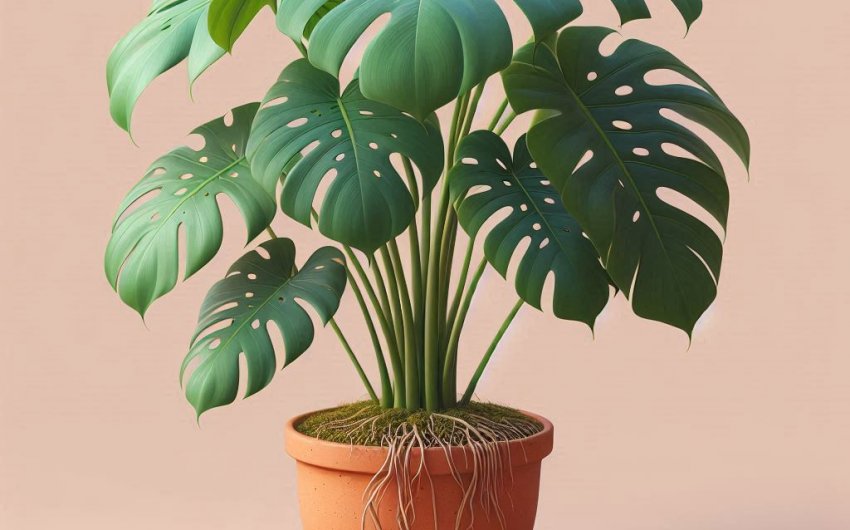
Monstera deliciosa, often referred to as the "Swiss Cheese Plant," is a stunning tropical vine adored for its iconic, large, and perforated leaves. Originating from the rainforests of Central America, this plant has become a favorite among houseplant enthusiasts due to its easy care, adaptability, and striking appearance. While many aspects of caring for a Monstera deliciosa are relatively straightforward, repotting is an area that sometimes causes confusion for both new and experienced plant owners.
In this blog, we'll explore the frequency of repotting for Monstera deliciosa, factors influencing when to repot, how to recognize signs that your plant needs a new pot, and the process of repotting your Monstera for optimal health and growth.
Understanding the Growth Pattern of Monstera Deliciosa
The Monstera deliciosa is a climbing vine that grows relatively fast, particularly when provided with the right growing conditions. In its natural habitat, this plant uses aerial roots to attach itself to trees, climbing upward in search of light. As a houseplant, it doesn’t have access to those same climbing opportunities but will still extend its roots and shoots rapidly when given the space and resources to grow.
This plant thrives in environments where it receives bright, indirect light, regular watering, and plenty of room for its roots to spread. Given its rapid growth rate, it's natural to wonder whether it requires frequent repotting to keep up with its size.
Does Monstera Deliciosa Need Frequent Repotting?
While Monstera deliciosa is a fast grower, it doesn’t necessarily need to be repotted frequently. In fact, repotting too often can cause unnecessary stress to the plant, disrupting its growth. Instead, it's best to monitor your Monstera for signs that it has outgrown its current pot. On average, most Monstera deliciosa plants will need repotting every one to two years.
The frequency of repotting depends on several factors, including:
- Growth rate: If your Monstera is thriving and growing rapidly, it will outgrow its pot faster than one that is growing more slowly.
- Pot size: A plant in a smaller pot will need repotting more often than one in a larger container.
- Root health: A Monstera deliciosa with healthy roots may be able to remain in the same pot for longer, but signs of root crowding or root rot may indicate the need for repotting.
You can find a variety of pots suitable for Monstera deliciosa here.
Signs That Your Monstera Deliciosa Needs Repotting
To determine whether your Monstera deliciosa needs repotting, keep an eye out for several key signs that indicate your plant is becoming root-bound or otherwise uncomfortable in its current container.
1. Roots Growing Out of the Drainage Holes
One of the most common indicators that it's time to repot your Monstera is when roots begin to grow out of the drainage holes at the bottom of the pot. This happens when the root system has grown too large for the pot and is searching for more room to expand. If you notice roots peeking out from the bottom, it's a clear signal that your Monstera is ready for a bigger container.
You can browse suitable plant containers here.
2. Slow or Stunted Growth
While Monstera deliciosa is typically a fast-growing plant, a sudden slowdown in growth can indicate that it has become root-bound. When the roots don’t have enough space to spread out, they can't efficiently absorb nutrients and water, which leads to stunted growth. If your Monstera seems to have stalled in its development despite receiving proper care, repotting may be the solution.
3. Yellowing Leaves
While there are several potential causes for yellowing leaves on a Monstera, one possibility is that the roots are too crowded in the current pot. When the plant becomes root-bound, it struggles to take up water and nutrients, which can cause the leaves to turn yellow. If you’ve ruled out other potential causes, such as overwatering or nutrient deficiencies, consider checking whether your Monstera needs a larger container.
Check out nutrient-rich soils for healthy repotting here.
4. The Soil Dries Out Quickly
If you find yourself needing to water your Monstera more frequently than usual, it could be a sign that the plant has outgrown its pot. When a Monstera becomes root-bound, the roots can take up most of the space in the pot, leaving little room for soil to hold moisture. As a result, the soil dries out much faster than normal, requiring more frequent watering.
Explore watering cans that help keep your plant hydrated here.
5. The Pot Is Bulging or Cracked
In extreme cases, a Monstera deliciosa that has severely outgrown its container may cause the pot to bulge or even crack. This is more common with plastic pots, but even ceramic or terracotta pots can show signs of strain when the roots become too crowded. If you notice your pot warping or cracking, it’s time to upgrade to a larger container.
Consider durable pots suitable for larger plants here.
Choosing the Right Pot for Your Monstera Deliciosa
Once you've determined that your Monstera deliciosa needs repotting, the next step is to choose the right pot for the job. Here are a few factors to consider when selecting a new container:
1. Size
When repotting your Monstera, choose a pot that is 1-2 inches larger in diameter than the current pot. A container that is too large can hold excess moisture in the soil, leading to problems like root rot. On the other hand, a pot that is too small won’t give the roots enough room to grow, necessitating more frequent repotting.
Browse through a selection of appropriately sized pots here.
2. Drainage
Proper drainage is essential for the health of your Monstera deliciosa. Choose a pot with drainage holes at the bottom to allow excess water to escape, preventing issues like root rot. If you fall in love with a pot that doesn’t have drainage holes, consider drilling holes yourself or using it as a decorative outer pot with a smaller, well-draining container inside.
Check out pots with good drainage here.
3. Material
The material of the pot can also impact the watering needs of your Monstera. Terracotta pots are a popular choice because they are porous, allowing excess moisture to evaporate and preventing overwatering. However, they may need more frequent watering compared to plastic or glazed ceramic pots, which retain more moisture.
Explore terracotta pots here.
How to Repot Your Monstera Deliciosa
Now that you've chosen the right pot, it's time to repot your Monstera deliciosa. Here's a step-by-step guide to help ensure a smooth repotting process:
Step 1: Prepare the New Pot
Start by preparing your new pot. Make sure it has adequate drainage holes, and if necessary, place a layer of stones or pebbles at the bottom to improve drainage. Fill the pot with a few inches of fresh, well-draining potting mix.
Choose a high-quality potting soil for your Monstera here.
Step 2: Remove the Monstera from Its Current Pot
Carefully remove the Monstera deliciosa from its current pot. You may need to gently loosen the edges of the soil with a spatula or your fingers. If the roots are particularly compacted or root-bound, you can lightly tease them apart to encourage better growth in the new pot.
Find tools for **
plant care** here.
Step 3: Repot the Plant
Place the Monstera in the center of the new pot and fill in around the roots with fresh potting soil. Press the soil down gently but firmly to eliminate air pockets. Be sure not to bury the stem too deeply; the plant should sit at the same depth as it was in the previous pot.
Browse suitable potting mixes here.
Step 4: Water Thoroughly
After repotting, give your Monstera deliciosa a thorough watering to help settle the soil around the roots. Make sure water drains out of the bottom of the pot to prevent excess moisture from accumulating at the bottom.
Check out watering cans designed for indoor plants here.
Step 5: Provide Optimal Conditions
Once your Monstera deliciosa is repotted, place it in a spot with bright, indirect light, and avoid direct sunlight, which can scorch its leaves. Allow the soil to dry out slightly between waterings, and monitor the plant closely over the next few weeks to ensure it adjusts well to its new pot.
For tips on overall Monstera deliciosa care, visit this helpful guide on Swiss cheese plant care here.
Tips for Repotting Your Monstera Deliciosa
- Timing: The best time to repot your Monstera deliciosa is in the spring or early summer when the plant is actively growing. Repotting during the growing season will help the plant recover more quickly from the stress of being moved.
- Support: If your Monstera is large or tall, consider adding a moss pole or trellis to provide support as it grows. You can find suitable moss poles here.
By paying attention to your Monstera deliciosa's growth and environment, you can ensure that your plant remains healthy and thriving without the need for overly frequent repotting.