
Monstera Deliciosa: The Ultimate Guide to Swiss Cheese Plant Care
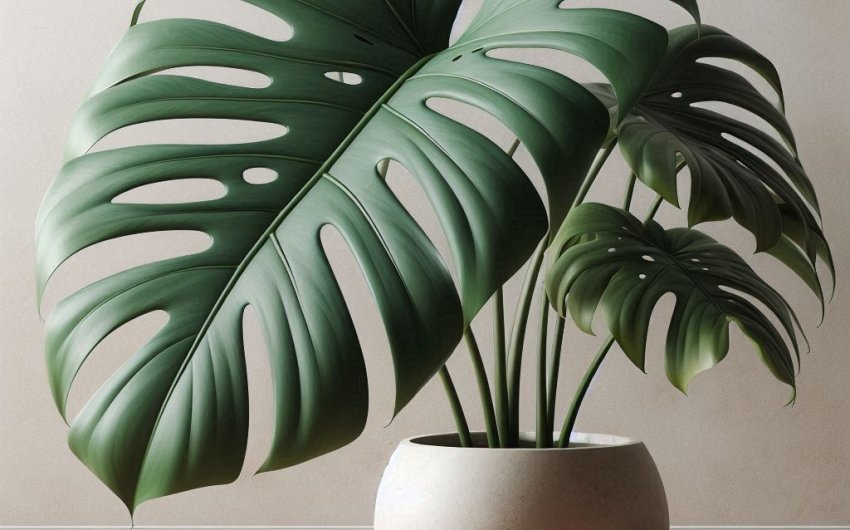
Mastering Monstera Deliciosa care is a rewarding journey for any plant enthusiast seeking to cultivate a lush indoor jungle. This comprehensive guide provides everything you need to nurture a thriving Swiss Cheese Plant, from understanding its unique needs to troubleshooting common issues. Get ready to transform your living space with the iconic beauty of this popular houseplant.
What makes the Monstera Deliciosa so special?
This beloved houseplant, often called the Swiss Cheese Plant due to its distinctive leaf perforations, boasts large, glossy green leaves that develop fenestrations, or holes and splits, as they mature. Its vining habit and striking appearance make it a favorite among indoor gardeners looking for a statement piece that also helps purify the air.
Where do Monstera Deliciosa plants come from?
The Monstera Deliciosa is native to the tropical rainforests of Southern Mexico and Panama. In its natural habitat, it’s an epiphyte, meaning it grows on other plants for support, using its aerial roots to cling to trees and absorb moisture from the air. Understanding its origins helps replicate its ideal growing conditions indoors.
How much light does a Monstera Deliciosa need?
Providing the right amount of light is crucial for a healthy and thriving Swiss Cheese Plant. Too little light can lead to leggy growth and smaller leaves, while too much direct sun can scorch its delicate foliage.
What is the ideal light exposure for Monstera Deliciosa?
Monstera Deliciosa thrives in bright, indirect light. This means placing it near a window that receives plenty of sunlight but where the rays don't directly hit the leaves. An east-facing window is often ideal, as it offers gentle morning sun. A north-facing window can also work, providing consistent, diffused light. If you have a south or west-facing window, pull the plant back a few feet or use sheer curtains to filter the intense afternoon sun.
Can Monstera Deliciosa tolerate low light?
While a Monstera Deliciosa can survive in lower light conditions, it won't flourish. You'll notice slower growth, smaller leaves, and potentially a lack of those iconic fenestrations. The plant might also become leggy, stretching towards the nearest light source. If your home lacks sufficient natural light, consider supplementing with a grow light for houseplants.
What are the signs of too much light?
Leaves turning yellow or developing brown, crispy patches indicate your Swiss Cheese Plant is receiving too much direct sunlight. These burnt spots are irreversible, and you'll need to move your plant to a shadier location to prevent further damage.
How often should you water your Monstera Deliciosa?
Proper watering is a critical aspect of Monstera Deliciosa care. Overwatering is a common mistake that can lead to root rot, a serious condition that can be fatal to your plant. Underwatering, on the other hand, can cause wilting and stunted growth.
What is the best watering schedule for Monstera Deliciosa?
The general rule of thumb is to water your Swiss Cheese Plant when the top 2-3 inches of soil feel dry to the touch. You can test this by sticking your finger into the soil. If it feels dry, it's time to water. This usually translates to watering every 1-2 weeks, but it can vary depending on factors like light, humidity, and the size of your pot.
How do you water a Monstera Deliciosa properly?
When watering, thoroughly drench the soil until water drains out of the bottom of the pot. This ensures that the entire root ball receives moisture. Empty any excess water from the plant saucer to prevent the roots from sitting in standing water, which can lead to root rot.
What are the signs of overwatering?
- Yellowing leaves: Especially on the lower parts of the plant.
- Wilting leaves: Even though the soil is wet.
- Mushy stems or foul odor: Indicating root rot.
- Fungus gnats: Small flying insects attracted to overly moist soil.
What are the signs of underwatering?
- Drooping or wilting leaves: The plant looks limp and lifeless.
- Crispy leaf edges: The tips and edges of the leaves turn brown and dry.
- Slow or stunted growth: The plant isn't putting out new leaves.
- Soil pulling away from the edges of the pot: A clear sign of very dry soil.
What kind of soil does a Monstera Deliciosa need?
The right potting mix is essential for providing your Monstera Deliciosa with proper drainage and aeration, preventing root rot, and ensuring healthy growth.
What are the characteristics of ideal Monstera Deliciosa soil?
A well-draining, airy, and nutrient-rich potting mix is perfect for your Swiss Cheese Plant. This type of soil allows excess water to drain quickly, preventing soggy conditions while retaining enough moisture for the roots to absorb.
What is a good soil mix recipe for Monstera Deliciosa?
You can create an ideal potting mix by combining the following:
- 50% High-quality potting mix: This forms the base and provides essential nutrients.
- 20% Perlite: Improves drainage and aeration. Look for perlite for plants.
- 20% Orchid bark or coco coir chunks: Enhances drainage and mimics their natural epiphytic environment. You can use orchid bark.
- 10% Worm castings (optional): Provides a slow-release source of nutrients.
This mixture provides excellent drainage, aeration, and sufficient moisture retention, mimicking the chunky, airy substrate Monstera thrives in.
Why is drainage so important for Monstera Deliciosa?
Because Monstera Deliciosa is susceptible to root rot, good drainage is paramount. If the roots sit in waterlogged soil, they will suffocate and begin to decay, leading to a host of problems for your plant.
How much humidity does a Monstera Deliciosa require?
As a tropical plant, Monstera Deliciosa thrives in high humidity. While they can tolerate average household humidity, providing higher levels will encourage healthier, larger leaves and prevent crispy edges.
What is the ideal humidity range for Monstera Deliciosa?
The optimal humidity level for your Swiss Cheese Plant is between 60% to 80%. Most homes have humidity levels closer to 30-50%, so you'll likely need to take steps to increase the moisture in the air around your plant.
How can you increase humidity for your Monstera Deliciosa?
There are several effective ways to boost humidity for your plant:
- Use a humidifier: An electric humidifier for plants is the most efficient way to maintain consistent humidity levels, especially in drier climates or during winter months when heating systems dry out the air.
- Pebble tray: Fill a shallow tray with pebbles and add water until it's just below the top of the pebbles. Place your plant pot on top of the pebbles. As the water evaporates, it creates a more humid microclimate around the plant. Ensure the pot isn't sitting directly in the water.
- Group plants together: Plants release moisture through transpiration. Grouping your Monstera Deliciosa with other houseplants can create a more humid environment.
- Misting: While misting provides a temporary boost in humidity, its effects are short-lived. It can also lead to fungal issues if done incorrectly. If you choose to mist, do so in the morning so the leaves have time to dry.
What are the signs of low humidity?
- Brown, crispy leaf edges and tips: This is a common sign of insufficient humidity.
- Stunted growth: The plant may not put out new leaves as frequently.
- New leaves struggling to unfurl: They might tear or get stuck.
Does a Monstera Deliciosa need fertilizer?
Fertilizing your Monstera Deliciosa provides essential nutrients for robust growth and encourages the development of those beautiful fenestrations. However, too much fertilizer can burn the roots, so it's important to do it correctly.
When should you fertilize your Monstera Deliciosa?
Fertilize your Swiss Cheese Plant primarily during its active growing season, which is typically spring and summer. Reduce or stop fertilizing in fall and winter when the plant's growth naturally slows down.
What type of fertilizer is best for Monstera Deliciosa?
A balanced liquid fertilizer, such as a 5-5-5 or 10-10-10 formulation, is generally suitable. Many plant parents prefer a liquid fertilizer for houseplants. You can also use a slow-release granular fertilizer applied at the beginning of the growing season.
How often should you fertilize a Monstera Deliciosa?
During the growing season, fertilize once every 2-4 weeks. Always dilute the fertilizer to half the strength recommended on the product label to avoid over-fertilization, especially if you're new to fertilizing. It's always better to under-fertilize than over-fertilize.
What are the signs of over-fertilization?
- Burnt leaf tips and edges: Brown, crispy areas on the leaves.
- Salt crust on the soil surface: A white buildup of mineral salts.
- Stunted growth: Despite fertilizing, the plant looks unhealthy.
- Wilting: Even with adequate watering.
If you suspect over-fertilization, flush the soil thoroughly with clean water to wash out excess salts.
How do you prune a Monstera Deliciosa?
Pruning your Monstera Deliciosa isn't just about aesthetics; it also promotes bushier growth, maintains a manageable size, and removes unhealthy or dead foliage.
Why is pruning important for Monstera Deliciosa?
- Encourages bushier growth: Pruning stems above a node (where a leaf meets the stem) can stimulate new growth from that point, making your plant fuller.
- Manages size and shape: As a vining plant, a Monstera can quickly become unruly without regular pruning.
- Removes damaged or yellowing leaves: This allows the plant to put its energy into healthy growth.
- Propagation: Pruned sections can often be used for propagation, allowing you to create new plants.
When is the best time to prune a Monstera Deliciosa?
The best time to prune is during the active growing season (spring and summer) when the plant can recover quickly. Avoid heavy pruning during fall and winter when the plant is less active.
How do you prune a Monstera Deliciosa?
Always use clean, sharp pruning shears for plants to make clean cuts and prevent disease.
- Identify where to cut: Look for a node on the stem. This is where a leaf or aerial root emerges. New growth will sprout from this point.
- Cut above a node: Make a clean cut just above a node, leaving at least one node on the remaining stem if you want new growth from that point.
- Remove yellow or damaged leaves: Cut these off at the base of the stem.
- Manage aerial roots: While aerial roots are natural, if they become too long or unsightly, you can trim them. Avoid cutting too many as they help the plant absorb moisture and nutrients.
Does a Monstera Deliciosa need support?
As your Monstera Deliciosa matures, its vining nature means it will benefit greatly from some form of support. This not only encourages larger leaves with more fenestrations but also mimics its natural growth habit in the wild.
Why is support important for Monstera Deliciosa?
In its native rainforest, the Swiss Cheese Plant climbs trees, using its aerial roots to anchor itself and reach for brighter light. Providing a support structure encourages this vertical growth, leading to:
- Larger leaves: Leaves tend to grow larger and develop more prominent fenestrations when the plant is supported and climbing upwards.
- Stronger stems: Support helps the stems strengthen and prevents them from flopping over.
- Natural appearance: A supported Monstera looks more like it would in its natural habitat.
What types of support are best for Monstera Deliciosa?
Here are the most common and effective support options:
- Moss pole: This is arguably the best option. A moss pole for climbing plants provides a rough surface that the aerial roots can easily grip onto, mimicking a tree trunk. Keep the moss pole moist to encourage the roots to attach.
- Coco coir pole: Similar to a moss pole, a coco coir pole offers a good climbing surface.
- Trellis: A plant trellis for pots can also provide good support, especially for larger plants. You can gently tie the stems to the trellis as they grow.
- Stakes: For smaller or younger plants, a simple plant stake can offer temporary support. However, as the plant grows, you'll likely need something more robust.
How do you attach a Monstera Deliciosa to a support?
Gently guide the stems towards the support. You can use soft plant ties or Velcro plant ties to loosely secure the stems to the pole or trellis. As the plant grows, its aerial roots will often attach themselves to the support naturally.
When should you repot a Monstera Deliciosa?
Repotting your Monstera Deliciosa is necessary as it grows to provide more space for its root system and refresh the potting mix.
What are the signs your Monstera Deliciosa needs repotting?
- Roots growing out of drainage holes: A clear indication the plant is root-bound.
- Stunted growth: The plant isn't putting out new leaves or growing as quickly as before.
- Soil drying out very quickly: The roots have taken up most of the space, leaving little soil to retain moisture.
- The plant becomes top-heavy and unstable: The root ball is too large for the current pot.
What is the best time to repot a Monstera Deliciosa?
The ideal time to repot is during the active growing season, typically in spring or early summer. This gives the plant ample time to recover from the stress of repotting.
How do you repot a Monstera Deliciosa?
- Choose the right pot: Select a new pot that is only 1-2 inches larger in diameter than the current one. Going too big can lead to overwatering issues. Ensure the pot has drainage holes.
- Prepare the new pot: Add a layer of your well-draining Monstera soil mix to the bottom of the new pot.
- Remove the plant: Carefully tip the old pot on its side and gently slide the plant out. If it's stuck, you may need to gently squeeze the pot or use a trowel around the edges.
- Inspect roots: Gently loosen any circling or compacted roots. Trim any mushy or unhealthy roots.
- Place the plant: Center the plant in the new pot, ensuring the base of the plant is at the same level as it was in the old pot.
- Add soil: Fill the pot with fresh soil mix, gently tamping it down to remove large air pockets. Leave about an inch of space from the rim of the pot for watering.
- Water thoroughly: Water the plant well after repotting to help the soil settle.
- Post-repotting care: Place the plant in a spot with bright, indirect light and avoid fertilizing for a few weeks to allow it to adjust.
How do you propagate a Monstera Deliciosa?
Propagating your Monstera Deliciosa is a fantastic way to create new plants from cuttings, share with friends, or simply expand your collection.
What is the best way to propagate a Monstera Deliciosa?
The most common and successful method for propagating Swiss Cheese Plants is through stem cuttings, either in water or directly in soil.
How to propagate Monstera Deliciosa in water:
- Take a cutting: Using clean, sharp pruning shears, cut a section of stem that includes at least one node (where a leaf or aerial root emerges) and one to two leaves. Ensure there's an aerial root if possible, as this often speeds up rooting.
- Prepare the cutting: Remove any leaves that would be submerged in water to prevent rot.
- Place in water: Put the cutting in a clear glass or jar filled with room-temperature water. Ensure at least one node is submerged.
- Change water regularly: Change the water every few days to keep it fresh and prevent bacterial growth.
- Provide bright, indirect light: Place the jar in a location with good indirect light.
- Wait for roots: Roots should start to appear within a few weeks to a couple of months. Once the roots are a few inches long, usually around 2-4 inches, the cutting is ready to be transferred to soil.
- Pot up: Plant the rooted cutting in a small pot with your well-draining Monstera soil mix.
How to propagate Monstera Deliciosa in soil:
- Take a cutting: Same as for water propagation, ensure the cutting has at least one node and a few leaves. An aerial root is beneficial.
- Allow to callus (optional but recommended): Let the cut end of the stem air dry for a few hours or overnight. This helps prevent rot.
- Apply rooting hormone (optional): Dip the cut end of the stem into rooting hormone powder to encourage faster root development.
- Plant the cutting: Plant the cutting directly into a small pot filled with a well-draining, airy potting mix. Ensure at least one node is buried in the soil.
- Maintain humidity: Keep the soil consistently moist but not soggy. You can place a plastic bag over the pot to create a mini-greenhouse effect and increase humidity, but ensure to vent it occasionally to allow for air circulation.
- Provide warmth and light: Place the pot in a warm spot with bright, indirect light.
- Test for roots: Gently tug on the cutting after a few weeks. If you feel resistance, it means roots have formed.
What are common Monstera Deliciosa problems and how to fix them?
Even with the best care, your Monstera Deliciosa might encounter some issues. Knowing how to identify and address these problems can help you keep your plant healthy.
Why are my Monstera Deliciosa leaves turning yellow?
Yellowing leaves are a common complaint and can indicate several issues:
- Overwatering: This is the most frequent cause. The roots are suffocating from too much water. Allow the soil to dry out more between waterings. If severe, check for root rot.
- Underwatering: If the soil is consistently dry, leaves can yellow and then brown.
- Nutrient deficiency: Lack of essential nutrients, especially nitrogen, can cause yellowing. Consider fertilizing during the growing season.
- Aging leaves: Older, lower leaves naturally yellow and drop off as the plant grows. This is normal.
- Pests: Some pests, like spider mites, can cause yellowing.
Why are my Monstera Deliciosa leaves turning brown and crispy?
Brown, crispy leaves usually point to issues with humidity or water:
- Low humidity: The most common reason. Increase humidity around your plant.
- Underwatering: Not enough water leads to dry, brittle leaves.
- Too much direct sunlight: Sunburn can cause crispy brown patches. Move the plant away from direct sun.
- Mineral buildup: Excess salts from tap water or over-fertilization can accumulate in the soil and cause brown tips. Flush the soil periodically or use filtered water.
Why are my Monstera Deliciosa leaves not splitting (fenestrations)?
Lack of fenestrations can be disappointing for Swiss Cheese Plant owners:
- Immaturity: Young Monstera plants typically don't develop splits until they are more mature, often after a year or two.
- Insufficient light: The plant needs bright, indirect light to produce fenestrations. Move it to a brighter spot.
- Lack of support: Encouraging vertical growth with a moss pole or trellis can promote larger leaves and more splits.
- Nutrient deficiency: Ensure you are fertilizing during the growing season.
- Lack of humidity: While not a direct cause, consistently low humidity can stress the plant and hinder overall development.
What are those brown spots on my Monstera Deliciosa leaves?
- Sunburn: Brown, crispy spots on areas exposed to direct sun.
- Fungal or bacterial spots: Caused by overwatering, poor air circulation, or high humidity without proper ventilation. Remove affected leaves and ensure good airflow. Use a fungicide for houseplants if necessary.
- Edema: Water retention issues can cause small, raised brown bumps or spots on leaves. Ensure proper watering practices.
How to deal with common Monstera Deliciosa pests?
While generally resilient, Monstera Deliciosa can occasionally fall victim to common houseplant pests. Early detection and treatment are key.
What are common pests affecting Monstera Deliciosa?
- Spider mites: Tiny red or black mites that create fine webbing, usually on the undersides of leaves. Leaves may appear speckled or dusty.
- Mealybugs: Small, white, cottony insects found in leaf axils and along stems. They excrete sticky honeydew.
- Thrips: Slender, tiny insects that cause silvery stippling on leaves and distorted new growth.
- Scale: Small, immobile, brown or black bumps on stems and leaves. They also excrete honeydew.
- Fungus gnats: Small, harmless flying insects attracted to overly moist soil. While not directly harmful to the plant, they are annoying.
How to treat Monstera Deliciosa pests?
- Isolation: Immediately isolate any infested plant to prevent pests from spreading to other houseplants.
- Wipe down leaves: For light infestations, wipe the leaves (especially undersides) with a damp cloth or a cotton swab dipped in rubbing alcohol.
- Hose down: Take your plant outside or into a shower and thoroughly spray it down to dislodge pests.
- Neem oil: A natural and effective pesticide. Mix neem oil concentrate with water according to package directions and spray all parts of the plant. Repeat weekly until pests are gone.
- Insecticidal soap: An insecticidal soap for plants can also be effective against soft-bodied insects.
- Systemic pesticides: For severe or persistent infestations, a systemic pesticide may be necessary. These are absorbed by the plant and make it toxic to pests that feed on it. Use with caution and follow instructions carefully.
Prevention is key! Regularly inspect your plant for signs of pests, especially when watering. Healthy, well-cared-for plants are also more resistant to pest infestations.
Are Monstera Deliciosa plants toxic to pets and humans?
Yes, it's important to be aware that Monstera Deliciosa is toxic if ingested by pets and humans.
Why is Monstera Deliciosa toxic?
The Swiss Cheese Plant contains calcium oxalate crystals. These needle-shaped crystals can cause irritation and pain if chewed or ingested.
What are the symptoms of ingestion?
- For pets (dogs, cats): Oral irritation, intense burning and irritation of the mouth, tongue, and lips, excessive drooling, vomiting, and difficulty swallowing.
- For humans: Similar symptoms of mouth irritation, swelling, and digestive upset.
How to keep pets safe around Monstera Deliciosa?
- Placement: Place your plant in an area that is inaccessible to pets, such as on a high shelf or in a room they don't frequent.
- Training: Train pets to avoid plants.
- Provide alternatives: Offer pet-safe chew toys or cat grass to redirect their attention.
- Monitor: Keep a close eye on curious pets, especially young ones.
If you suspect your pet has ingested parts of your Monstera Deliciosa, contact your veterinarian immediately. For human ingestion, seek medical advice.
Caring for a Monstera Deliciosa brings immense joy as you witness its stunning foliage unfurl and its iconic fenestrations develop. By consistently providing bright, indirect light, appropriate watering, well-draining soil, and ample humidity, you'll ensure your Swiss Cheese Plant thrives, becoming a magnificent centerpiece in your home.