
What Are the Best Companion Plants for Indoor Gardening?
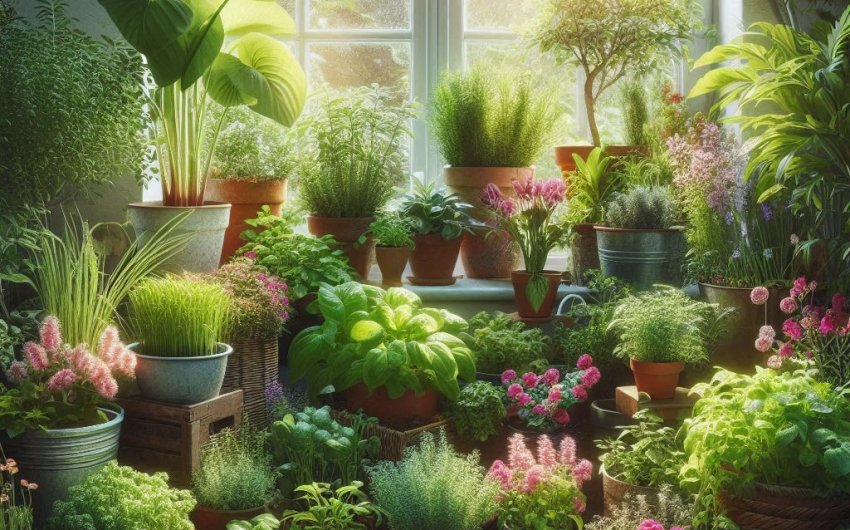
Transforming your indoor space into a thriving green oasis often involves more than just selecting individual plants; it’s about creating a harmonious ecosystem. Understanding what are the best companion plants for indoor gardening allows you to pair species that mutually benefit each other, leading to healthier growth, improved pest resistance, and a more aesthetically pleasing display. This strategic pairing can optimize your indoor environment, making your plants flourish and your gardening efforts more rewarding.
Why is Companion Planting Important for Indoor Gardens?
While often associated with outdoor vegetable patches, the principles of companion planting are equally valuable for indoor gardens. In the confined environment of a home, plants face unique challenges, and thoughtful pairing can create a more resilient and vibrant ecosystem, making it crucial to understand what are the best companion plants for indoor gardening.
How Does Companion Planting Benefit Indoor Plants?
Companion planting in an indoor setting offers several advantages that lead to healthier plants:
- Pest Deterrence: Some plants naturally repel common indoor pests like spider mites, fungus gnats, or aphids through their scent or compounds. When placed near susceptible plants, they act as a natural defense.
- Humidity Enhancement: Grouping plants together can create a microclimate with higher localized humidity through transpiration. This is particularly beneficial for tropical plants that suffer in dry indoor air.
- Improved Growth: Certain plants can improve soil health or nutrient availability for their neighbors. For instance, some plants might have root systems that aerate the soil, or they might release beneficial compounds.
- Space Optimization: Strategic pairing allows you to combine plants with different growth habits (e.g., upright and trailing) to utilize vertical and horizontal space more efficiently, creating a fuller, more diverse display.
- Aesthetic Appeal: Beyond practical benefits, companion planting allows for beautiful arrangements, combining varied textures, colors, and forms to create visually stunning plant compositions.
What are the Unique Challenges of Indoor Gardening?
Indoor environments present distinct hurdles for plants:
- Limited Space: Pots restrict root growth, and general living areas offer finite horizontal and vertical dimensions.
- Controlled Environment: While controllable, indoor air can be very dry (especially with heating/AC), light is often insufficient or uneven, and air circulation can be poor.
- Pest Spread: If a pest infestation begins, it can quickly spread to all plants in close proximity due to the enclosed nature of the indoor space.
- Nutrient Depletion: Potted plants rely entirely on the nutrients provided by their potting mix and fertilization, which can deplete quickly.
Companion planting helps mitigate these challenges by creating a more self-sustaining and protective miniature ecosystem within your home.
What Are the Best Herbs for Companion Planting Indoors?
Herbs are not only useful for culinary purposes but many also make excellent companion plants for indoor gardening. Their strong aromas can deter pests, and their relatively compact size makes them ideal for interplanting or grouping with other houseplants.
Mint (Mentha spp.)
Mint is a prolific herb known for its strong, refreshing scent. While great for tea or cooking, its aroma can be off-putting to several common indoor pests.
- Benefits as Companion: Its strong scent can help deter spider mites, aphids, and ants. It's also relatively easy to grow indoors, preferring bright, indirect light and consistent moisture.
- Considerations: Mint is a vigorous grower and can become invasive. It's best kept in its own pot, near the plants you wish to protect, rather than planted directly in the same container. Different varieties, like peppermint or spearmint, offer slightly different aromatic profiles.
- Best Paired With: Any plant susceptible to mites or aphids, such as ferns, ivy, or larger leafy houseplants.
Basil (Ocimum basilicum)
Basil is a beloved culinary herb, but its aromatic oils also possess insect-repelling properties.
- Benefits as Companion: Its scent is known to repel flies and mosquitoes, making it a good choice for kitchen windows or patios where these pests are a nuisance. It also attracts beneficial insects if brought outdoors during warm weather.
- Considerations: Basil needs plenty of bright light (at least 6 hours direct sun if possible) and consistent moisture. It's an annual, so you'll need to replant regularly.
- Best Paired With: Other herbs, tomatoes (if you can provide enough light indoors), or general houseplants near windows where flies might enter.
Rosemary (Salvia rosmarinus)
Rosemary is a woody, fragrant herb whose strong, pine-like aroma is not favored by many insects.
- Benefits as Companion: Effectively deters spider mites, aphids, and even certain types of fungus gnats due to its potent scent. It's also a beautiful evergreen herb that adds texture.
- Considerations: Rosemary needs abundant sunlight (preferably direct sun) and good air circulation. It prefers its soil to dry out slightly between waterings, so don't overwater it.
- Best Paired With: Plants that prefer similar bright, dry-ish conditions, or those susceptible to mites, placed in a well-lit area.
Chives (Allium schoenoprasum)
A member of the onion family, chives have a subtle oniony scent that can be off-putting to pests.
- Benefits as Companion: The mild allium scent is thought to deter aphids and spider mites. They are also compact and easy to grow indoors on a windowsill.
- Considerations: Chives need bright light and consistent moisture. They can be harvested regularly, which encourages more growth.
- Best Paired With: Almost any indoor plant, especially those in smaller pots on windowsills where aphids or mites might congregate.
What Foliage Plants Make Good Companions?
Beyond just pest control, some foliage plants contribute to the overall health of an indoor garden by influencing humidity or simply by being robust and easy to care for, making them great companion plants for indoor gardening due to their supportive roles.
Spider Plant (Chlorophytum comosum)
The Spider Plant is famous for its air-purifying qualities and ease of propagation. It also plays a subtle but helpful role as a companion.
- Benefits as Companion: While not directly pest-repelling, Spider Plants are excellent at indicating environmental stress. If conditions are too dry, their tips will brown, signaling that nearby plants (especially tropical ones) might also be suffering from low humidity. They are also non-toxic and add aesthetic appeal with their arching leaves and "spiderettes."
- Considerations: Very forgiving and adaptable to various light conditions, but prefers bright, indirect light.
- Best Paired With: Any plant that thrives in consistent humidity, such as ferns, prayer plants, or calatheas. Place them near these sensitive plants to act as a humidity indicator.
Peace Lily (Spathiphyllum spp.)
Peace Lilies are elegant plants known for their distinctive white "flowers" (actually modified leaves called spathes) and glossy green foliage. They are excellent at enhancing humidity.
- Benefits as Companion: Peace Lilies are known for their high transpiration rates, meaning they release a good amount of moisture into the air. Grouping them with other plants, especially those that love humidity, can significantly raise the localized humidity, benefiting all nearby plants. They also help filter indoor air.
- Considerations: Prefer consistent moisture (but not soggy soil) and low to medium indirect light. Susceptible to browning leaf tips if humidity is too low.
- Best Paired With: Tropical plants that appreciate high humidity, such as ferns, orchids, calatheas, or aroids like philodendrons and pothos.
Snake Plant (Sansevieria trifasciata)
Snake Plants (also known as Mother-in-Law's Tongue) are incredibly tough and resilient, making them fantastic background companions.
- Benefits as Companion: While not actively repelling pests or significantly raising humidity, their extreme hardiness and ability to tolerate neglect means they can anchor a mixed planting without requiring much fuss. They are also excellent air purifiers. Their upright growth habit is great for adding vertical interest without spreading outwards.
- Considerations: Prefer bright, indirect light but tolerate low light conditions well. Very drought-tolerant; prone to rot if overwatered.
- Best Paired With: Almost any plant, especially those that are slightly more delicate but need a sturdy, low-maintenance neighbor. Their contrasting upright form complements bushy or trailing plants.
Pothos (Epipremnum aureum) and Philodendron (Philodendron spp.)
These popular vining plants are known for their easy care and ability to trail or climb.
- Benefits as Companion: Both Pothos and Philodendrons are robust and can tolerate a range of conditions. When grouped, their extensive foliage adds to the overall transpiration, slightly increasing localized humidity. Their vining habit can also fill in empty spaces, creating a lush, full look in a mixed planter or on a plant shelf. They are also known for air purification.
- Considerations: Can become leggy if not given enough light. Prefer bright, indirect light but tolerate lower light.
- Best Paired With: Most other houseplants. Their trailing nature complements upright plants beautifully.
What Are Some Flowering Plants to Consider?
Adding flowering plants to your indoor garden brings bursts of color and can attract beneficial insects (if brought outdoors) or simply add beauty. Some also have mild pest-deterring properties, making them appealing companion plants for indoor gardening.
Marigolds (Tagetes spp.)
While often seen outdoors, smaller varieties of marigolds can be grown indoors with enough light, and they are potent pest deterrents.
- Benefits as Companion: The strong scent of marigolds is famously effective at repelling whiteflies, aphids, and even nematodes (microscopic worms in the soil).
- Considerations: Marigolds need bright, direct sunlight to bloom well indoors (a south-facing window is ideal). They are annuals, so you'll need to replant them from seed.
- Best Paired With: Indoor herbs or smaller edible plants that are susceptible to whiteflies or aphids, placed near a sunny window.
Geraniums (Pelargonium spp.)
Certain scented varieties of geraniums are known for their insect-repelling qualities.
- Benefits as Companion: Lemon-scented or rose-scented geraniums can deter mosquitoes, flies, and other flying insects due to their aromatic oils. They also produce cheerful blooms.
- Considerations: Geraniums require plenty of bright, direct sunlight to thrive and bloom indoors. They prefer well-draining soil and don't like to be overwatered.
- Best Paired With: Plants near windows or doorways where flying insects might enter.
Lavender (Lavandula spp.)
The soothing scent of lavender is beloved by humans but disliked by many pests.
- Benefits as Companion: Lavender's aroma can help repel flies, mosquitoes, and even moths. It adds a beautiful touch with its purple flowers and calming fragrance.
- Considerations: Lavender needs abundant direct sunlight (at least 6-8 hours) and excellent drainage. It can be challenging to grow indoors if these conditions aren't met.
- Best Paired With: Other sun-loving herbs or plants in a very bright, well-ventilated spot.
How Do You Group Plants for Optimal Companionship?
Successfully implementing companion planting indoors isn't just about selecting the right plants; it's also about strategic placement and understanding the needs of each species. Grouping plants effectively can amplify their benefits and create a healthier, more vibrant indoor garden.
Consider Light Requirements First
The most critical factor when grouping plants is their light requirements. Plants with similar light needs should always be grouped together.
- Example: Don't place a high-light loving rosemary next to a low-light loving ZZ plant and expect both to thrive.
- Strategy: Create different "zones" in your home based on light levels (e.g., a bright, sunny window sill for herbs and succulents; a medium-light corner for pothos and peace lilies; a low-light area for snake plants).
Think About Humidity Needs
As mentioned, grouping plants can create a more humid microclimate.
- Strategy: Place humidity-loving plants together (e.g., ferns, calatheas, peace lilies, spider plants) to allow their collective transpiration to raise the surrounding humidity. You can further enhance this by placing a pebble tray underneath the group.
- Avoid: Don't group desert plants (like cacti and some succulents) with tropical plants, as their humidity needs are diametrically opposed.
Maximize Space with Different Growth Habits
Combine plants with varying forms and sizes to create a fuller, more dynamic display and utilize vertical space.
- Strategy: Pair upright, tall plants (like a snake plant or a small fiddle-leaf fig) with bushy plants (like a peace lily or prayer plant) and trailing plants (like pothos or philodendron). This creates layers of interest and uses the space efficiently.
- Potting: You can plant them together in a large container, ensuring adequate space for roots and similar soil needs, or simply arrange individual pots closely together in an attractive grouping.
Pest Deterrence Placement
When using companion plants specifically for pest control, strategic placement is key.
- Perimeter Protection: Place pest-repelling herbs (like mint or rosemary in their own pots) around the perimeter of a cluster of more susceptible plants.
- Targeted Protection: If a specific plant consistently gets spider mites, place a strong deterrent like a small marigold or a pot of chives directly next to it.
- Observation: Regularly observe all your plants for any signs of pests, even with companion planting, as it's a preventative measure, not a guaranteed eradication.
What are Some Common Mistakes to Avoid?
While the benefits of companion planting for indoor gardening are clear, a few common pitfalls can hinder success. Being aware of these mistakes will help you create a flourishing and harmonious indoor plant collection.
Ignoring Individual Plant Needs
The biggest mistake is assuming that because plants are "companions," they will thrive together regardless of their individual requirements.
- Problem: Forcing a sun-loving herb next to a low-light tropical plant, or pairing a drought-tolerant succulent with a water-guzzling fern.
- Solution: Always research the specific light, water, and humidity needs of each plant before pairing them. Group plants with similar care requirements first, then consider their companion benefits.
Overcrowding Pots or Space
While the goal is to optimize space, overcrowding can lead to more problems than solutions.
- Problem: Too many plants in one pot can lead to root competition, insufficient airflow (increasing disease risk), and difficulty in watering or accessing individual plants. Too many pots in a small area can also look cluttered.
- Solution: Ensure each plant has adequate space for its roots to grow. If planting in one large container, choose plants that are not overly aggressive root growers. For groupings of individual pots, allow enough space for air circulation between leaves to prevent fungal issues.
Over-Reliance on Pest Deterrence
Companion plants can deter pests, but they are not a magical cure or a replacement for good plant hygiene.
- Problem: Assuming a mint plant will completely eliminate all spider mites on nearby plants without any further intervention.
- Solution: Use companion planting as one tool in your integrated pest management strategy. Regularly inspect your plants for pests, wipe down leaves, and use other natural or targeted treatments if an infestation occurs. Consistent care, good air circulation, and proper watering are always the first line of defense.
Introducing Outdoor Pests Indoors
Bringing outdoor plants or soil indoors for companion planting can inadvertently introduce outdoor pests.
- Problem: A marigold from your outdoor garden might come with aphids or spider mites that quickly spread to your indoor plants.
- Solution: When transitioning any plant from outdoors to indoors, always thoroughly inspect it for pests. Isolate new plants for a week or two (a "quarantine" period) before introducing them to your main collection. Repotting with fresh indoor potting mix can also help prevent bringing in soil-borne pests.
Incompatible Soil or Potting Mix Needs
While many indoor plants prefer well-draining soil, some have very specific pH or nutrient needs.
- Problem: Planting a carnivorous plant (which needs nutrient-poor, acidic soil) with a standard houseplant that prefers a richer mix.
- Solution: If planting multiple species in one pot, ensure their soil preferences are compatible. If not, it's better to keep them in separate pots and group the pots together for the humidity and aesthetic benefits, rather than combining them in a single container.
By carefully considering these factors, you can effectively leverage what are the best companion plants for indoor gardening to create a thriving, beautiful, and resilient indoor plant collection.