
Growing Green: The Ultimate Peat-Free Potting Mix Guide
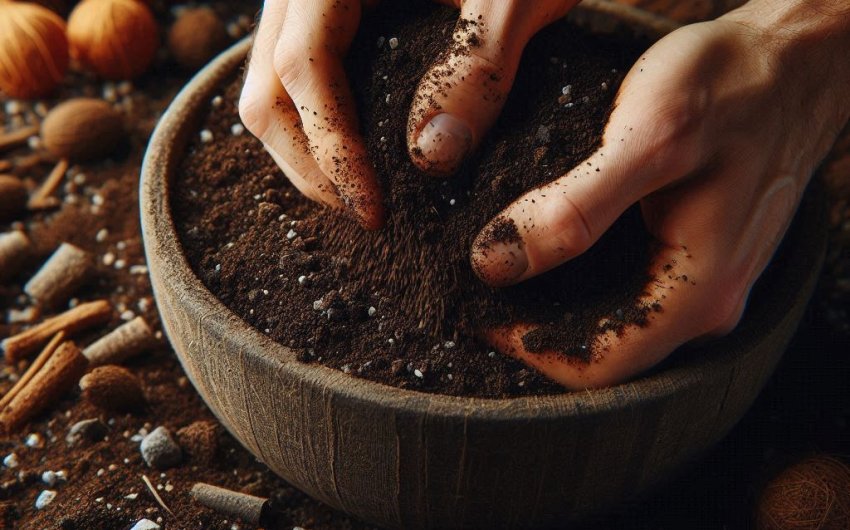
Peat-free potting mix is a sustainable and environmentally conscious alternative to traditional peat-based soils, using renewable ingredients like coco coir, compost, and perlite to provide optimal growing conditions for plants. Choosing a peat-free option supports peatland conservation and reduces carbon emissions, making it a responsible choice for any gardener.
Why is Peat-Free Potting Mix So Important Now?
The shift towards peat-free potting mix is driven by a growing understanding of the environmental impact of peat harvesting. It represents a vital step towards more sustainable gardening practices that protect our planet's crucial ecosystems.
What's Wrong with Peat Moss?
For decades, peat moss (often simply called "peat") has been a primary component of potting mixes due to its excellent water retention, aeration, and sterile qualities. However, its harvesting poses significant environmental concerns.
- Peat Bogs are Carbon Sinks: Peat forms very slowly in peatlands (bogs), accumulating over thousands of years as partially decayed plant matter. These peatlands are vital ecosystems that store vast amounts of carbon – more than all the world's forests combined.
- Carbon Emissions: When peat is extracted and dried for horticultural use, the stored carbon is released into the atmosphere as carbon dioxide (CO₂), a major greenhouse gas contributing to climate change. Destroying peatlands also reduces their ability to absorb future carbon.
- Irreplaceable Habitats: Peatlands are unique and fragile habitats supporting diverse and specialized plant and animal life, many of which are endangered. Harvesting destroys these delicate ecosystems, which can take centuries or even millennia to regenerate, if at all.
- Non-Renewable Resource (in practical terms): While peat does regenerate, its formation rate is extremely slow (about 1 mm per year). Therefore, for human purposes, it's considered a non-renewable resource. Harvesting it for gardening uses it up far faster than it can replenish.
What are the Environmental Benefits of Going Peat-Free?
Choosing peat-free potting mix directly contributes to protecting the environment:
- Combating Climate Change: By reducing demand for peat, we help keep carbon locked away in peat bogs, lessening CO₂ emissions.
- Protecting Biodiversity: Preserving peatlands means protecting the unique flora and fauna that call these fragile wetlands home.
- Promoting Sustainable Practices: It encourages the development and use of genuinely renewable and recycled materials, fostering a more sustainable horticultural industry.
- Conserving Wetlands: Peatlands play a crucial role in water regulation, acting like giant sponges that reduce flood risks and filter water. Protecting them maintains these vital ecosystem services.
How Does Peat-Free Potting Mix Still Perform?
Years of research and development have led to peat-free potting mix formulations that perform just as well as, or even better than, peat-based mixes.
- Excellent Drainage and Aeration: Many peat-free ingredients (like coco coir and perlite) provide superior drainage and aeration, which are crucial for healthy root development and preventing root rot.
- Good Water Retention: Ingredients like coco coir also have excellent water-holding capacity, often surprising gardeners with how long they retain moisture.
- Nutrient Availability: Quality peat-free mixes are often fortified with natural fertilizers or contain compost, which provides a rich, slow-release nutrient source.
- Reduced Pests (sometimes): Peat is sterile, but some peat-free components like coco coir or compost can actively foster beneficial microbes that help suppress common soil-borne pests.
What Are the Key Ingredients in Peat-Free Potting Mix?
Peat-free potting mix replaces peat moss with a variety of sustainable and effective alternatives, each contributing different qualities to the mix. Understanding these components helps you choose or create the best blend for your plants.
Coco Coir (Coconut Fiber)
Coco coir is a fibrous material derived from the husk of coconuts, a byproduct of the coconut industry. It's one of the most popular and effective peat alternatives.
- Pros:
- Excellent Water Retention: Can hold up to 8-9 times its weight in water, yet it also drains well, preventing waterlogging.
- Good Aeration: Its fibrous structure creates air pockets, vital for root health.
- Neutral pH: Generally has a neutral pH (5.5-6.8), making it suitable for a wide range of plants.
- Slow Decomposition: Breaks down very slowly, meaning the potting mix remains airy and doesn't compact as quickly.
- Sustainable: A renewable resource from coconut harvesting.
- Cons:
- Can sometimes contain high salt levels if not properly washed (choose "buffered" or "washed" coco coir).
- Nutrient content is initially low, so plants will need regular feeding.
- Forms: Available as compressed bricks (reconstituted with water) or loose bags.
- A popular choice is Coco Coir Growing Medium.
Composted Materials (Compost, Composted Bark, Wood Fiber)
These are decomposed organic materials that add nutrients, improve soil structure, and introduce beneficial microbes.
- Compost: Fully decomposed organic matter (from food scraps, yard waste, etc.).
- Pros: Nutrient-rich, teeming with beneficial microorganisms, improves water retention and drainage, reduces need for added fertilizer.
- Cons: Quality and nutrient content can vary. Can sometimes compact if used alone.
- Composted Bark/Wood Fiber: Processed and aged bark or wood chips.
- Pros: Provides excellent aeration and drainage, very stable, breaks down slowly.
- Cons: Can be low in nutrients and may temporarily tie up nitrogen as it decomposes (nitrogen drawdown), requiring additional fertilization.
- Use: Often used in mixes for orchids or other plants needing very sharp drainage.
- Consider adding Worm Castings Organic Fertilizer to boost the microbial activity and nutrient content of any compost.
Perlite
Perlite is a lightweight, porous volcanic rock that expands when heated.
- Pros: Excellent for drainage and aeration, prevents compaction, lightweight, sterile.
- Cons: Floats to the top over time, has no nutritional value.
- Use: Essential for creating well-draining mixes, especially for succulents, cacti, or plants prone to root rot.
- A common additive is Espoma Perlite.
Vermiculite
Vermiculite is a natural mineral that expands when heated, similar to perlite, but with different properties.
- Pros: Good water retention, also improves aeration, sterile, contains some micronutrients (magnesium, potassium).
- Cons: Can retain too much water if used excessively, making it less ideal for plants needing sharp drainage.
- Use: Often used in seed-starting mixes for moisture retention or for plants that prefer consistently moist soil.
Other Less Common Ingredients
- Rice Hulls: A byproduct of rice milling. Offers good aeration and slow decomposition.
- Pumice: A natural volcanic rock, similar to perlite but heavier and less likely to float. Provides excellent drainage.
- Biochar: A charcoal-like material made from plant matter. Improves soil structure, water retention, and microbial activity.
- Sand: Coarse horticultural sand can improve drainage for specific mixes (e.g., cacti). Avoid fine play sand.
By combining these ingredients, peat-free potting mix formulations can be tailored to suit the specific needs of various plants, providing the ideal balance of drainage, water retention, aeration, and nutrients.
How Do You Choose the Best Peat-Free Potting Mix?
Selecting the right peat-free potting mix can seem daunting with so many options. Knowing what to look for will help you make an informed decision for your plants.
What to Look for on the Label?
- "Peat-Free" or "No Peat Moss": This should be prominently displayed.
- Ingredients List: Check for a clear list of components like:
- Coco Coir: A good base for most general purpose mixes.
- Compost (or Composted Wood Fiber/Bark): Essential for nutrient content and microbial activity.
- Perlite, Pumice, or Sand: Indicates good drainage.
- Vermiculite: Suggests better water retention.
- Added Nutrients: Some mixes come with added organic fertilizers (like worm castings, bone meal, or seaweed meal) for a pre-fed start. This is great for convenience.
- Specific Plant Use: Some brands offer specialized peat-free mixes for:
- Houseplants: General purpose, balanced.
- Succulents/Cacti: Very fast-draining, high in perlite/pumice.
- Orchids: More bark-based, very airy.
- Seed Starting: Finer texture, often with vermiculite for moisture.
- pH Level: While often not explicitly stated, good commercial mixes aim for a relatively neutral pH (around 6.0-7.0) suitable for most plants.
What are Key Considerations When Buying?
- Purpose: Are you potting houseplants, starting seeds, or planting outdoor containers? The mix needs to match the plant's requirements.
- Drainage Needs:
- Fast-draining: For succulents, cacti, or plants prone to root rot (e.g., Fiddle Leaf Fig). Look for more perlite/pumice/bark.
- Moisture-retentive: For ferns, peace lilies, or plants that prefer consistent moisture. Look for more coco coir, compost, or vermiculite.
- Nutrient Content: If the mix contains compost or added organic fertilizers, you might not need to feed your plants as frequently initially. If it's mostly coco coir and perlite, you'll need a robust fertilization plan.
- Texture: A good all-purpose mix should feel light and airy, not heavy or dense. You should see visible chunks of different ingredients.
- Brand Reputation: Choose reputable brands known for quality peat-free mixes. Some well-regarded options include FoxFarm Ocean Forest Potting Soil (a mix of organic ingredients, though always check specific ingredients for peat) or brands specifically marketing as peat-free.
- Cost vs. Quality: Peat-free mixes can sometimes be slightly more expensive than conventional peat-based ones due to processing and ingredient sourcing. However, the environmental benefits and often superior performance are worth the investment.
- Bag Size: Consider how much you need. Larger bags are more economical per volume but might be too much if you only have a few plants.
Table: Peat-Free Mix Comparison (General Examples)
| Mix Type (by main component) | Primary Ingredients | Best For | Typical Characteristics | Things to Note |
|---|---|---|---|---|
| Coco Coir Based | Coco Coir, Perlite | General Houseplants, Aroids | Excellent water retention AND drainage, airy | Low initial nutrients, often needs buffering |
| Compost Based | Compost, Bark, Sand | General Purpose, Outdoor Pots | Nutrient-rich, good structure | Variable quality, can be heavy if no perlite |
| Bark/Wood Fiber Based | Composted Bark, Perlite | Orchids, Succulents (some) | Very sharp drainage, highly airy | Low nutrients, can cause nitrogen drawdown |
| Seed Starting Mix | Fine Coco Coir, Vermiculite | Seedlings, Cuttings | Very fine texture, consistent moisture | Needs nutrients once seedlings develop |
Remember, even with a great peat-free potting mix, your plants will eventually need additional nutrients as they consume what's available in the soil.
How Do You Use and Care for Plants in Peat-Free Potting Mix?
Transitioning to peat-free potting mix might require slight adjustments to your watering and fertilizing routines, but the core principles of plant care remain the same.
How Does Watering Change with Peat-Free Mix?
This is often the biggest adjustment for gardeners moving from peat-based mixes.
- Initially Faster Drainage: Some peat-free mixes, especially those high in bark or perlite, might drain faster at first. Water might seem to run straight through the pot.
- Better Water Retention Long-Term (Coco Coir): Surprisingly, coco coir can retain water more effectively than peat over time without becoming waterlogged. This means you might find yourself watering less frequently once the plant is established.
- Test the Soil: Always stick your finger 1-2 inches (2.5-5 cm) into the soil to check moisture levels before watering. Don't water on a schedule.
- Thorough Soaking: When watering, ensure you water thoroughly until water drains from the bottom of the pot.
- Bottom Watering: If water seems to run through too quickly, try bottom watering: place the pot in a tray of water for 15-30 minutes, allowing the soil to absorb water from the bottom up.
- Avoid Compaction: Peat-free potting mix is generally more resistant to compaction than peat-based mixes, which is a big plus for root health.
What About Fertilizing Plants in Peat-Free Mix?
Fertilizing needs can vary depending on the specific ingredients in your peat-free potting mix.
- Compost-Rich Mixes: If your mix contains a good amount of high-quality compost or added slow-release organic fertilizers (like worm castings), your plants might not need additional feeding for the first few months. The compost naturally provides nutrients as it breaks down.
- Coco Coir/Perlite Heavy Mixes: If your mix is predominantly coco coir and perlite, it will have very low initial nutrient content. You'll need to start a regular fertilizing regimen sooner than with compost-rich mixes.
- Organic Fertilizers are Ideal: Because organic fertilizers feed the soil microbes, they work synergistically with the healthy soil environment fostered by peat-free mixes. Use a balanced Organic Houseplant Fertilizer diluted to half or quarter strength during the growing season (spring and summer).
- Signs of Nutrient Deficiency: Pale or yellowing leaves, stunted growth, or lack of flowering are signs your plant needs nutrients.
- Regular Observation: Observe your plants. They will tell you if they're happy or hungry.
Repotting and Ongoing Care
- Repotting: The process for repotting in peat-free potting mix is the same as with any other mix. Choose a pot with good drainage.
- Drainage Layers: Avoid adding a "drainage layer" of gravel or pebbles at the bottom of the pot. This actually hinders drainage by creating a perched water table, which can lead to root rot. Good drainage comes from the potting mix itself and the drainage holes.
- Aeration: The chunky nature of many peat-free mixes provides excellent aeration. Don't pack the soil too tightly when potting.
- Pest Management: While peat-free mixes generally support a healthier soil microbiome, fungus gnats can sometimes be an issue if the mix stays too wet. Proper watering is key. If fungus gnats appear, let the top inch of soil dry out completely between waterings, use sticky traps, or beneficial nematodes.
- Top-Dressing: As nutrients are depleted or the mix settles, top-dressing with fresh compost or worm castings is a great way to replenish nutrients and rejuvenate the soil without fully repotting.
DIY Peat-Free Potting Mix: Craft Your Own Blend
Creating your own peat-free potting mix allows for complete control over ingredients, saves money, and ensures you have a truly sustainable product tailored to your plants.
What Ingredients Do You Need for a Basic All-Purpose Mix?
For a versatile peat-free potting mix suitable for most houseplants, you'll want a balance of ingredients for water retention, drainage, aeration, and nutrients.
- Coco Coir: This will be your base, replacing peat moss.
- Quantity: 50-60% of your total mix.
- Where to Buy: Garden centers, online, often sold as compressed bricks that expand when soaked in water. Look for "buffered" or "washed" coco coir to avoid high salt levels. Buffered Coco Coir.
- Perlite or Pumice: For excellent drainage and aeration.
- Quantity: 20-30% of your total mix.
- Where to Buy: Garden centers. Perlite for Potting Mix.
- Compost: For nutrients and beneficial microbes.
- Quantity: 10-20% of your total mix. Use good quality, finished compost. Avoid raw compost.
- Where to Buy: Your own compost pile, local nurseries, bagged organic compost.
- Optional Additives:
- Worm Castings: 5-10% for an extra boost of balanced nutrients and microbes. Worm Castings.
- Orchid Bark (small pieces): 5-10% for even more aeration, especially good for aroids like Monsteras or Philodendrons. Orchid Bark.
- Horticultural Charcoal: A small amount (1-2%) can help absorb odors and impurities.
How to Mix Your Own Peat-Free Potting Mix (Step-by-Step)
- Gather Materials: Collect all your chosen ingredients, a large mixing bin or tarp, and gloves.
- Reconstitute Coco Coir: If using compressed coco coir bricks, follow the package instructions to rehydrate it. This usually involves adding water and letting it expand. Once expanded, fluff it up to break apart any clumps.
- Combine Base Ingredients: In your mixing bin, combine the coco coir, perlite/pumice, and compost in your desired ratios.
- Add Optional Amendments: If using worm castings, orchid bark, or charcoal, add them now.
- Mix Thoroughly: Use your hands (wearing gloves) or a small shovel to mix all ingredients together until uniformly combined. You want an even distribution of all components.
- Check Consistency: The mix should be light, airy, and fluffy. When you squeeze a handful, it should just clump together slightly, not drip water, and easily break apart.
- Store: Store any unused mix in a cool, dry place in an airtight container or a sealed bag to prevent it from drying out too much or attracting pests. Label it clearly.
Specific Peat-Free Mix Recipes (Examples)
1. General Purpose Houseplant Mix (Good Drainage, Good Water Retention):
- 50% Coco Coir
- 30% Perlite
- 20% Compost (or 15% Compost + 5% Worm Castings)
2. Succulent & Cactus Mix (Very Fast Drainage):
- 40% Coco Coir
- 40% Perlite or Pumice
- 10% Coarse Sand (Horticultural Grade)
- 10% Compost or Worm Castings
3. Aroid Mix (Monsteras, Philodendrons - Extra Chunky and Aerated):
- 40% Coco Coir
- 30% Orchid Bark
- 22% Perlite
- 5% Worm Castings
- 3% Horticultural Charcoal
Adjust these recipes based on your specific plant's needs and observations. It's a continuous learning process!
The Future of Gardening: Embracing Peat-Free Potting Mix
The movement towards peat-free potting mix is more than a trend; it's a necessary evolution in sustainable gardening. By choosing to grow without peat, you become a part of a larger effort to protect vital ecosystems, combat climate change, and ensure a healthier future for our planet.
Embracing peat-free potting mix allows you to cultivate beautiful, healthy plants while actively contributing to environmental conservation. It's a testament to the fact that responsible choices in our gardens can make a significant difference on a global scale.