
Simple Peace Lily Care Tips for a Flourishing Plant
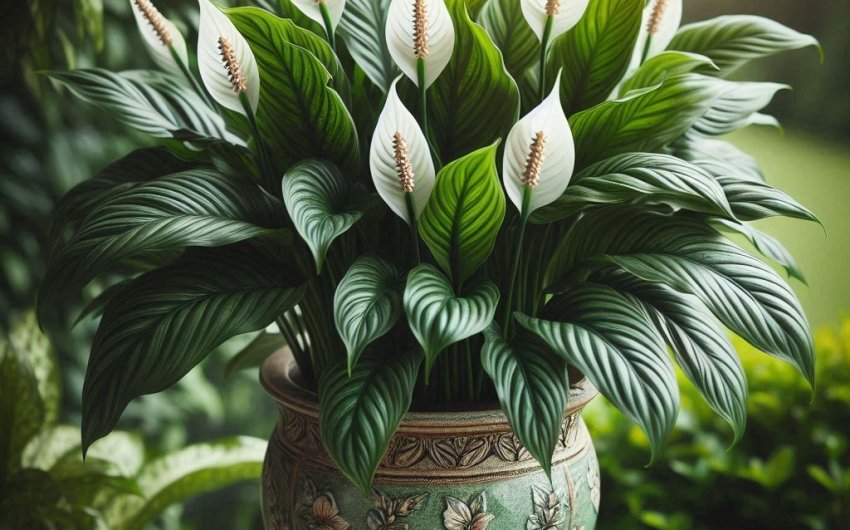
Peace Lily care tips focus on providing consistent moisture, indirect light, and high humidity to ensure these elegant plants thrive and produce their signature white "flowers." With a relatively easy-to-read communication style (they droop dramatically when thirsty!), Peace Lilies are forgiving and rewarding houseplants.
Why Do People Love Peace Lilies So Much?
Peace Lilies (Spathiphyllum) have become incredibly popular houseplants, adorning homes and offices worldwide. Their widespread appeal comes from a combination of their beauty, benefits, and relatively straightforward Peace Lily care tips.
What Makes Peace Lilies Unique and Attractive?
- Elegant "Flowers": What most people call the "flower" of a Peace Lily is actually a modified leaf called a spathe, which surrounds a central stalk of tiny true flowers called a spadix. These spathes are typically white, creating a striking contrast with the plant's dark green foliage, and they signify peace and purity.
- Lush Foliage: Even without their white spathes, Peace Lilies boast beautiful, glossy, dark green leaves that grow in graceful clumps, adding a touch of tropical elegance to any indoor space.
- Air Purification Power: Peace Lilies are well-known for their exceptional air-purifying qualities. They are effective at removing common indoor air pollutants like formaldehyde, benzene, trichloroethylene, xylene, and ammonia. This makes them not just beautiful, but beneficial for your home's air quality.
- Communicative Plant: One of the most endearing qualities of a Peace Lily is its ability to "tell" you when it needs water. When thirsty, its leaves will dramatically droop, often almost laying flat. Within hours of watering, it perks right back up, making it a very forgiving plant for beginners.
What are the Benefits of Having a Peace Lily at Home?
- Aesthetic Appeal: Their elegant form and striking white-on-green contrast make them a beautiful addition to any room, fitting well with various decor styles.
- Improved Air Quality: As mentioned, their air-purifying capabilities contribute to a healthier indoor environment, potentially reducing respiratory irritants.
- Stress Reduction: Like many houseplants, the presence of a Peace Lily can contribute to a calming atmosphere, reducing stress and improving overall well-being.
- Easy to Find and Affordable: Peace Lilies are widely available at nurseries, garden centers, and even grocery stores, and are generally an affordable choice for bringing greenery into your home.
- Forgiving Nature: Their clear communication about thirst and their ability to bounce back quickly after watering make them a great choice for new plant parents or those who might occasionally forget to water.
Are There Different Types of Peace Lilies?
Yes, while the common name "Peace Lily" often refers to a few key varieties of Spathiphyllum, there are differences in size and slight variations in leaf and spathe shape.
- Spathiphyllum wallisii: This is the smaller, most common variety found in homes, usually growing 1-2 feet (30-60 cm) tall.
- Spathiphyllum 'Mauna Loa': A popular medium-sized hybrid that can grow up to 3 feet (90 cm) tall, producing larger, more abundant spathes.
- Spathiphyllum Sensation': A giant variety that can reach 4-6 feet (1.2-1.8 meters) tall, with very large, deeply ribbed leaves and impressive spathes. This one requires significant space.
Regardless of the variety, the core Peace Lily care tips remain largely the same.
What are the Essential Peace Lily Care Tips?
Mastering Peace Lily care tips means understanding their preferred environment. Mimicking their native tropical rainforest understory conditions is key to a thriving plant.
How Much Light Does a Peace Lily Need?
Light is crucial for blooming, but too much can harm the leaves.
- Bright, Indirect Light is Ideal: Peace Lilies thrive in bright, indirect light. This means a spot near a window (east or north-facing are often perfect) where the sun's rays don't directly hit the leaves. Filtered light through a sheer curtain from a west or south-facing window can also work.
- Tolerates Low Light: They are very tolerant of low light conditions, making them excellent choices for darker rooms, offices, or bathrooms. However, in very low light, they may produce fewer "flowers" and grow slower.
- Avoid Direct Sun: Direct sunlight will scorch their delicate leaves, causing unsightly yellowing and brown spots.
- Signs of Too Much Light: Yellow, crispy leaves; brown spots or edges.
- Signs of Too Little Light: Few or no "flowers," very slow growth, or leggy stems reaching for light.
How Often Should You Water a Peace Lily?
Watering is the most talked-about aspect of Peace Lily care, as they are excellent at signaling their thirst.
- "The Droop Test": Peace Lilies famously droop when they are thirsty. This is your cue to water! However, don't wait for prolonged wilting, as it stresses the plant. Aim to water just before they start to droop dramatically.
- Keep Soil Consistently Moist: Peace Lilies prefer consistently moist soil, but never soggy. Allow the top inch or two (2.5-5 cm) of soil to dry out between waterings. Stick your finger into the soil to check.
- Thorough Watering: When you do water, water deeply until water drains from the bottom of the pot. This ensures the entire root ball is moistened.
- Drainage is Non-Negotiable: Always use a pot with drainage holes. Peace Lilies absolutely hate sitting in standing water, which leads to root rot. Empty the drainage saucer after 15-30 minutes.
- Water Type: Peace Lilies can be sensitive to chemicals in tap water, particularly chlorine and fluoride, which can cause brown leaf tips. Using filtered water, distilled water, or rainwater can help. Alternatively, let tap water sit out for 24 hours to allow chlorine to evaporate.
- Seasonality: Reduce watering frequency slightly in fall and winter when growth naturally slows down.
- Signs of Overwatering: Yellowing lower leaves, black spots, mushy stems, a foul smell from the soil, or continuous wilting despite wet soil (indicating root rot).
- Signs of Underwatering: Dramatic drooping, crispy leaf edges, or leaves turning yellow from the bottom up.
What are the Humidity Requirements for a Peace Lily?
Peace Lilies are tropical plants that thrive in high humidity.
- High Humidity Preferred: Aim for 60% or higher humidity. Average indoor humidity can be too dry for them, especially in winter when heating systems are on.
- Ways to Increase Humidity:
- Misting: Mist the leaves daily with filtered water.
- Pebble Tray: Place the pot on a tray filled with pebbles and water (ensure the pot is not sitting directly in the water). The evaporating water increases local humidity.
- Humidifier: For consistent high humidity, especially in dry climates, a Room Humidifier is the most effective solution.
- Group Plants: Grouping your Peace Lily with other plants creates a microclimate with slightly higher humidity.
- Bathroom Placement: Bathrooms are often naturally more humid and can be a good spot for Peace Lilies if light permits.
- Signs of Low Humidity: Brown, crispy leaf tips or edges, even if watering is correct.
What is the Best Soil for a Peace Lily?
A well-draining, moisture-retentive potting mix is ideal.
- Loamy and Well-Draining: Peace Lilies prefer a rich, well-aerated potting mix that holds moisture but still drains efficiently.
- DIY Mix: A good mix could be:
- 1 part high-quality indoor potting mix
- 1 part perlite or coarse sand (for drainage)
- 1 part coco coir or peat moss (for moisture retention)
- Avoid Heavy Soil: Dense, compacted soils retain too much water and can lead to root rot.
- A good starting point is Miracle-Gro Indoor Potting Mix combined with Espoma Perlite.
What Temperature Does a Peace Lily Prefer?
- Consistent Warmth: Peace Lilies prefer consistent indoor temperatures between 65-80°F (18-27°C).
- Avoid Extremes: Keep them away from cold drafts (e.g., open windows in winter), heating vents, or air conditioning units, as sudden temperature fluctuations can stress them.
Advanced Peace Lily Care Tips: Feeding, Pruning, and Repotting
Once you master the basics, these advanced Peace Lily care tips will help your plant truly flourish, bloom beautifully, and stay healthy for years.
How and When Should You Fertilize a Peace Lily?
Peace Lilies are not heavy feeders, so fertilize sparingly.
- During Growing Season Only (Spring & Summer): Fertilize every 4-6 weeks during their active growth period.
- Dilution: Use a balanced liquid houseplant fertilizer (e.g., 5-5-5 or 10-10-10 NPK ratio) diluted to half or even quarter strength. Over-fertilizing can easily burn their roots.
- Avoid Fall/Winter: Do not fertilize when growth slows down in cooler, darker months.
- Signs of Under-fertilizing: Lack of "flowers," slow growth, or overall pale foliage.
- Signs of Over-fertilizing: Crispy brown leaf tips/edges, yellowing and wilting (despite correct watering), or white crust on the soil surface.
- A gentle option is Schultz All-Purpose Plant Food.
How Do You Prune a Peace Lily?
Pruning primarily involves removing spent "flowers" and yellowing leaves.
- Deadhead Spent "Flowers": Once a white spathe fades and turns green or brown, cut the entire stalk back as close to the base of the plant as possible. This encourages the plant to put energy into producing new blooms and foliage, rather than seeds.
- Remove Yellow/Damaged Leaves: Use clean, sharp pruning shears or scissors to cut off any yellow, brown, or damaged leaves at their base. This improves the plant's appearance and channels energy to healthy growth.
- Pruning for Size: If your Peace Lily becomes too large or leggy, you can prune back entire stems at the base, but generally, their growth habit doesn't require extensive shaping.
- Use sharp Pruning Snips.
When Should You Repot a Peace Lily?
Peace Lilies generally prefer to be slightly root-bound, but eventually, they will need more space.
- Signs of Needing Repotting:
- Roots growing out of the drainage holes or from the top of the soil.
- The plant becoming severely top-heavy and unstable.
- Water runs straight through the pot quickly without soaking in (indicating compacted soil or too many roots).
- Growth has noticeably slowed down or stopped despite proper care.
- Frequency: Typically every 1-2 years, or when you notice the plant is clearly outgrowing its pot.
- Pot Size: Go up only one pot size (e.g., from an 8-inch to a 10-inch pot). Too large a pot holds excess moisture, increasing the risk of root rot.
- Procedure:
- Gently remove the plant from its current pot.
- Loosen any circling or tightly matted roots at the bottom.
- Add a layer of fresh, well-draining potting mix to the bottom of the new pot.
- Place the Peace Lily in the new pot, ensuring the top of the root ball is at the same level as it was in the old pot.
- Fill around the sides with more potting mix, gently firming it.
- Water thoroughly after repotting.
- Dividing: When repotting, if your plant is very large and you want to propagate it or reduce its size, you can gently divide the plant into smaller clumps, ensuring each clump has some roots and leaves.
Propagating Your Peace Lily
Propagating a Peace Lily is a simple way to expand your collection or share with friends. It's usually done through division.
How to Propagate Peace Lilies by Division
Division is the easiest and most successful method for Peace Lily propagation.
- Prepare the Plant: The best time to divide is during repotting in spring or early summer. Water the plant a day before to make it easier to handle.
- Remove from Pot: Gently remove the entire plant from its pot.
- Loosen Soil and Roots: Carefully shake off excess soil from the root ball. You'll see individual clumps or "offsets" that are attached to the main plant.
- Divide the Clumps: Gently pull or carefully cut the root ball into smaller sections or clumps. Each section should have its own set of roots and at least 2-3 healthy leaves. A clean, sharp knife can be used for tough roots, but often you can separate by hand.
- Pot New Plants: Plant each new clump into a small pot (e.g., 4-6 inches / 10-15 cm) with fresh, well-draining potting mix.
- Water and Care: Water thoroughly after potting. Keep the newly divided plants in a warm spot with bright, indirect light and ensure high humidity for a few weeks to help them recover from the stress of division.
Troubleshooting Common Peace Lily Care Problems
Even with excellent Peace Lily care tips, issues can arise. Learning to diagnose and address these common problems will help you keep your plant healthy and beautiful.
Why Are My Peace Lily Leaves Turning Yellow?
Yellowing leaves are a common sign of distress, usually related to watering.
- Overwatering (Most Common): If the lower leaves are yellowing and possibly mushy, and the soil is consistently wet, it's a classic sign of overwatering and potential root rot. Solution: Allow the soil to dry out more between waterings. Ensure the pot has drainage holes and you're emptying the saucer.
- Underwatering: If all leaves are yellowing, becoming crispy, and the plant is severely drooping, it's thirsty. Solution: Water thoroughly and consistently. The plant should perk up.
- Nutrient Deficiency: If yellowing is widespread and not related to watering, it could be a lack of nutrients (often nitrogen). Solution: Fertilize lightly during the growing season.
- Normal Aging: Older, lower leaves will naturally yellow and die off as the plant grows. Remove these.
Why Are My Peace Lily Leaves Turning Brown?
Browning, especially at the tips or edges, points to specific environmental factors.
- Low Humidity: This is the most common cause for crispy brown tips on Peace Lily leaves, even if watering is correct. Solution: Increase humidity (mist, pebble tray, humidifier).
- Chemical Burn from Water: Fluoride or chlorine in tap water can cause brown tips. Solution: Use filtered or distilled water, or let tap water sit out overnight.
- Underwatering: If the entire leaf is browning and crispy, the plant is severely underwatered. Solution: Water thoroughly.
- Direct Sunburn: Brown, scorched spots on leaves indicate too much direct sunlight. Solution: Move the plant to a location with bright, indirect light.
- Over-fertilization: Crispy brown tips and edges can also be a sign of too much fertilizer. Solution: Flush the soil with plain water and hold off on fertilizing for a while.
Why Is My Peace Lily Not Flowering?
Lack of blooms is a common complaint but usually has a straightforward cause.
- Insufficient Light (Most Common): The primary reason for a lack of "flowers" is not enough bright, indirect light. While they tolerate low light, they need good light to bloom. Solution: Move your Peace Lily to a brighter spot (east or north-facing window, or filtered south/west).
- Immaturity: Young Peace Lilies may need time to mature before they start flowering.
- Lack of Nutrients: If the plant is mature and has good light but still no blooms, it might need a boost of phosphorus, which encourages flowering. Solution: Fertilize with a balanced liquid fertilizer during the growing season.
- Stress: A stressed plant (from inconsistent watering, pests, or temperature extremes) will prioritize survival over flowering. Address any underlying issues.
- Old Spathes: If you're not deadheading spent blooms, the plant might put energy into seed production rather than new flowers.
Why Are My Peace Lily Leaves Drooping?
- Underwatering (Most Common): This is the classic Peace Lily "drama." If the soil is dry and leaves are limping, water thoroughly. The plant should perk up within hours.
- Overwatering/Root Rot: Paradoxically, a plant with root rot can also droop because damaged roots can't absorb water, even if the soil is wet. Check the soil. If it's soggy and smelly, it's root rot. Solution: Reduce watering, improve drainage. Repot if severe.
- Temperature Shock: Sudden temperature changes can cause temporary drooping.
How Do I Deal with Pests on My Peace Lily?
Peace Lilies are generally robust, but can occasionally attract pests.
- Common Pests: Spider mites (fine webbing, tiny dots), mealybugs (white, cottony masses), aphids (small, soft-bodied insects).
- Regular Inspection: Check the undersides of leaves and stem crevices regularly.
- Treatment:
- Isolate: Move the affected plant away from others.
- Wipe: For minor infestations, wipe pests off with a damp cloth or cotton swab dipped in rubbing alcohol.
- Hose Down: A strong spray of water (in a shower) can dislodge many pests.
- Insecticidal Soap/Neem Oil: For persistent issues, spray thoroughly with an organic insecticidal soap or neem oil, following product instructions. Repeat applications often needed.
By following these comprehensive Peace Lily care tips, you can confidently cultivate these beautiful and beneficial plants, enjoying their lush foliage and elegant blooms for years to come.