
Nurturing Nature: Your Guide to Organic Houseplant Fertilizer
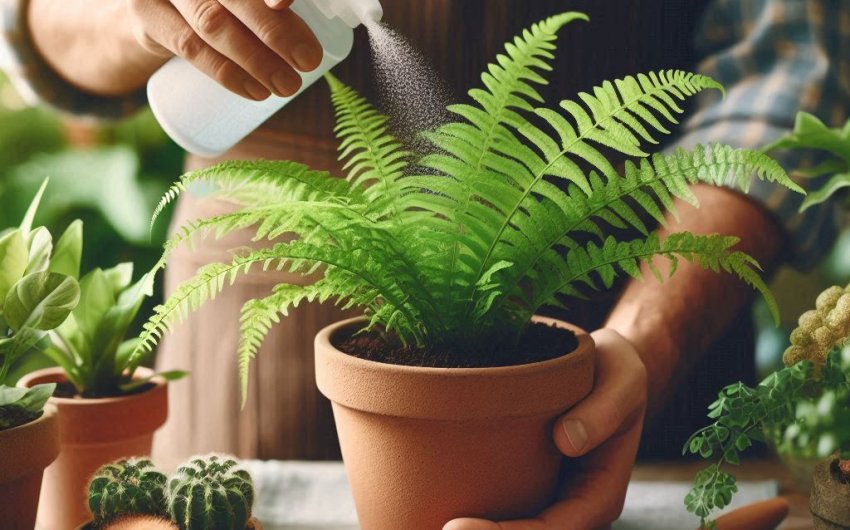
Organic houseplant fertilizer provides essential nutrients to indoor plants using natural, living compounds, promoting robust growth, vibrant foliage, and long-term soil health without synthetic chemicals. These fertilizers work with the soil's microbiome to create a sustainable and beneficial environment for your indoor greenery.
Why Choose Organic Houseplant Fertilizer?
Opting for organic houseplant fertilizer offers a holistic approach to plant nutrition, benefiting not only your plants but also your home environment and the planet. It's a choice that supports long-term health over quick fixes.
What are the Benefits of Organic Fertilizers?
- Improved Soil Health: Unlike synthetic fertilizers that only feed the plant, organic fertilizers nourish the soil. They introduce beneficial microorganisms (bacteria, fungi, worms) that break down organic matter, improving soil structure, aeration, and water retention. This creates a living, healthier ecosystem in your pot.
- Slow-Release Nutrients: Organic nutrients are released slowly as microorganisms decompose them, providing a steady and consistent supply of food for your plants over time. This reduces the risk of over-fertilization and nutrient burn, a common problem with synthetic quick-release options.
- Reduced Risk of Chemical Buildup: Synthetic fertilizers can lead to a buildup of salts and chemical residues in the soil, which can harm roots and eventually kill the plant. Organic options prevent this, promoting a cleaner growing medium.
- Safer for Pets and Children: While not all organic products are edible, they are generally much safer to use around pets and curious children compared to harsh chemical alternatives. The risk of accidental ingestion or skin irritation is significantly lower.
- Environmentally Friendly: Organic fertilizers are derived from natural sources, reducing reliance on fossil fuels and chemical manufacturing processes. They are sustainable and biodegradable, making them a more eco-conscious choice.
- Enhanced Flavor (for edible plants): If you're growing indoor herbs or small edible plants, organic fertilizers can contribute to better flavor and aroma by promoting a more natural growth process.
How Do Organic Fertilizers Work Differently?
The fundamental difference lies in their mechanism.
- Synthetic Fertilizers: Provide nutrients in a readily available, salt form that plants absorb directly. This is like giving plants an IV drip – quick, but it doesn't build long-term soil health.
- Organic Fertilizers: Rely on microbial activity in the soil. Microbes break down complex organic compounds into simpler forms that plants can absorb. This is like giving the soil healthy food that slowly releases nutrients over time, building a stronger foundation.
This process means organic fertilizers typically take a bit longer to show effects, but the results are often more sustained and contribute to overall plant vitality.
Are There Any Downsides to Using Organic Fertilizers?
While beneficial, it's good to be aware of potential considerations:
- Slower Action: As they rely on decomposition, the effects aren't as immediate as with synthetic fertilizers. Patience is key.
- Potential Odor: Some organic fertilizers, particularly those derived from animal products (like fish emulsion or manure), can have a noticeable odor, especially after initial application. This usually dissipates quickly but can be a concern for indoor use.
- Pest Attraction (Rare): Very rarely, some organic matter can attract fungus gnats if the soil remains overly wet, as they feed on decaying organic material. Proper watering practices mitigate this risk.
- Less Precise Nutrient Ratios: It can sometimes be harder to know the exact nutrient percentages (N-P-K) in some homemade or less-processed organic options compared to standardized synthetic formulas.
Overall, for indoor plants, the benefits of organic houseplant fertilizer typically outweigh these minor drawbacks, especially when proper application methods are followed.
What Are the Types of Organic Houseplant Fertilizer?
Organic houseplant fertilizer comes in various forms, each with unique nutrient profiles and application methods. Understanding these types will help you choose the best fit for your plants and lifestyle.
Liquid Organic Fertilizers
Liquid organic fertilizers are convenient and often provide quicker nutrient availability than dry forms, as they are already suspended in water.
- Fish Emulsion: A popular, fast-acting organic liquid made from decomposed fish byproducts.
- Pros: Rich in nitrogen, good for leafy growth. Readily available to plants.
- Cons: Can have a strong, fishy odor, especially when first applied.
- Use: Dilute heavily according to instructions. Use for general houseplant feeding. A good choice is Neptune's Harvest Organic Fish & Seaweed Fertilizer.
- Seaweed/Kelp Extract: Made from various seaweeds.
- Pros: Contains a wide range of micronutrients, hormones, and trace elements that promote overall plant health, root development, and stress resistance. Low odor.
- Cons: Lower in NPK (primary nutrients) compared to fish emulsion.
- Use: Excellent as a supplement or root stimulator. Can be used for foliar feeding (spraying on leaves).
- Worm Castings Tea: A liquid made by steeping worm castings in water.
- Pros: Rich in beneficial microbes and readily available nutrients. Mild odor.
- Cons: Requires making your own tea or buying a pre-made liquid.
- Use: Gentle and effective for regular feeding.
- Compost Tea: Similar to worm castings tea, made by steeping compost.
Dry/Granular Organic Fertilizers
These are excellent for slow-release feeding and enriching the potting mix. They are typically mixed into the topsoil or incorporated during repotting.
- Worm Castings: The "end product" of worm digestion.
- Pros: A complete and balanced fertilizer, rich in beneficial microbes, improves soil structure, odorless. Very gentle, impossible to burn plants.
- Cons: Nutrient levels are lower, so may need more frequent application or combination with other fertilizers for heavy feeders.
- Use: Mix into potting soil during repotting (up to 10-20% of the mix), or top-dress (sprinkle on topsoil and gently work in). Worm Castings Organic Fertilizer.
- Bone Meal: Ground animal bones.
- Pros: High in phosphorus (P) and calcium, promoting strong roots and flowering.
- Cons: Slower release, very little nitrogen. Can attract pets if used excessively outdoors (less of an issue indoors).
- Use: Best for flowering plants or when phosphorus is specifically needed. Mix into soil.
- Blood Meal: Dried animal blood.
- Pros: High in nitrogen (N), promoting lush leafy growth. Relatively quick release for a dry organic.
- Cons: Can have an odor. Overuse can cause nitrogen burn.
- Use: Good for leafy greens or plants needing a nitrogen boost. Use sparingly.
- Compost: Decomposed organic matter.
- Pros: Improves soil structure, adds a wide range of nutrients, introduces beneficial microbes.
- Cons: Can be bulky. Nutrient content varies widely depending on the source materials.
- Use: Mix into potting soil during repotting or use as a top-dressing.
- Alfalfa Meal: Ground alfalfa plants.
- Pros: Good source of nitrogen, trace minerals, and natural growth stimulants.
- Cons: Slower acting.
- Use: Gentle, all-purpose organic fertilizer.
Homemade Organic Fertilizers
For the truly DIY-inclined, your kitchen often holds valuable plant nutrients.
- Coffee Grounds: Slightly acidic, adding nitrogen and improving soil drainage.
- Use: Sprinkle dried coffee grounds sparingly on topsoil (avoid too much, as it can be too acidic or cause mold).
- Banana Peels: Rich in potassium.
- Use: Chop up and bury in soil, or steep in water to make a "tea" (can attract fruit flies if not covered well).
- Eggshells: Good source of calcium.
- Use: Crush thoroughly into a fine powder and mix into soil. Takes a long time to break down.
- Aquarium Water: Water from a fish tank is rich in nitrogen and other nutrients from fish waste.
- Use: Directly water plants with it. Ensure it's not saltwater or heavily medicated.
Table: Organic Fertilizer Quick Reference
| Type | Primary Nutrients | Best For | Pros | Cons |
|---|---|---|---|---|
| Fish Emulsion | High N | Leafy growth, general feeder | Fast-acting for organic, complete | Strong odor |
| Seaweed/Kelp | Micronutrients | Overall health, root growth | Broad spectrum of benefits, low odor | Lower NPK |
| Worm Castings | Balanced NPK | All plants | Complete, gentle, odorless, improves soil | Lower NPK than synthetics, requires volume |
| Bone Meal | High P, Ca | Roots, flowering | Excellent P source, slow release | Slow acting, very little N |
| Blood Meal | High N | Leafy growth | High nitrogen, relatively quick for organic | Can have odor, easy to over-apply N |
| Coffee Grounds | N | Acid-loving plants | Free, improves soil texture | Can cause mold if not dried, mild acidity |
| Aquarium Water | N, P, K, Microbes | All plants | Free, gentle, full of microbes | Availability limited to fish owners |
How and When to Use Organic Houseplant Fertilizer?
Applying organic houseplant fertilizer correctly is just as important as choosing the right type. Timing, dilution, and method all play a role in your plants' success.
When is the Best Time to Fertilize?
- Growing Season is Key: The most crucial rule is to fertilize only during the plant's active growing season. For most houseplants, this is spring and summer. This is when they are actively putting out new leaves and using energy.
- Reduce/Stop in Fall/Winter: As days shorten and light levels decrease, most houseplants enter a period of dormancy or significantly slowed growth. Fertilizing during this time can stress the plant, lead to nutrient buildup, and potentially burn the roots.
- Signs of Active Growth: Look for new leaves unfurling, new stems emerging, or roots growing out of drainage holes.
- After Repotting: If you've just repotted a plant into fresh potting mix, the new soil will contain enough nutrients for several weeks or even a few months. Hold off on fertilizing immediately after repotting to avoid overdoing it.
How Should You Apply Liquid Organic Fertilizers?
Liquid organic fertilizers are easy to use and provide relatively quick nutrient delivery.
- Dilute Correctly: This is critical. Always dilute liquid organic fertilizers to half or even quarter strength of what the product label recommends for outdoor plants. Indoor plants have smaller root systems and are more susceptible to over-fertilization.
- Water Before Fertilizing: Always water your plant thoroughly before applying liquid fertilizer. Applying fertilizer to dry soil can shock the roots and cause burn.
- Apply Evenly: Pour the diluted fertilizer solution evenly over the soil surface, ensuring it reaches all parts of the root ball.
- Frequency: For most houseplants during the growing season, a general guideline is every 2-4 weeks. Adjust based on plant type and growth rate (e.g., heavy feeders might be every 2 weeks, slow growers every 4 weeks).
How Should You Apply Dry/Granular Organic Fertilizers?
Dry organic fertilizers work best as slow-release amendments.
- Top-Dressing:
- Gently scratch about 1/2 to 1 inch (1-2.5 cm) of the topsoil layer.
- Sprinkle a small amount of the granular fertilizer (e.g., a tablespoon of worm castings per 6-inch pot, adjust for larger pots) evenly over the surface.
- Gently work it into the topsoil.
- Water thoroughly after application to help activate the microbes and start the breakdown process.
- Mixing into Potting Mix (During Repotting):
- When repotting, you can incorporate granular organic fertilizers directly into your fresh potting mix.
- Follow product recommendations for ratios (e.g., 10-20% worm castings, or a few tablespoons of bone meal per gallon of soil). This provides a long-lasting, slow-release nutrient source.
- Frequency: Less frequent than liquid. Depending on the product, top-dressing might be needed every 1-3 months during the growing season.
How to Use Homemade Organic Fertilizers?
- Coffee Grounds: Sprinkle a thin layer of dried used coffee grounds on top of the soil about once a month. Work it in lightly. Don't use too much, as it can mold or become too acidic for some plants.
- Banana Peels: Chop fresh peels into small pieces and bury them a few inches deep in the soil during repotting. Or steep chopped peels in water for a few days to make a "banana tea" for watering.
- Eggshells: Clean and dry eggshells, then crush them into a fine powder. Mix a tablespoon or two into the soil during repotting. The calcium is very slow to release.
- Aquarium Water: Use directly to water your plants whenever you do a water change in your fish tank. It's a gentle and effective source of nutrients.
Important Note on Odor: Some organic fertilizers (especially fish emulsion, blood meal) can have a noticeable odor, particularly when first applied. This usually dissipates as the soil dries and microbes do their work. If odor is a major concern, opt for odorless options like worm castings or seaweed extract. Good ventilation can also help.
Troubleshooting and Best Practices for Organic Houseplant Fertilizers
Even with the best intentions, questions and issues can arise. Understanding how to interpret your plant's signals and follow best practices ensures successful use of organic houseplant fertilizer.
How Do You Know If Your Plant Needs Fertilizer?
Your plants will tell you if they're hungry!
- Slowed or Stunted Growth: If your plant isn't putting out new leaves or growing noticeably during its active season.
- Smaller New Leaves: New leaves are consistently smaller than older leaves.
- Pale or Yellowing Leaves: Especially older, lower leaves turning yellow (after ruling out over/underwatering). This often indicates a nitrogen deficiency.
- Lack of Flowering: If a flowering plant isn't producing blooms as expected.
- Overall Lack of Vibrancy: The plant just looks a bit "blah" or less lush than it should.
Remember, new plants in fresh potting mix usually don't need fertilizer for the first few months.
What are Signs of Over-Fertilization?
While less common with slow-release organics, it can still happen.
- Crispy Brown Leaf Tips or Edges: This is a classic sign of nutrient burn or salt buildup.
- Yellowing and Wilting (Despite Proper Watering): Roots can be damaged by excessive salts.
- Stunted Growth or Leaf Drop: Paradoxically, too much fertilizer can inhibit growth.
- White Crust on Soil Surface or Pot Rims: This is a mineral salt buildup.
Solution for Over-Fertilization:
- Flush the Soil: Take the plant to a sink and slowly pour a large amount of distilled or filtered water through the soil (at least 2-3 times the volume of the pot). Let it drain completely. This helps leach out excess salts.
- Hold Off on Fertilizing: Do not fertilize for at least 1-2 months after flushing, or until the plant shows signs of recovery and new growth.
- Repot (if severe): If the damage is extensive, carefully repot the plant into fresh, dry potting mix, gently rinsing the roots beforehand if you suspect severe salt buildup.
What are Best Practices for Using Organic Fertilizers?
- Read the Label: Always, always read the specific instructions on any commercial organic fertilizer product. Dilution rates and application frequencies vary.
- Consistency over Quantity: It's better to fertilize lightly and regularly during the growing season than to apply a large dose infrequently.
- Don't Fertilize Stressed Plants: Never fertilize a plant that is already struggling (e.g., from pests, disease, overwatering, or underwatering). Address the primary issue first, then fertilize once it shows signs of recovery.
- Consider Soil Biology: Remember that organic fertilizers rely on a healthy soil microbiome. Using a good quality potting mix with healthy components, and avoiding chemical pesticides, supports this microbial life.
- Observe Your Plants: The best indicator of success is your plant's response. Pay attention to new growth, leaf color, and overall vigor. Adjust your routine based on what your plants are telling you.
- Dusting Leaves: Fertilizing is about the roots, but keeping leaves clean (dust-free) ensures they can photosynthesize effectively, which is just as vital for plant health.
Can I Combine Organic Fertilizers?
Yes, combining different organic fertilizers can offer a broader spectrum of nutrients.
- Example: You might use a regular application of a diluted liquid fish emulsion (for nitrogen) and periodically top-dress with worm castings (for balanced nutrients and soil health).
- Layering: When repotting, you could incorporate bone meal for phosphorus at the bottom layer (near roots) and worm castings throughout the mix.
- Balance is Key: While combining, avoid overdoing any single nutrient. Always start with conservative amounts.
By embracing organic houseplant fertilizer, you are not just feeding your plants; you are nurturing a vibrant, sustainable ecosystem right in your home. The gentle, slow-release nature of these natural compounds promotes robust, lasting health for your indoor greenery, leading to more resilient plants and a happier home environment.