
Mastering Monstera Care: Your Ultimate Guide to a Thriving Plant
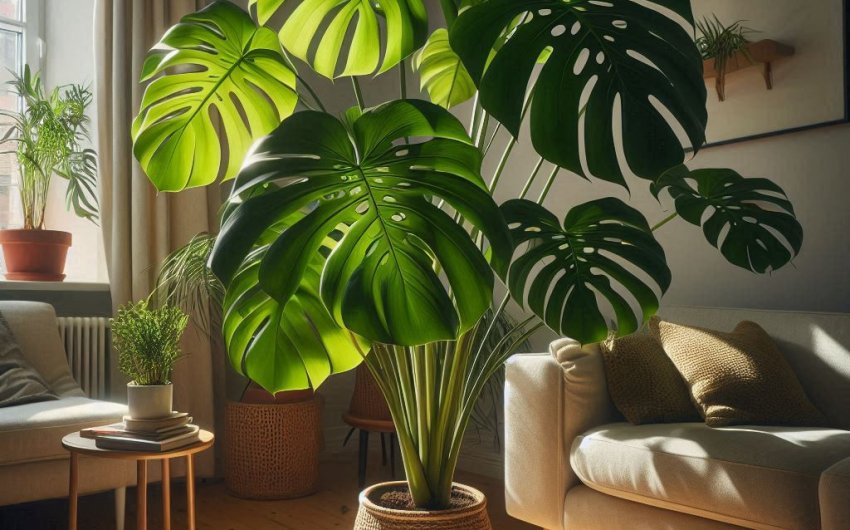
Monstera care involves providing the right balance of light, water, humidity, and support to ensure these iconic tropical plants flourish indoors, developing their signature fenestrations. With relatively straightforward needs, Monsteras are rewarding houseplants that bring a touch of the jungle into any home.
Why Are Monsteras So Popular?
Monsteras have skyrocketed in popularity in recent years, becoming a staple in modern interior design and a favorite among plant enthusiasts. Their unique appearance and relatively manageable needs contribute to their widespread appeal.
What Makes Monstera Plants Unique?
- Iconic Fenestrations: The most distinctive feature of many Monstera species, particularly the Monstera Deliciosa, are the natural splits and holes (fenestrations) that develop in their mature leaves. These "swiss cheese" patterns are visually captivating and make each leaf a work of art. Younger leaves start whole and develop fenestrations as they mature and receive adequate light.
- Aroid Family: Monsteras belong to the Araceae family, known as aroids. This family includes other popular houseplants like Philodendrons and Pothos. Aroids often feature unique growth habits, including aerial roots and spadix/spathe flower structures (though indoor Monsteras rarely flower).
- Aerial Roots: Monsteras produce thick, rope-like aerial roots that grow from their stems. In their natural habitat, these roots anchor the plant to trees and help absorb nutrients and moisture from the air. Indoors, they are a sign of a healthy plant and indicate its vining nature.
- Jungle Aesthetic: With their large, lush leaves and vining habit, Monsteras instantly bring a tropical, jungle-like vibe to any indoor space, creating a natural focal point.
What are the Benefits of Growing Monstera Indoors?
- Stunning Decor: Monsteras are living sculptures. Their impressive size and unique leaf patterns make them ideal statement pieces that elevate any room's aesthetic, from minimalist to bohemian.
- Air Purification: Like many houseplants, Monsteras contribute to cleaner indoor air by absorbing common toxins. While the effect may be modest in a typical home, it adds to a healthier living environment.
- Therapeutic Hobby: Caring for plants, including Monsteras, can be a relaxing and mindful activity, reducing stress and providing a sense of accomplishment as you watch them grow and develop.
- Relatively Easy Care (Once Understood): While they have specific needs, once you understand the basics of Monstera care, they are quite forgiving and resilient, making them a great choice for those looking to expand their plant collection beyond the absolute beginner level.
What are the Most Common Monstera Species?
While there are many Monstera species, a few are particularly popular as houseplants:
- Monstera Deliciosa: This is "the" iconic Monstera, known for its large, deeply fenestrated leaves. It's often simply called "Monstera." It can grow very large, needing plenty of space and support.
- Monstera Adansonii (Swiss Cheese Plant): Features smaller, often heart-shaped leaves with distinct holes (but usually not splits) throughout the leaf blade. It's a vining plant that looks great in hanging baskets or climbing.
- Monstera Obliqua: Extremely rare and highly sought after, known for having more hole than leaf tissue. Often confused with Adansonii, but true Obliqua is very delicate and has much larger perforations.
- Monstera Dubia: A shingling vine in its juvenile form, meaning its small, heart-shaped leaves lie flat against a surface. Develops fenestrations as it matures.
This guide primarily focuses on the Monstera Deliciosa as it is the most common and sought-after variety for home growers.
What are the Essential Elements of Monstera Care?
Achieving optimal Monstera care revolves around mimicking their natural tropical environment. This means providing the right light, water, humidity, and soil conditions.
How Much Light Does a Monstera Need?
Light is arguably the most critical factor for Monstera care, directly impacting growth and fenestration development.
- Bright, Indirect Light: Monsteras thrive in bright, indirect sunlight. This means a spot near a window (east, west, or even south if filtered) where the sun's rays don't directly hit the leaves. Imagine the dappled light of a jungle floor.
- Signs of Too Much Light: Yellowing leaves, crispy brown spots, or bleached-out patches indicate too much direct sun.
- Signs of Too Little Light: Small, underdeveloped leaves without fenestrations, leggy growth (long stems with sparse leaves), or very slow growth suggest insufficient light.
- Rotation: Rotate your Monstera every few weeks to ensure all sides receive even light exposure, promoting balanced growth.
- Supplemental Lighting: If natural light is limited, a Grow Light for Indoor Plants can be beneficial, especially during winter months.
How Often Should You Water a Monstera?
Proper watering is key to preventing common Monstera problems like root rot.
- Allow Soil to Dry Partially: Water your Monstera when the top 2-3 inches (5-7 cm) of soil feel dry to the touch. Stick your finger into the soil to check.
- Thorough Watering: When you do water, water deeply until water drains from the bottom of the pot. This ensures the entire root ball is moistened.
- Drainage is Crucial: Always use a pot with drainage holes. Never let your Monstera sit in standing water. Empty the drainage saucer after 15-30 minutes.
- Seasonality: Monsteras need more frequent watering during their active growing season (spring and summer) and less in fall and winter when growth slows.
- Signs of Overwatering: Yellowing lower leaves, black spots, mushy stems, or a foul smell from the soil indicate root rot.
- Signs of Underwatering: Drooping leaves, crispy edges, or slow growth can indicate your plant is thirsty. The soil will also be very dry and compacted.
What are the Humidity Requirements for a Monstera?
Monsteras are tropical plants, so they appreciate higher humidity levels than typically found in most homes.
- Moderate to High Humidity: Aim for 60-80% humidity. While they can tolerate average household humidity (around 40-50%), higher levels encourage lush growth and healthier aerial roots.
- Ways to Increase Humidity:
- Pebble Tray: Place the pot on a tray filled with pebbles and water (ensure the pot is not sitting directly in the water).
- Misting: Mist the leaves daily with filtered water, especially during dry periods.
- Humidifier: For serious plant enthusiasts, a Room Humidifier is the most effective way to consistently raise humidity.
- Group Plants: Grouping plants together creates a microclimate with slightly higher humidity.
What is the Best Soil for a Monstera?
A well-draining, airy potting mix is essential for healthy roots.
- Chunky, Well-Draining Mix: Monsteras prefer a loose, well-aerated soil that mimics their natural epiphytic (tree-climbing) or hemi-epiphytic (starting in soil, then climbing) growth.
- DIY Mix: A good homemade mix could include:
- 1 part high-quality indoor potting mix
- 1 part perlite or chunky pumice (for drainage and aeration)
- 1 part orchid bark or coco coir (for aeration and moisture retention)
- Avoid Dense Soil: Heavy, dense soils retain too much moisture and can lead to root rot.
- For a convenient option, consider Miracle-Gro Indoor Potting Mix combined with Espoma Perlite and Orchid Bark Mix.
What Temperature and Air Circulation Do Monsteras Prefer?
- Temperature: Monsteras thrive in average indoor temperatures, ideally between 65-80°F (18-27°C). Avoid sudden temperature drops or cold drafts, which can stress the plant.
- Air Circulation: Good airflow helps prevent fungal diseases and pest infestations, especially in humid environments. Ensure your Monstera isn't stuck in a stagnant corner.
Advanced Monstera Care: Support, Fertilizing, and Pruning
Beyond the basics, these practices will help your Monstera grow into a magnificent specimen.
How Do You Provide Support for a Growing Monstera?
Monsteras are natural climbers, and providing support is crucial for their healthy growth and the development of mature, fenestrated leaves.
- Moss Pole (Recommended): A Moss Pole for Climbing Plants is the best option. It provides a natural surface for aerial roots to cling to and grow into, mimicking a tree trunk. This encourages larger leaves and more fenestrations.
- How to Use: Gently tie the main stem to the moss pole as the plant grows, ensuring new growth points towards the pole. Mist the moss pole regularly to encourage aerial roots to attach.
- Trellis: A sturdy trellis can also provide support, though it won't offer the same moisture and anchoring opportunities for aerial roots as a moss pole.
- Staking: For smaller plants or temporary support, a simple plant stake can work, but a robust climbing structure will eventually be needed for mature Monsteras.
- Aerial Roots: Do NOT cut aerial roots unless they are completely dead or causing a major obstruction. They are vital for the plant's health, stability, and nutrient absorption. You can gently guide them towards the soil or a moss pole.
How and When Should You Fertilize a Monstera?
Monsteras are moderate feeders during their active growing season.
- During Growing Season (Spring & Summer): Fertilize every 2-4 weeks with a balanced liquid fertilizer.
- Dilution: Use a balanced liquid houseplant fertilizer (e.g., 5-5-5 or 10-10-10 NPK ratio) diluted to half strength.
- Avoid Fall/Winter: Do not fertilize during the dormant months when growth slows down.
- Signs of Under-fertilizing: Slow growth, smaller new leaves, or light green/yellowing overall foliage.
- Signs of Over-fertilizing: Crispy brown leaf tips/edges, white crust on the soil surface, or stunted growth.
- A good option is Miracle-Gro Indoor Plant Food.
How Do You Prune a Monstera?
Pruning helps maintain shape, manage size, and encourage bushier growth.
- When to Prune: Best done in spring or early summer during active growth.
- Remove Dead/Damaged Leaves: Always remove yellow, brown, or damaged leaves using clean, sharp pruning shears. Cut as close to the main stem as possible.
- Manage Size: If your Monstera is getting too large or leggy, you can cut back stems. Make cuts just above a node (where a leaf or aerial root emerges) to encourage new growth from that point.
- Propagate Cuttings: Pruned sections with at least one node and a leaf can often be propagated in water or soil to create new plants.
- Use sharp Garden Shears for clean cuts.
When Should You Repot a Monstera?
- Signs of Needing Repotting:
- Roots growing out of the drainage holes or from the top of the soil.
- The plant becoming top-heavy and unstable.
- Water runs straight through the pot without soaking in.
- Growth has noticeably slowed down despite proper care.
- Frequency: Typically every 1-2 years for young, fast-growing plants; every 2-3 years for mature plants.
- Pot Size: Go up only one pot size (e.g., from an 8-inch to a 10-inch pot). Too large a pot holds excess moisture, leading to root rot.
- Procedure:
- Gently remove the plant from its current pot.
- Loosen any circling roots at the bottom.
- Add a layer of fresh, well-draining potting mix to the new pot.
- Place the Monstera in the new pot, ensuring the top of the root ball is at the same level as before.
- Fill around the sides with more potting mix, gently firming it.
- Water thoroughly after repotting.
Propagating Your Monstera
Creating new Monsteras from cuttings is incredibly rewarding and easy to do!
How to Propagate Monstera in Water
Water propagation is a popular and straightforward method.
- Take a Cutting: Using clean, sharp shears, cut a section of stem that includes at least one node (where a leaf or aerial root emerges) and preferably one or two leaves. Ensure the cut is below a node.
- Prepare the Cutting: Remove any lower leaves that would be submerged in water.
- Place in Water: Put the cutting in a glass or jar filled with clean water, ensuring the node is submerged but no leaves are in the water.
- Provide Light: Place the jar in a spot with bright, indirect light.
- Change Water Regularly: Change the water every 3-5 days to keep it fresh and prevent bacterial growth.
- Wait for Roots: Roots should start to appear from the node within a few weeks (2-6 weeks, depending on conditions and time of year).
- Pot When Roots are 1-2 Inches: Once the roots are about 1-2 inches (2.5-5 cm) long, you can plant the cutting into a small pot filled with a well-draining potting mix.
- Transition Gradually: Keep the newly potted cutting slightly more moist for the first few weeks as it transitions from water to soil.
How to Propagate Monstera in Soil
Soil propagation can sometimes lead to stronger roots faster.
- Take a Cutting: Follow step 1 from water propagation.
- Prepare the Cutting: Follow step 2 from water propagation. Optionally, dip the cut end in rooting hormone to speed up the process. A good rooting hormone is Garden Safe TakeRoot Rooting Hormone.
- Plant in Soil: Plant the cutting directly into a small pot filled with a well-draining, airy potting mix. Ensure the node is buried in the soil.
- Keep Moist and Humid: Keep the soil consistently moist but not soggy. You can increase humidity around the cutting by placing a clear plastic bag over the pot (ensuring the bag doesn't touch the leaves) or using a clear dome. Remove the cover daily for a few minutes for air circulation.
- Test for Roots: After a few weeks, gently tug on the cutting. If there's resistance, roots have formed.
Troubleshooting Common Monstera Care Problems
Even with the best Monstera care, issues can arise. Learning to identify and fix them will help you keep your plant healthy.
Why Are My Monstera Leaves Turning Yellow?
Yellowing leaves are a common sign of distress, usually indicating a watering problem.
- Overwatering (Most Common): If the lower leaves are turning yellow, possibly with dark spots, and the soil is consistently wet, it's likely overwatering and potential root rot. Solution: Allow the soil to dry out more between waterings. Check drainage. If severe, repot into fresh, dry soil after inspecting and trimming rotten roots.
- Underwatering: If all leaves are turning yellow, becoming crispy, and the soil is bone dry, the plant is thirsty. Solution: Water thoroughly and consistently.
- Nutrient Deficiency: If new leaves are yellowing or the yellowing is widespread and not related to watering, it could be a nutrient deficiency (often nitrogen). Solution: Fertilize lightly during the growing season.
- Old Age: It's normal for a few older, lower leaves to yellow and drop off as the plant grows and prioritizes new foliage.
Why Are My Monstera Leaves Turning Brown?
Browning leaves can indicate several issues, often related to humidity or watering extremes.
- Crispy Brown Edges/Tips: Usually a sign of low humidity or underwatering. Solution: Increase humidity (misting, humidifier, pebble tray) and ensure consistent watering.
- Dark Brown/Black Spots or Mushy Leaves: A clear sign of overwatering and root rot. Solution: Reduce watering, improve drainage, check roots.
- Sunburn: Brown, crispy patches (often lighter brown) on leaves that were exposed to direct, intense sunlight. Solution: Move the plant to a location with bright, indirect light.
Why Are My Monstera Leaves Not Splitting (No Fenestrations)?
Lack of fenestrations is a common concern for Monstera owners.
- Insufficient Light (Most Common): The primary reason for a lack of splits is not enough bright, indirect light. Fenestrations develop as the plant matures and receives optimal light conditions. Solution: Move your Monstera to a brighter spot.
- Immaturity: Young Monstera plants will not have fenestrations. They develop as the plant grows larger and more mature. Be patient!
- Lack of Support: Providing a moss pole or support encourages the plant to climb and mature, leading to larger leaves and fenestrations. Solution: Add a moss pole for your Monstera to climb.
Why Is My Monstera Looking Leggy and Spindly?
- Insufficient Light: Long stems with few leaves and widely spaced nodes mean the plant is stretching to find more light. Solution: Move to a brighter location. Prune back leggy stems to encourage bushier growth.
Why Are My Monstera Leaves Drooping?
- Underwatering: The most common cause. If the soil is dry and leaves are limping, water thoroughly. The plant should perk up within a few hours.
- Overwatering/Root Rot: If the soil is wet, and leaves are drooping and possibly yellowing or mushy, it could be root rot. The roots are too damaged to absorb water. Solution: Check roots and repot if necessary.
- Temperature Shock: Sudden changes in temperature can cause temporary drooping.
How Do I Deal with Pests on My Monstera?
While generally robust, Monsteras can occasionally attract pests.
- Common Pests: Spider mites (fine webbing, tiny dots on leaves), mealybugs (white, cottony masses), thrips (tiny, slender insects, silvery streaks on leaves), scale (small, brown, immobile bumps).
- Regular Inspection: Check the undersides of leaves and stem crevices regularly.
- Treatment:
- Isolation: Isolate affected plant immediately.
- Wipe: For minor infestations, wipe pests off with a damp cloth or cotton swab dipped in rubbing alcohol.
- Hose Down: For spider mites, a strong spray of water in the shower can dislodge them.
- Insecticidal Soap/Neem Oil: For persistent issues, spray thoroughly with an organic insecticidal soap or neem oil, following product instructions. Repeat applications often needed.
Mastering Monstera care is a journey of understanding their tropical origins and replicating those conditions indoors. With consistent bright, indirect light, mindful watering, adequate humidity, and proper support, your Monstera will reward you with magnificent, fenestrated leaves, becoming a true showstopper in your home.