
Grow with Confidence: The Ultimate Mini Greenhouse for Plants Guide
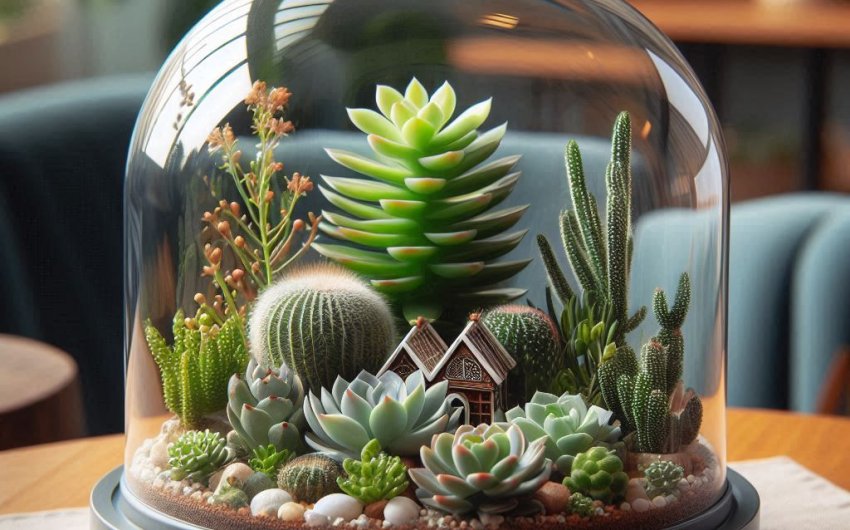
A mini greenhouse for plants is a compact, enclosed structure designed to create a controlled microclimate, providing optimal growing conditions for seedlings, delicate plants, or small plant collections. These versatile units protect plants from harsh weather, pests, and unstable indoor environments, extending your gardening season and enabling year-round cultivation.
Why Should You Get a Mini Greenhouse for Plants?
Investing in a mini greenhouse for plants offers a host of benefits, making it an invaluable tool for both novice and experienced gardeners. It addresses common challenges of plant cultivation by providing a nurturing environment.
How Does a Mini Greenhouse Protect Your Plants?
The primary function of a mini greenhouse for plants is to create a protective barrier against external threats.
- Weather Extremes: It shields plants from sudden cold snaps, frost, strong winds, heavy rain, and even excessive sun. This extends the growing season, allowing you to start seeds earlier in spring or protect tender plants later into fall.
- Pests and Diseases: The enclosed environment helps keep out common garden pests like aphids, slugs, and snails. It also reduces the spread of airborne diseases, giving your young plants a healthier start.
- Harsh Indoor Conditions: Indoors, mini greenhouses protect delicate seedlings or humidity-loving plants from dry air, drafts, and curious pets.
- Wildlife Protection: Outdoors, it can deter larger animals like rabbits, squirrels, or deer from munching on your tender greens.
How Does a Mini Greenhouse Create an Ideal Growing Environment?
The sealed nature of a mini greenhouse for plants allows for precise control over key environmental factors, mimicking optimal conditions for plant growth.
- Temperature Regulation: The transparent covering traps solar energy, creating a warmer interior temperature, much like a larger greenhouse. This "greenhouse effect" is crucial for seed germination and the growth of heat-loving plants. It also helps to moderate temperature fluctuations.
- Humidity Control: The enclosed space traps moisture, leading to higher humidity levels. This is vital for germinating seeds and for tropical plants that thrive in humid conditions, preventing their delicate leaves from drying out.
- Light Optimization: While it doesn't create light, the transparent cover allows sunlight to penetrate while diffusing it, preventing direct scorching. Some models can be fitted with grow lights for supplemental illumination.
- Air Circulation (Controlled): While sealed, many mini greenhouses have adjustable vents or zippers that allow you to control airflow, preventing stagnant air and reducing the risk of fungal issues, while still maintaining warmth and humidity.
What are the Benefits for Gardeners and Plant Enthusiasts?
- Extend Growing Season: Start seeds much earlier indoors in late winter/early spring, then gradually harden them off outdoors. Continue growing tender herbs or vegetables later into fall.
- Seed Germination Success: The consistent warmth and high humidity within a mini greenhouse for plants provide the perfect conditions for seed sprouting, significantly increasing germination rates.
- Propagation Hub: It's an excellent environment for rooting cuttings, as the high humidity prevents wilting.
- Space Saving: Ideal for small spaces like balconies, patios, or even indoors on a tabletop. They maximize vertical growing space.
- Cost-Effective: A mini greenhouse is a much more affordable alternative to a full-sized greenhouse, making controlled growing accessible to more people.
- Year-Round Gardening: For indoor models, you can cultivate herbs, microgreens, or small flowers regardless of the outdoor weather.
- Protection for Tender Plants: Overwinter delicate herbs or flowers that wouldn't survive freezing temperatures outdoors.
What Are the Different Types of Mini Greenhouses for Plants?
Mini greenhouses for plants come in various designs and materials, each suited for different needs, spaces, and types of plants. Choosing the right one depends on your specific gardening goals and available area.
What are Walk-In Mini Greenhouses?
Walk-in mini greenhouses are the largest type of mini greenhouse, offering enough space to step inside and work with your plants. They are typically still smaller than traditional greenhouses but provide significant growing capacity.
- Size: Generally 4-6 feet tall and 2-4 feet deep, often with multiple shelves.
- Structure: Usually feature a metal frame (steel or aluminum) covered with a transparent material like reinforced PE plastic, PVC, or sometimes polycarbonate panels.
- Features: Often have roll-up zippered doors for easy access and ventilation. Multiple shelves maximize vertical space.
- Use Cases: Ideal for starting many seedlings, growing larger plants like tomatoes or peppers (in pots), hardening off plants before transplanting, or overwintering a collection of tender potted plants. They are typically placed outdoors on a patio, balcony, or deck.
- A popular choice is a 4-Tier Walk-In Mini Greenhouse.
What are Shelving Unit Mini Greenhouses?
Shelving unit mini greenhouses are smaller than walk-ins but still multi-tiered, designed to fit in more compact spaces like a balcony, porch, or even indoors if height allows.
- Size: Typically 3-6 feet tall, 2-3 feet wide, with 3-5 shelves.
- Structure: Similar to walk-ins, with a metal frame and clear plastic cover (PVC or PE). Some higher-end models may use polycarbonate or glass panels.
- Features: Zipped roll-up front panel for access. Easy to assemble.
- Use Cases: Excellent for seed starting, growing herbs, small vegetables, or ornamental plants. They are versatile for both indoor and outdoor use. They make great starter greenhouses for beginners.
- Look for a Mini Greenhouse with Shelves.
What are Cold Frame Mini Greenhouses?
Cold frames are low-profile, box-like structures designed to sit directly on the ground.
- Size: Vary widely, from small single-plant units to larger beds covering a few square feet.
- Structure: Often made from wood, metal, or composite materials for the frame, with a clear lid made of glass or polycarbonate. The lid often tilts open for ventilation.
- Use Cases: Perfect for hardening off seedlings outdoors, protecting low-growing plants (like lettuces or root vegetables) during mild winters, or extending the harvest of certain crops. They act as an intermediate step between indoor starting and outdoor planting.
- A sturdy option is a Wooden Cold Frame Greenhouse.
What are Propagator or Tabletop Mini Greenhouses?
These are the smallest types, designed for individual pots or seed trays, typically used indoors.
- Size: Small enough to fit on a windowsill, desk, or countertop.
- Structure: Often consist of a clear plastic dome or lid that fits over a base tray. Some higher-end models might be glass terrariums.
- Features: Often come with a base tray and sometimes heating mats or adjustable vents.
- Use Cases: Ideal for seed starting, rooting cuttings, or providing a high-humidity environment for specific tropical plants (like orchids or ferns). They are excellent for small-scale propagation.
- Consider a Heated Seed Starting Kit with a mini greenhouse dome.
What are Pop-Up or Collapsible Mini Greenhouses?
Designed for convenience and portability.
- Size: Range from small cloches to medium-sized tents.
- Structure: Feature flexible poles that spring into shape, covered with clear plastic. Often lightweight and easy to move.
- Use Cases: Great for temporary plant protection during unexpected cold snaps, quickly sheltering sensitive plants, or for gardeners who need to store their greenhouse away easily.
- A practical choice is a Pop-Up Plant Cover.
What Materials Are Used in Mini Greenhouses?
The materials used in a mini greenhouse for plants directly impact its durability, heat retention, light transmission, and overall cost. Understanding these options helps you choose a suitable product.
What Are the Types of Framing Materials?
- Steel (Powder-Coated): Very common for budget-friendly mini greenhouses. It's strong and offers good support. Powder coating helps prevent rust, but it can still corrode over time, especially outdoors.
- Aluminum: Lighter than steel and naturally rust-resistant, making it a good choice for longevity. Often found in slightly higher-end models.
- Wood: Used primarily for cold frames and some decorative indoor mini greenhouses. Offers a natural, aesthetically pleasing look. Needs to be treated for weather resistance if used outdoors.
- PVC Plastic: Lightweight and cost-effective, often used for smaller pop-up or propagator frames. Not as durable as metal, but suitable for temporary use.
What Are the Types of Glazing (Covering) Materials?
The covering material is crucial as it determines light transmission, insulation, and durability.
- Polyethylene (PE) Film: A common, inexpensive plastic film often reinforced with a grid pattern for tear resistance.
- Pros: Very affordable, lightweight, easy to install.
- Cons: Less durable, UV degradation over time (can become cloudy or brittle), poorer insulation compared to other options.
- Polyvinyl Chloride (PVC) Film: A slightly thicker and more durable plastic film than PE.
- Pros: Better light transmission than PE, slightly more durable.
- Cons: Can also degrade with UV exposure, less insulation than rigid panels.
- Polycarbonate Panels: Rigid, clear or translucent plastic panels.
- Pros: Excellent insulation (especially twin-wall panels), highly durable, impact-resistant, diffuses light well to prevent scorching, UV protected.
- Cons: More expensive than film, can scratch.
- Often used in cold frames or higher-end shelving units. A Polycarbonate Mini Greenhouse offers superior performance.
- Glass: The traditional material for greenhouses.
- Pros: Excellent light transmission, aesthetically pleasing, very durable if not broken, excellent insulation (especially double-paned).
- Cons: Heaviest, most fragile, and most expensive.
- Typically used for high-end tabletop terrariums or cold frames.
When choosing materials, consider:
- Budget: Film is cheapest, then polycarbonate, then glass.
- Durability: How long do you want it to last?
- Insulation Needs: How cold does it get where you live?
- Aesthetics: Does it need to look good in your living room or just be functional in the backyard?
- Weight: Will you need to move it frequently?
How Do You Choose the Right Mini Greenhouse for Your Needs?
Selecting the perfect mini greenhouse for plants involves a careful assessment of your specific gardening goals, available space, and climate conditions.
What Plants Do You Plan to Grow?
- Seedlings: Almost any type of mini greenhouse works, but heated propagators or multi-tiered shelving units are ideal for starting many seeds.
- Herbs and Microgreens: Small tabletop models or compact shelving units are great. You'll need consistent light, perhaps even supplemental grow lights for indoor setups.
- Tropical Plants (Orchids, Ferns): A closed propagator or a terrarium-style mini greenhouse is best to maintain high humidity.
- Tender Vegetables (Tomatoes, Peppers): Walk-in or larger shelving unit mini greenhouses are needed to accommodate their mature size (when grown in pots). Cold frames are good for starting and hardening off.
- Overwintering Tender Perennials: Larger shelving units or walk-ins are suitable to protect potted plants from frost.
Where Will You Place Your Mini Greenhouse?
The location dictates the size, material, and features you'll need.
- Indoors (Windowsill, Tabletop):
- Choose compact, aesthetically pleasing models like propagator domes, terrariums, or small multi-tiered shelving units.
- Consider materials like glass or attractive wood/metal frames.
- Think about supplementary lighting (grow lights) if natural light is insufficient.
- Balcony or Small Patio:
- Shelving unit mini greenhouses or compact walk-ins are good choices.
- Ensure they are stable and can withstand some wind.
- Look for weather-resistant materials like powder-coated steel or aluminum frames with durable plastic covers (PE, PVC, or polycarbonate).
- Garden or Larger Outdoor Space:
- Walk-in mini greenhouses or cold frames are suitable.
- Consider models with anchor points or stakes for stability in windy conditions.
- Durability of frame and cover materials is paramount for long-term outdoor exposure.
What is Your Climate Like?
Your local climate will influence the insulation and durability needed.
- Mild Climates (Light Frost): A simple plastic film cover might suffice for basic protection and seed starting.
- Moderate Climates (Regular Frost, Cold Winters): Look for mini greenhouses with thicker PVC film, or ideally, polycarbonate panels for better insulation. Consider a heated propagator for seedlings.
- Hot Climates: Ventilation becomes crucial. Ensure your mini greenhouse has ample vents or easily adjustable zippers to prevent overheating. Some shade might also be necessary.
What is Your Budget?
Mini greenhouse for plants prices vary widely.
- Entry-Level (Under $50): Typically includes basic plastic film walk-ins, shelving units, or simple propagators. Good for beginners or temporary use.
- Mid-Range ($50-$200): Often features sturdier frames, more durable PVC or reinforced PE covers, or some polycarbonate cold frames. Offers better longevity and features.
- High-End ($200+): Includes models with robust aluminum frames, twin-wall polycarbonate panels, or decorative glass terrariums. These offer superior insulation, durability, and aesthetics.
Table: Mini Greenhouse Selection Guide
| Type of Plant/Goal | Recommended Mini Greenhouse Type | Key Features to Look For | Ideal Placement |
|---|---|---|---|
| Seed Starting (few) | Propagator, Tabletop | Clear dome, ventilation, optional heating mat | Windowsill, Tabletop |
| Seed Starting (many) | Shelving Unit, Small Walk-In | Multi-tiered, good light transmission, easy access | Indoor, Balcony, Patio |
| Tropical/Humidity Lovers | Propagator, Terrarium | Sealed enclosure, high humidity retention, clear visibility | Indoor, Decorative |
| Hardening Off | Cold Frame, Shelving Unit (outdoors) | Sturdy lid, adjustable vents, weather-resistant | Outdoor (Garden, Patio) |
| Herbs/Microgreens | Shelving Unit, Tabletop | Good light, easy access, compact footprint | Indoor, Balcony |
| Overwintering Tender Plants | Walk-In, Larger Shelving Unit | Sturdy frame, good insulation (polycarbonate), adequate height | Patio, Deck, Garden |
| Temporary Protection | Pop-Up, Cloche | Lightweight, easy to move, simple setup | Outdoor (Temporary) |
How Do You Set Up and Maintain Your Mini Greenhouse for Plants?
Proper setup and ongoing maintenance are crucial for maximizing the benefits of your mini greenhouse for plants and ensuring the health of your plants.
Where is the Best Location for a Mini Greenhouse?
Choosing the right spot is paramount for light and environmental control.
- Sunlight is Key: Even with a greenhouse, plants need light.
- South-facing: Ideal for most plants needing maximum sun exposure, especially in cooler climates. Monitor for overheating.
- East-facing: Receives morning sun, which is less intense. Good for plants that need bright, but not scorching, light.
- West-facing: Receives strong afternoon sun. Can be too hot in summer; monitor temperature.
- North-facing: Receives indirect light. Only suitable for very low-light plants or if supplementing with grow lights.
- Level Ground: Ensure the surface is flat and stable to prevent tipping.
- Protection from Strong Winds: If outdoors, place it in a sheltered spot or anchor it securely, especially lightweight models. Consider placing it against a wall or fence for extra protection.
- Accessibility: Choose a spot where you can easily reach your plants for watering, pruning, and monitoring.
- Power Access (if needed): If using heating mats, grow lights, or fans, ensure easy access to an electrical outlet with proper outdoor-rated extension cords if applicable.
What are the General Assembly Steps?
Most mini greenhouses for plants come with assembly instructions. Follow them precisely, but here's a general guide:
- Unpack and Inventory: Lay out all parts and compare them against the parts list to ensure nothing is missing.
- Read Instructions: Go through the entire manual before starting. Pay attention to diagrams.
- Assemble the Frame: Start with the base, then connect vertical supports and horizontal bars. Ensure all connections are secure. A rubber mallet can be useful for tapping plastic connectors.
- Attach Covering: Carefully drape or fit the transparent cover over the frame. Work slowly to avoid tearing, especially with film covers. Zip up doors or secure panels.
- Install Shelves (if applicable): Insert shelves onto the frame. Ensure they are level and secure.
- Anchor (Outdoor Models): For outdoor models, use ground stakes, tie-downs, or weigh down the base with heavy objects (like sandbags or bricks) to prevent it from blowing over in wind.
- Place Plants: Arrange your plants, leaving space for air circulation.
How Do You Manage Temperature and Humidity?
Maintaining the right environment within your mini greenhouse for plants is key.
- Temperature:
- Heating: For seed starting or tropical plants in cool weather, consider a Seedling Heat Mat placed under your trays.
- Ventilation: Crucial to prevent overheating on sunny days. Open doors, roll up panels, or use vents. A thermometer inside helps monitor. Aim for daytime temps between 70-85°F (21-29°C) and nighttime temps no lower than 50-60°F (10-16°C) for most plants.
- Shade Cloth: In very hot climates, a temporary shade cloth over the greenhouse can prevent scorching.
- Humidity:
- Misting: For humidity-loving plants, mist daily with a spray bottle filled with distilled water.
- Pebble Trays: Place trays of pebbles filled with water beneath pots. The evaporating water increases local humidity.
- Ventilation: Balance humidity with air circulation to prevent fungal diseases.
How Do You Water and Fertilize Plants in a Mini Greenhouse?
- Watering: Plants in a mini greenhouse often need less frequent watering due to higher humidity reducing evaporation. However, check soil moisture regularly. Water thoroughly when the top inch or two of soil is dry. Always ensure proper drainage.
- Fertilizing: Follow the specific needs of your plants. Seedlings generally don't need fertilizer. Established plants may need diluted liquid fertilizer during their active growing season.
How Do You Handle Pests and Diseases in a Mini Greenhouse?
The enclosed environment can reduce pests, but also creates ideal conditions for some.
- Inspection: Regularly inspect your plants for signs of pests or diseases. Catching issues early is key.
- Good Airflow: Essential to prevent fungal diseases like powdery mildew, especially in humid conditions. Ensure regular ventilation.
- Quarantine New Plants: Before introducing new plants, keep them in quarantine for a week or two to ensure they don't bring in pests.
- Treatment: For pests, use organic insecticidal soap or neem oil. For fungal issues, improve ventilation and remove affected parts.
General Maintenance Tips:
- Clean the Cover: Regularly wipe down the transparent cover to remove dust, dirt, or algae. This ensures maximum light transmission.
- Check Frame: Periodically inspect the frame for rust (on steel), loose connections, or damage.
- Repair Tears: For film covers, immediately repair any small tears with specialized greenhouse repair tape to maintain the sealed environment.
- Seasonal Storage: If using a seasonal or collapsible model, clean it thoroughly before storing in a dry, protected place.
What Can You Grow in Your Mini Greenhouse for Plants?
The versatility of a mini greenhouse for plants allows you to cultivate a wide range of botanical treasures, from delicate seedlings to specialty herbs and flowers.
Starting Seeds and Cuttings
This is one of the most popular uses for a mini greenhouse for plants.
- Vegetable Seeds: Tomatoes, peppers, broccoli, kale, lettuce, spinach, cucumbers, squash. Get a head start on your gardening season by sowing seeds indoors several weeks before the last frost date.
- Flower Seeds: Marigolds, zinnias, petunias, snapdragons, cosmos. Give them the ideal warmth and humidity for strong germination.
- Herb Seeds: Basil, cilantro, parsley, dill, chives. Ensure a steady supply of fresh herbs.
- Cuttings: Many houseplants and shrubs can be easily rooted in the high-humidity environment of a mini greenhouse. Examples include Pothos, Philodendron, Coleus, Rosemary, Geraniums. The trapped moisture prevents cuttings from drying out before they develop roots.
Growing Herbs and Microgreens Year-Round
- Indoor Herb Garden: Maintain a constant supply of fresh culinary herbs like basil, mint, oregano, thyme, rosemary, chives, and cilantro, even during winter. A mini greenhouse provides them with the consistent warmth and humidity they love.
- Microgreens: These nutrient-dense young seedlings (like radish, broccoli, arugula, kale) can be grown quickly and continuously in a mini greenhouse. The controlled environment helps them germinate uniformly.
Nurturing Tropical and Humidity-Loving Plants
- Many beautiful houseplants thrive in high humidity, which can be hard to provide in average homes, especially in dry climates. A mini greenhouse for plants creates a perfect microclimate.
- Orchids: Especially Phalaenopsis, Oncidium, and Cattleya orchids, appreciate the consistent humidity and warmth.
- Ferns: Many varieties like Maidenhair Ferns and Boston Ferns love high humidity and will flourish.
- Fittonia (Nerve Plant): Their delicate, colorful leaves thrive in moist air.
- Calathea/Prayer Plants: Known for their stunning foliage, they require high humidity to prevent crispy leaf edges.
- Carnivorous Plants: Pitcher Plants, Venus Flytraps, and Sundews need consistently moist soil and high humidity.
Hardening Off and Overwintering Plants
- Hardening Off: This is the process of gradually acclimating indoor-started seedlings to outdoor conditions before transplanting. A cold frame or a walk-in mini greenhouse is perfect for this. Over a period of 1-2 weeks, you gradually increase exposure to outdoor temperatures, wind, and direct sun by opening vents or covers for longer periods each day.
- Overwintering: Protect tender potted plants that aren't cold-hardy during winter. Move citrus trees, geraniums, fuchsias, or even tropical houseplants into a mini greenhouse to shield them from frost and cold temperatures. This allows them to survive until spring.
Table: What to Grow in Your Mini Greenhouse
| Plant Type / Goal | Ideal Mini Greenhouse Type | Key Benefits Provided by Greenhouse |
|---|---|---|
| Seed Starting (high success) | Propagator, Shelving Unit | Consistent warmth, high humidity for germination |
| Rooting Cuttings | Propagator, Any Enclosed | High humidity prevents wilting, promotes root development |
| Culinary Herbs (year-round) | Shelving Unit, Tabletop | Controlled temp/humidity, extends growing season |
| Microgreens | Tabletop, Shelving Unit | Rapid, consistent growth, pest protection |
| Tropical Houseplants | Terrarium, Enclosed Shelving Unit | Maintains high humidity, consistent warmth |
| Hardening Off Seedlings | Cold Frame, Walk-in | Gradual acclimatization to outdoor conditions |
| Overwintering Tender Plants | Walk-in, Large Shelving Unit | Protection from frost and harsh winter weather |
A mini greenhouse for plants is more than just a piece of gardening equipment; it's a gateway to extending your growing capabilities, nurturing delicate flora, and enjoying the therapeutic benefits of gardening year-round. Whether you're a seasoned gardener looking to expand or a beginner hoping for higher success rates, a mini greenhouse provides the controlled environment your plants need to flourish.