
Effortless Greenery: Top Low Maintenance Indoor Plants
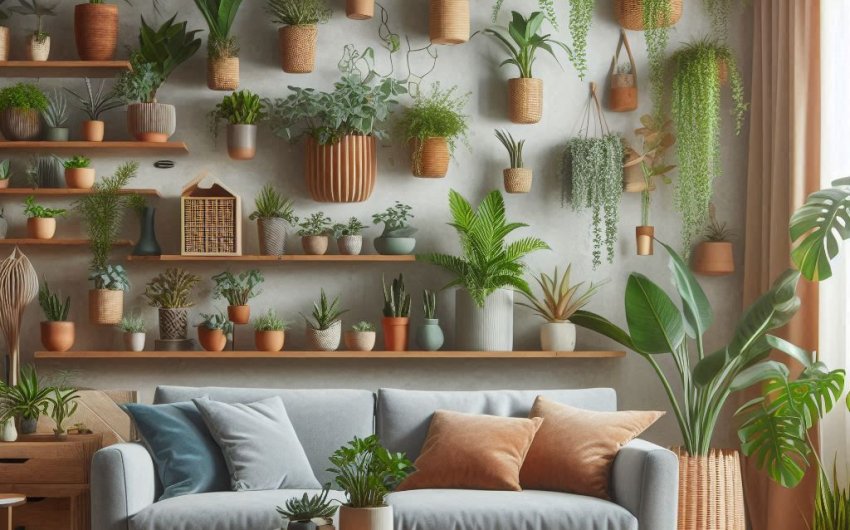
Low maintenance indoor plants are resilient houseplants that require minimal attention to thrive, making them perfect for busy individuals, beginners, or those who travel frequently. These adaptable plants allow anyone to enjoy the beauty and benefits of indoor greenery without a demanding care routine.
Why Choose Low Maintenance Indoor Plants?
Opting for low maintenance indoor plants offers a wealth of benefits, from reducing stress to ensuring your home stays green even when life gets hectic. They are the ideal solution for bringing nature indoors without the commitment of high-effort horticulture.
Who Benefits Most from Easy-Care Plants?
- Beginners: If you're new to the world of houseplants, these plants are incredibly forgiving. They allow you to learn the ropes of plant care without the discouragement of quickly wilting specimens. They build confidence and a green thumb.
- Busy Individuals: For those with demanding jobs, frequent travel, or packed schedules, low maintenance plants are a lifesaver. You don't have to worry about daily watering or complex care routines.
- Students: Living in dorms or small apartments, students often have limited space and time. Easy-care plants add life to their rooms without becoming another chore.
- Travelers: If you're often away from home, these plants can handle extended periods without attention, eliminating the need for constant plant-sitting arrangements.
- Anyone Who's "Killed" a Plant Before: Don't give up on plant parenthood! These resilient plants are designed to withstand a bit of neglect, offering a second chance at cultivating indoor greenery.
How Do Easy-Care Plants Save Time and Effort?
The primary appeal of low maintenance indoor plants is their minimal demands.
- Infrequent Watering: Many are drought-tolerant and prefer their soil to dry out between waterings, meaning you might only water them once every few weeks. This reduces the risk of overwatering, a common killer of houseplants.
- Adaptable Light Needs: While all plants need some light, many low maintenance varieties can tolerate a wide range of light conditions, from low to bright indirect light. This means less fuss about finding the "perfect" spot.
- Minimal Fertilizing: They are not heavy feeders and often require fertilizer only a few times a year, or not at all if repotted regularly into fresh soil.
- Slow Growth Rate: Generally, these plants grow slower, requiring less frequent repotting and pruning. This saves time and effort on maintenance tasks.
- Pest Resistance: Many hardy varieties are naturally more resistant to common indoor plant pests, reducing the need for pest management.
What are the Benefits of Having Indoor Plants?
Beyond ease of care, plants themselves offer significant advantages for your living space and well-being.
- Improved Air Quality: Plants naturally filter toxins from the air, such as formaldehyde and benzene, common in household products. Plants like the Snake Plant and ZZ Plant are well-known air purifiers.
- Stress Reduction: The presence of plants has been shown to reduce stress, improve mood, and increase feelings of well-being. Connecting with nature, even indoors, can be incredibly calming.
- Enhanced Aesthetics: Plants add life, color, and texture to any room, transforming dull spaces into vibrant, inviting areas. They are living decor that evolves over time.
- Increased Humidity: Plants release moisture into the air through transpiration, which can be beneficial in dry indoor environments, especially during winter months or in arid climates.
- Boosted Productivity: Studies suggest that having plants in a workspace can improve concentration and productivity.
What Makes a Plant "Low Maintenance"?
Understanding the characteristics that make a plant easy to care for helps you choose wisely and ensures your green companions thrive with minimal effort.
What Are Key Traits of Low Maintenance Plants?
- Drought Tolerance: This is arguably the most important trait. These plants can go for extended periods without water, often weeks, without suffering. They prefer their soil to dry out significantly between waterings.
- Adaptable to Various Light Conditions: While they prefer specific light levels, they won't immediately perish if conditions aren't perfect. Many can tolerate both low and moderate indirect light.
- Tolerance to Temperature Fluctuations: They aren't overly sensitive to slight changes in room temperature or occasional drafts.
- Pest and Disease Resistance: They naturally resist common indoor plant pests and fungal issues.
- Slow to Moderate Growth Rate: Slower growth means less frequent repotting and pruning.
- Minimal Fertilizing Needs: They don't require frequent feeding to maintain health.
How Do These Traits Impact Care?
- Watering: You can largely follow the "water when dry" rule. If you forget for an extra week, it's usually fine.
- Light: You don't need to stress about placing them in a specific window. A general brightly lit room, or even a shadier corner for some, will suffice.
- Humidity: Most are not fussy about high humidity and do well in average indoor humidity.
- Feeding: An occasional light feeding a few times a year is typically sufficient.
- Repotting: They rarely need repotting more than once every 1-3 years, sometimes even less.
- Pruning: Only occasional pruning to maintain shape or remove dead leaves is necessary.
What Mistakes Should You Avoid with Easy-Care Plants?
Even with low maintenance indoor plants, certain common mistakes can still lead to problems.
- Overwatering: This is by far the biggest killer of these plants. Their drought tolerance means they absolutely detest constantly wet feet, which leads to root rot. When in doubt, wait to water.
- Lack of Drainage: Planting in pots without drainage holes will inevitably lead to root rot, even with infrequent watering. Always use pots with drainage!
- Excessive Direct Sun: While adaptable, most low maintenance plants (especially those tolerant of low light) can get scorched by intense, direct sunlight. Keep them away from south-facing windows unless protected by a sheer curtain.
- Over-fertilizing: Giving too much fertilizer can burn the roots and harm the plant. Stick to diluted solutions and infrequent feeding.
- Ignoring Signs of Stress: Even hardy plants will show signs of distress (yellowing leaves, wilting). Learn to recognize these and adjust your care.
Top Low Maintenance Indoor Plants You Can't Kill (Almost!)
Ready to embrace effortless greenery? Here's a curated list of the best low maintenance indoor plants that are perfect for any plant parent.
1. Snake Plant (Sansevieria trifasciata)
The Snake Plant, or Mother-in-Law's Tongue, is renowned for its resilience and striking upright foliage. It's almost impossible to kill.
- Why it's low maintenance: Extremely drought-tolerant, tolerates a wide range of light conditions (from very low to bright indirect), rarely bothered by pests.
- Light: Low to bright indirect. Avoid direct sun.
- Watering: Water only when the soil is completely dry. Overwatering is its only enemy.
- Features: Stiff, sword-like leaves that grow upwards. Excellent air purifier.
- Care Tip: Can go weeks without water. When in doubt, do not water.
- A classic choice is the Snake Plant Laurentii.
2. ZZ Plant (Zamioculcas zamiifolia)
The ZZ Plant is another superstar in the low maintenance category, known for its glossy, dark green leaves and robust nature.
- Why it's low maintenance: Stores water in its rhizomes, making it incredibly drought-tolerant. Tolerates very low light. Slow growing.
- Light: Very low to moderate indirect.
- Watering: Water sparingly. Let soil dry out completely, then wait even longer before watering again.
- Features: Upright, thick, waxy leaves. Perfect for neglect.
- Care Tip: Yellowing leaves almost always mean overwatering.
- Find a unique ZZ Plant Raven for darker foliage.
3. Pothos (Epipremnum aureum)
Pothos, or Devil's Ivy, is a popular vining plant that's incredibly adaptable and forgiving.
- Why it's low maintenance: Tolerates inconsistent watering and a range of light conditions. Easy to propagate.
- Light: Low to bright indirect. Variegated varieties need more light to maintain color.
- Watering: Allow top 2-3 inches (5-7 cm) of soil to dry out between waterings.
- Features: Heart-shaped leaves that trail beautifully. Many varieties available (Golden, Marble Queen, Neon).
- Care Tip: Prune to encourage bushier growth.
- A vibrant option is the Neon Pothos.
4. Spider Plant (Chlorophytum comosum)
Spider Plants are classic houseplants known for their arching foliage and ability to produce "spiderettes."
- Why it's low maintenance: Adaptable to various light and watering conditions, relatively pest-resistant, and communicates its needs clearly.
- Light: Moderate to bright indirect, but tolerates lower light.
- Watering: Keep soil consistently moist but allow top inch to dry out between waterings.
- Features: Long, narrow, often variegated leaves. Easy to propagate from babies.
- Care Tip: Brown leaf tips can be due to fluoride in tap water or low humidity.
- Get your own Variegated Spider Plant.
5. Peace Lily (Spathiphyllum)
The Peace Lily is a beautiful plant that not only tolerates low light but also signals its thirst dramatically by drooping.
- Why it's low maintenance: Clearly shows when it needs water, adapts to low light, and is an excellent air purifier.
- Light: Low to medium indirect. Avoid direct sun.
- Watering: Keep soil consistently moist. It will droop when thirsty, perking up after watering.
- Features: Dark green, glossy leaves and elegant white "flowers."
- Care Tip: Use filtered water if possible to avoid browning leaf tips.
- Find a classic Peace Lily Plant.
6. Cast Iron Plant (Aspidistra elatior)
As its name suggests, the Cast Iron Plant is incredibly hardy and can withstand very adverse conditions.
- Why it's low maintenance: Extremely tolerant of low light, drought, and neglect. Very slow growing.
- Light: Very low to low light.
- Watering: Allow soil to dry out almost completely between waterings.
- Features: Large, dark green, leathery leaves. Perfect for truly challenging spots.
- Care Tip: If it's struggling, it's likely overwatered.
7. Chinese Evergreen (Aglaonema)
Chinese Evergreens are stunning plants available in a wide array of vibrant colors and patterns, and they are quite forgiving.
- Why it's low maintenance: Tolerates low light and can handle some neglect in watering.
- Light: Low to medium indirect. Variegated types need brighter indirect light for best color.
- Watering: Keep soil consistently moist but allow the top inch or two to dry out.
- Features: Beautiful patterned leaves in shades of green, red, pink, and silver.
- Care Tip: Avoid cold drafts.
- Discover the striking Red Aglaonema.
8. Dracaena (various species, e.g., Dracaena fragrans 'Massangeana' or Dracaena marginata)
Many Dracaena varieties, from the Corn Plant to the Dragon Tree, are robust and easy to care for.
- Why it's low maintenance: Tolerates varying light conditions, relatively drought-tolerant.
- Light: Low to medium indirect light.
- Watering: Allow the top few inches of soil to dry out between waterings.
- Features: Diverse foliage types, some with striking cane-like stems.
- Care Tip: Sensitive to fluoride in tap water; use filtered water or leave tap water out overnight before use.
- A popular choice is the Dracaena Corn Plant.
9. Succulents & Cacti (e.g., Aloe Vera, Jade Plant, Haworthia)
While some succulents need bright light, many are incredibly low maintenance due to their water-storing capabilities.
- Why they're low maintenance: Extremely drought-tolerant, require minimal watering.
- Light: Bright indirect light is best for most, but some tolerate medium light.
- Watering: Water deeply but infrequently. Allow soil to dry out completely for weeks.
- Features: Unique shapes, textures, and often vibrant colors.
- Care Tip: Overwatering is the number one killer. Err on the side of underwatering.
- A useful succulent is the Aloe Vera Plant.
10. Christmas Cactus (Schlumbergera)
Unlike desert cacti, this forest cactus thrives in less direct light and is known for its festive winter blooms.
- Why it's low maintenance: Tolerates a range of light conditions, forgiving of watering mistakes once established.
- Light: Moderate to bright indirect light. Avoid direct summer sun.
- Watering: Water when the top inch or two of soil is dry. Less water after flowering.
- Features: Segmented, flattened stems and colorful flowers in winter.
- Care Tip: Provide cooler temperatures and longer nights in fall to encourage blooming.
- Find a Christmas Cactus for festive blooms.
Essential Care Tips for Low Maintenance Indoor Plants
Even the easiest plants need some basic care to look their best. Following these guidelines will ensure your low maintenance indoor plants thrive with minimal effort.
What is the Golden Rule of Watering?
The golden rule for most low maintenance indoor plants is: Water less often than you think you should. Overwatering is the single most common cause of houseplant demise.
- Feel the Soil: Before watering, stick your finger 1-2 inches (2.5-5 cm) into the soil. If it feels dry, it's time to water. If it's still damp or wet, wait. For very drought-tolerant plants like Snake Plants or ZZ Plants, wait until the soil is dry deeper down, or even completely dry.
- Water Thoroughly: When you do water, soak the soil completely until water drains from the bottom of the pot. This encourages deep root growth.
- Empty Saucers: Always empty any standing water from the drainage saucer after 15-30 minutes. Roots sitting in soggy conditions will rot.
- Adjust Seasonally: Plants need less water in cooler, darker winter months when their growth slows down. Reduce watering frequency.
What Kind of Light Do They Really Need?
While called "low maintenance," this doesn't mean "no light." All plants need light to survive.
- Indirect Bright Light is Ideal: Most of these plants will do best in a spot with bright, indirect light – meaning a room with good natural light, but where the sun's rays don't directly hit the leaves.
- Tolerance for Lower Light: Many can tolerate low light, such as a north-facing window or a spot several feet from an east/west window. Their growth will be slower, and variegation might be less pronounced, but they will survive.
- Avoid Direct Sun: Intense direct sunlight can scorch the leaves of most low maintenance indoor plants, especially those that thrive in lower light.
- Rotate Occasionally: If your plant is near a window, rotate it every few weeks to ensure all sides get some light exposure and promote even growth.
What's the Best Potting Mix and Drainage?
- Well-Draining Potting Mix: Use a high-quality potting mix specifically designed for indoor plants. Look for mixes that are light and airy, often containing ingredients like perlite or vermiculite to improve drainage and aeration. Avoid heavy garden soil, which compacts easily and can suffocate roots in a pot.
- Pots with Drainage Holes: This cannot be stressed enough. A pot without drainage holes is a death sentence for most houseplants, as it traps excess water and leads to root rot. If you love a decorative pot without holes, use it as a cachepot (a decorative outer pot) and keep your plant in a standard nursery pot with drainage inside.
- Terracotta vs. Plastic:
- Terracotta pots are porous and allow the soil to dry out faster, which is excellent for drought-tolerant plants like succulents and Snake Plants.
- Plastic pots retain moisture longer. They can work well, but you'll need to be extra careful with watering to avoid sogginess.
- For a reliable choice, consider FoxFarm Ocean Forest Potting Soil.
Do They Need Fertilizer, and When?
Low maintenance indoor plants are not heavy feeders.
- Less is More: You're more likely to harm them by over-fertilizing than by under-fertilizing.
- Frequency: Fertilize sparingly, if at all. For most, once every 2-3 months during their active growing season (spring and summer) is sufficient. Some might not need fertilizer for a year or two if repotted into fresh soil.
- Dilution: Always dilute liquid fertilizers to half or even quarter strength of what's recommended on the label for outdoor plants.
- Avoid Winter Fertilizing: Do not fertilize in fall and winter when the plants are dormant or growing very slowly.
- A gentle option is Dyna-Gro Grow 7-9-5.
When Should You Repot Them?
- Infrequent Repotting: Because of their slower growth, low maintenance indoor plants need repotting much less often than other plants, typically every 1-3 years or even longer.
- Signs of Needing Repotting:
- Roots growing out of the drainage holes.
- The plant becoming very top-heavy and unstable.
- Water runs straight through the pot without soaking into the soil.
- Growth has noticeably slowed or stopped despite proper care.
- Repotting Procedure:
- Choose a new pot that is only 1-2 inches (2.5-5 cm) larger in diameter than the current one.
- Carefully remove the plant from its old pot.
- Gently loosen any circling or tightly matted roots at the bottom.
- Add a layer of fresh potting mix to the bottom of the new pot.
- Place the plant in the new pot, ensuring the top of the root ball is at the same level as it was in the old pot.
- Fill with more potting mix, gently firming it around the roots.
- Water thoroughly.
Troubleshooting Common Issues with Low Maintenance Indoor Plants
Even the most resilient low maintenance indoor plants can occasionally show signs of distress. Knowing how to diagnose and address these common problems will help you keep your plants healthy and happy.
Why Are My Plant Leaves Turning Yellow?
Yellowing leaves are one of the most common signs of an unhappy plant.
- Overwatering (Most Common for Low Maintenance Plants): If the soil feels constantly damp or soggy, and leaves are yellowing and possibly mushy, it's likely overwatering. The roots are suffocating due to a lack of oxygen. Solution: Let the soil dry out significantly before the next watering. Ensure good drainage.
- Underwatering: If the soil is bone dry for an extended period, and leaves are yellowing, crispy, or shriveled, your plant is thirsty. Solution: Water thoroughly until water drains from the bottom.
- Nutrient Deficiency: While less common for low maintenance plants, a lack of essential nutrients (especially nitrogen) can cause older, lower leaves to yellow. Solution: Lightly fertilize during the growing season.
- Normal Aging: Sometimes, older, lower leaves naturally yellow and drop off as the plant grows and prioritizes new foliage. This is normal if it's just a few leaves.
Why Are My Plant Leaves Turning Brown?
Browning can manifest as brown tips, edges, or entire leaves.
- Low Humidity: Many houseplants, especially those from tropical climates, prefer higher humidity than typical indoor environments. Brown, crispy tips are a common sign. Solution: Mist the plant regularly, place it near a humidifier, or use a pebble tray.
- Underwatering: If the soil is dry and crispy, and the leaves are browning and possibly curling, it's extreme thirst. Solution: Water immediately and increase watering frequency slightly.
- Chemical Burn/Fluoride: Brown tips can also be a reaction to chemicals in tap water, particularly fluoride or chlorine. Solution: Use filtered water or let tap water sit out for 24 hours before watering to allow chlorine to dissipate.
- Excessive Direct Sun: Despite being adaptable, too much direct, intense sun can burn the leaves, causing brown spots or edges. Solution: Move the plant to a brighter, but indirect, light location.
Why Is My Plant Looking Leggy and Spindly?
"Leggy" means the plant is stretching out with long stems and sparse leaves, usually indicating it's desperately reaching for light.
- Insufficient Light: Even low maintenance indoor plants need some light. If they are in a very dark corner, they will become leggy. Solution: Move the plant to a brighter location with more ambient light, such as closer to a window (but still out of direct sun). If natural light is truly limited, consider a small, inexpensive LED Grow Light for a few hours a day. Prune back the leggy growth to encourage bushier growth.
Why Are My Plants Not Growing?
If your plant seems stuck in time and isn't producing new leaves, consider these factors:
- Insufficient Light: This is the most common reason for stalled growth in any plant. Less light means less energy for growth. Solution: Increase light exposure (indirectly).
- Dormancy: Many plants naturally slow or stop growth in fall and winter due to shorter days and cooler temperatures. This is normal. Solution: Reduce watering and stop fertilizing during this period.
- Lack of Nutrients: If your plant has been in the same pot for a long time without fresh soil or fertilizer, it might have exhausted the available nutrients. Solution: Repot into fresh soil or lightly fertilize during the growing season.
- Root Bound: The plant might have outgrown its pot, with roots circling tightly and little room for new growth. Solution: Repot into a slightly larger pot.
What Should I Do If I See Pests?
While low maintenance indoor plants are generally pest-resistant, issues can still arise.
- Isolate: Immediately move the affected plant away from any other plants to prevent the spread of pests.
- Identify the Pest: Common indoor plant pests include spider mites (tiny, fine webbing, stippling on leaves), mealybugs (white, cottony masses), aphids (small, soft-bodied insects clustered on new growth), and fungus gnats (tiny black flies buzzing around soil).
- Treatment:
- Manual Removal: For small infestations, wipe pests off with a damp cloth or a cotton swab dipped in rubbing alcohol.
- Water Spray: A strong spray of water (in a sink or shower) can dislodge many pests.
- Insecticidal Soap/Neem Oil: For more stubborn infestations, use an organic insecticidal soap or neem oil spray. Follow product instructions carefully and apply thoroughly to all leaf surfaces (top and bottom). Repeat applications may be necessary.
- Address Cause (for Fungus Gnats): If you have fungus gnats, it's a sign of overwatering. Let the soil dry out more between waterings. Yellow sticky traps can help catch adult gnats.
By understanding these common issues and their solutions, you can confidently care for your low maintenance indoor plants, ensuring they remain vibrant, healthy, and stress-free additions to your home. Enjoy the effortless beauty of a thriving indoor jungle!